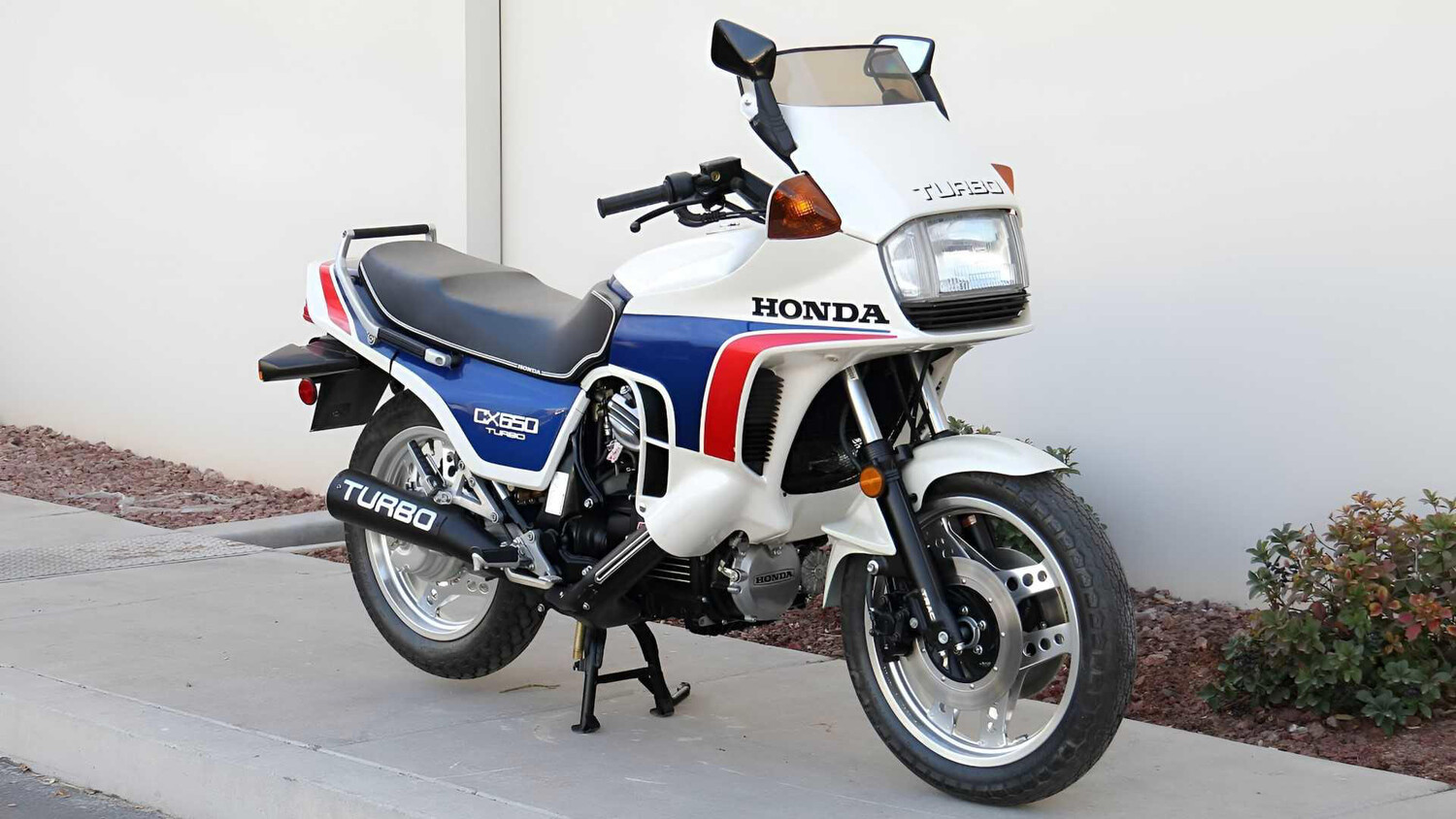
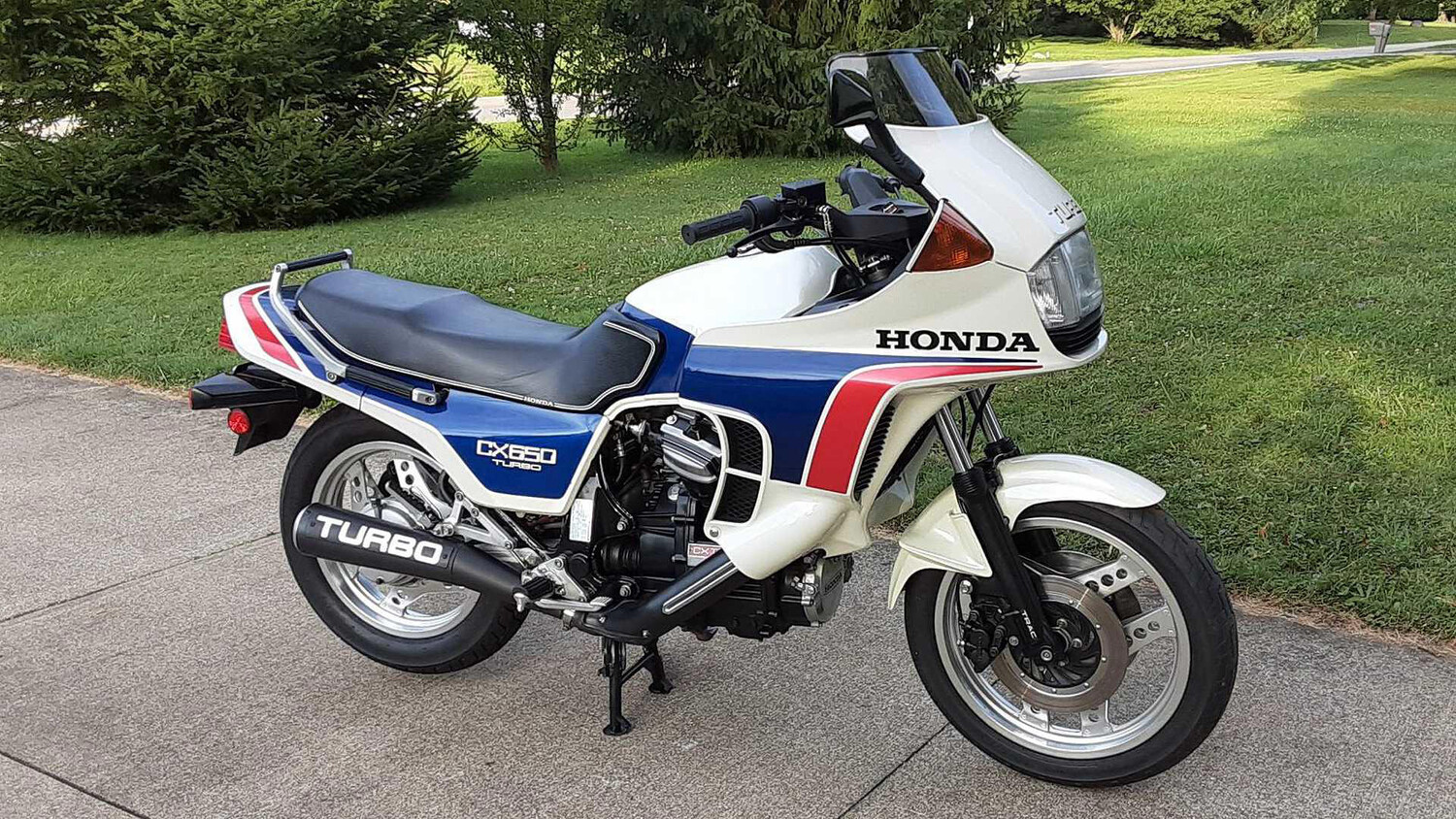
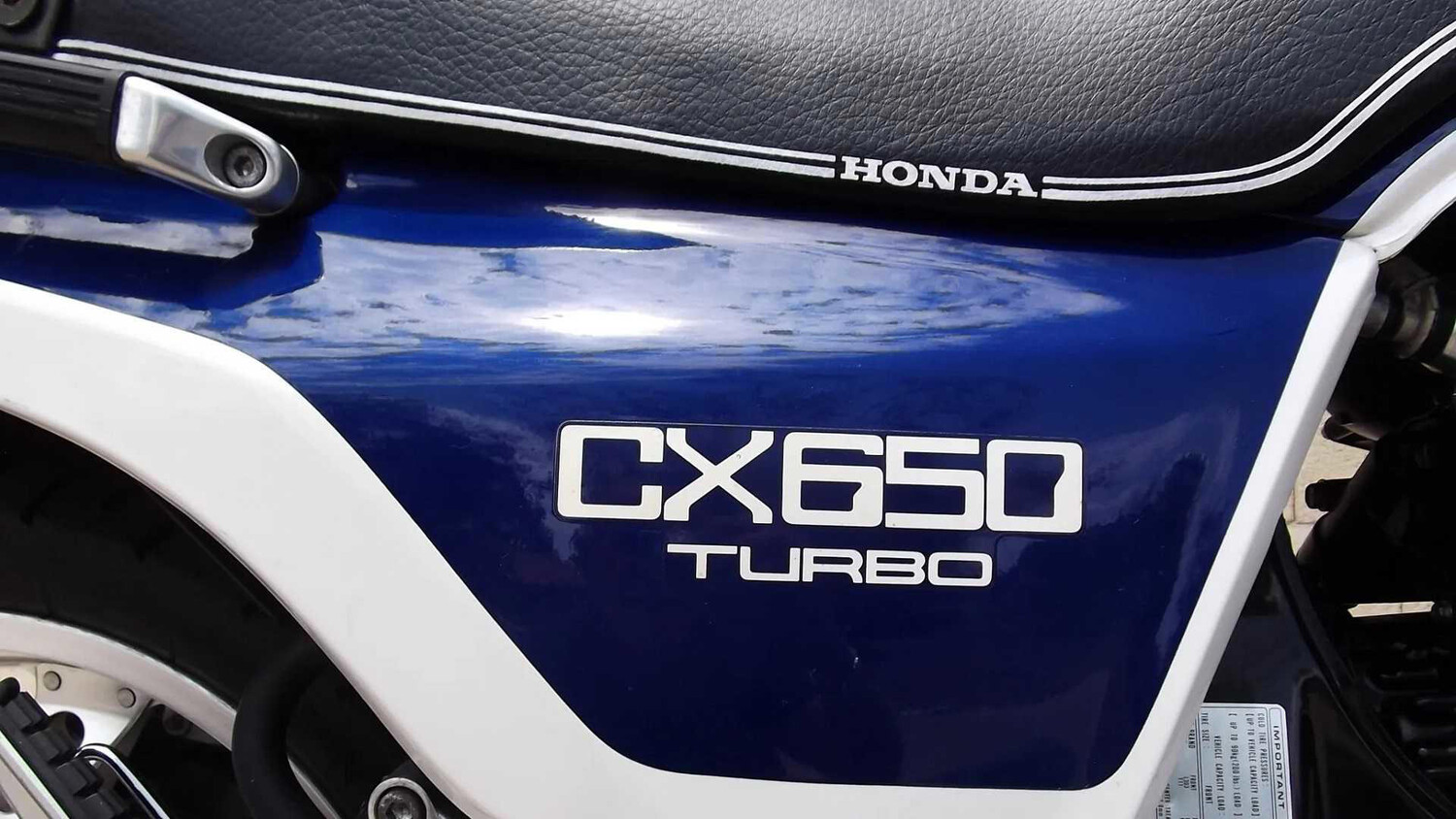
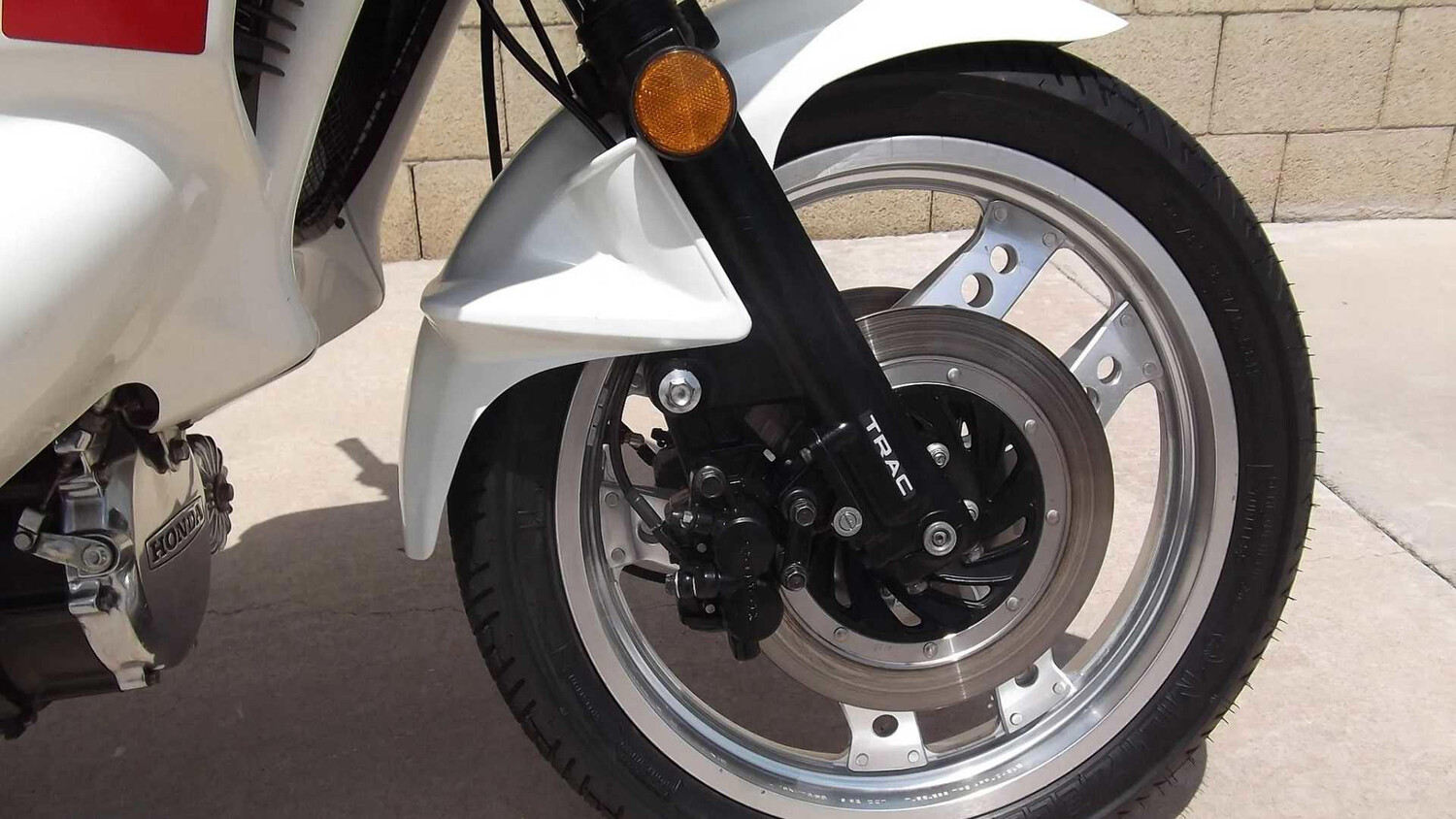
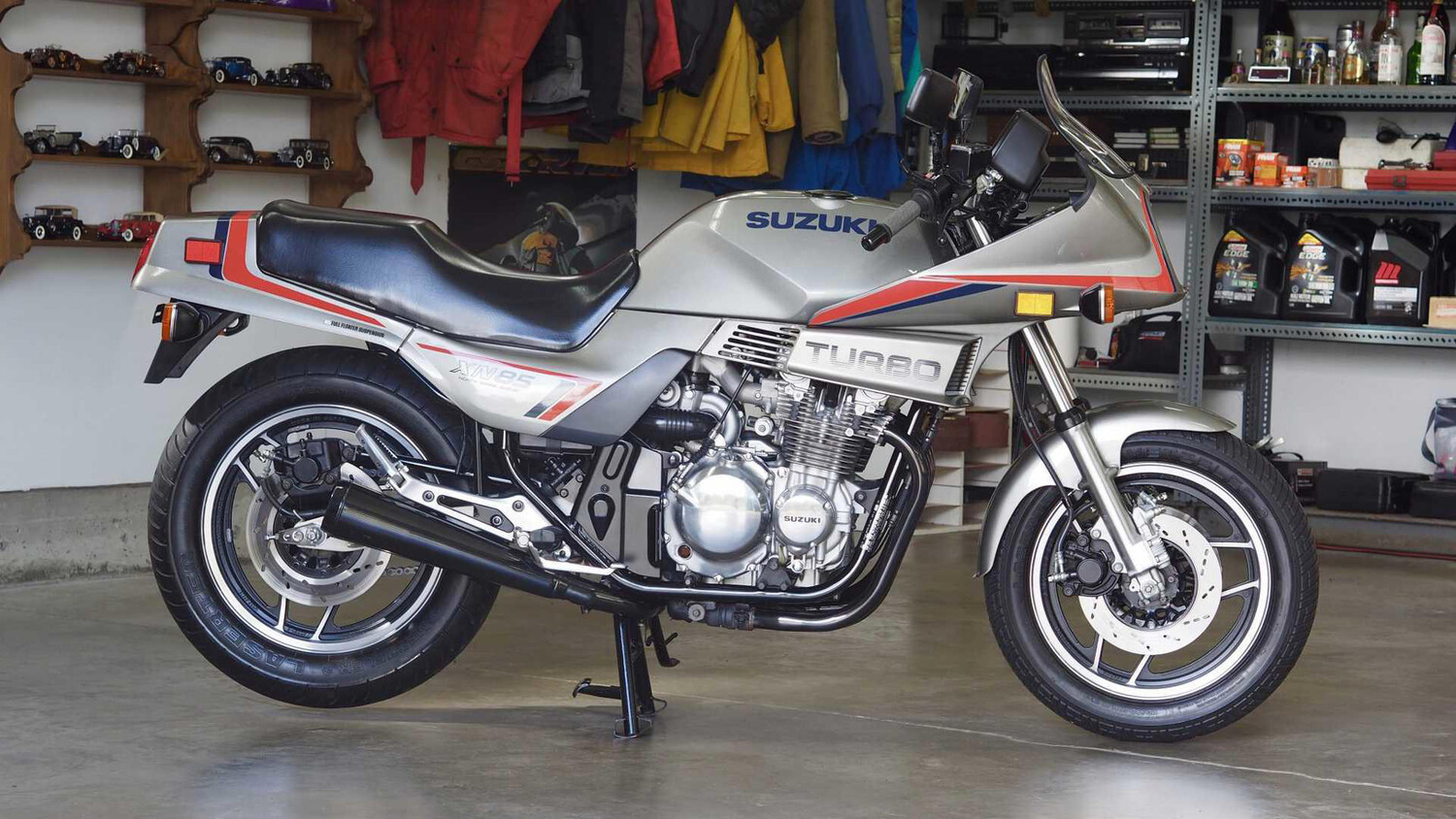
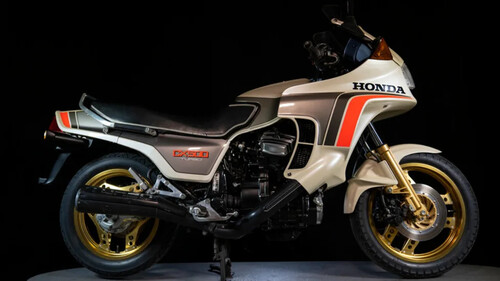
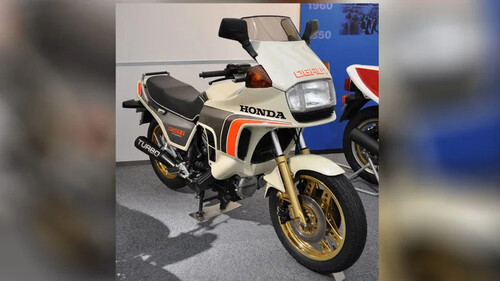
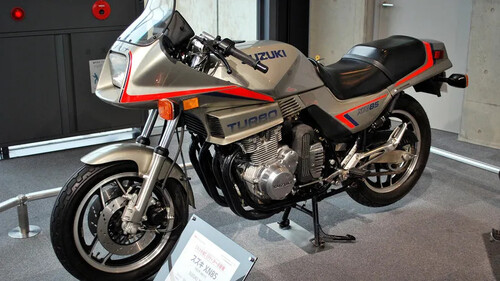
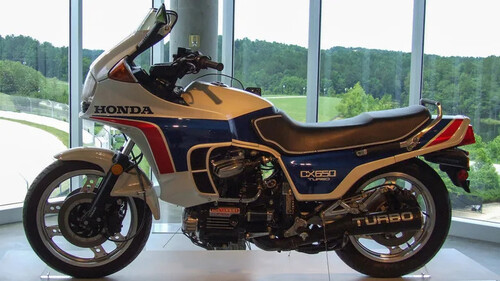
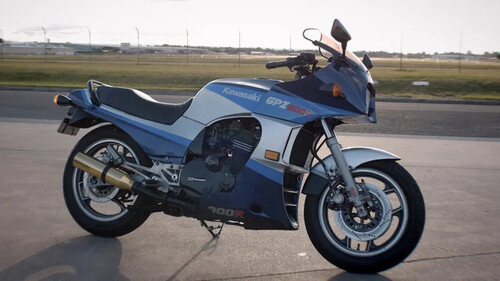
In the late 1970s and early 1980s, motorcycle makers got turbo fever. Gas prices had shaken the market, emissions rules kept tightening, and riders still wanted speed – turbocharging looked like the perfect answer. On paper, it could give a middleweight bike the punch of a much larger machine while adding a layer of space-age tech. That idea sent the Japanese manufacturers down a strange and fascinating road – for a brief moment, the future of performance motorcycling seemed to whistle through a compressor housing.Some of the bikes that came from that craze were bold – some were awkward, a few were both at once. One of the smartest appeared for just a single model year in 1983, then slipped out of sight before most riders had a chance to understand it. It came from a major brand, packed serious engineering, and wore the kind of styling that still stops enthusiasts mid-scroll today. Now it feels like a lost chapter from the turbo era, which is exactly what makes it worth revisiting. Motorcycle Manufacturers Decided To Go Turbocharging Bring a Trailer The turbo craze did not come out of nowhere – Honda and its rivals saw a market that wanted efficiency, speed, and novelty all at once. Middleweight bikes sold well in the late 1970s, and manufacturers believed riders wanted a machine with smaller-bike size and price, but with the power of something much bigger. Turbocharging seemed like the magic trick – it could cram more air into a modest engine and turn a sensible commuter into a headline machine. That dream had real appeal in an era obsessed with new tech, from digital watches to talking cars, so motorcycles were bound to join the party sooner or later.Honda took that idea especially seriously. The company had already built the CX500 as a quiet, liquid-cooled, shaft-driven V-twin with a reputation for durability. It was not a wild bike, but it gave Honda a tough, modern base for something more ambitious. The turbo project quickly became a rolling engineering statement. Period sources say the manufacturer developed well over 230 patents around the CX500 Turbo program, and the company used the bike to show that it could lead the market, not just follow it. That mattered in a moment when Yamaha had real momentum, and every major brand wanted to look like the smartest kid in class.Bring a Trailer The problem showed up the second the first turbo bikes hit real roads. Early turbo motorcycles were fast, but they were also heavy, expensive, and often awkward. Most had big fairings, complex plumbing, and power delivery that changed personality the moment the turbo woke up. Suzuki’s XN85 leaned harder into sport riding, but the broader class drifted toward fast sport-tourers rather than sharp superbikes. You know, riders wanted easy power, but what they often got was a bike that loafed below boost, then lunged like it had just remembered an appointment. Turbo lag taught patience, or at least fresh underwear.By 1983, the whole idea already needed a rescue mission. Honda had learned from its first turbo effort and came back with a much more polished second attempt. The timing still turned cruel – motorcycle sales softened, buyers got cautious, and naturally aspirated performance bikes kept improving without all the extra plumbing and price. The turbo dream kind of died because the market stopped waiting for it to get better. That left one short-lived 1983 machine stranded in the middle, better than before, smarter than most, and still easy to overlook now. The Honda CX650 Turbo Was A Sophisticated Turbo Bike Mecum Auctions That machine was the Honda CX650 Turbo, and it deserved far more attention than it got. Honda sold it for just one model year, 1983. Only 1,777 were built, with fewer than 1,200 imported to the U.S. and Canada, which makes it one of the rarest production Hondas from the era. It replaced the CX500 Turbo after the company saw the first bike’s weak low-end response and laggy delivery. In simple terms, the company fixed what it could, sharpened the formula, and came back swinging.The CX650 Turbo was not just a bored-out sequel. Honda enlarged the engine to 674cc, raised compression from 7.2:1 to 7.8:1, revised the fuel injection, simplified the computer controls, changed the gearing, and lowered peak boost to smooth the step from off-boost to on-boost. It also trimmed weight with period sources noting that the 650 came in about 11 pounds lighter than the CX500 Turbo, helped in part by its switch to an ABS plastic fairing. The result was a motorcycle that still felt dramatic, but no longer acted like it had a split personality every time the rider rolled on the throttle.That polish is what makes the CX650 Turbo feel so advanced even now. It came with fuel injection, an integrated fairing, dual front discs, a single rear disc, Pro-Link rear suspension, TRAC anti-dive forks, and the same shaft-driven V-twin layout that made the base CX unusual in the first place. Rival brands also chased boost, but many people still point out that Honda’s bikes felt more fully engineered than some of the turbo experiments that followed. Forced Induction V-Twin For Brutal Power Bring A TrailerThe heart of the CX650 Turbo sounds odd on paper, and that is part of the charm. Instead of an inline-four, Honda used a liquid-cooled, longitudinal 80-degree pushrod V-twin with four valves per cylinder and shaft drive. Even in the early 1980s, that layout looked left-field for a high-tech performance bike. Yet it gave Honda a compact, durable platform with short exhaust runs to the turbo and a broad, useful character underneath the boost. In other words, the engine choice looked weird in the showroom, but it made real sense in the workshop. Enthusiasts love that kind of stubborn logic.All that magic resulted in numbers that were great for the era and don’t look too outdated today. The Japanese firm claimed 100 horsepower at 8,000 rpm and roughly 68.5 to 70 lb-ft of torque around 5,000 rpm. Period testing put top speed at 140.4 mph and the quarter-mile at 11.9 seconds, which was serious work for a 674cc twin in 1983. More importantly, the CX650 Turbo felt much stronger down low than the old 500. Cycle World’s ride comparison described it as refined and solid, with the turbo really coming alive around 4,000 rpm and then pulling hard to the redline. That is the kind of powerband that turns a simple pass into a small event.One of the lesser-known bits is just how advanced Honda’s electronics were for the time. The original CX Turbo project already used a digital computer, multiple pressure and temperature sensors, an airflow meter, self-diagnostics, and even a fail-safe strategy that let the bike limp home if a sensor quit. The CX650 Turbo revised and simplified that system while keeping computerized fuel and ignition control at the center of the package. For a 1983 motorcycle, that was wild stuff. The Styling That Still Sells Fantasies Bring A Trailer / HotCars To a large extent, the CX650 Turbo still looks amazing even today because its design is expressive in a good way. The bodywork wraps around the bike with sharp lines, big surfaces, and a square-jawed fairing that looks ready to punch a hole through bad weather. The huge headlight, the red-white-blue graphics, the exposed cylinder heads, the silver ComStar wheels, and the giant TURBO script on the exhaust all do their jobs with zero modesty. It is flashy, sure, but it is honest about it. If subtlety had shown up at the design meeting, it probably got turned around at the door.BaT It also aged better than many 1980s futurist machines because the shape follows the bike’s real job. This was never a razor-edged canyon bike. Rather, it was a fast sport-tourer, and the fairing gives that away in a good way. Period reports praise the wind protection, the comfort, and the way the bodywork shields the rider without turning the bike into a full dresser.There is a useful little detail here, too. Honda changed the fairing material on the 650, switching from the earlier bike’s glass-reinforced plastic to ABS to cut cost and save weight. Cosmetically, the bike stayed close to the 500, with changes mostly in colors and badging, but that small material change says a lot. Honda still believed in the concept, yet it was already trying to make the idea more practical and less painful to build. Too Expensive To Become Mainstream For all its engineering muscle, the CX650 Turbo walked into the market carrying a price tag that scared off a lot of normal riders. Motorcycle Classics lists its 1983 sticker at $4,998, and that was not cheap middleweight money – that was serious money for a complicated bike in a softening market. The whole sales pitch behind turbo motorcycles centered on getting big performance from a smaller package, but buyers quickly noticed the catch. These bikes often weighed almost as much as larger machines and cost almost as much too.The broader market did the CX650 Turbo no favors. Motorcycle sales had been strong, then the bottom dropped out in the early 1980s. Honda and Yamaha shipped big volumes just as demand cooled, and Harley-Davidson also won a tariff on imported Japanese motorcycles over 700cc, though the 674cc CX650 Turbo sat just under that line and avoided the penalty. Even so, being under the threshold did not save it. By 1984 and 1985, the economy improved, but motorcycle sales stayed slow enough that niche halo bikes made less and less sense. Honda had built a better turbo just in time for buyers to stop caring.BaT Then came the ownership reality. Longtime CX650 Turbo owners and restorers know the weak spots well – the stock alternator often failed around 15,000 to 20,000 miles, and replacing it meant pulling the engine, for example. Starter motor issues could snowball into far uglier damage if ignored. That complexity helped keep the model out of the mainstream, but it also fed the legend. Some North American bikes reportedly ended up in Honda tech schools and junior-college programs, with agreements that said they should be destroyed later. Quite a few seem to have escaped, though. A Great Motorcycle Or A Great Story? BaT The honest answer is that it was a genuinely good motorcycle, just not in the way the word “turbo” makes people expect. It was not the sharpest tool for tight switchbacks, and period testers called out its high center of gravity and 573-pound wet weight. On narrow roads, riders had to work for it. On broad sweepers and fast back roads, though, the bike came together beautifully with reviewers calling it refined, civilized, and very rideable.It is also a great story, maybe an even better one. The CX500 Turbo was the company’s first fuel-injected motorcycle, and that PGM-FI technology later spread across a wide range of Honda bikes. So even though the turbo era burned out fast, the engineering did not go to waste. That gives the CX650 Turbo more weight than a simple “cool failure” story. It sits at the point where old-school motorcycle layout met early digital engine control, and the two somehow shook hands.So the CX650 Turbo lands in a sweet spot. It is not the best pure performer of the factory turbo age, sure, and it was never going to become a mass-market hit. It is too complex for that, too strange for that, and honestly, a little too proud of its own brain. But it is more than a footnote – it taught real lessons, looks fantastic, and still offers an experience that no normal 650 ever could. The Best Alternatives via Mecum Obviously, the closest alternative is the Honda CX500 Turbo that came before it. That earlier bike matters because it opened the door as the first production turbocharged motorcycle and Honda’s first fuel-injected motorcycle, which gives it major historical weight. It also has a wilder temperament – the 500 makes less power, suffers more lag, and feels more like a brilliant prototype that slipped into dealers by mistake. Riders who want the rawer story, not the more polished ride, often end up loving the CX500 Turbo for exactly those reasons.The performance pick is the Kawasaki 750 Turbo. Period coverage flat-out said it could claim the title of fastest turbo bike in production, and this is huge because Kawasaki arrived late and got a lot right. It was lighter than the Honda, more brutally effective, and closer to the original promise of a true turbo superbike. Riders who want the turbo era at full volume usually drift toward the Kawasaki for that reason.Bring a Trailer The chassis pick is the Suzuki XN85. Reviewers called it agile and responsive, especially at speed, and noted that its lighter bodywork and more sporting layout helped separate it from the top-heavy grand-touring feel of the other turbo bikes. The XN85 never had the same sheer drama as the Honda or the Kawasaki, but it made a better case for a turbo bike that still wanted to corner hard. In that sense, it may have understood the assignment better than most. It just arrived with fewer fireworks, and history usually remembers the loudest kid in the room.Source: Honda, Kawasaki, Suzuki, Cycle World