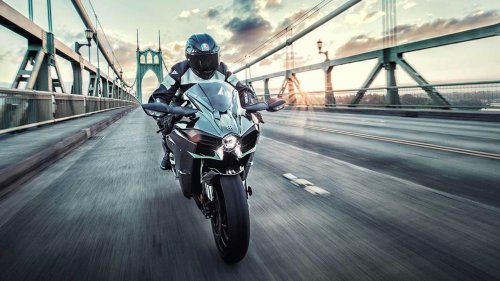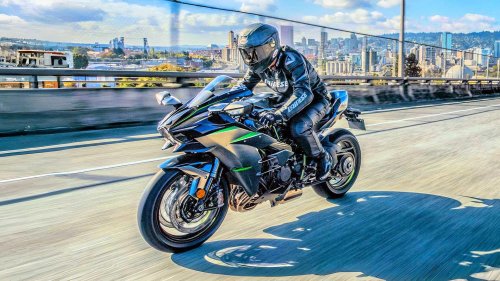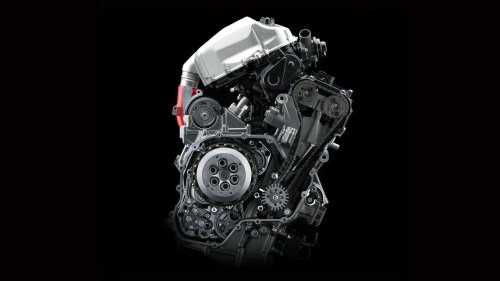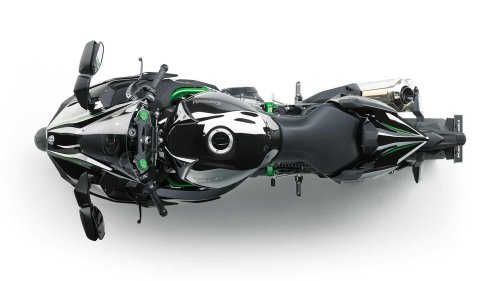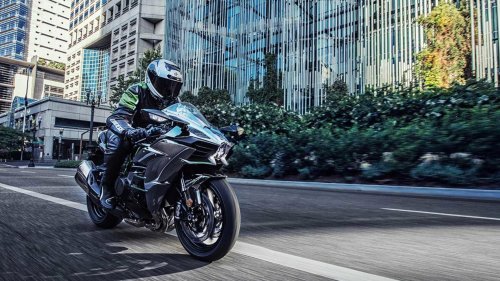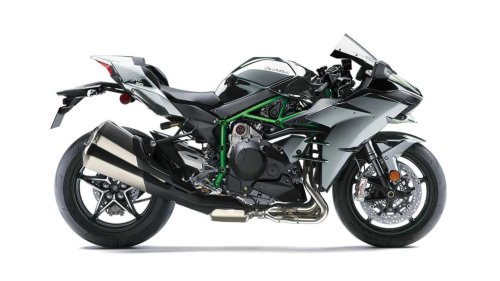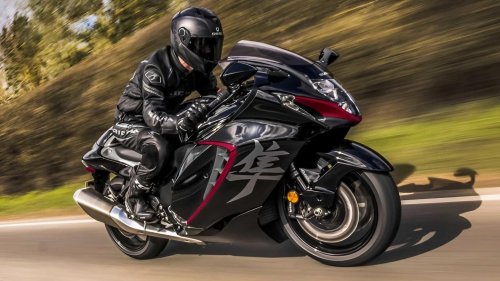
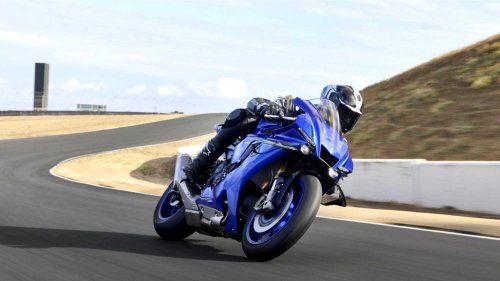
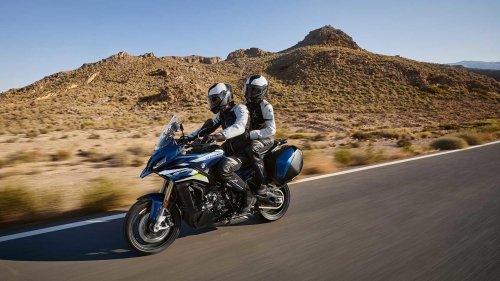
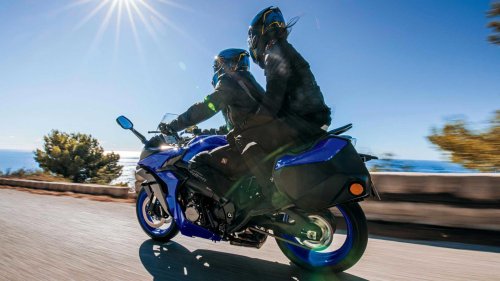
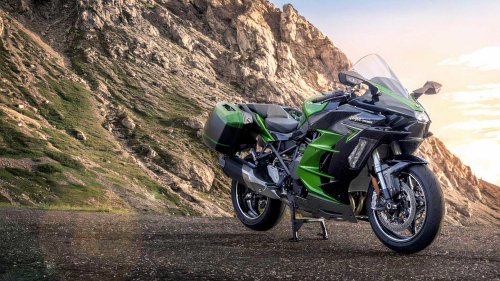
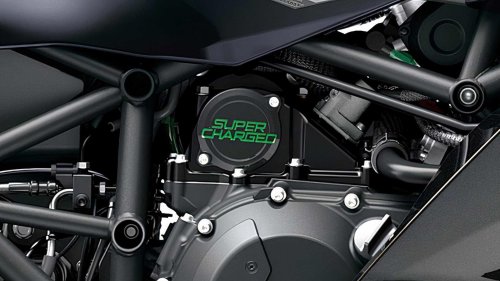
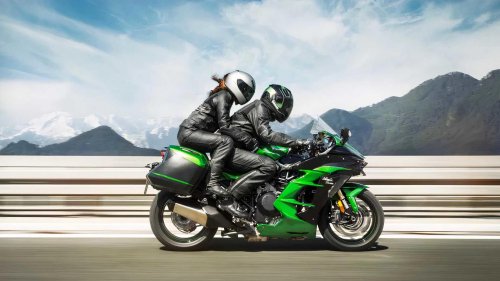
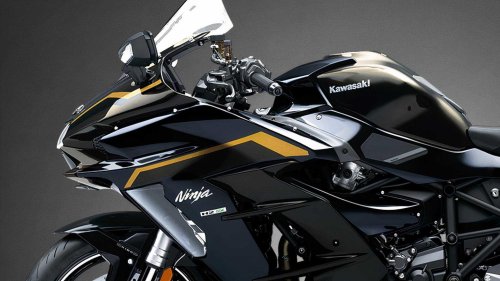
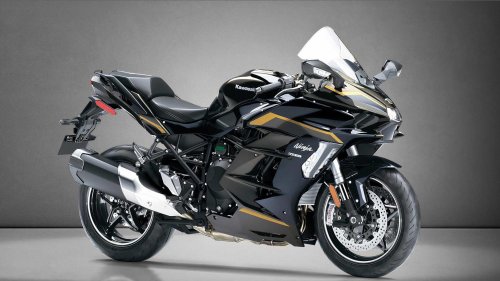
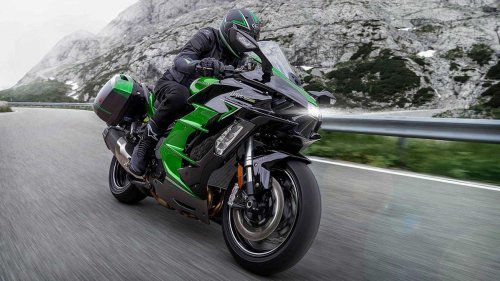



















There’s something weirdly impressive about a motorcycle that can hit terrifying speeds while also being perfectly happy crawling through traffic with heated grips on and luggage strapped to the back. In 2026, that balance feels rarer than ever. Most fast motorcycles have become laser-focused machines designed around peak performance figures, social media bragging rights, or racetrack capability. But in the real world, riders still need comfort, practicality, and something they can actually enjoy every day without feeling punished for it. Why Speed Alone Doesn’t Impress Riders Anymore Suzuki Cycles For years, the motorcycle industry went after bigger numbers like they were the only thing that mattered. More horsepower, more electronics, more aerodynamic wings, more aggressive ergonomics. And while modern superbikes are undeniably incredible pieces of engineering, they’ve also become oddly disconnected from how most people actually ride. Many of these bikes make their riders feel like guests on a machine designed for someone far more talented and far more reckless.The reality is that most riders spend more time on highways, city streets, and weekend back roads than they do attacking apexes at full lean. Yet many high-performance motorcycles are tuned like they’re permanently one session away from qualifying at WorldSBK. Clip-ons get lower, seats get harder, heat management gets worse, and insurance premiums start looking like mortgage payments. Speed is fun, but discomfort gets old fast. The Problem With Superbikes Becoming Too Specialized YamahaModern liter bikes are astonishingly capable, but that capability comes with compromises. Many of them feel nervous and twitchy at lower speeds because they're engineered to come alive at triple-digit speeds. Suspension setups can feel harsh on imperfect roads, and engine tuning often rewards high-rpm riding rather than relaxed cruising. That’s fine for track addicts, but it becomes exhausting when you’re just trying to get home after work.Even ownership itself has become more intimidating. Between expensive maintenance, specialized tires, aggressive riding positions, and the constant temptation to ride irresponsibly, many riders eventually realize they don’t actually want a race bike for the street. They want something that feels special without demanding sacrifices every single time they throw a leg over it. The Search For A Motorcycle That Can Do Everything BMW That’s why sport-touring motorcycles are quietly becoming cool again. Riders are starting to appreciate bikes that can handle long highway miles, weekend canyon runs, commuting duties, and occasional track days without turning every ride into an endurance challenge. The modern motorcycle landscape is shifting away from extremes and toward versatility, because versatility is what riders actually use.The sweet spot in today's motorcycle market isn’t necessarily the fastest motorcycle anymore. It’s the one that gives riders access to ridiculous performance while still being comfortable, practical, and usable enough to ride daily. A motorcycle that can carry hard luggage one day and embarrass sportbikes the next has a different kind of appeal now. It feels smarter. More mature. Less performative. Why Sport-Touring Is Making A Comeback Suzuki Cycles Manufacturers have figured out that riders don’t want to sacrifice comfort just to feel excitement. That’s why modern sport-tourers now come packed with premium electronics, semi-active suspension systems, radar-assisted safety features, adaptive cruise control, heated seats, smartphone connectivity, and upright ergonomics. These aren’t stripped-down machines built around compromise anymore. They’re flagship motorcycles designed around real-world use.And ironically, many of them are faster than the superbikes people dreamed about twenty years ago. Today's sport-tourers can comfortably cruise across states at high speed while carrying luggage and a passenger, then instantly transform into canyon-carving monsters the moment the road opens up. That duality is exactly what makes the category so compelling again. The Kawasaki Ninja H2 SX Is Insanely Fast And Equally Practical Kawasaki And that brings us to the Kawasaki Ninja H2 SX, arguably one of the most absurdly sensible motorcycles on sale today. On paper, it sounds ridiculous. A supercharged hypersport-tourer derived from the same family as the terrifying H2 hyperbike doesn’t sound like something that should exist in a practical context. But somehow, Kawasaki made it work.The current Ninja H2 SX SE uses a998cc supercharged inline-fourproducing 207 horsepower and 101 pound-feet of torque. That alone would be enough to make headlines, but the way the bike delivers its performance is what really separates it from traditional superbikes. The supercharger creates effortless acceleration everywhere in the rev range instead of demanding constant high-rpm aggression. The bike feels devastatingly quick without constantly begging you to ride like a maniac. The Supercharged Engine Changes The Entire Experience Kawasaki Unlike naturally aspirated liter bikes that need to be revved hard to feel exciting, the H2 SX produces a massive wave of torque almost everywhere. Overtakes become laughably easy. Highway cruising feels relaxed because the engine barely has to work. Even carrying luggage and a passenger hardly seems to faze it. There’s a calmness to the way it builds speed that feels strangely refined for something this powerful.Kawasaki also tuned the bike differently from the track-focused H2 and H2R. The gearing, throttle response, riding position, and aerodynamic design all prioritize stability and usability rather than outright aggression. It still feels brutally fast, but it does so in a way that feels composed instead of chaotic. That distinction matters a lot once the novelty of pure speed wears off. Built For Speed And Long Distance Comfort Kawasaki The comfort side of the equation is equally impressive. The upright riding position puts far less strain on the wrists and lower back than a traditional supersport, while the seat is genuinely designed for long-distance riding instead of short bursts between fuel stops. The fairing and windscreen provide excellent wind protection, and the bike’s 7.5-inch TFT display feels properly premium.The chassis setup also reflects the bike’s dual-purpose personality. The Ninja H2 SX uses Kawasaki’s trellis frame paired with a single-sided swingarm and semi-active electronic suspension from Showa. Brembo Stylema calipers handle braking duties, while the bike rides on 17-inch wheels wrapped in Bridgestone Battlax Hypersport S22 tires. Wet weight comes in at around 590 pounds, which sounds heavy until you realize how remarkably well the bike hides its mass once moving. The Technology Isn’t Just There For Show One of the biggest reasons the H2 SX makes sense is that Kawasaki resisted the urge to treat technology like a gimmick. The electronics package actually improves the riding experience instead of just padding a spec sheet. The bike features adaptive cruise control, blind spot detection, forward collision warning, cornering ABS, traction control, launch control, hill hold assist, and multiple riding modes.The radar-based systems developed with Bosch genuinely make long-distance riding less stressful, especially on crowded highways. Adaptive cruise control on a motorcycle still feels futuristic, but after spending time with it, it’s surprisingly hard to give up. Add in smartphone connectivity, tire pressure monitoring, self-healing paint, heated grips, and optional panniers, and the H2 SX starts feeling more like a luxury grand tourer disguised as a hyperbike.Kawasaki What’s impressive is how seamlessly all this technology integrates into the riding experience. Nothing feels intrusive or overly complicated. The bike still feels mechanical and engaging underneath all the electronics, which is important because too much technology can sometimes make motorcycles feel sterile. The H2 SX somehow avoids that trap. The Real Surprise Is How Mature The H2 SX Feels Kawasaki The H2 badge still carries a certain reputation. People hear “supercharged Kawasaki” and immediately picture smoke, flames, terrifying acceleration, and questionable life decisions. And yes, the Ninja H2 SX absolutely has that wild side buried underneath its calm demeanor. Twist the throttle hard enough, and the bike turns into a missile. But what makes it fascinating is how restrained and civilized it can feel the rest of the time.That maturity is what makes the H2 SX stand out in 2026. It doesn’t feel like a motorcycle desperately trying to prove something. It feels like a machine engineered by people who understand that riders eventually grow out of choosing discomfort for the sake of image. The H2 SX still delivers the drama, excitement, and absurd performance riders crave, but it packages those traits in something genuinely livable. From Track Days To The Open Road, The H2 SX Can Do It All Kawasaki That versatility is ultimately the bike’s greatest strength. The Ninja H2 SX can commute during the week, tour across multiple states on the weekend, carry luggage and a passenger comfortably, then still show up at a track day without embarrassing itself. Very few motorcycles can genuinely claim to cover that many roles without feeling compromised somewhere.And maybe that’s why the H2 SX is still so relevant right now. With pricing starting at $29,999, the Kawasaki Ninja H2 SX sits firmly in premium territory, but few motorcycles combine this level of performance, comfort, and technology in a single package. As motorcycles keep getting more specialized, more extreme, and more demanding, Kawasaki built something refreshingly balanced. It’s still outrageously fast. It’s still exotic. It still has a supercharger screaming beneath the fairings. But underneath all that madness is a motorcycle that actually understands what most riders need from a bike in the real world.Source: Kawasaki