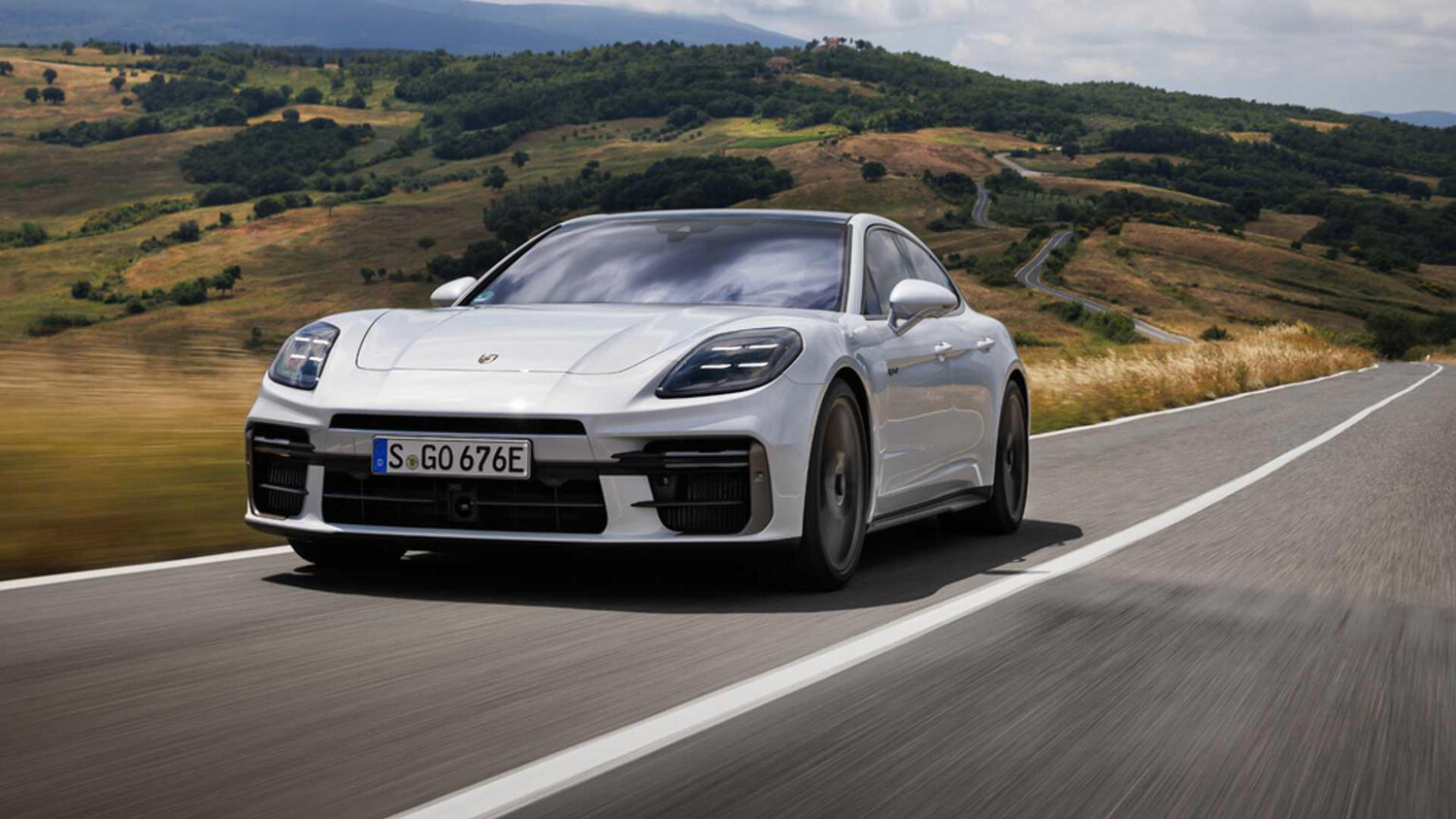
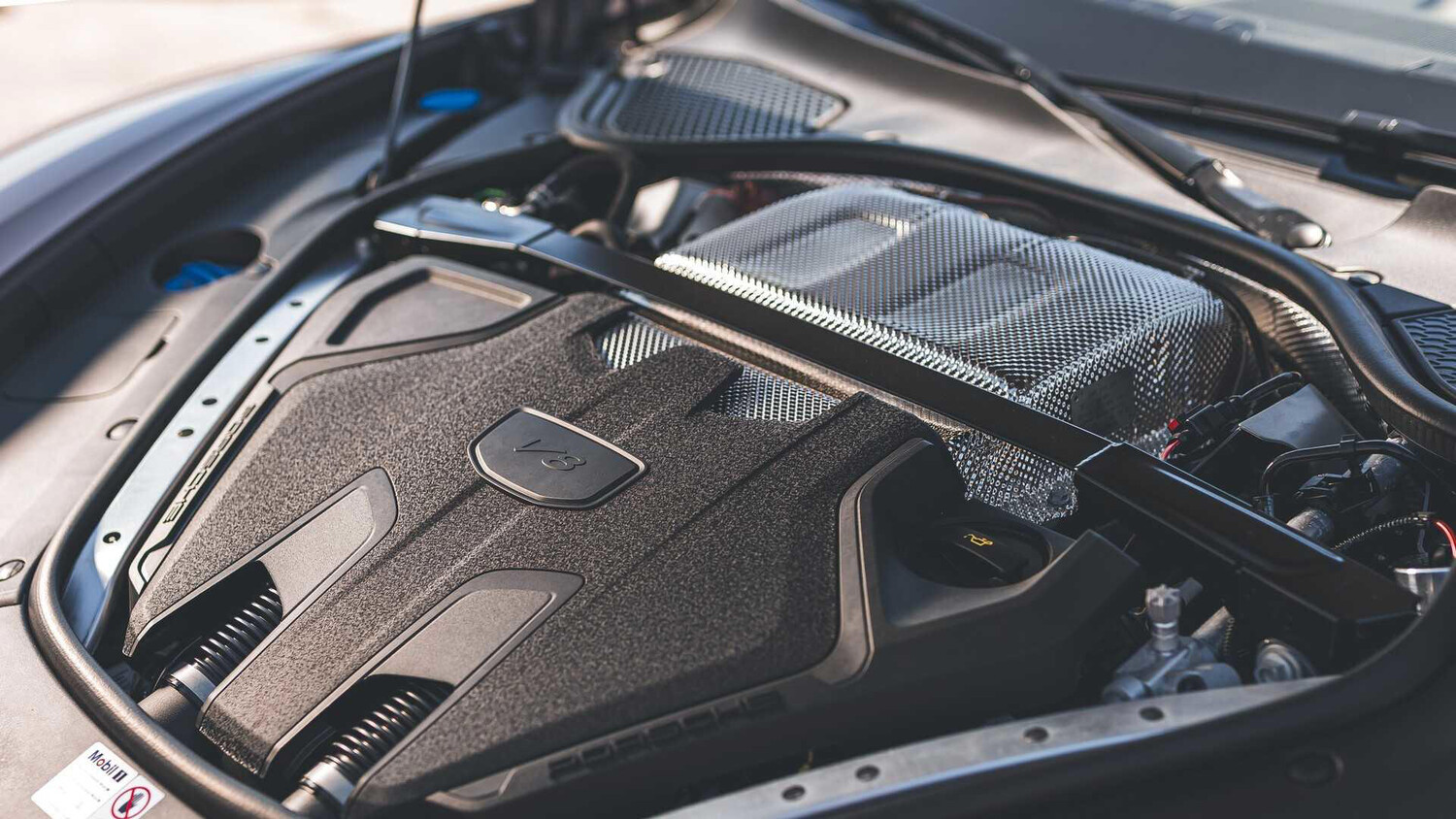
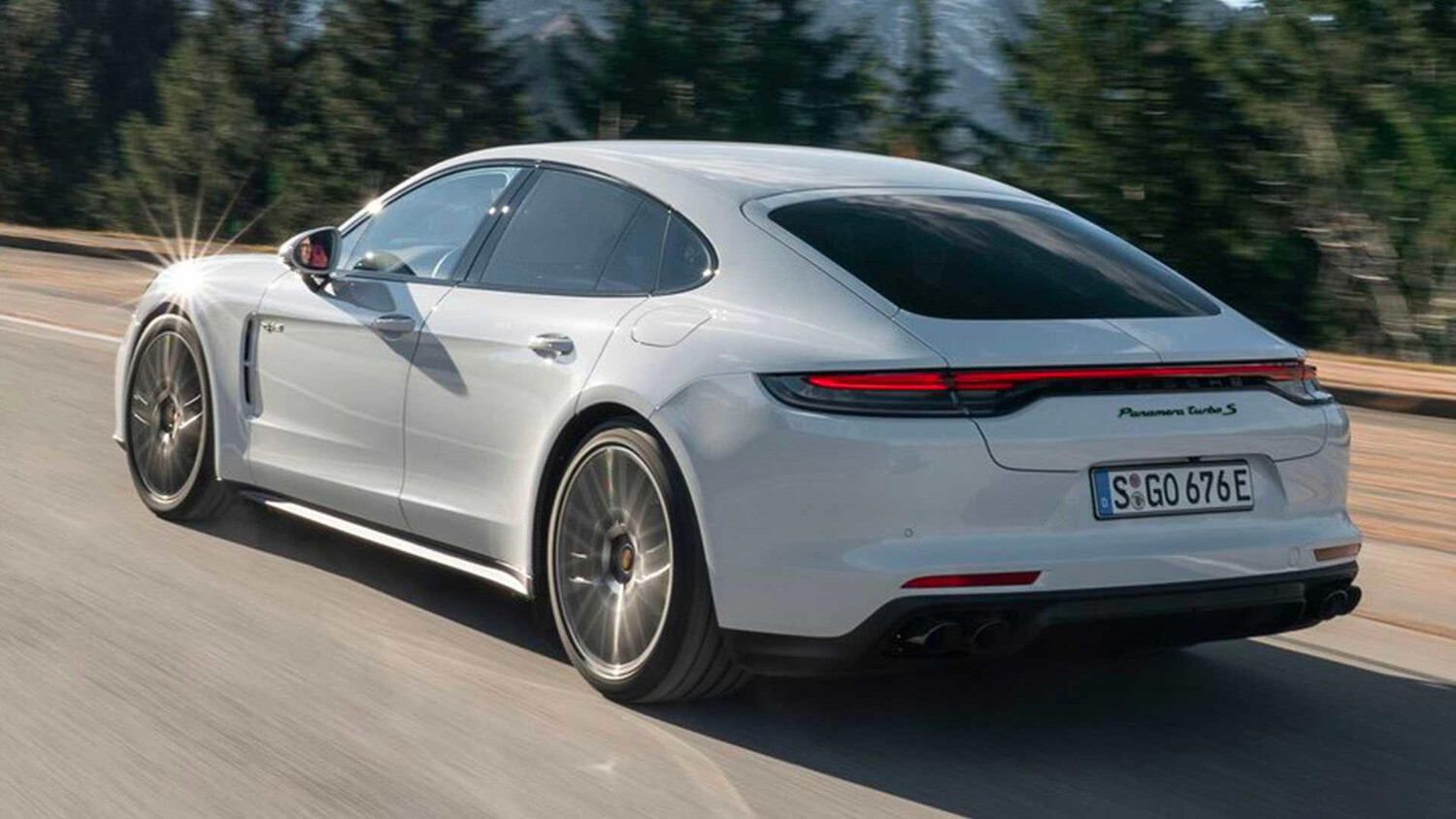
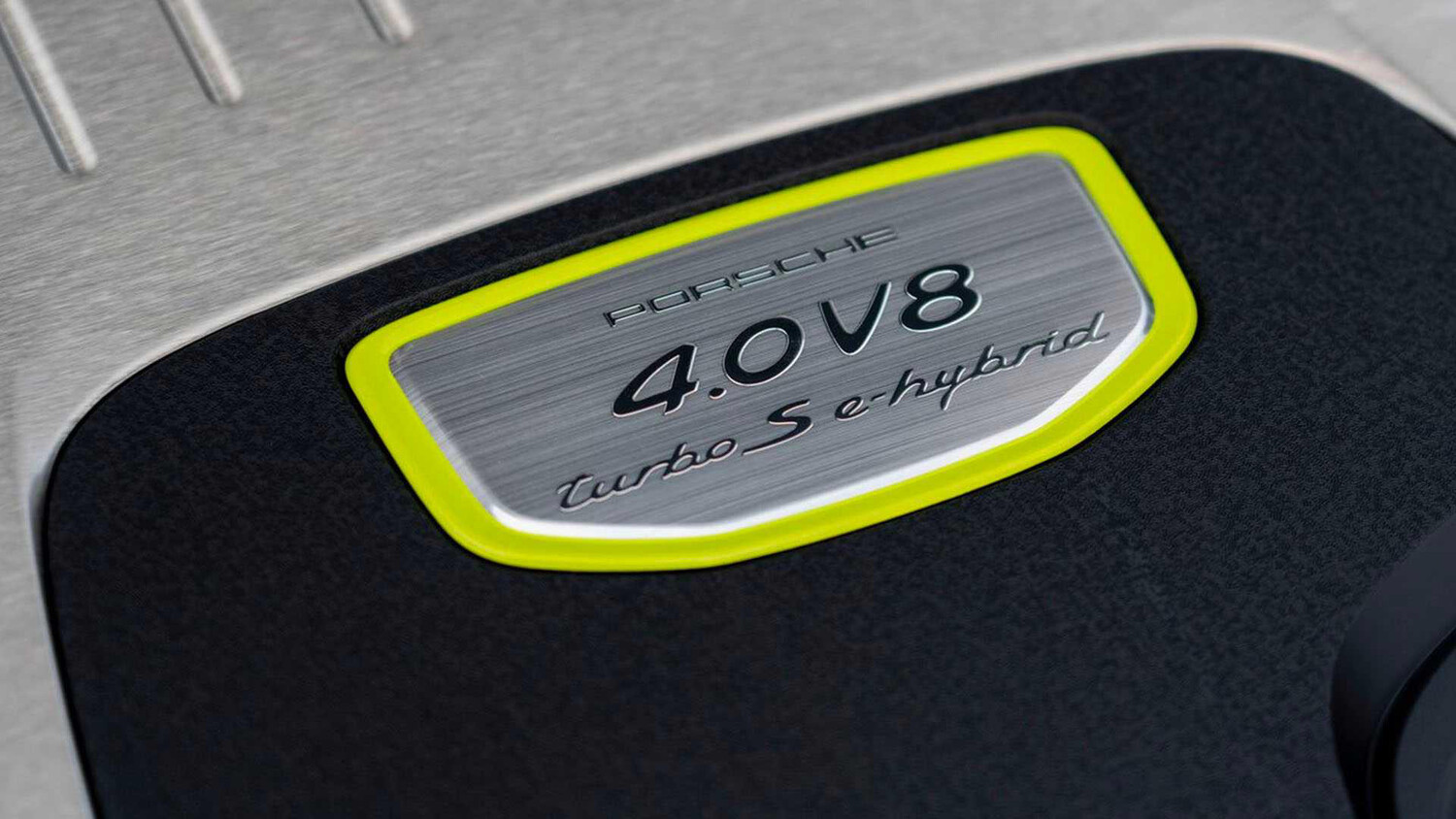
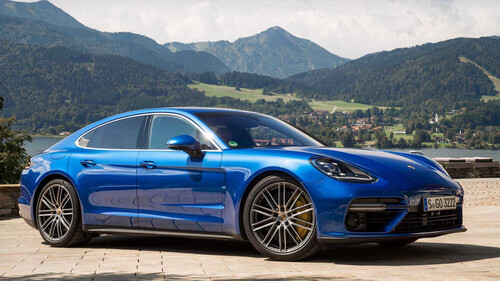
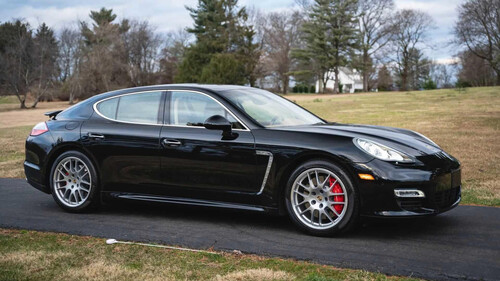
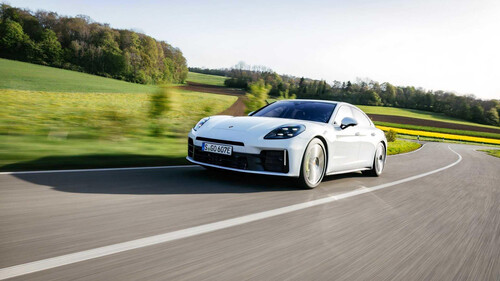
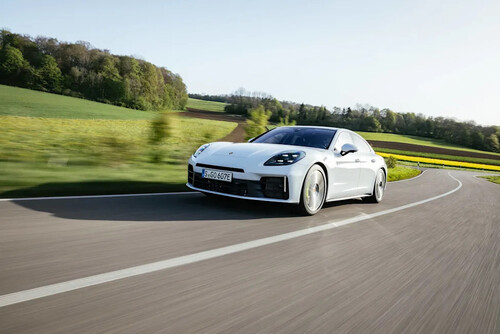
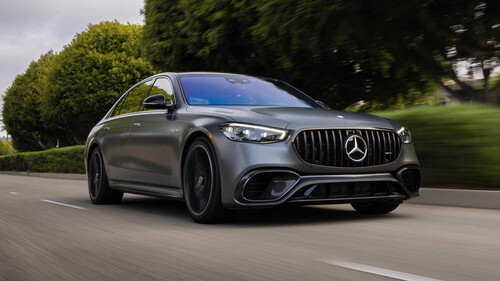
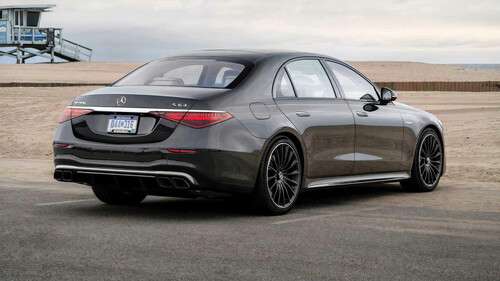
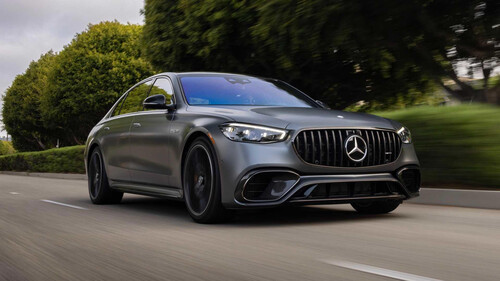
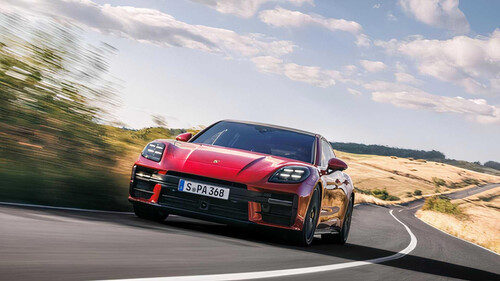
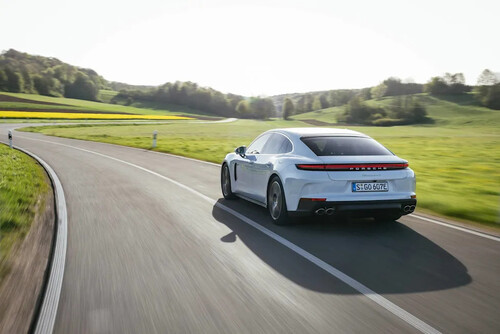
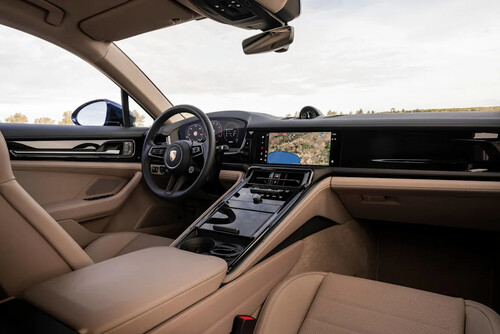
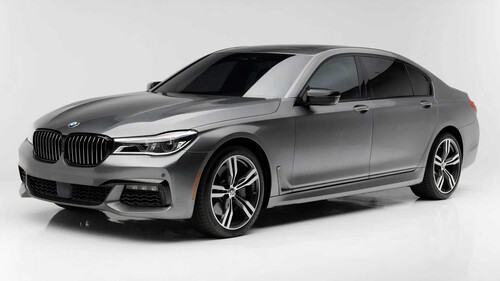
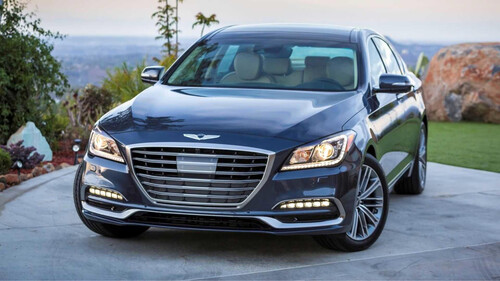
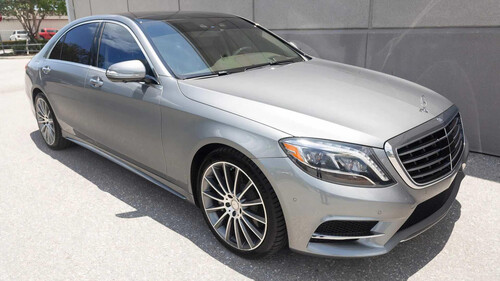
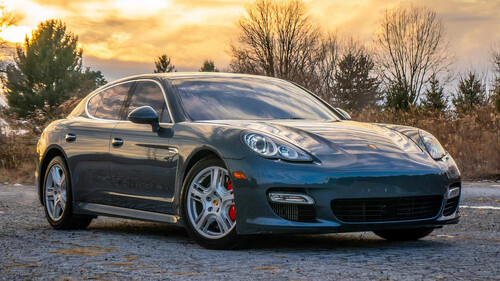
The performance car compromise has always been the same. You can have the speed, but you will give something up. Ride quality, practicality, passenger space, fuel economy, or some combination of all four. The faster the car, the steeper the trade. Porsche, a manufacturer with almost no history of building four-door family transport, decided in 2009 to challenge that assumption. The result was controversial in ways that went beyond the performance numbers. It divided opinion so sharply that Top Gear dismissed the styling at launch and the automotive press took years to fully come around to the concept. What nobody disputed was how it drove. And by the time the second generation arrived in 2017, Porsche had refined the idea to a point where the real-world case for this car became almost unarguable.The question this car answers is not whether a four-door performance machine can be fast. The question is whether it can be fast enough to render the practical compromises irrelevant. Whether you can genuinely arrive at a track day, post a respectable time, and drive home in something that carries your family and their luggage without complaint. One specific variant makes that case more convincingly than anything else in the segment. The Car Nobody Expected Porsche To Build Porsche When the first-generation Panamera debuted at the Shanghai Motor Show in April 2009, lifted to the 94th floor of the World Financial Center for maximum drama, the reception was mixed at best. The performance numbers were not in dispute. The 4.8-liter twin-turbo V8 Turbo variant ran 0-60 in 4.0 seconds and was capable on a racetrack in a way no executive sedan had been before. What the press could not get past was the shape. Period reviews described the first-generation Panamera as ungainly, its roofline awkward, its rear end bloated. The styling was partly the consequence of a brief from Porsche's then-CEO, who was a tall man and demanded genuine rear headroom. The engineers obliged. The designers paid the price.Sales, however, defied the criticism. Porsche had initially planned production of 20,000 units per year and the car exceeded those expectations, moving more than 7,700 units in the US alone in 2010, outselling the 911 in Porsche's most important market. The concept worked. When the second generation arrived in 2016, Peter Varga's redesign addressed every styling objection. The roofline flattened, the rear became muscular rather than bulbous, and the Sport Turismo body style gave buyers a shooting-brake silhouette that was genuinely attractive. The automotive press reversed course almost unanimously. What Porsche now had was the right package. And in Turbo S E-Hybrid specification, it had something nobody else in the world was offering. The Porsche Panamera Turbo S E-Hybrid and Why It Works PorscheThe 2018 Porsche Panamera Turbo S E-Hybrid is the variant that makes the argument impossible to dismiss. Porsche's official data puts it at 680 hp combined and 626 lb-ft of torque, with a 0-60 time of 3.2 seconds and a quarter-mile of 11.6 seconds. The top speed is 192 mph. These are not luxury sedan numbers. The Mercedes-AMG S 63, which was the most credible rival in the segment at the time, ran 0-60 in 3.4 seconds with 603 hp. The BMW M760i with its 6.6-liter V12 needed 3.6 seconds. The Panamera Turbo S E-Hybrid was the quickest four-door luxury car on the market when it launched, and it achieved that while seating four adults, offering genuine luggage space, and being capable of running on electricity alone for up to 31 miles.The 918 Spyder comparison matters here. Porsche's limited-edition hypercar, built at vast expense and sold for over a million dollars, used a similar E-performance hybrid strategy. Reviewers noted this was the 918 Spyder's technology made accessible, available in a car that could collect from school, fit the weekly shop, and still embarrass purpose-built sports cars off the line. The quarter-mile time of 11.6 seconds sits comfortably ahead of the naturally aspirated Porsche 911 Carrera S of the same era, which ran 12.0 seconds. A four-door hybrid luxury sedan was outrunning a 911 at the strip. The performance case was not subtle. The Powertrain and Why It Delivers Porsche The 4.0-liter twin-turbo V8 produces 550 hp and 567 lb-ft on its own, the same unit found in the Panamera Turbo. To that, Porsche adds a 136 hp electric motor and a 14.1 kWh lithium-ion battery, bringing combined system output to 680 hp and 626 lb-ft. The eight-speed PDK dual-clutch transmission manages power delivery to all four wheels through Porsche's Traction Management system. The critical advantage of the hybrid setup is torque availability. The electric motor delivers its output instantly from rest, which is why the Turbo S E-Hybrid's 0-60 time of 3.2 seconds is 0.2 seconds quicker than the non-hybrid Turbo despite being heavier. At low speeds and in daily traffic, the electric motor dominates. At higher speeds and under full load, the V8 takes over and the combined output is available simultaneously.The Sport Response button, derived from Porsche's 918 Spyder, pre-charges the battery and provides 20 seconds of maximum combined output on demand. In standard driving, the PDK fires off shifts in milliseconds and the transition between electric and combustion power is imperceptible at normal throttle inputs. The car weighs over 5,100 lbs in this configuration. Nothing about those numbers should produce 3.2-second sprints. The engineering makes them happen anyway. What Makes It Work Every Day Via: Porsche The performance case is straightforward. The real-world case requires more unpacking, because a car that runs 11.6-second quarters is only genuinely useful if it can function outside the drag strip. The standard Panamera sedan carries 17.4 cubic feet of cargo with seats up and 46 cubic feet folded. The Sport Turismo body style, which brings a raised roofline and liftback tailgate, pushes those figures to 18.4 cubic feet and 49 cubic feet. Rear legroom is 41.9 inches, which is limousine territory. Headroom is 38 inches. The air suspension in comfort mode produces a ride quality that period reviewers compared favorably to the Mercedes S-Class, which was the established benchmark for long-distance comfort in the segment.The hybrid system adds a practical dimension beyond the performance numbers. In E-Power mode, the Turbo S E-Hybrid runs silently on electricity alone at lower speeds for up to 31 miles. EPA-rated fuel economy on the V8 alone is 18 mpg city and 25 mpg highway, which is better than the Mercedes S 560 with 463 hp, and comparable with naturally aspirated V6 luxury sedans. The car's four-seat configuration with individual rear buckets, 12.3-inch touchscreen, Bose or optional Burmester audio, and Porsche Ceramic Composite brakes as standard on the Turbo S E-Hybrid means the ownership experience matches the price point. Nothing about the interior asks you to make concessions for the performance hardware underneath it. What the Porsche Panamera Turbo S E-Hybrid Is Worth Today Via: PorscheThe 2018 Turbo S E-Hybrid has depreciated substantially from its original MSRP of $185,450 for the sedan and $188,400 for the Sport Turismo. Current private party valuesfor a 2018 Turbo S E-Hybrid sedan sit between $57,790 and $63,390, with the Sport Turismo variant ranging from $64,180 to $69,880,based on KBB data valid through mid-March 2026. Market data across the second-generation Turbo S E-Hybrid range shows an average sale price of $100,451, reflecting that well-specified, lower-mileage examples with full Porsche service history still command meaningful premiums. A 2020 example sold for $59,500 as recently as March 17, 2026, illustrating the floor on higher-mileage cars. The Sport Turismo body holds value better than the sedan, as it remains the more desirable configuration for buyers who plan to actually use the space the car offers.Against its luxury rivals, the value case is interesting. The Mercedes-AMG S 63 commands comparable or higher prices in good condition, despite offering less performance and no hybrid capability. The BMW M760i has depreciated more aggressively. For a buyer who wants the fastest, most capable four-door of its era with the most complete everyday package, the 2018 Turbo S E-Hybrid at current market prices represents the kind of value that only becomes visible once significant depreciation has done its work. Panamera Turbo S E-Hybrid Buying Considerations Via: Porsche The ownership costs on a car that originally cost close to $190,000 do not scale down as quickly as the purchase price. The PDK dual-clutch transmission requires servicing at established intervals and specialist knowledge to do correctly. The air suspension, standard on all Turbo S E-Hybrid models, uses air struts that can deteriorate with age and are expensive to replace. The hybrid battery is covered under a separate Porsche warranty that typically extends to eight years or 100,000 miles, but older examples may be approaching or beyond that coverage. Checking the battery health history before purchase is not optional.The Porsche Ceramic Composite brakes, standard on the Turbo S E-Hybrid, last considerably longer than iron discs under normal use but are expensive to replace when they do wear. A full Porsche main dealer service history is the most important single factor in a purchase decision. A pre-purchase inspection from a Porsche specialist is non-negotiable at this price point. The cars that present problems on the used market are almost always the ones where maintenance was deferred during ownership. A well-documented, single-owner, dealer-serviced example is a genuinely different proposition from a clean-looking car with a patchy history. The gap in total ownership cost between the two is larger than the gap in purchase price.Sources: Porsche Newsroom, Kelley Blue Book, Classic.com, Motor1, Hagerty,