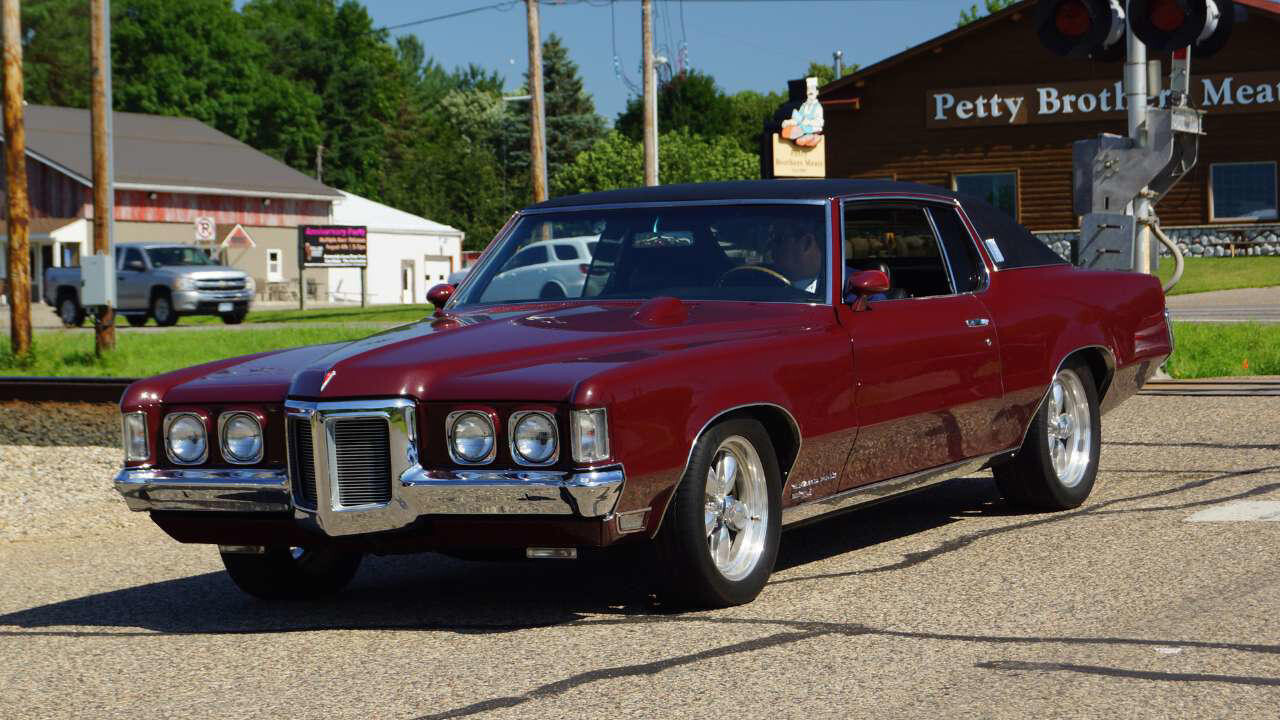
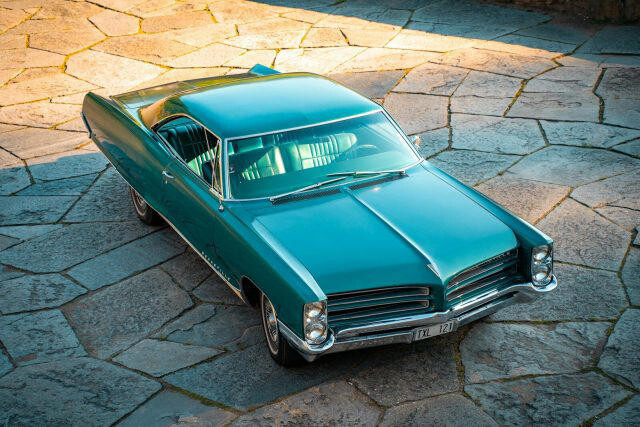
Luxury met real speed in the overlooked 1969 Pontiac Grand Prix SJThe 1969 Pontiac Grand Prix SJ stands as a remarkable fusion of luxury and performance, often overshadowed by its contemporaries. As I delve into its unique features and historical significance, it becomes evident why this underrated classic deserves more recognition in the automotive world. Historical Context of the 1969 Pontiac Grand Prix During the late 1960s, Pontiac adopted a market strategy that emphasized performance-oriented vehicles while maintaining a luxurious appeal. The company aimed to cater to a demographic that sought both excitement and comfort, a niche that the Grand Prix was uniquely positioned to fill. With the increasing competition in the automotive landscape, Pontiac recognized the necessity to innovate, and the Grand Prix became a symbol of this shift. The Grand Prix held an important place within Pontiac’s lineup, positioned above the Catalina and below the Bonneville. Introduced in 1962, it rapidly evolved into a model that embodied both style and power. By 1969, the introduction of the SJ package marked a pivotal moment in the model’s identity, transforming it into a performance car that still retained its luxury roots. The SJ package included various enhancements, notably a more powerful engine and distinctive styling cues that set it apart from the standard models. Design and Aesthetics The exterior styling of the 1969 Pontiac Grand Prix SJ is a testament to the era’s automotive design principles. Characterized by long body lines and a sleek silhouette, the vehicle exudes an aura of sophistication. Chrome accents highlight various features, giving it a classic yet aggressive appearance. The front grille, with its bold design, immediately captures attention, showcasing Pontiac’s commitment to distinctiveness. Inside, the Grand Prix SJ offers a luxurious experience that resonates with the expectations of its time. Plush upholstery, often adorned with premium materials, envelops the driver and passengers alike. The dashboard design is both functional and elegant, integrating technology that was cutting-edge for the period, such as an optional eight-track player and advanced instrumentation. When compared to other luxury cars of the late ’60s, the Grand Prix SJ stands out with its unique character and attention to detail, effectively blending performance with an upscale ambiance. Performance and Specifications The heart of the 1969 Grand Prix SJ lies in its impressive engine options, with the 428 cubic inch High Output (HO) V8 being the standout choice. This powerhouse engine produced a remarkable 360 horsepower and 420 lb-ft of torque, allowing the Grand Prix SJ to accelerate from 0 to 60 mph in just over 6 seconds. Such performance metrics were competitive among muscle cars of the time, making it a formidable contender on the road. In addition to raw power, the Grand Prix SJ excels in handling and ride quality. With its advanced suspension system and responsive steering, driving this vehicle offers an engaging experience. Whether navigating a winding road or cruising on the highway, the Grand Prix maintains composure and confidence, underscoring its dual nature as both a performance machine and a luxury cruiser. Technological Innovations The 1969 model introduced several key technological advancements that set it apart from its predecessors. Features such as power steering and power brakes became standard, significantly enhancing driver comfort and vehicle control. The integration of these innovations not only improved the overall driving experience but also aligned the Grand Prix SJ with the growing trend towards more user-friendly vehicles. Additionally, advancements in safety technology were beginning to take shape, with options for seat belts and more robust structural integrity. The combination of luxury features with these emerging technologies showcases Pontiac’s forward-thinking approach, ensuring that the Grand Prix SJ was not just a beautiful car, but also a safe and comfortable one. Market Reception and Sales Figures Upon its release, the Grand Prix SJ garnered a mixed reception. While many praised its performance and luxurious features, some critics felt it was overshadowed by more established competitors in the luxury and performance sectors. Despite this, the Grand Prix SJ achieved respectable sales figures, with approximately 41,000 units sold in 1969 alone. This success highlighted a burgeoning interest in performance-oriented luxury vehicles, a trend that would continue to grow in the following decades. However, its status as an overlooked classic can be attributed to several factors, including the fierce competition from brands like Ford and Chevrolet, which dominated the muscle car market. Over the years, the Grand Prix SJ faded into the background while other models captured the public’s imagination, leading to its current status as a hidden treasure among classic car enthusiasts. Influence of John Z. DeLorean John Z. DeLorean’s influence on Pontiac during this period cannot be overstated. As the chief engineer and later the division’s head, DeLorean played a pivotal role in shaping the brand’s direction. His vision for the Grand Prix emphasized a blend of performance and luxury that resonated with consumers, significantly impacting its design and engineering. DeLorean’s commitment to innovation is evident in the Grand Prix SJ, which embodies many of his philosophies. By pushing the envelope on performance while ensuring that comfort and style were not sacrificed, he set a precedent that would influence Pontiac and the automotive industry as a whole. His legacy can be seen in the Grand Prix’s enduring appeal, as it continues to attract collectors and enthusiasts alike. For more on DeLorean’s impact, check out this Hagerty article. Restoration and Collectibility Today, the 1969 Grand Prix SJ has become a sought-after model among collectors, with a growing appreciation for its unique blend of performance and luxury. The market for these vehicles is vibrant, with well-preserved examples fetching impressive prices at auctions. However, restoring a Grand Prix SJ can be both challenging and rewarding. Finding original parts can be difficult, and skilled labor is often required to bring these classic cars back to their former glory. Those who have undertaken restoration projects often highlight the satisfaction that comes from reviving such an iconic vehicle. Notable restored examples have sold for upwards of $30,000, showcasing the model’s increasing desirability. For collectors, owning a Grand Prix SJ is not just about the car; it’s about preserving a piece of automotive history that represents an era of innovation and style. Legacy and Cultural Impact The Grand Prix SJ holds a significant place in automotive history and has made several notable appearances in popular culture. Its sleek design and powerful performance have made it a favorite among car enthusiasts, and it has been featured in various films and television shows that highlight the allure of American muscle. The vehicle’s presence in media contributes to its mystique, reinforcing its status as an icon of its time. As I reflect on the Grand Prix SJ’s legacy, it becomes clear that it represents a bygone era of American automotive design and engineering. With its combination of style, performance, and luxury, the Grand Prix SJ continues to evoke nostalgia for a time when cars were not just transportation but a statement of personal identity. For further reading on its cultural impact, you can find more information in this book. More from Fast Lane OnlyUnboxing the WWII Jeep in a Crate15 rare Chevys collectors are quietly buying10 underrated V8s still worth hunting downPolice notice this before you even roll window down