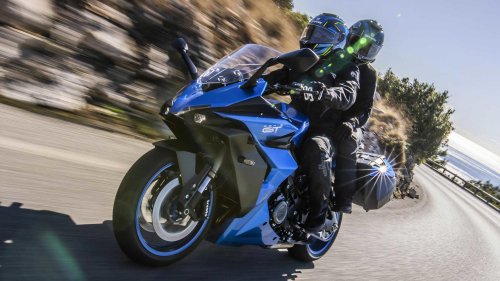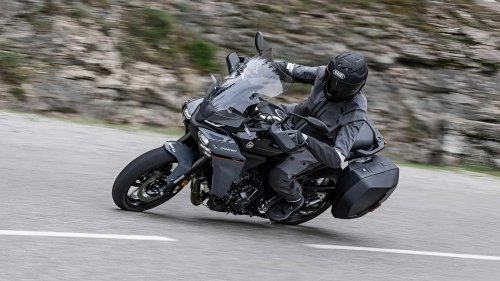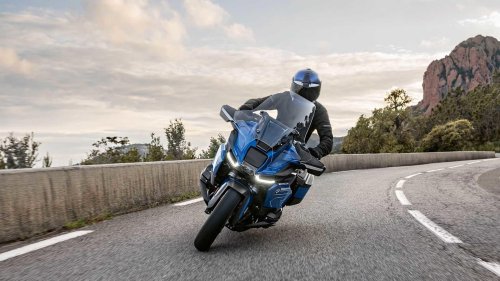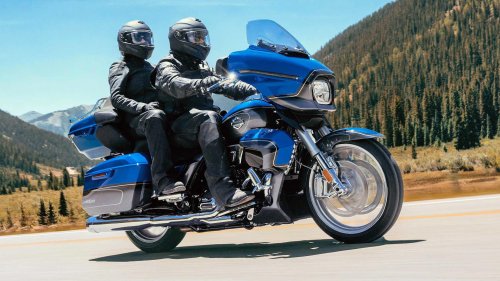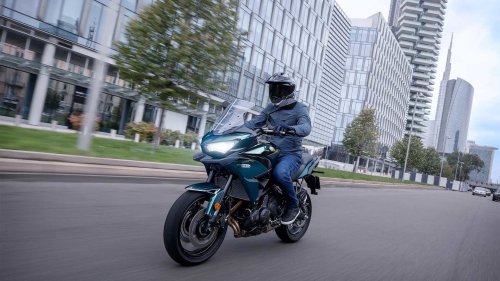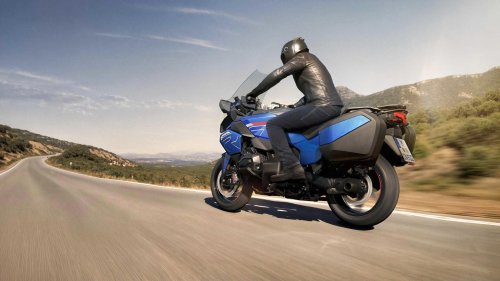
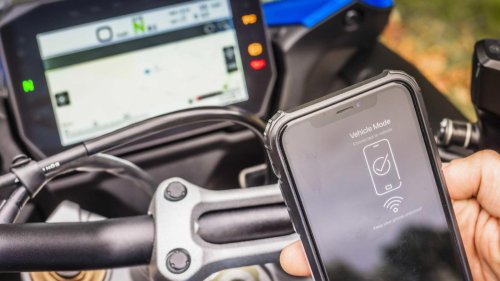
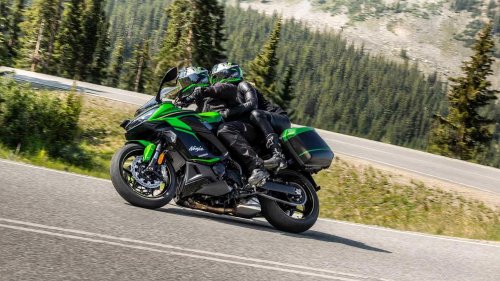
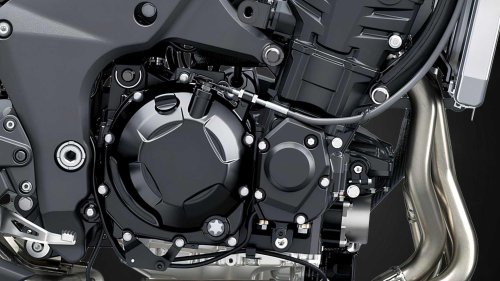
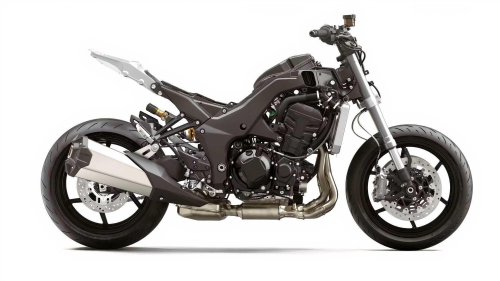
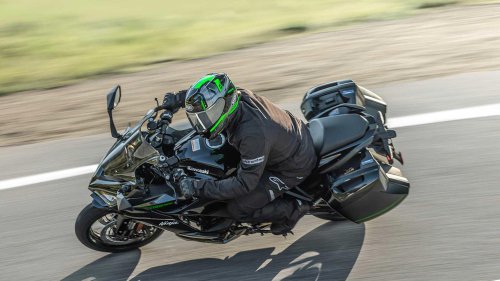
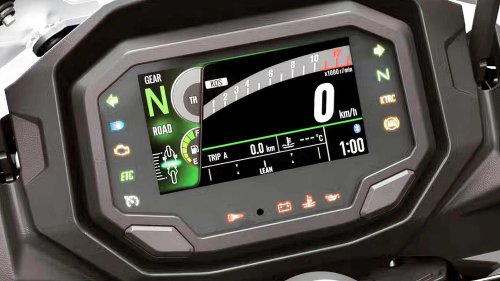
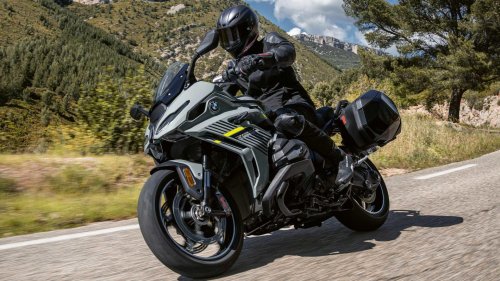
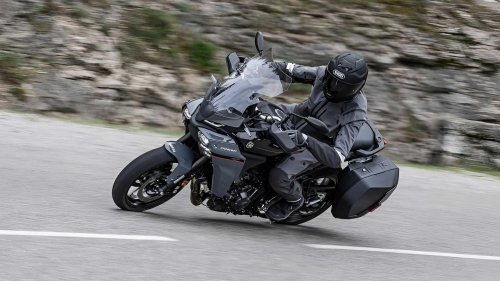
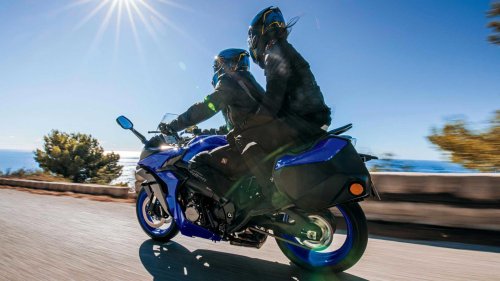


















Most riders who cover serious distances on a sporty touring motorcycle will tell you the spec sheet stops mattering somewhere past the second fuel stop. They’ll also tell you that what actually counts is the torque that responds at the engine speeds where sustained riding actually happens, not at the redline that most riders rarely get the chance to hit on public roads. A machine that pulls cleanly through the mid-range removes a rider's input that compounds into fatigue during a long day. One that demands constant gear-work to stay in the ideal powerband does exactly the opposite. If you agree, this Kawasaki is what we'd recommend. What Separates A Genuine Distance Machine From A Well-Marketed One BMWBikes that address torque delivery, suspension compliance, and ergonomics together, without requiring a step into premium pricing, make a short list. A proper distance machine should make long stretches feel manageable rather than something to endure, and below $16,000 that shortlist narrows quickly once heated grips, a bidirectional quickshifter, and Öhlins-grade rear suspension are treated as baseline rather than upgrades.Suzuki Cycles Electronics belong in the same category, with cruise control that releases cleanly with brake input, cornering aids that operate undetected in the background, and a quickshifter that cooperates through urban traffic as consistently as it does at open-road speeds, all of which contribute to how fresh the rider ends the ride.Honda Suspension compliance earns its place for the same reason. A setup calibrated for corner-carving precision will relay every road imperfection to the rider on degraded surfaces that appear without warning on any extended run. Finally, ergonomics completes the picture, since a windscreen that generates turbulence at the helmet translates to wind noise and neck tension well before the rider consciously identifies them as a hardware problem. The Kawasaki Ninja 1100SX SE ABS Doesn't Wear You Down KawasakiKawasaki increased the Ninja SX platform's displacement from 1,043cc to 1,099cc specifically to improve low-to-mid-range pull. No replacement for displacement, as they say, and this is The Big Green putting the age-old formula into practice. Peak output dropped from 140 hp on the Ninja 1000SX to 134 hp, and the brand acknowledged that trade-off openly.At $15,799, the SE adds Brembo M4.32 front brake calipers with steel-braided lines, an Öhlins S46 rear shock with remote preload adjustment, and heated grips over the standard model. Accessory panniers, available as add-ons, are mounted neatly through a system that positions bags close to the centerline and detaches without tools, a massive benefit keeping both form and function in tandem. An Engine Built To Cruise, Not To Impress At A Standstill KawasakiThe power drop is the elephant in the room. Kawasaki's 3.3 mm stroke increase and narrowed intake ports push the power delivery into the range where sustained riding accumulates. Thus, the 134 hp is made at 9,000 rpm alongside 83.2 lb-ft of torque at 7,600 rpm. That means fifth-gear roll-ons at highway speed are possible without a downshift. Longer fifth and sixth gear ratios hold cruising revs between 4,000-5,000 rpm at freeway pace, keeping heat and vibration below the threshold where either doesn't translate into fatigue over a full day.A 3 percent heavier flywheel gives the delivery a linear character rather than the urgency of more performance-focused inline-four Kawasakis. Elsewhere, the bidirectional quickshifter now operates from a minimum of 1,500 rpm, down from 2,500 rpm on the previous unit. That lower threshold means the gearbox cooperates in urban environs as consistently as it does on open roads. Suspension And Ergonomics That Hold Up For Miles KawasakiA 41mm inverted Showa fork handles front suspension duties with independent compression and rebound damping adjustment alongside spring preload. The SE's Öhlins S46 rear shock provides 5.4 inches of travel through Kawasaki's horizontal back-link layout, with a remote preload adjuster accessible without stopping. That horizontal mounting position concentrates mass centrally, keeping the chassis composed over degraded surfaces that can’t be accounted for on a longer journey.Curb weight is 518 pounds, but the twin-spar aluminum frame's mass centralization means the bike responds with less physical effort than that figure implies. The 32.3-inch seat height places most riders with both feet down at stops without being cramped. When seated, the four-position adjustable windscreen deflects wind away from the chest rather than redirecting turbulence toward the helmet. It’s an often overlooked quality that makes itself apparent when the rider's neck starts to tense due to a smaller screen to compensate, because this is an area where speed and comfort are desired side-by-side. Tech That Reduces The Rider's Workload KawasakiA six-axis IMU underpins cornering ABS through the Kawasaki Intelligent Anti-lock Brake System alongside three-mode Kawasaki Traction Control. Sport, Road, and Rain ride modes come preset, with a Rider mode allowing independent adjustment of the power map and traction control threshold. The Kawasaki Cornering Management Function monitors chassis orientation throughout a corner and modulates inputs without announcing itself. Standard electronic cruise control holds speed with a button press and cancels cleanly with brake input. How The Tech Keeps You Fresh Past The Halfway Point KawasakiThere’s more thoughtful tech on the 1100 SX SE, like a handlebar-mounted USB-C outlet that keeps devices charged. Smartphone connectivity through “Rideology The App Motorcycle”, which supports voice commands via Bluetooth. The heated grips cover the full grip circumference across two temperature settings (a practical detail on cold, early-morning departures). Taken together, these additional tech features on the SE reduce the number of decisions the rider has to make on the go, shifting attention from the ride itself, which is exactly what reduces fatigue as the miles add up. The 2026 Kawasaki Ninja 1100SX SE ABS Holds Well Against Rivals BMW Motorrad What about rivals? Well, there are quite a few. But the Ninja 1100SX holds its own. For starters, the 2026 BMW R 1300 RS at $16,995 delivers 145 hp and 110 lb-ft of torque from a 1,300cc boxer twin. Heated grips are not standard at that price, and luggage is additional, which pushes the cost above the sticker.Yamaha Motorsports Then, the Yamaha Tracer 9 at $12,599 with its color-matched hard saddlebags as standard equipment, is the sharper handler, but it produces 14.5 lb-ft less torque than the Ninja at the speeds where long-haul roll-ons matter more, and it ships without heated grips or a quickshifter.Suzuki Cycles The biggest rival comes in the form of the Suzuki GSX-S1000GT+. It undercuts the Ninja 1100SX SE and boasts saddlebags as standard. However, this has a superbike liter-class engine under the skin, which should require more upkeep than the Ninja's really understressed powerhouse. The platform also hasn't had a notable update in several years now.