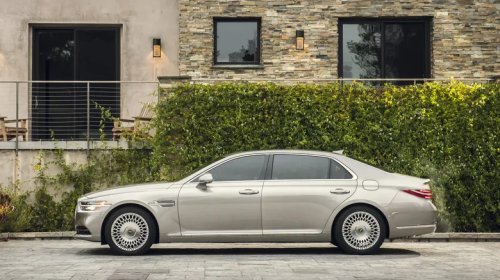
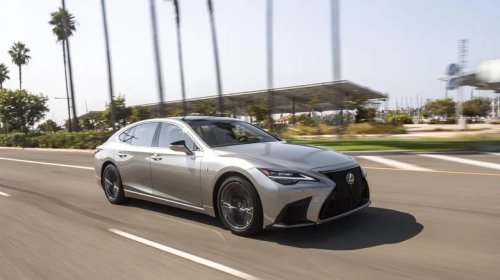
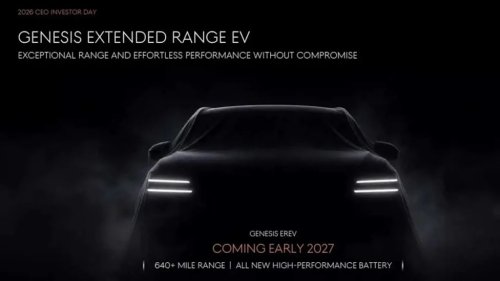
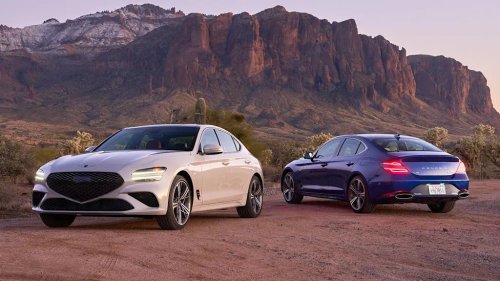
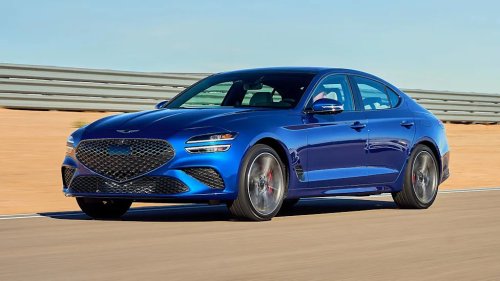
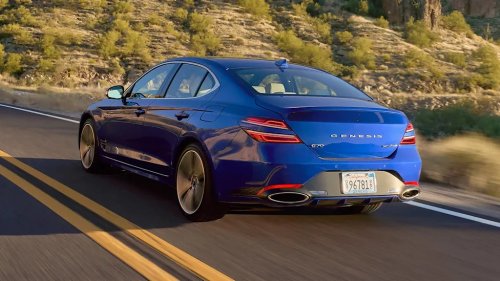
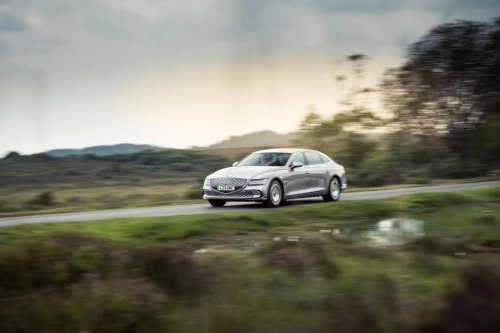
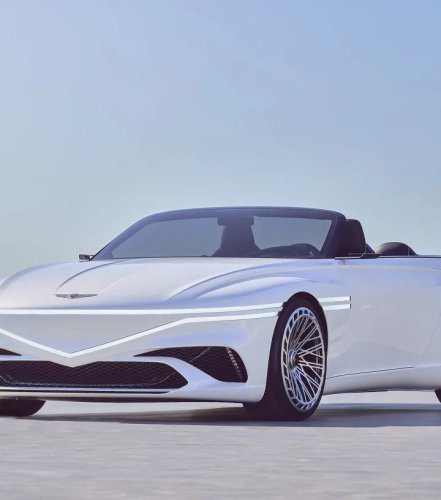
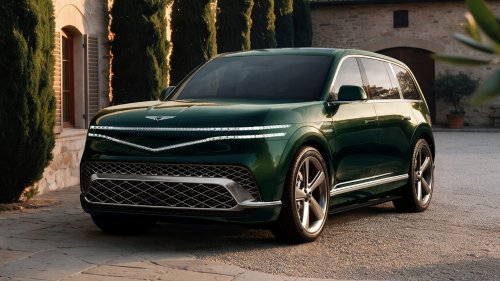
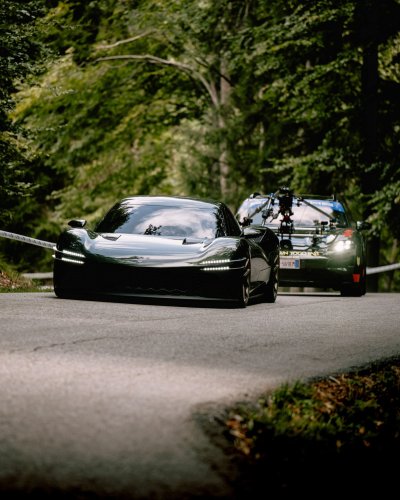
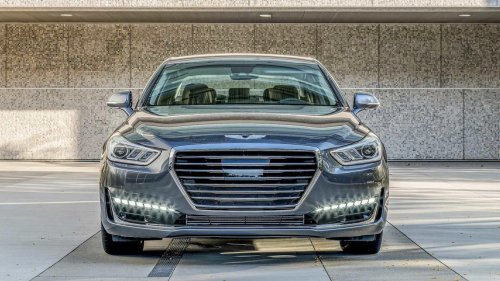
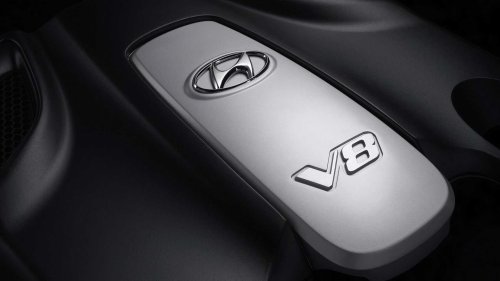
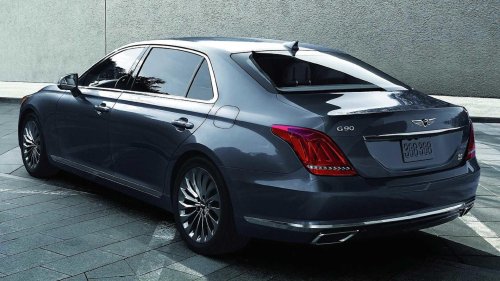
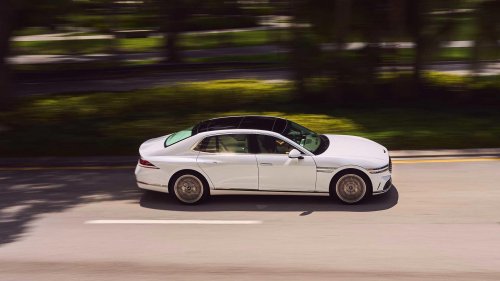
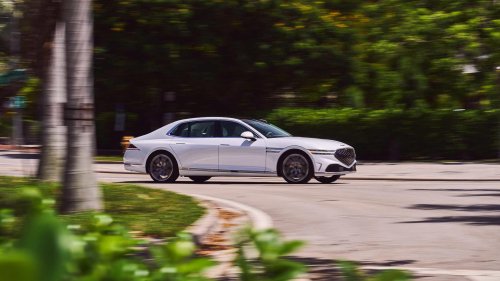
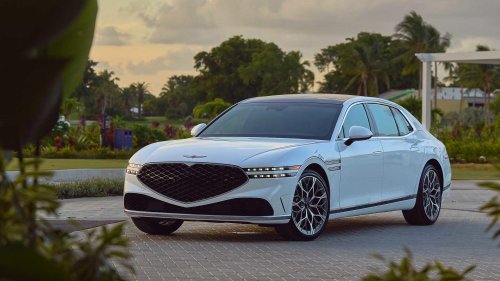
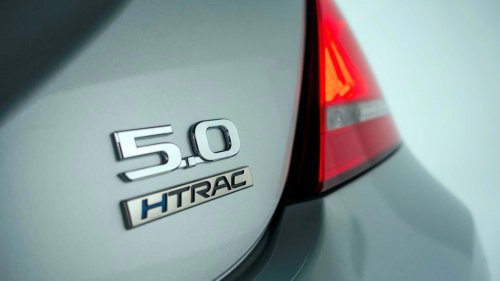
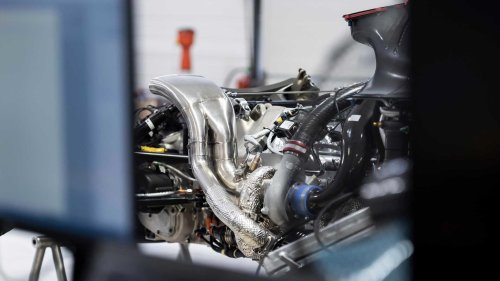
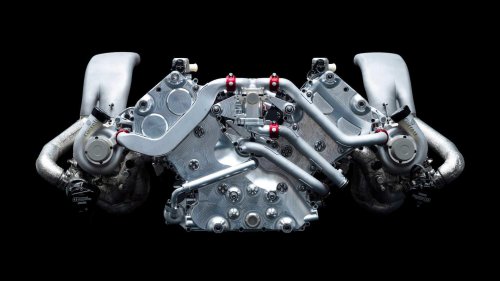
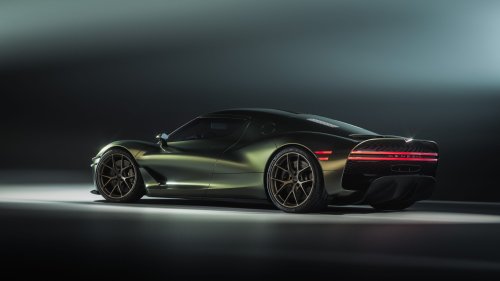
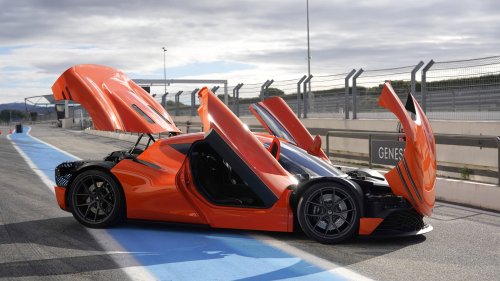
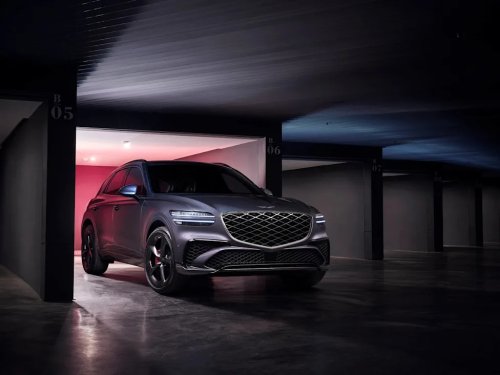
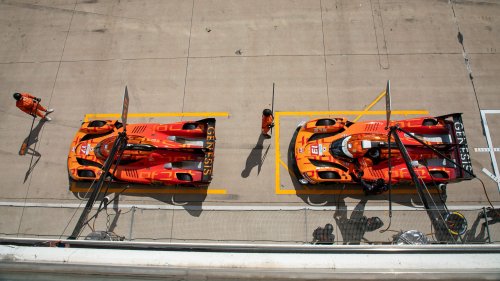
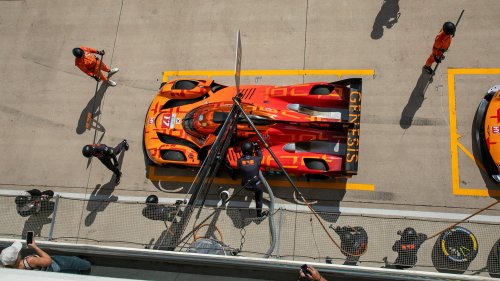
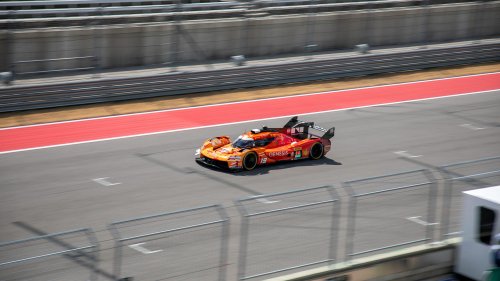
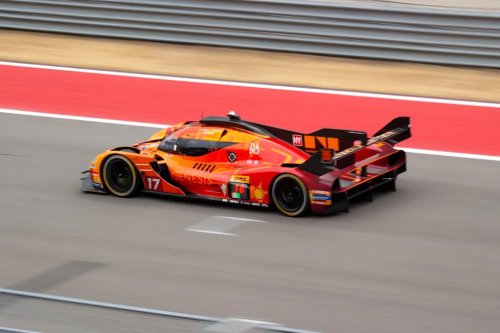
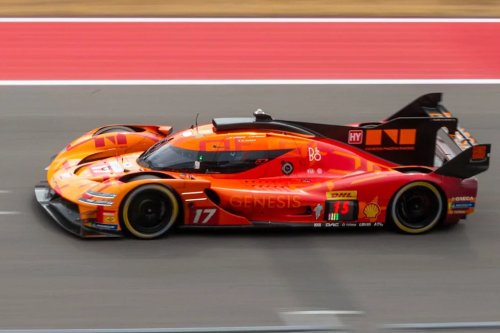
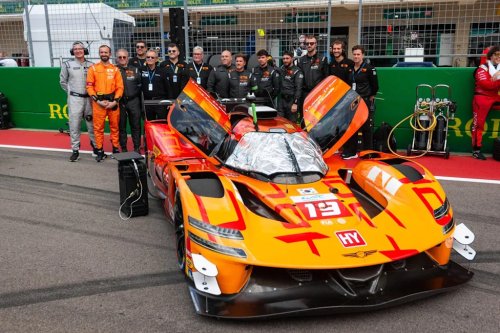
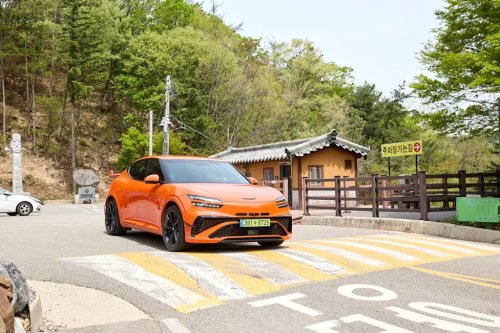
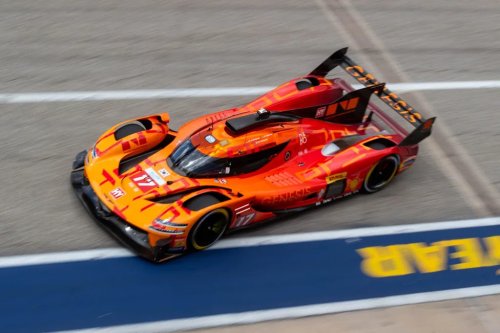
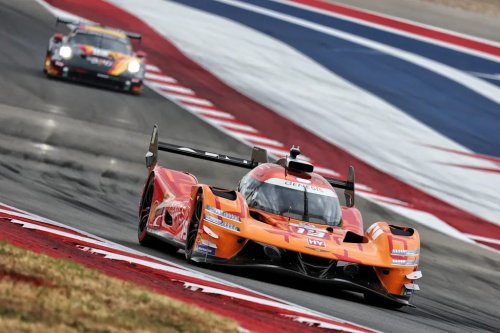
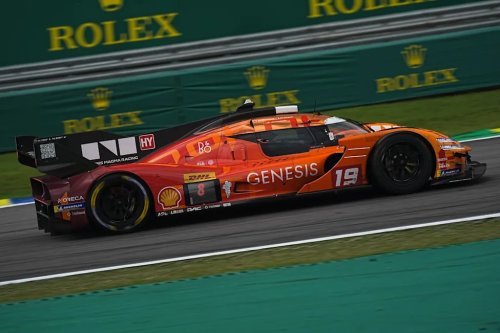
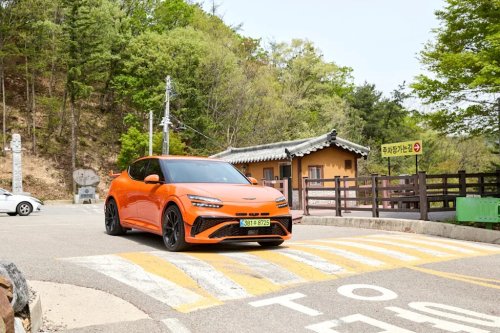
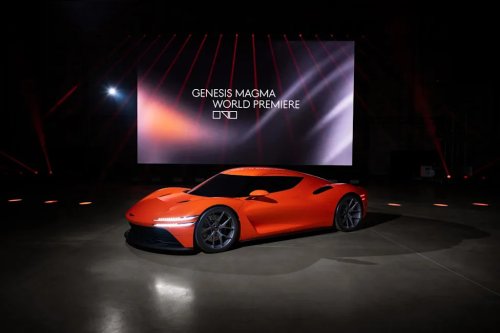
By the time Genesis officially launched as a standalone brand in the US, Lexus had been selling cars here for 27 years. Though three decades and many model lifetimes separate the launch of these two luxury brands, one part of the story is remarkably familiar: both the 1989 Lexus LS 400 and 2017 Genesis G90 would hit the market as top-tier flagship sedans, engineered to challenge the world's best and most-established nameplates with a flagship-level V8 engine as the star of the show.Genesis Like Lexus before them, Genesis used the V8 engine as a statement of their desire to challenge segment leaders. Without decades of heritage behind it, the Genesis V8 – if executed correctly – could rapidly generate credibility. Below, we're digging into the rise, evolution, and eventual departure of the Genesis V8 engine, and where things stand on a highly anticipated return to Genesis V8 power. Genesis Built Some Of The Best Modern V8s On The Road HyundaiThe first car to wear a Genesis badge was the Hyundai Genesis sedan, launched for the 2009 model year. Intending to challenge the likes of the BMW 7-Series and Lexus LS was no small feat, so a particularly impressive engine was required. To make the best impression possible on the American market, a free-breathing V8 engine was the name of the game.At the time, the Genesis Sedan was a means of letting a rapidly growing Hyundai brand flex some technological muscle on the world stage. With it, Hyundai was preparing the marketplace for a future range of increasingly upscale models that were still in the works.GenesisAt its launch, the 4.6-liter Tau V8 flaunted several technologies that laid the foundations for a smooth and potent performer. A low-friction design debuted Diamond-Like Carbon (DLC) coating on the valvetrain, as well as low-tension piston rings, attacking wasteful internal friction.Meanwhile, the dual variable valve timing system, while common today, was a means of maximizing engine breathing to help achieve 80 horsepower per liter without forced induction. Notably, early press materials on the development of the Tau V8 engine repeatedly reference a design that was intended to be "upgrade ready" for faster revs, turbocharging, and other high-performance options, should competitive pressures necessitate them.Hyundai spun Genesis off into its own brand, and the first Genesis-branded car on sale in the US was the 2017 Genesis G90. It launched with the next-generation Tau V8, delivering on the promise of an upgrade-ready engine family. The new 5-liter unit was a complete re-engineering of the predecessor; High-Pressure Gasoline Direct Injection (GDi) had now entered the chat. With it, the next-generation V8 was now running the day's latest fuel delivery tech, which helped engineers bump the compression ratio considerably, to 11.5:1.Now able to squeeze more power out of its fuel, the new, high-compression 5-liter Tau V8 was up on power considerably over its predecessor. A two-stage variable induction system further enhanced engine breathing performance at all rpms.The Genesis V8 engines not only made an impact on the market by providing an in-demand but increasingly rare all-motor V8 experience, they also earned a significant run of Wards 10 Best Engines recognition. The original 4.6-liter Tau V8 earned a place on the list in 2009 and 2010, and again in 2011 with the updated 5-liter variation.Now relegated to the history books, the Tau V8 engine family seems to have succeeded with its original mission: giving Hyundai (and later, Genesis) big credibility in the US market, and proving Korean luxury models could match global rivals on refinement, power, dependability, and sophistication. With no shortage of accolades along the way, the Genesis V8 helped reposition the brand upwards in the process. Mission accomplished. Then, Turbocharging Took Center Stage GenesisAs Genesis rolled out new and updated engines that adapted to changing market conditions, various engineering solutions and enhancements were applied to refine power delivery while improving output and efficiency. Customers were now less driven by cylinder count and more driven by the performance "bang" an engine could deliver for their fuel bucks.A new 3.3-liter twin-turbo V6 was the spiritual successor to the Tau V8. Bringing Genesis into the downsized and turbocharged universe, it featured an engine-cooled exhaust manifold cast directly into the cylinder head. This lowered exhaust gas temperatures to the benefit of performance and durability. Electronic wastegate actuators were on board, giving the ECU extreme precision control over boost levels for smoother power delivery. Like the Tau V8 before it, the new twin-turbo V6 earned repeat Wards 10 Best Engine Award wins, in 2017 and 2018.Genesis Next came the 3.5-liter turbocharged V6, ready for next-generation performance. A new "dual fuel injection" system combined both port injection (like the original Tau V8) with direct injection (like the 5-liter Tau V8) into a single powerplant.The new engine could now draw fuel from any combination of two injectors per cylinder to maximize efficiency, and the port injectors kept the intake valve clean, mitigating concerns about long-term valve-gunk buildup characteristic of some direct-injection engines. In some applications, the intercooler switched from air-to-air to a water-cooled setup, improving the performance of the turbocharger system with lower boost temperatures and reduced plumbing volume for more immediate throttle response.From that basis, the next evolution came in the form of advanced hardware enabled by a new 48-volt hybrid system. With increased response and fuel efficiency front and center, a 48-Volt Electric Supercharger (e-SC) was deployed as a lag killer, using a small electric motor to spin a small compressor that could provide boost pressure at rpms too low for the exhaust-gas turbos to be effective.Genesis Additionally, a Mild-Hybrid Starter-Generator (MHSG) provided additional electric response that also smoothed out the engine's start-stop system functionality.Though many mourned the loss of a Genesis V8 engine, the new turbocharged V6 family proved that downsizing didn’t mean downgrading on power, smoothness, or (especially) torque output. Each generation incorporated the latest fuel, cooling, and hybrid system tech, further adding to the brand's technological capabilities. The Numbers Prove The Mission GenesisThe technological advancements, taken as a whole, were all about giving shoppers the sort of performance and efficiency "wins" that were in high demand from premium cars. To see why Genesis phased out their V8 offerings, consider the following: the 2010 Hyundai Genesis Sedan made 378 hp, did 19 combined MPG, and would drink $3,640 worth of premium gas annually.The 5-liter Tau V8 that came next made 429 hp, an increase of 51 hp, without affecting its combined MPG rating or annual fuel cost. Put another way, the latest technologies allowed engineers to increase horsepower by 14 percent versus the previous engine, without any penalty at the pumps.Genesis The 3.5-liter T-GDi engine in the 2021 Genesis G80 delivers similar horsepower output to the 4.6-liter Tau V8 from a decade earlier, alongside a tremendous advantage in low-end torque, three extra miles per gallon, and an annual fuel cost of $3,150 with rear-drive. If you're counting, that's a $590 annual fuel savings at the pumps, complete with a big boost in throttle response compared to the V8 before it. In the 2021 Genesis G80, the latest V6 with e-Supercharger was delivering eight percent more torque than the mighty 5-liter Tau V8 a decade earlier, while drinking $500 less fuel annually, according to EPA data. Is A Genesis V8 Comeback In The Works? GenesisLooks like fans of the Genesis V8 won't have to wait for a modern-day return to V8 power. We've previously reported on camo-clad prototypes of yet-to-launch high-performance Genesis models with a distinctive V8 soundtrack following them around. Every Genesis model will get a Magma go-fast variation, and we know that Genesis is working on a GT Supercar that could be the first of several Magma halo cars.What's under the hood remains under wraps for now, but could be a V8 engine based on the one in development for the GMR-001 Hypercar, which will take Genesis Magma Racing into the FIA World Endurance Championship in 2026 and IMSA SportsCar Championship in 2027.Sources: Genesis, Hyundai, EPA
























![Genesis, Here's what all the Genesis GV90 colors look like in person [Video]](https://cdn.topcarnews.net/thumb/id/aHR0cHM6Ly9pMC53cC5jb20vZWxlY3Ry-ZWsuY28vd3AtY29udGVudC91cGxvYWRz-L3NpdGVzLzMvMjAyNi8wOC9HZW5lc2lz-LUdWOTAtY29hY2gtZG9vci1pbWFnZS5q-cGVnP3c9MTUwMCZhbXA7cXVhbGl0eT04-MiZhbXA7c3RyaXA9YWxsJmFtcDtzc2w9-MQ/d2154115ddb5be8c5f29a480c0279ef4.jpeg?t=20260926&post_id=59447)
![Genesis, Here's what all the Genesis GV90 colors look like in person [Video]](https://cdn.topcarnews.net/thumb/id/aHR0cHM6Ly9lbGVjdHJlay5jby93cC1j-b250ZW50L3VwbG9hZHMvc2l0ZXMvMy8y-MDI2LzA4L0dlbmVzaXMtR1Y5MC1leHRl-cmlvci1jb2xvci1vcHRpb25zLmpwZWc/49fa28d133636f9df274a6eab6251225.jpeg?t=20260926&post_id=59447)
![Genesis, Here's what all the Genesis GV90 colors look like in person [Video]](https://cdn.topcarnews.net/thumb/id/aHR0cHM6Ly9pMC53cC5jb20vZWxlY3Ry-ZWsuY28vd3AtY29udGVudC91cGxvYWRz-L3NpdGVzLzMvMjAyNi8wOS9HZW5lc2lz-LUdWOTAtY29sb3JzLTMuanBlZz9zdHJp-cD1pbmZvJmFtcDt3PTE0MDAmYW1wO3Nz-bD0x/48c60b0e4a90502fafc973a627041393.jpeg?t=20260926&post_id=59447)
![Genesis, Here's what all the Genesis GV90 colors look like in person [Video]](https://cdn.topcarnews.net/thumb/id/aHR0cHM6Ly9pMC53cC5jb20vZWxlY3Ry-ZWsuY28vd3AtY29udGVudC91cGxvYWRz-L3NpdGVzLzMvMjAyNi8wOS9HZW5lc2lz-LUdWOTAtY29sb3Itb3B0aW9ucy5qcGVn-P3N0cmlwPWluZm8mYW1wO3c9MTQwMCZh-bXA7c3NsPTE/1ef7d000f533d8e2fb732d31869daf3e.jpeg?t=20260926&post_id=59447)
![Genesis, Here's what all the Genesis GV90 colors look like in person [Video]](https://cdn.topcarnews.net/thumb/id/aHR0cHM6Ly9pMC53cC5jb20vZWxlY3Ry-ZWsuY28vd3AtY29udGVudC91cGxvYWRz-L3NpdGVzLzMvMjAyNi8wOS9HZW5lc2lz-LUdWOTAtY29sb3JzLTIuanBlZz9zdHJp-cD1pbmZvJmFtcDt3PTE0MDAmYW1wO3Nz-bD0x/255af6546a43efa41b569fe06843aff7.jpeg?t=20260926&post_id=59447)
![Genesis, Here's what all the Genesis GV90 colors look like in person [Video]](https://cdn.topcarnews.net/thumb/id/aHR0cHM6Ly9lbGVjdHJlay5jby93cC1j-b250ZW50L3VwbG9hZHMvc2l0ZXMvMy8y-MDI2LzA4L0dlbmVzaXMtR1Y5MC1sdXh1-cnktU1VWLmpwZWc/2e7bbf058d81de34c658204d541afdac.jpeg?t=20260926&post_id=59447)