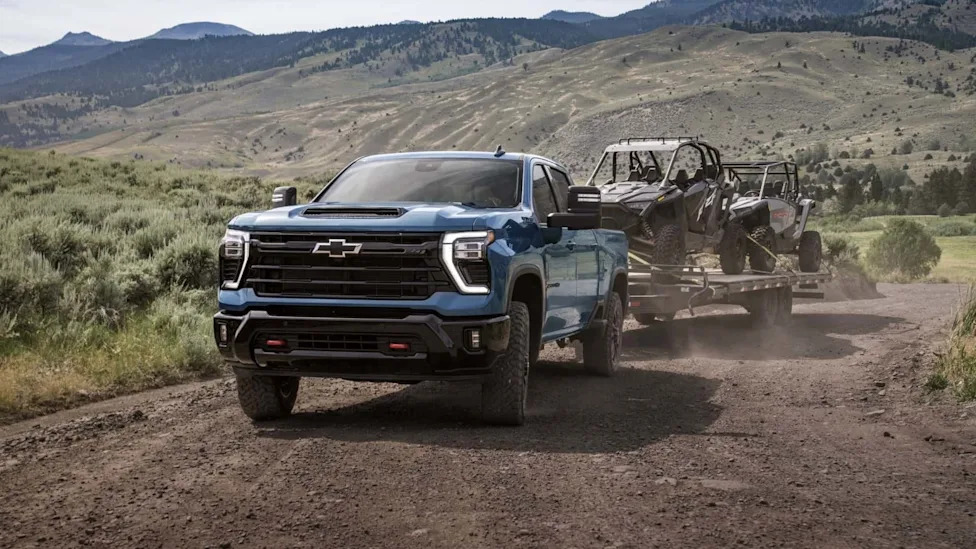
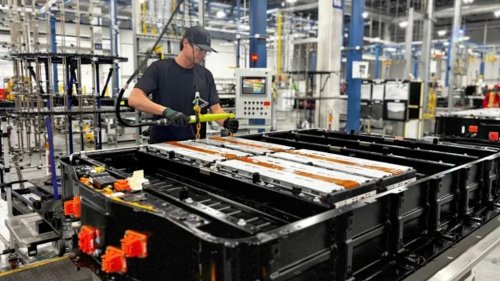
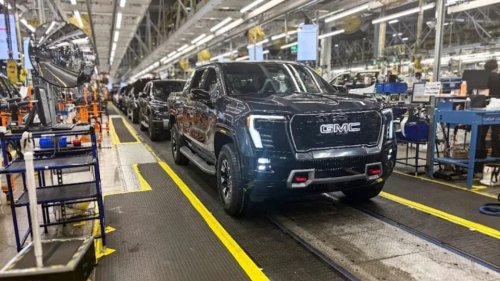
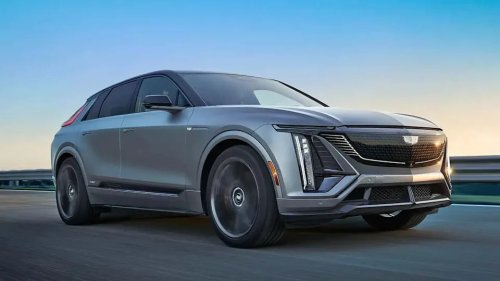
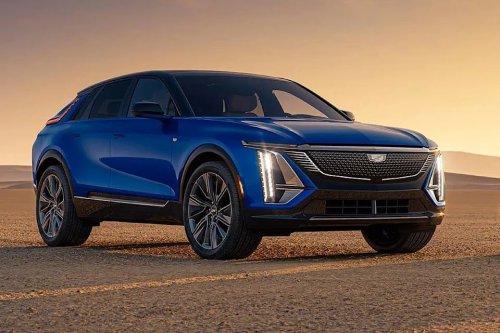
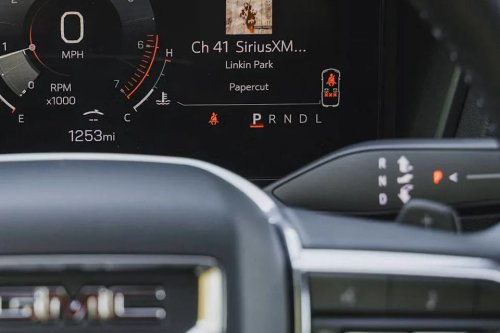
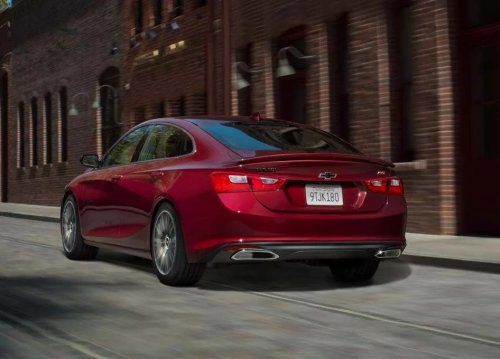
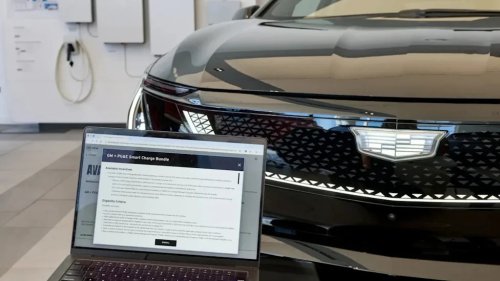
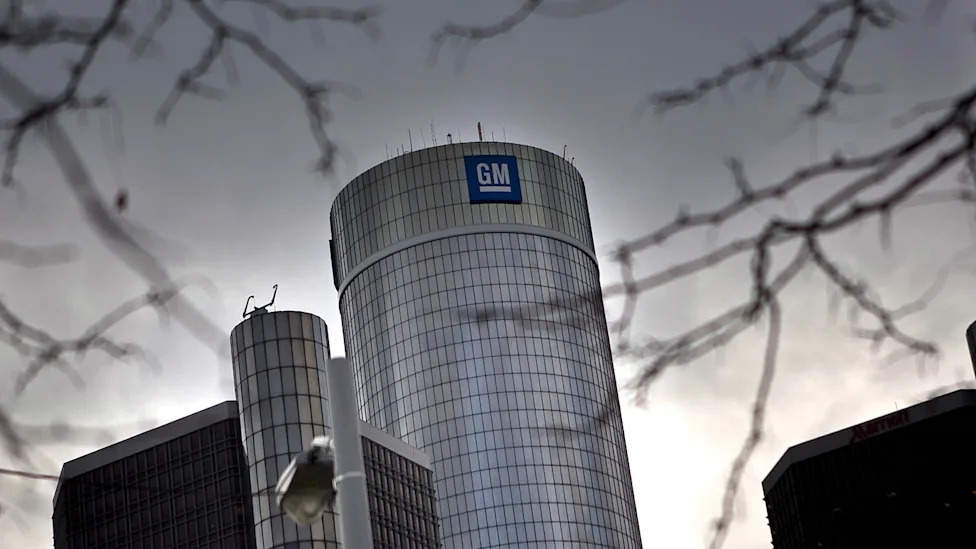
It's not enough for automakers to focus their energy on making great cars and trucks these days. "Digital services" are fast becoming a top priority, as management now sees potentially higher profit margins by offering compelling features that customers will keep paying for, month after month. Just how far will people go to pay for car features that may have started out being free? That's the literal billion-dollar question at the moment.Jared Rosenholtz/CarBuzz/ValnetIf an automaker sees maybe 10% net profit margins on a car it builds, it might earn gross margins exceeding 70% for connectivity packages and autonomous driving tech, by some estimates. This explains why the auto industry is hyper focused on software-defined vehicles that make these services more readily available.This also explains why General Motors CEO Mary Barra discussed the topic at length with analysts this morning during a call focused on first-quarter financial results, which were reasonably positive. Beyond the US and Canada, Barra said these new "durable, reoccurring, digital revenue streams" have now reached 20 other markets, including Mexico, Brazil, China, South Korea, and the Middle East. "We are on pace to add more than one million OnStar subscribers in 2026, with about 30% of our existing customers choosing a premium plan," Barra said. If People Keep Subscribing, GM Will Keep Charging ChevroletGM Chief Financial Officer Paul Jacobson called OnStar an "underappreciated asset that is growing" and adding to the bottom line, to the tune of $750 million in Q1, up over 20% year over year. For the calendar year, he said GM expects $3.1 billion of recognized revenue from digital services, up 15% year over year."We are on track to reach 13 million subscribers by the end of 2026, up by 1 million year over year, with a monthly average revenue per subscriber of around $20."–GM CFO Paul JacobsonThe OnStar business includes the Super Cruise driver-assist tech that debuted in 2018 and is expected to have more than 850,000 subscribers by year's end, with nearly 40% of customers renewing after a three-year trial. "So we're very optimistic about what that means," Jacobson said.By 2028, GM expects to launch its software-defined vehicle ("SDV 2.0") platform in the all-electric Cadillac Escalade iQ to inch closer to autonomous driving with hands-free and eyes-off capability. In response to an analyst question, Jacobson said GM expects these revenues will continue growing when SDV 2.0 launches.Tom Murphy / CarBuzz / Valnet "We might have a lower average revenue per unit today than, say, Tesla does, but we already have significantly higher volume, higher deferred revenue, more realized revenue, and that's where the real scale benefit comes across the portfolio," he said, calling digital services a "really influential piece of the business going forward."This all assumes that automotive consumers find value in GM's digital services and are willing to continue paying for them. "Subscription fatigue" is very real in other sectors of the economy, and some estimates find roughly half of US adults have canceled a subscription in the past 12 months, partly due to increasing prices. But if GMs numbers are any indication, its customers aren't that opposed to paying monthly fees for car features despite the perceived hatred for such things. What About Subscription Fatigue? GMCSo automakers like GM need to tread lightly and realize that consumers who paid for remote start or heated seats or blind-spot monitoring when they purchased a car may take offense at having to pony up every month just to keep those features working. An analyst also asked if GM sees an opportunity to offer subscription services to the 35 million other GM vehicles on the road, beyond the current 13 million subscribers.Jacobson said many of the vehicles on the road today don't have the necessary hardware to enable services like Super Cruise. But he also said the goal is "to get the cost down" so the technology is more accessible at the lower end of the car market.Barra described the digital services business as "not cyclical, and we're advancing automated driving technology in a way that separates GM from other companies."The automaker posted $43.6 billion in Q1 revenue and $4.3 billion of adjusted earnings before interest and taxes. The company reported Q1 incentives as a percentage of MSRP at 4.4% (below the industry average of 6.6%) and disclosed Q1 average transaction prices of $52,000. For the calendar year, GM said it expects adjusted EBIT between $13.5 billion and $15.5 billion. Late this year, GM will also reveal its all-new family of full-size pickups.




















 +54 others