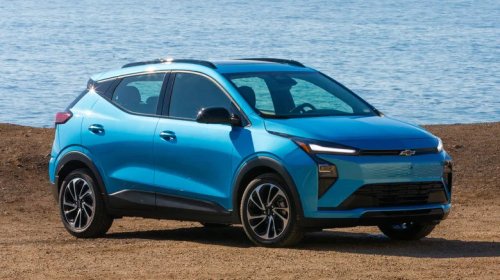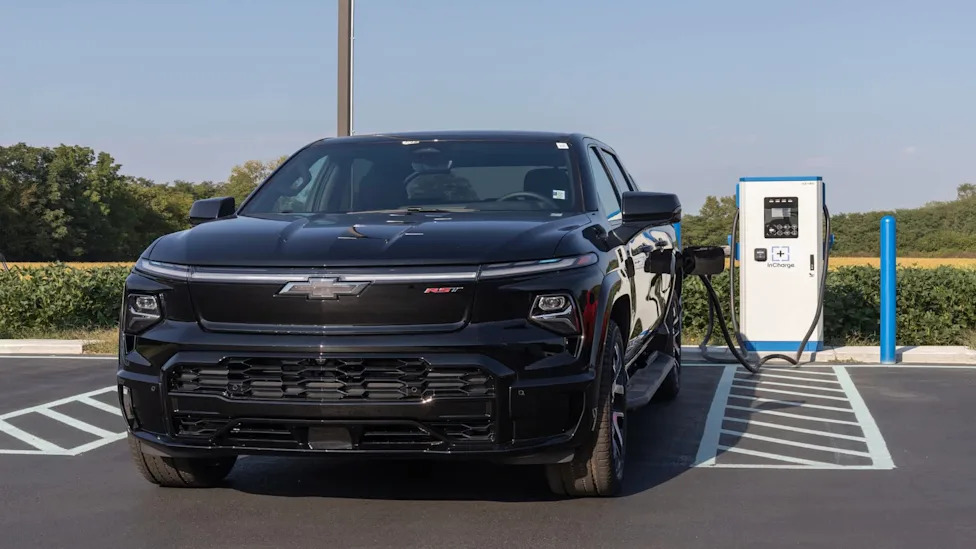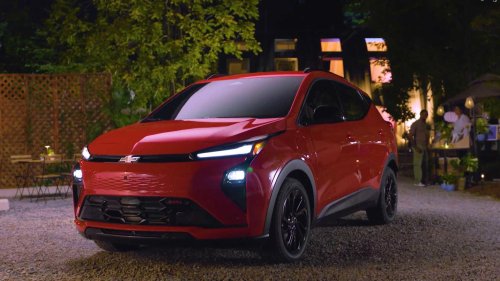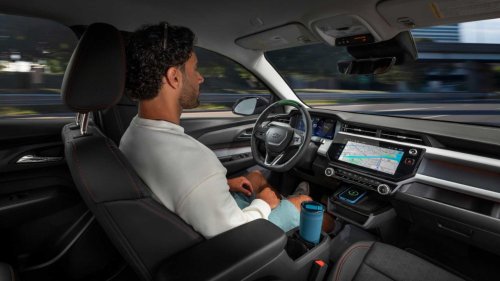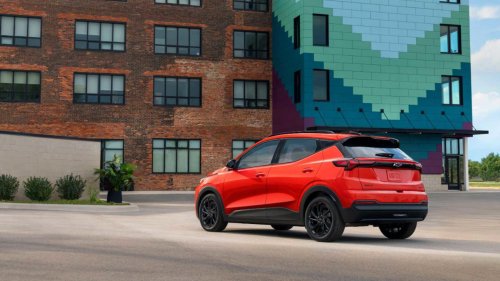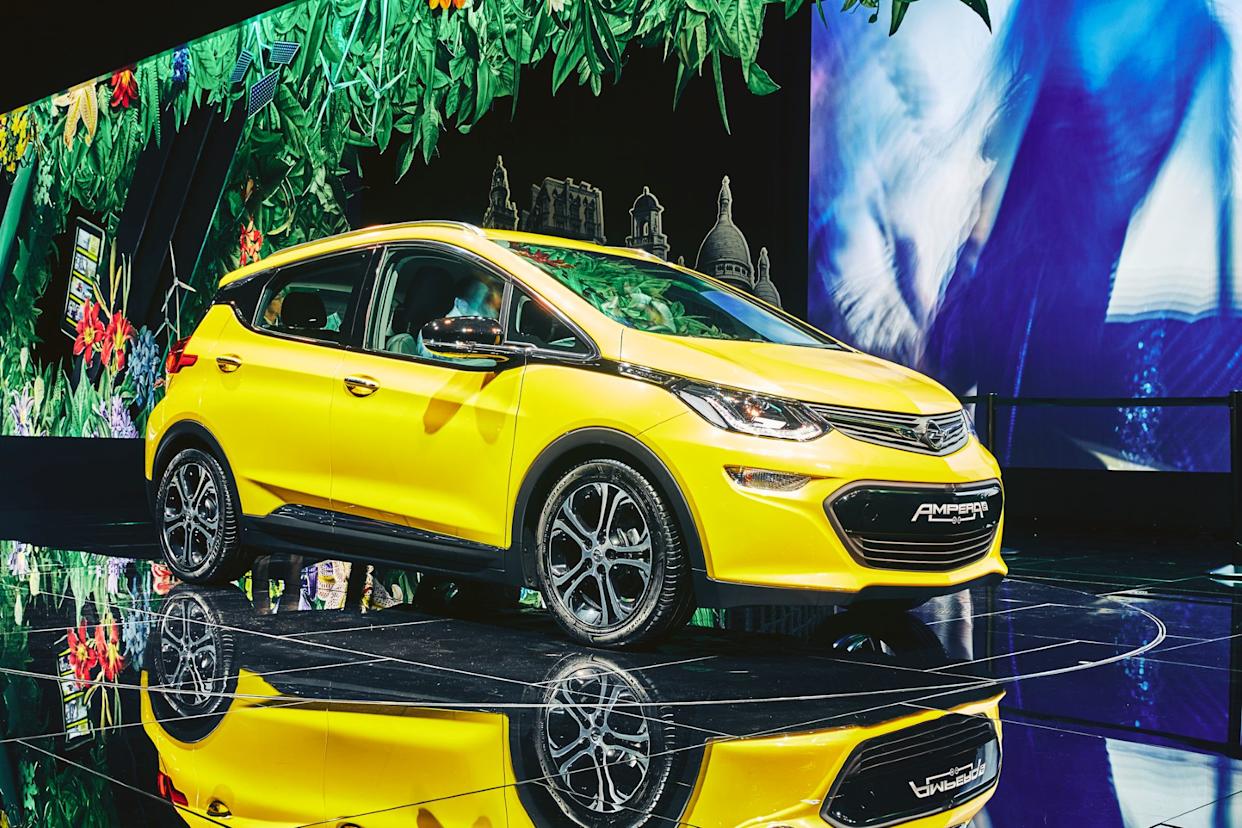



















Photo Credit: iStockGeneral Motors is facing backlash from European owners of the Opel Ampera-e, the region's version of the Chevy Bolt EV, after the company's connected-services shutdown stripped away basic features drivers paid for.In a Reddit post describing the situation, owners of the vehicle accused GM of effectively turning still-functional electric cars into "offline bricks" by ending OnStar support, depriving many owners of security and maintenance features.The original poster wrote, "Thousands of owners have lost remote climate control, charging monitoring, and API access — features we paid for. While U.S. Bolt owners still enjoy these services, European owners are left with 'dumb' EVs in 2026. We aren't asking for a miracle, just API access or a local software fix to regain control of our cars."AdvertisementAdvertisementThe poster then linked to a petition to reverse the move, called "Don't leave us in the dark: GM, restore connectivity for European Opel-Ampera-e owners." As of May 12, the petition has over 400 verified signatures.According to the post on r/electricvehicles, owners say the issue began after GM sold Opel to Stellantis. The poster said OnStar services for the EV in Europe were then shut down.The cars still drive, but drivers say they've lost the connected tools that made the EV more useful in everyday life. And since Bolt EV drivers in the United States reportedly still have access to similar services, the move to shut off access to these features has enraged the European owners of the Opel Ampera-e.Commenters described the decision as a warning sign for all cloud-connected cars. One person warned that buyers of vehicles with cloud-based features are a corporate decision away from a dumb car, while others urged owners to file complaints under European right-to-repair and consumer-protection rules.AdvertisementAdvertisementThe situation also raises broader questions about ownership in the software era. If features depend on a company's servers, subscriptions, or app support, drivers may not truly control products they bought outright. Critics say that is especially troubling for expensive products like cars, which people expect to keep for many years.Get TCD's free newsletters for easy tips, smart advice, and a chance to earn $5,000 toward home upgrades. To see more stories like this one, change your Google preferences here.