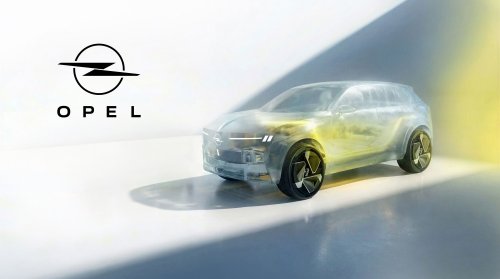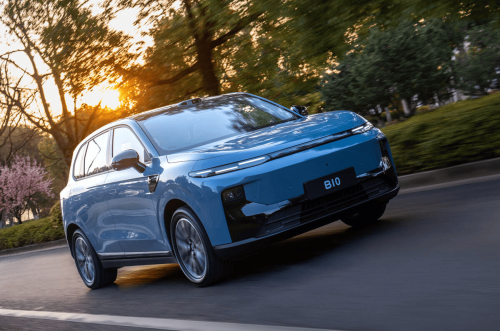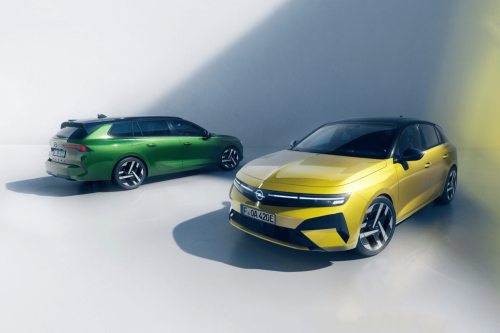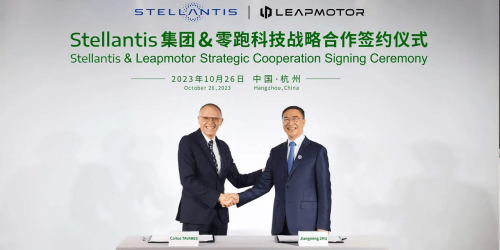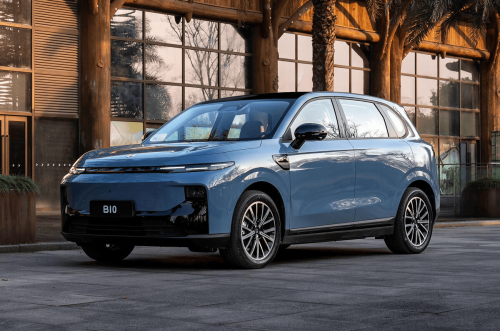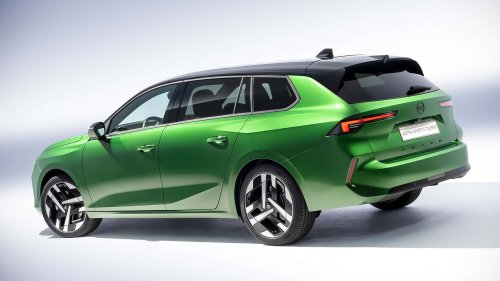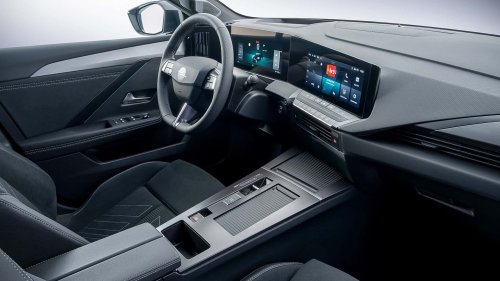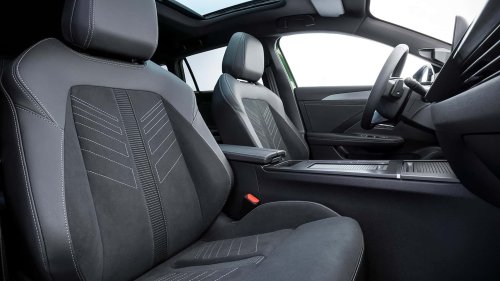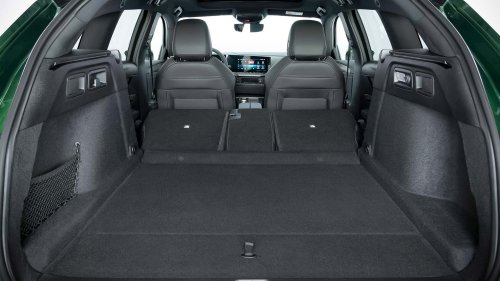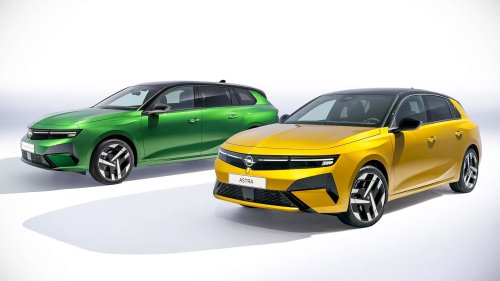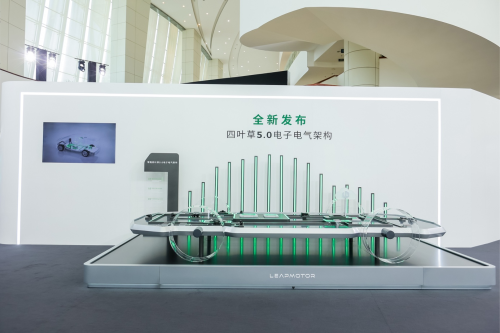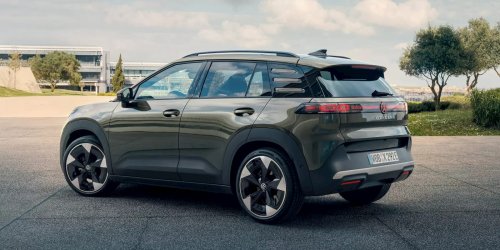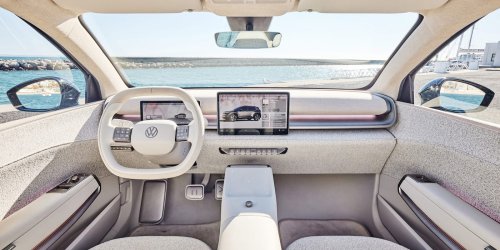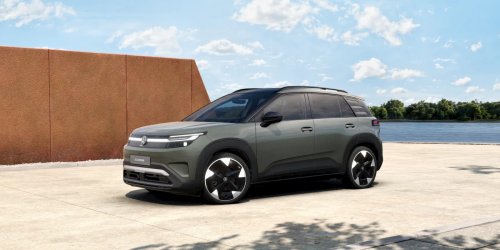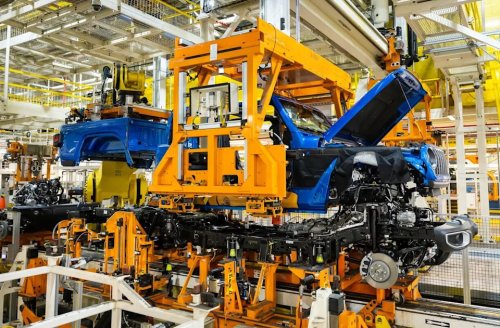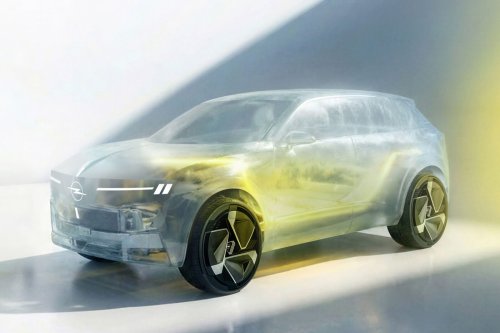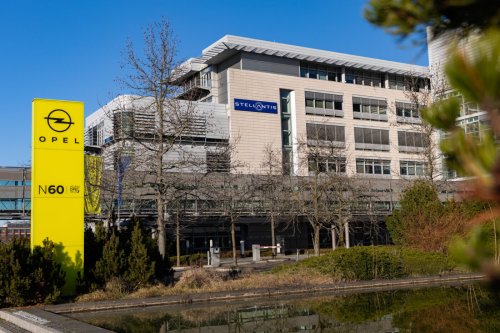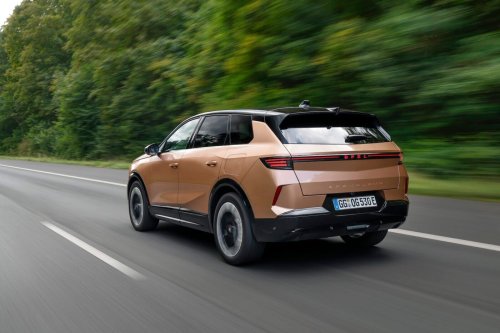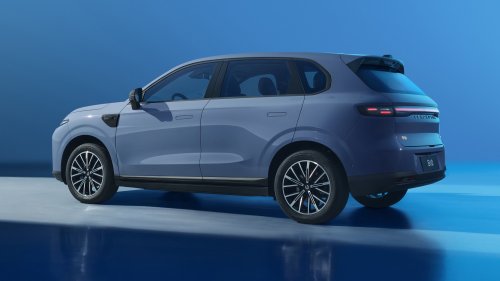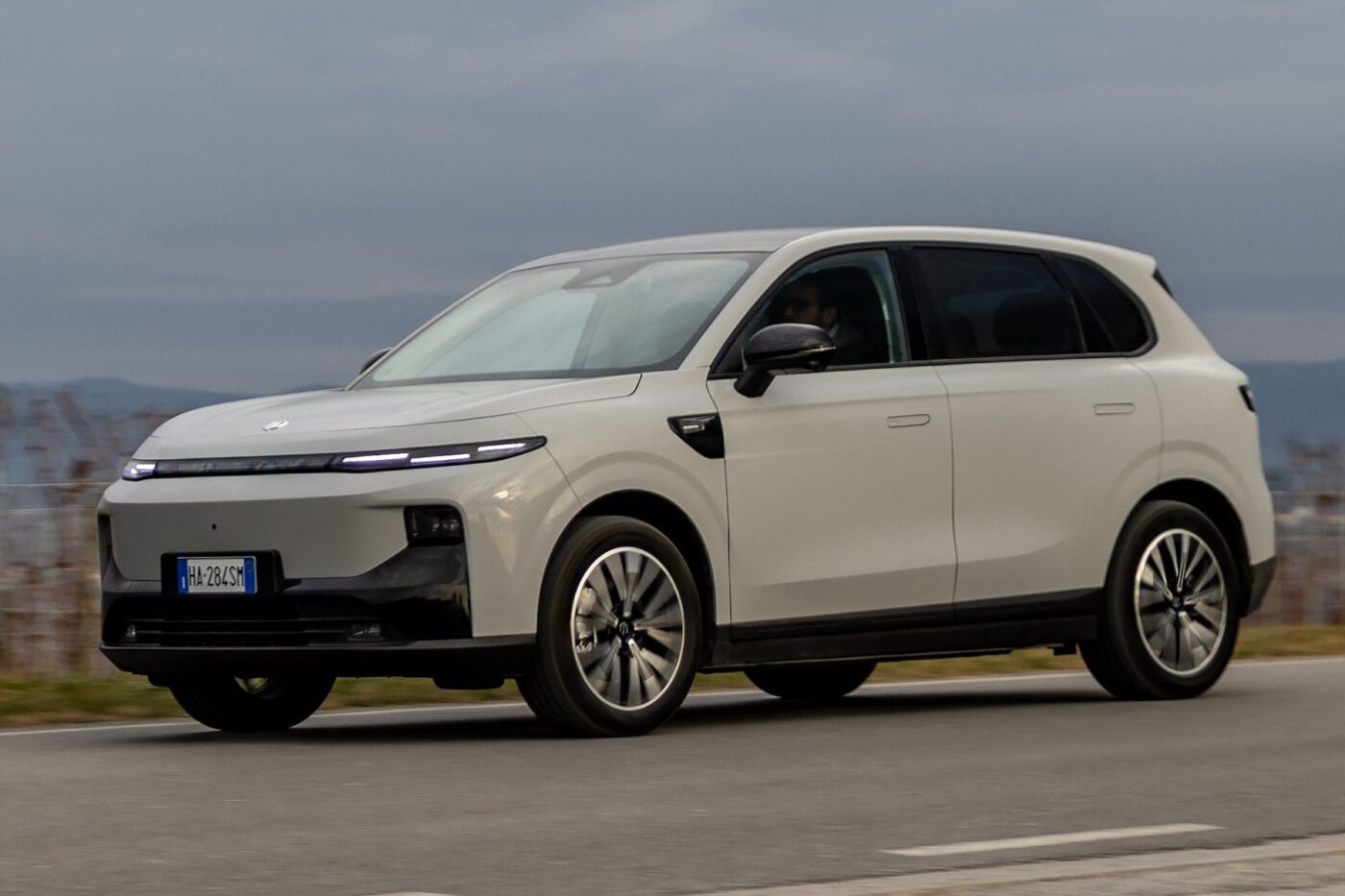



















Leapmotor B10Image: StellantisRecent reports suggest that Stellantis and Leapmotor are strengthening their partnership. For instance, Leapmotor is currently considering producing electric vehicles at a mothballed Stellantis plant in Canada. Earlier in March, the partners confirmed that production of the Leapmotor B10 would begin in the second half of the year at Stellantis’s plant in Zaragoza. For weeks, speculation has also been rife that Stellantis may adopt Leapmotor’s electric vehicle technology to reduce costs for its European mass-market brands, such as Fiat, Opel, and Peugeot.These two developments now appear to be converging: Reuters has learned from three insiders that Stellantis is in advanced talks with Leapmotor to develop a battery-electric SUV for its German brand Opel. The vehicle would utilise Leapmotor’s technology and be built at the Stellantis plant in Zaragoza. The Opel model would share the same platform as the Leapmotor B10, a compact family SUV that has been available in Germany since September.Under the partnership, Opel/Stellantis would handle the design, while Leapmotor would supply key technologies and components, including electronic and electrical systems. It remains unclear whether the result will be a largely independent model or merely an example of ‘badge engineering’, where an existing model is rebranded with minimal changes. Reports of an Opel version of the B10 first emerged last October.Regardless of the approach, such a deal would offer significant synergies. Following its strategic shift and a multi-billion euro write-down to its electric vehicle business, Stellantis has refocused on developing internal combustion models and plug-in hybrids, while Leapmotor’s EV technology is more advanced. Leveraging this technology would substantially reduce development costs for Stellantis. Additionally, the deal could improve capacity utilisation at the Zaragoza plant, and both vehicles – the Leapmotor B10 and a future Opel sister model – could potentially be produced on the same assembly line, further lowering manufacturing costs.According to the Reuters report, insiders currently expect production of the Opel SUV with Leapmotor technology (codenamed: O3U) to begin in 2028, with an annual target of 50,000 units. Furthermore, the collaboration may not be limited to a single Opel SUV on the Leapmotor platform; a new Alfa Romeo model could also be developed and built in Zaragoza.Stellantis acquired a roughly 20 percent stake in Leapmotor in 2023. The two automakers also established the joint venture Leapmotor International, which is responsible for globalising the Chinese brand and, among other things, facilitated its European launch in autumn 2024. In this joint venture, Stellantis holds a 51 per cent stake, while Leapmotor holds the remaining 49 per cent.reuters.com