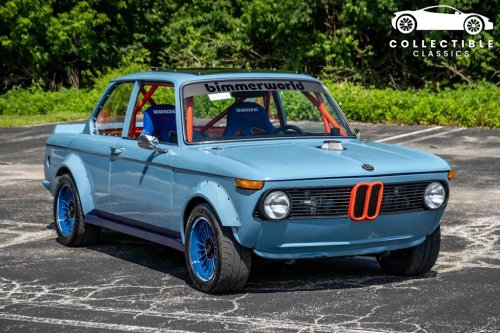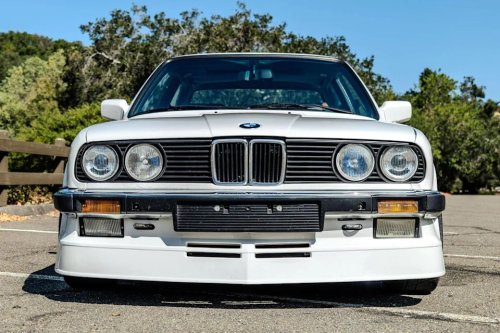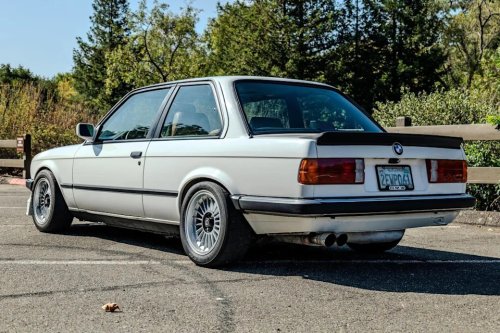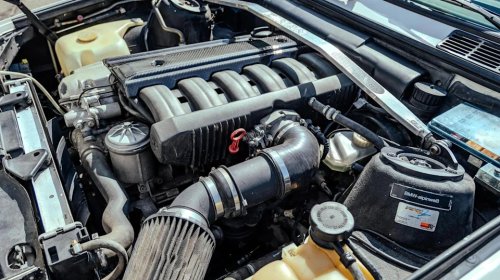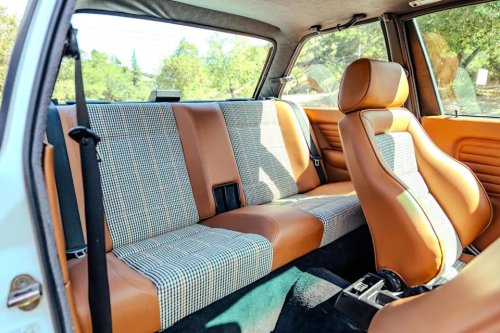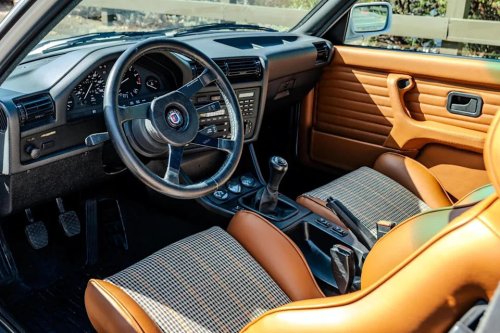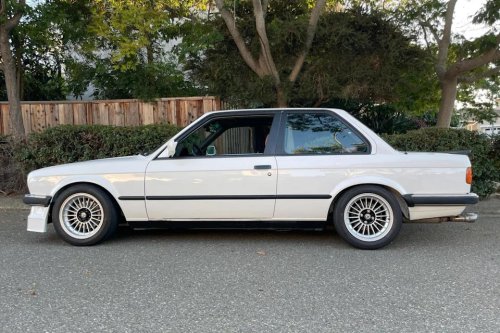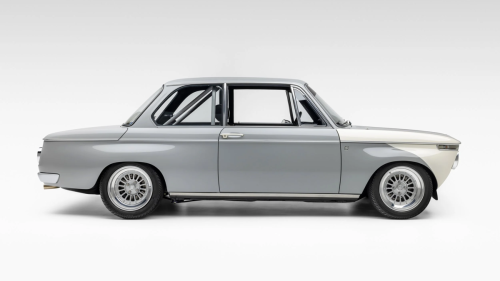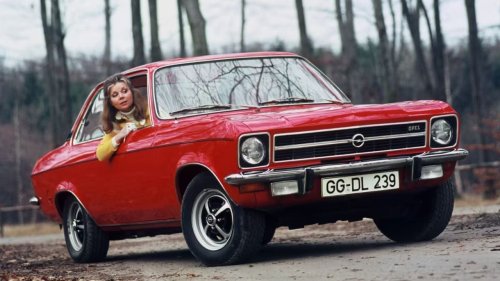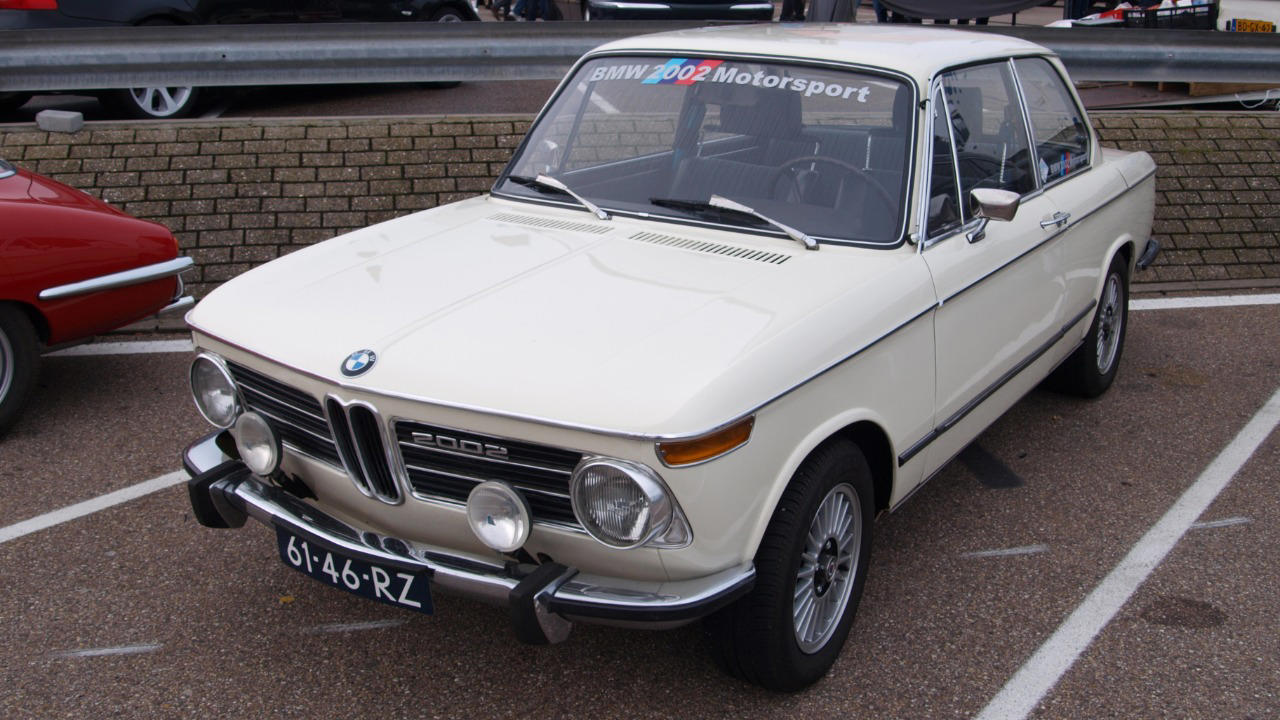


















1971 BMW 2002 vs 1971 Opel Kadett one still gets respect todayThe 1971 BMW 2002 and the 1971 Opel Kadett B were born into the same European compact class, yet history has treated them very differently. One became a cult object that still draws auction crowds and Instagram likes, while the other quietly slipped from everyday streets into specialist memory. The contrast reveals how performance, image and mythology decide which cars still command respect decades later. The compact sedans that changed two brands Placed side by side in period brochures, the BMW 2002 and Opel Kadett B looked like close cousins. Both were two-door, three-box compacts with upright glass and thin pillars, shaped more by packaging than by styling theater. Each carried a modest four-cylinder engine up front, drove the rear wheels and promised space for a small family without the bulk of a full-size sedan. Under the surface, though, they served very different missions. The BMW 2002 was engineered as a driver’s car first and a family car second. Contemporary accounts describe a free-revving 2.0‑liter engine, sharp steering and a chassis that encouraged enthusiastic use of back roads. One detailed profile of the 2002 argues that it effectively put BMW on the enthusiast map in the United States and framed the company as a maker of “purposeful driving machines,” a role that would later define the brand’s identity in the United States and beyond, as seen in a widely cited buyer guide. The Opel Kadett B, by contrast, was conceived as a volume car. It was designed to be affordable to buy, cheap to run and easy to service, and it delivered on those promises so effectively that it became the best-selling Opel to that point. One analysis of the Kadett B notes that it “dethroned the Volkswagen” in several European markets, highlighting how this unassuming compact undercut the Beetle on practicality and modernity, according to a detailed history of the Opel Kadett B. Both cars, in their own ways, were transformative. The BMW 2002 helped define a premium sporting image. The Kadett B helped Opel become a genuine mass-market force. Yet when a clean 1971 BMW 2002 appears at a classic auction today, it is treated as a special event. When a Kadett B surfaces, the reaction is more muted, even among enthusiasts who grew up with them. Why the BMW 2002 became an icon Several threads explain why the 1971 BMW 2002 still commands reverence. Performance comes first. Period road tests and later retrospectives consistently describe the 2002 as quick, agile and rewarding to drive. Even in standard carbureted form, it combined a relatively light body with a lively engine and well judged suspension. Later fuel-injected versions such as the 2002 tii raised the bar further, and one influential retrospective even calls the 2002 tii the “second most influential modern car in America,” arguing that it reshaped expectations for small sports sedans, as documented in a widely shared analysis. That driving character fed directly into brand mythology. Enthusiasts on dedicated forums still debate whether “The BMW” 2002 set the style and tone for the company’s later sedans, with one discussion framing the car as “no ordinary car” and a “legend” that helped establish the iconic BMW brand enthusiasts know today, as reflected in a BMW community thread. The idea is simple: the 2002 did not just sell well, it taught a generation that a compact four-door (or two-door sedan) could be genuinely fun without being a sports car in the traditional sense. Marketing amplified that message. BMW’s advertising around the 2002 leaned into performance and personality. One detailed retrospective on automotive marketing argues that the 2002 helped change how BMW presented itself, moving from staid, engineering-heavy copy to more emotional appeals that sold the car as a lifestyle object, as explored in a piece on how the BMW. That shift made the 2002 feel aspirational, even when its raw specifications were modest by modern standards. The car’s influence also extended to motorsport and tuning culture. Privateers rallied and raced 2002s, and tuners offered hotter versions that pushed the basic chassis far beyond factory outputs. Later commentary from enthusiasts highlights how a well set up 2002 still feels engaging on modern roads, with one owner writing that the small “Bimmer” inspired huge expectations, even if an individual example did not always live up to its myth, in a reflection on classic cars that do not match their mythology on Hagerty Insider. Crucially, the 2002 has remained visible. A dedicated buyer’s guide breaks down the model years, common rust spots and mechanical quirks, a sign that there is an active market and enough surviving cars to justify such detail. Social media groups share photos of well preserved examples, including a post that describes a 1971 BMW 2002 as a “classic compact sports sedan” and notes how it has become an icon among enthusiasts, as seen in a classic car group. At auctions, the 2002’s status is equally clear. A video walkaround of a 1971 BMW 2002 crossing the block features the presenter remarking that “you just don’t see these,” and calling it a “nice early car” and a “fantastic” example, which underscores how desirable clean survivors have become, in footage of a 1971 BMW 2002. In that environment, the 2002 is treated less like an old economy car and more like a junior collectible, a stepping stone into the world of classic BMW ownership. Even critical voices tend to reinforce the myth. When an owner complains that a particular 2002 did not live up to expectations, the disappointment usually stems from the car’s towering reputation. The myth is so strong that any tired or poorly sorted example feels like a betrayal. That dynamic only strengthens the aura around well kept cars, which are seen as the “real” expression of what the 2002 is supposed to be. The Opel Kadett B: hero of the everyday The 1971 Opel Kadett B followed a very different path. Where the BMW 2002 targeted enthusiasts and upwardly mobile professionals, the Kadett B was pitched at families, commuters and small businesses that needed reliable transport more than they needed excitement. Contemporary and retrospective accounts describe the Kadett B as mechanically straightforward, with simple suspension and modest engines that prioritized economy and durability. A detailed commentary on the car’s character describes its “staid looks” and “rudimentary mechanicals,” which in turn produced a ride and handling balance that was adequate rather than inspiring, yet also notes that the Kadett B became Opel’s best-selling model to date, as discussed in a reflective piece on Opel Kadett B. That success was not limited to Germany. The Kadett B was exported widely, built in several plants and assembled in knock-down form in various markets. It appeared as a two-door sedan, four-door sedan, wagon and coupe, and it served as a workhorse for taxi fleets, tradespeople and young families. A separate historical overview of the Kadett B emphasizes how it “dethroned the Volkswagen” in some markets, a vivid way of saying that the Kadett’s combination of space and modern water-cooled engines made the Beetle look outdated, as detailed in the previously mentioned Kadett B history. Owners remember the Kadett B with a mix of affection and realism. A social media post about a 1970 Opel Kadett B calls it a “popular and reliable small car” that was a staple on European roads, while also noting that the model is less common today and that enthusiasts now seek out well preserved examples, particularly those with distinctive trim and body styles, as described in a classic gallery post. Another enthusiast recalls an Opel Kadett E 1.6 with 75hp and a rusted fuel tank that eventually led to the car being scrapped, a story that captures how these cars often ended their lives as worn out appliances rather than garage queens, as seen in a personal memory shared in a Facebook group. The Kadett’s ubiquity in period is part of why it attracts less reverence today. For decades it was simply “the car in the driveway” for vast numbers of families. It was the background to school runs, supermarket trips and long holiday drives. That everyday role built deep personal nostalgia, but it did not create a performance legend. When enthusiasts gather to discuss driver’s cars, the Kadett B rarely appears in the same breath as a BMW 2002 or Alfa Romeo Giulia. Yet the Kadett B did have its more glamorous offshoots. The stylish Opel GT shared much of its mechanical base with the Kadett B, and discussions among enthusiasts sometimes debate how closely the GT should be considered part of the Kadett family, as seen in a series of enthusiast exchanges. Even there, however, it is the GT that collects the glamour, not the humble sedan that provided its underpinnings. Modern coverage of the Kadett B also highlights how few survive in good condition. A video profile titled “The Model That Made Opel a Global Hit” describes the “Opel Cadet B” produced from 1965 to 1973 as a compact car that played a significant role in Opel’s automotive history, building the brand’s global presence, as shown in a video history. The fact that such a film exists reflects a renewed interest among specialists, yet it remains a niche fascination compared with the broad appeal of the BMW 2002. Myth, marketing and the afterlife of two 1971 sedans The divergent reputations of the 1971 BMW 2002 and 1971 Opel Kadett B illustrate how mythmaking shapes automotive memory. Both cars were competent products. Both moved their brands forward. Yet only one has become a near-universal shorthand for “classic driver’s car.” The BMW 2002 benefits from a feedback loop. Early adopters praised its handling and performance. That praise drew more enthusiasts, which in turn encouraged BMW to lean harder into the “Ultimate Driving Machine” narrative. Later performance models, from the E21 3 Series to the M3, were framed as heirs to the 2002’s formula. When modern commentators ask why the BMW 2002 remains so beloved, they often point to its clear link between everyday usability and genuine driving fun, a point echoed in a piece that explains why the 2002 is still admired and references a powerful modern sedan with a 195-hp naturally aspirated 2.0‑liter four-cylinder as a contemporary benchmark, as seen in a discussion of the BMW 2002 still so beloved today. That narrative has practical consequences. A well documented buyer’s guide warns prospective owners about rust-prone areas and mechanical weak points, yet frames these as manageable issues in the context of a desirable classic, as outlined in the 2002 guide. Auction commentators describe early cars as “you just don’t see these,” a phrase that adds scarcity to the mix, as heard in the 1971 BMW 2002. Enthusiast groups on social media celebrate restored and modified examples, reinforcing the idea that the 2002 is a car worth saving at almost any cost, as shown in posts within BMW-focused communities. The Opel Kadett B, in contrast, lacks that concentrated myth. Its story is spread across millions of ordinary lives. It did not anchor a performance brand, and it did not serve as the poster car for a generation of aspiring drivers. Instead, it quietly did its job. When rust or mechanical fatigue set in, owners often scrapped their Kadetts without a second thought. That attrition, combined with the car’s modest image, means that few people today are willing to invest heavily in restorations unless they have a personal connection to a specific car or model year. Specialist writers who revisit the Kadett B tend to balance critique with appreciation. One thoughtful essay describes the car’s “rudimentary” ride and handling, yet also argues that its very ordinariness made it a vital part of everyday European life in the late 1960s and early 1970s, as discussed in the “Spice of Life”. That kind of writing has begun to elevate the Kadett’s historical status, but it operates on a smaller stage than the global BMW enthusiast network. The visual record also plays a role. Photographs of pristine BMW 2002s, often in bright period colors with period-correct alloy wheels, circulate widely online. Images of Kadett Bs are rarer and often show workaday cars in faded paint, parked in ordinary surroundings. When a particularly clean Opel Kadett C coupe appears in a social media post and is described as “clearly cherished,” it stands out precisely because such care is unusual, as seen in a post highlighting a well-preserved example. The Kadett B’s image is still catching up to its historical importance. The way each car intersects with darker cultural moments also affects perception. An infamous criminal case involving Richard Speck and a Kadett has been documented in historical records, connecting the model to a grim chapter of American crime history, as outlined in material on Richard Speck. While that association is hardly central to the Kadett’s story, it shows how the car entered the broader cultural record in ways that had nothing to do with performance or design. By comparison, the BMW 2002’s cultural references tend to be positive. It appears in period films as the cool European import, in modern advertising as shorthand for authentic driving pleasure and in enthusiast writing as the “car that started it all” for BMW’s sporty sedans. That kind of framing reinforces respect every time a new generation discovers the car. Which one still gets respect today? On the surface, the answer seems obvious. The 1971 BMW 2002 enjoys strong values, an active aftermarket, dedicated clubs and a constant presence in enthusiast media. The 1971 Opel Kadett B, though historically important, occupies a quieter corner of the classic car world. Yet respect comes in different forms. The BMW 2002 is respected as an icon. It is the subject of buyer’s guides, auction previews and long form essays about how it shaped a brand and a segment. Owners of modern BMWs often look back to the 2002 as a benchmark for simplicity and driver engagement, and some enthusiasts argue that later cars have strayed from that template. That reverence is reinforced every time a well kept 2002 draws a crowd at a cars and coffee meet or appears in a glossy feature. More from Fast Lane Only Unboxing the WWII Jeep in a Crate 15 rare Chevys collectors are quietly buying 10 underrated V8s still worth hunting down Police notice this before you even roll window down