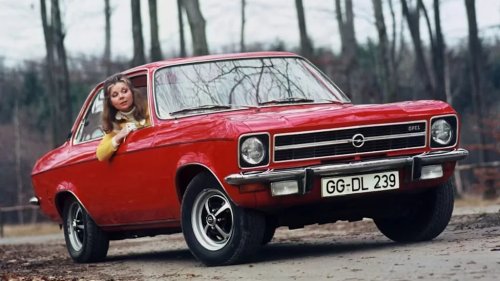
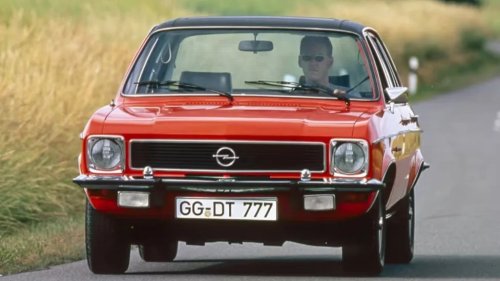
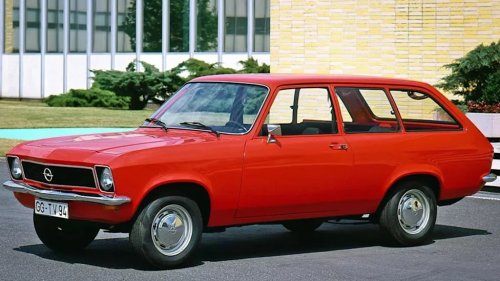
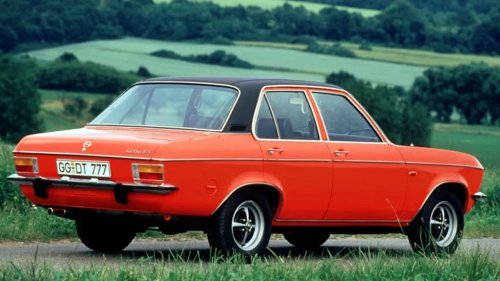
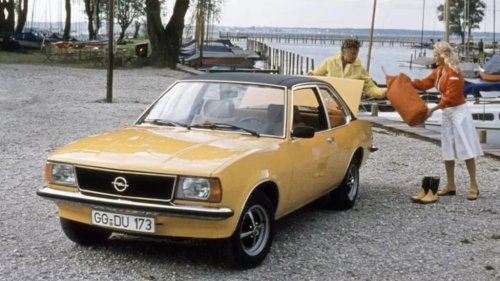
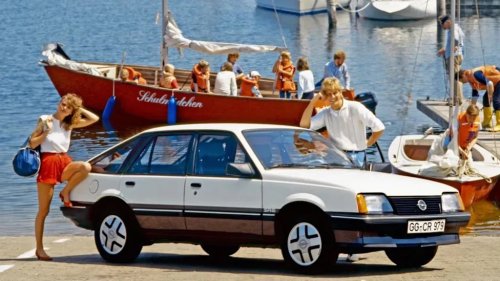
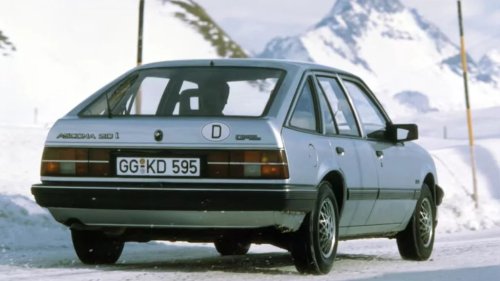


















Photo Courtesy: Autorepublika.When the Opel Ascona arrived in 1970, the car world was changing quickly. Europe was moving between postwar optimism and a new technical age.Buyers wanted more than basic transportation. Cars like the Volkswagen Beetle and Citroën 2CV had defined practical mobility, but the market was ready for something more comfortable and refined.Opel saw a clear gap in its lineup. The Kadett was affordable and practical, while the Rekord served buyers who wanted something larger and more prestigious.AdvertisementAdvertisementThe Ascona was created to sit between those two worlds. Across three generations, it became one of Opel’s most important models and a symbol of Germany’s growing middle class.The Model Opel NeededPhoto Courtesy: Autorepublika.To understand the Ascona, it is important to look back at Opel in the 1960s. Under General Motors' ownership, the brand had become one of the pillars of the German auto industry.The Kadett gave Opel a strong entry in the affordable car market. The Rekord served a higher class of buyers who wanted a larger family car with a stronger sense of status.Between those two models, Opel had room for something new. The Ascona was meant to combine Kadett economy with Rekord solidity, creating a car that felt practical without feeling basic.A Name With A More Elegant ImagePhoto Courtesy: Autorepublika.The original Ascona was developed with input from Opel engineers in Rüsselsheim, along with General Motors teams in Detroit and Luton. That mix helped create a car with German precision and a broader sense of comfort.AdvertisementAdvertisementThe name came from Ascona, the Swiss town on Lake Maggiore. Opel wanted it to suggest elegance, reliability, and a modest sense of adventure.When the Ascona A debuted at the Turin Motor Show in 1970, it brought exactly that balance. It was simple without feeling poor, comfortable without becoming expensive, and practical enough for everyday family use.The First Generation Found The Right BalancePhoto Courtesy: Autorepublika.The Ascona A moved away from the softer shapes of the 1960s. Its body had cleaner lines, pronounced fenders, and a recognizable front grille with horizontal elements.The cabin was simple, clear, and practical. Opel focused on a logical dashboard, durable materials, and a driving position that made the car easy to use every day.AdvertisementAdvertisementBuyers could choose a two-door sedan, a four-door sedan, or the Ascona Voyage wagon. The two-door model appealed to younger drivers, while the wagon became useful for families and small business owners.Rear-Wheel Drive And Rally CharacterMechanically, the Ascona A used a front-mounted engine and rear-wheel drive. That layout gave the car balanced handling and a more confident road feel.Gasoline engines ranged from 73 cubic inches to 116 cubic inches, with output from about 60 to 90 horsepower. The Ascona SR became the most memorable early performance version, using the 116-cubic-inch engine with 90 horsepower, firmer suspension, sportier interior details, and twin round headlights.Opel also saw strong potential in rally competition. Modified Ascots achieved notable results in European events during the early 1970s, and drivers such as Walter Röhrl helped prove that the car could deliver real sporting ability.The Ascona B Built On That SuccessPhoto Courtesy: Autorepublika.Production of the first generation continued until 1975. Over 692,000 examples were built, confirming that Opel had found the right formula.AdvertisementAdvertisementThe Ascona B arrived in August 1975 with a more mature design and a broader technical range. The basic idea remained the same, but the car looked more modern and felt more complete.Its body had cleaner horizontal proportions, rectangular headlights, and a wider front grille. Inside, Opel improved the instrument panel, controls, materials, and overall finish.The Ascona 400 Became A Rally LegendThe Ascona B kept rear-wheel drive and a longitudinal engine layout. Engine choices ranged from 73 cubic inches to 122 cubic inches, including more modern overhead cam units.The sportier versions gave this generation much of its lasting fame. The Ascona SR offered a strong mix of daily usability and performance, while the Ascona 400 became the true rally icon.AdvertisementAdvertisementIn 1982, Walter Röhrl won the World Rally Championship drivers’ title in an Ascona 400. The competition car used a 146 cubic inch, 16-valve engine with 244 horsepower and rear-wheel drive.The Ascona C Moved Opel ForwardPhoto Courtesy: Autorepublika.The Ascona B remained in production until 1981, with over 1.5 million examples built. It also became familiar to British buyers as the Vauxhall Cavalier.The third and final generation arrived in 1981 with a major technical change. For the first time, the Ascona moved to front-wheel drive, following Europe’s shift toward more efficient packaging and better cabin space.It was based on General Motors’ J platform, shared with the Vauxhall Cavalier in Britain and several GM models in other markets. The design was smoother and shaped with aerodynamics in mind, with a drag coefficient of 0.39.Why The Final Ascona Became So PopularPhoto Courtesy: Autorepublika.The interior was spacious and practical, with good visibility, comfortable seats, and a clear dashboard. Engine choices ranged from a 79 cubic inch gasoline unit with 60 horsepower to a 122 cubic inch fuel-injected engine with 115 horsepower.AdvertisementAdvertisementDiesel versions later made the car appealing to drivers focused on lower running costs. The Ascona C became the most successful generation, with over 3.5 million examples produced.It was also popular across Eastern Europe, including Yugoslavia, where it became a quiet status symbol. It offered German engineering, comfort, and a clean appearance without looking excessive.Why The Ascona Still MattersThe final Ascona left production in 1988, when the Opel Vectra A replaced it. The Vectra was more modern and aerodynamic, but many drivers still felt the Ascona had a more honest mechanical character.Across 18 years and three generations, the Opel Ascona followed Europe through prosperity, fuel crises, and modernization. It grew from a simple family car into one of Opel’s defining models.AdvertisementAdvertisementIt was never the most radical car in its class, but its consistency made it important. For millions of drivers, it was a dependable German car with comfort, character, and real warmth.This article originally appeared on Autorepublika.com and has been republished with permission by Guessing Headlights. AI-assisted translation was used, followed by human editing and review.If you want more stories like this, follow Guessing Headlights on Yahoo so you don’t miss what’s coming next.