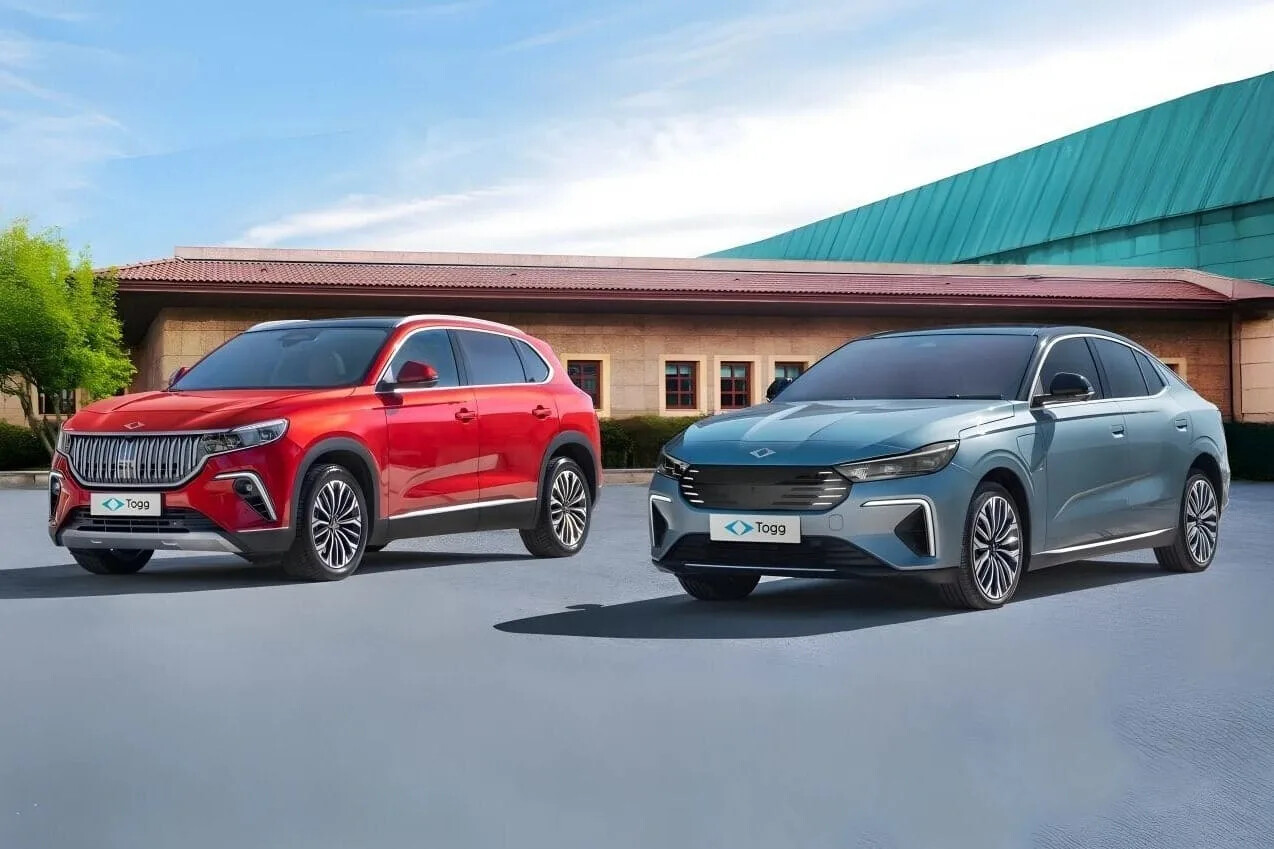
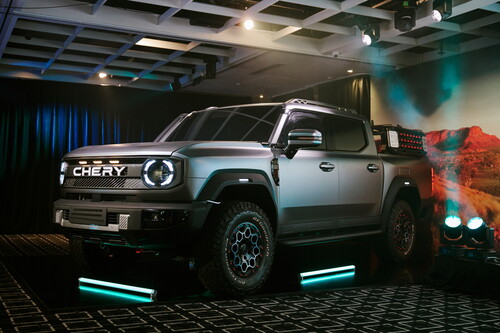
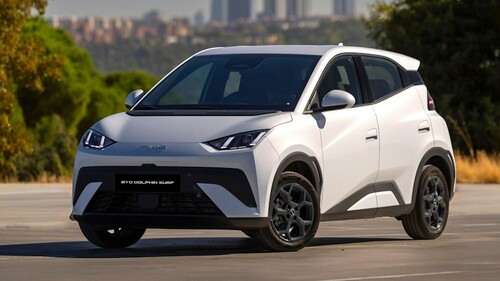
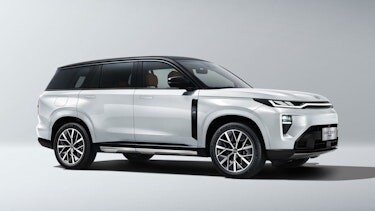
For the first time in the history of Turkey, the combined sales of electric and hybrid vehicles have surpassed traditional internal combustion engines, claiming over 51% of the market in the first quarter of the year. At the center of this seismic shift is Togg, the national mobility brand that has successfully navigated the transition from a fledgling state-backed startup to a dominant regional force. Despite a relentless offensive from global manufacturers, particularly those hailing from China, Togg has managed to maintain its position as the top selling electric vehicle brand in the country, a feat achieved through a combination of strategic protectionism, technological localization, and a massive scale up in production capacity. The Strategic Utilization Of The Turkish Diaspora A primary pillar of the international expansion strategy is the deliberate targeting of the Turkish diaspora in Western Europe. Since the official market launch in Germany in September 2025, Togg has utilized the millions of people with Turkish roots as a built-in customer base and brand ambassadors. This demographic strategy allowed the company to bypass the massive marketing expenditures typically required for a new brand to enter the German market. By focusing on cities with high concentrations of Turkish German residents, Togg has created an organic visibility that is now trickling down to the broader German public. The company has integrated its Trumore digital platform with localized services specifically for this market, allowing users to manage financing and insurance within a single application that has already seen over 50,000 downloads in Germany alone. T10X SUV and the T10F sedan. (Photo from Togg) Tech Specs & The Aerodynamic Shift The introduction of the T10F fastback sedan has provided Togg with the technical credentials necessary to compete on performance rather than just national sentiment. While the T10X SUV was the pioneer, the T10F offers superior aerodynamics that yield a significantly improved range. Both models utilize the same 88.5 kilowatt-hour battery in their long range variants, but the sedan achieves a range of 623 kilometers under the WLTP cycle, compared to the SUV’s 523 kilometers. For the 2026 model year, the entry level versions have also reached full availability, starting at €39,295. These models utilize a 52.4 kilowatt-hour battery and a 160 kilowatt electric motor on the rear axle, providing a 314 kilometer range for the SUV and 350 kilometers for the sedan. The peak charging power remains 180 kilowatts, allowing for a 20 to 80% charge in approximately 28 minutes. Siro Battery Autonomy Togg’s ability to scale production to 60,000 units in 2026 is largely due to its focus on supply chain independence. The Siro battery development and production campus, a joint venture with Farasis Energy located in Gemlik, has reached full operational status for integrated lithium-ion cell manufacturing. This facility provides Togg with a critical buffer against global supply chain fluctuations that have hampered other manufacturers. The company has stated that this autonomy in battery production is the foundation for its goal of selling one million vehicles across five segments by 2032. This localized production also helps Togg maintain its five star Euro NCAP safety rating and meet the stringent environmental standards required for expansion into France, Italy, and Scandinavia later this year. The Chinese Manufacturing Wave The most significant challenge to Togg’s dominance comes from China, led by BYD and Chery. However, the Turkish government has maintained a protective shield through a 40% additional customs duty on Chinese imports and a requirement for brands to own at least 20 specialized service centers across the country. These policies have forced Chinese manufacturers to shift from importers to local producers. BYD is currently finishing a $1 billion factory in Manisa, while Chery is investing $1.5 billion in a plant in Samsun. Togg chairperson Fuat Tosyali has indicated that the company does not fear this competition but views it as a catalyst for a more mature automotive ecosystem. The presence of these factories is expected to improve the local parts supply chain, which will ultimately lower production costs for Togg as well. Artificial Intelligence & The Digital Cockpit A major differentiator for Togg in 2026 is the Smartscreen, a pillar-to-pillar digital display that covers the entire dashboard. The company relies heavily on artificial intelligence to enhance the user experience, featuring a generative AI assistant that can compose music, manage smart home devices, and provide real time navigation based on the driver’s habits. This software ecosystem is part of the Trumore platform, which includes a digital wallet for seamless payments at charging stations. Togg management has emphasized that they are not merely an automaker but a mobility technology firm, betting that a superior digital experience will maintain customer loyalty even as cheaper hardware alternatives enter the market. The premium subscription for these services has become a significant recurring revenue stream for the company in 2026. Future Outlook & Market Leadership As of mid-April 2026, Togg remains the volume leader for electric vehicles in Turkey, with the T10X and T10F consistently topping the monthly registration lists. The upcoming T6 model, a C segment hatchback slated for 2027, is expected to provide a more affordable entry point to the brand, further cementing its position as the people’s car. By balancing state backed protectionism with a clear technological roadmap and a clever export strategy, Togg is proving that a national brand can survive and thrive in the era of electrification. The company is now eyeing the wider Middle Eastern and North African markets as its next phase of growth, aiming to become a global player that represents the industrial strength of the Turkish Republic.