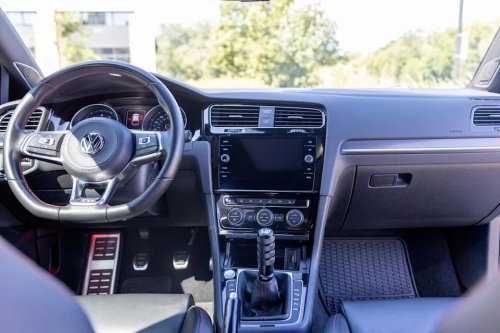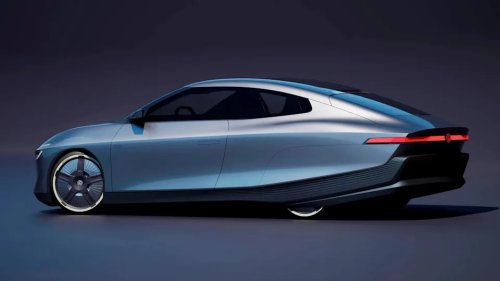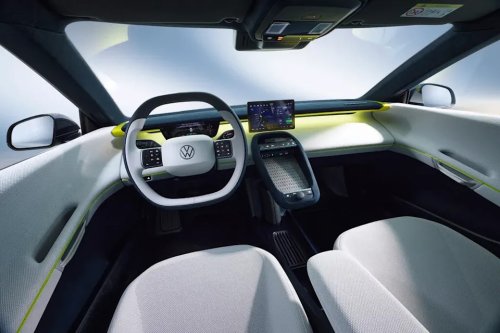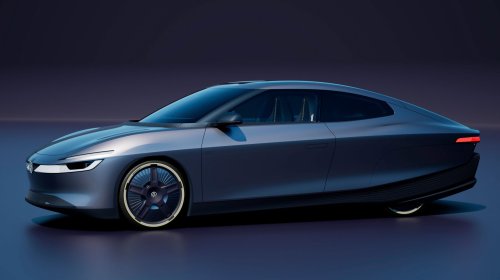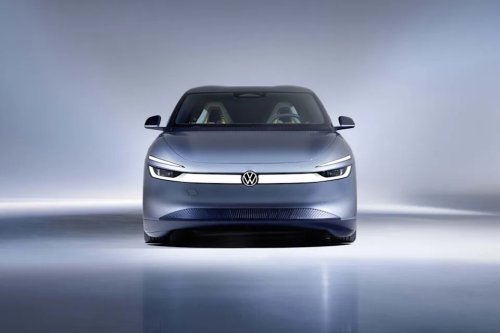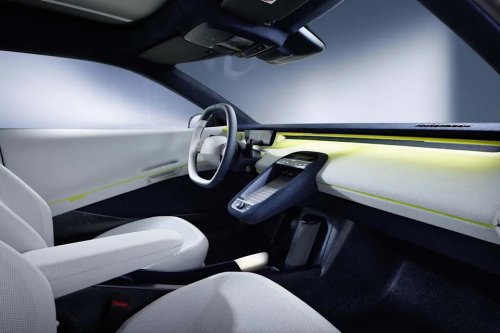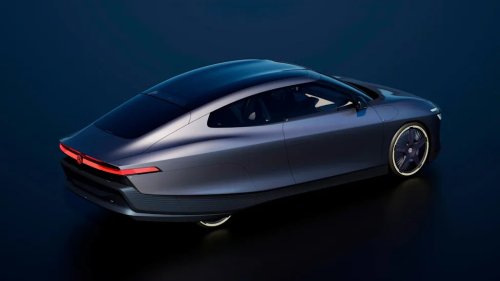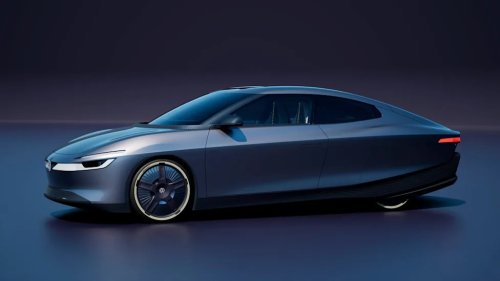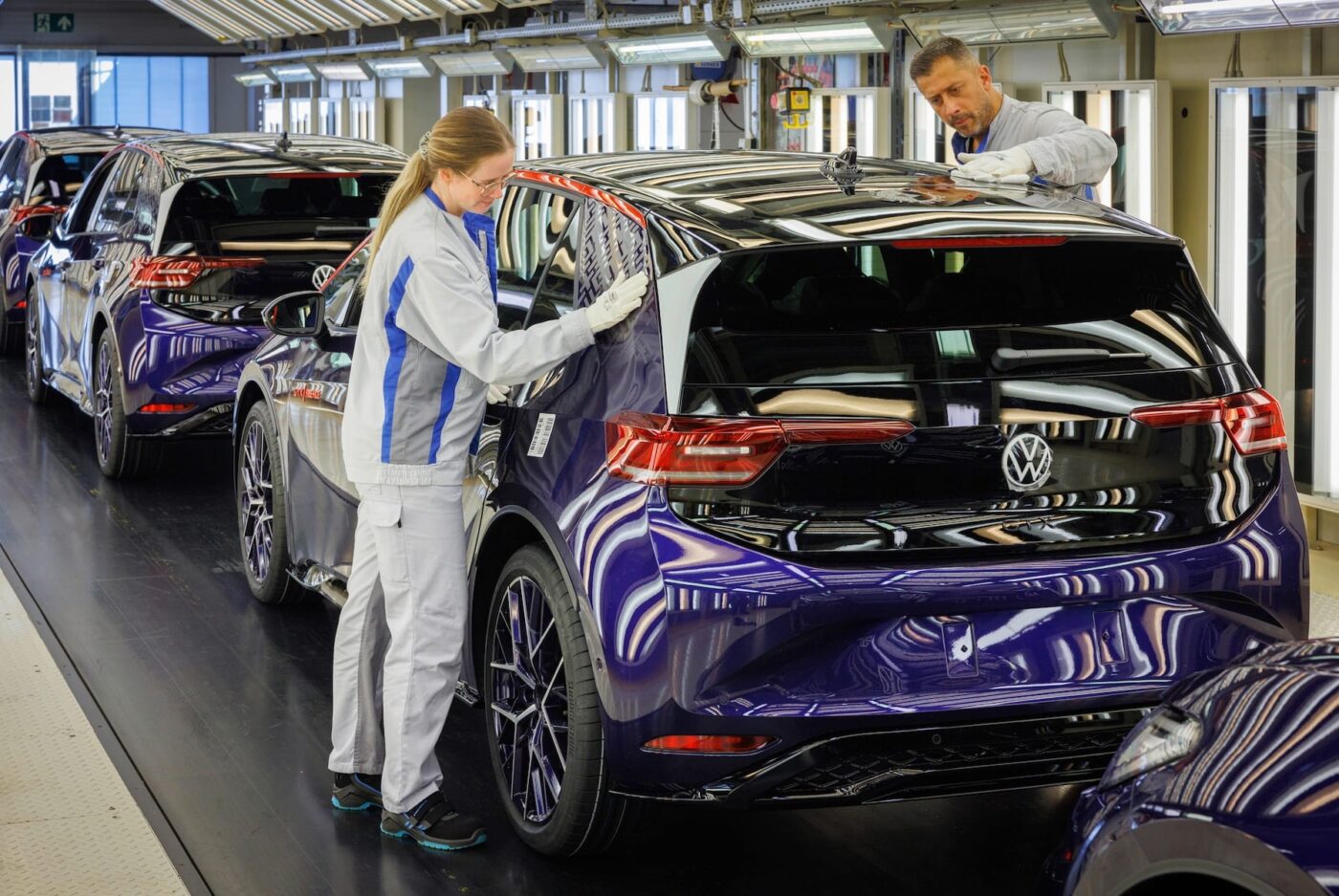
























Image: VolkswagenBy the end of 2024, tensions between Volkswagen’s management and its workforce had reached a critical point. The carmaker threatened to close plants, while employees resisted the immense pressure, with widespread strikes looming.However, Volkswagen and Germany’s IG Metall union reached a compromise in the collective bargaining dispute shortly before Christmas 2024, averting major plant closures. In return, the agreement includes 35,000 job cuts by 2030, while VW plans to reduce production capacity in Germany by more than 700,000 vehicles, including battery-electric models. At the time, the company said the collective agreement would enable annual labour cost savings of €1.5 billion by 2030.A year and a half later, VW brand CEO Thomas Schäfer reports noticeable progress in reducing overcapacities. “We have completed everything except for the final part — the Osnabrück plant, where we are still seeking a solution,” Schäfer told Automobilwoche. Volkswagen achieved the reduction by scaling back production lines at German sites without closing any plants. Only the Gläserne Manufaktur Dresden halted car production entirely, as previously reported, with the site now set to become an innovation campus.Project ‘Gamechanger’ gains space in WolfsburgAccording to Automobilwoche, VW reduced production at the Zwickau and Emden plants from two lines to one (each operating two shifts). In Wolfsburg, the company now operates only two of the original four lines. The space freed up, as reported, could benefit the Gamechanger project, a novel production method aimed at building models faster and more efficiently.Volkswagen plans to use the launch of its upcoming SSP electric platform and the relocation of Golf production to Mexico to introduce a new production process at its Wolfsburg headquarters. While the company has yet to disclose details of the ‘Gamechanger’ project, it has confirmed that the concept will include large-scale casting methods. Also known as megacasting, the process replaces numerous individual body components with a small number of large cast parts. Tesla pioneered the approach in the automotive industry, but several carmakers have since adopted similar methods, including Volvo Cars for the upcoming Volvo EX60.ID. Golf not expected before 2030According to Automobilwoche, the Gamechanger project is set to take effect by the end of the decade for the battery-electric vehicles built in Wolfsburg on the SSP platform—namely, the electric Golf and a planned SUV counterpart. Following current naming logic, the compact electric vehicle would be called the ID. Golf, just as the smaller VW T-Cross is set to become the electric ID. Cross. Regarding the timeline, Schäfer confirmed to Autocar that VW will not launch the ID. Golf before the end of the decade: “We have a fantastic line-up now that we do not need an electric Golf in 2028. We are well set with what we have in our portfolio with our vehicles.”Last year, a media report indicated that the production start for the ID. Golf and ID. Roc had been postponed to 2030, after the fully electric Golf was initially planned for 2028 and later 2029. Schäfer also reiterated that the first vehicles based on the new SSP platform would come from the premium brands Audi and Porsche. He stated: “SSP, we will roll it out across the [VW Group] brands. We will start with the premium brands first… It will start with Audi, then Porsche, then us [VW] and on and on.” Meanwhile, the future of VW’s Osnabrück plant remains uncertain. Production there is soon to end, and ‘discussions have been held in all directions,’ as Automobilwoche reports—so far without results. VW’s close Chinese partner, Xpeng, is now also mentioned as a potential interested party, with negotiations reportedly underway about capacities in Europe. Xpeng currently manufactures its models at contract manufacturer Magna Steyr in Austria.Xpeng also considers building new plantThe Financial Times quoted Elvis Cheng, Xpeng’s Managing Director for Northeast Europe, as saying: “We are . . . discussing with [Volkswagen] to see if there is any possibility we can find a location here in Europe.” Cheng thus confirms a general interest, though Osnabrück is not explicitly mentioned.In April, VW Group CEO Oliver Blume said Volkswagen’s European plants remain too expensive and underutilised. The company therefore plans to further reduce significant overcapacities in both China and Europe. However, Blume again said Volkswagen intends to avoid plant closures in Germany through what he described as an ‘intelligent’ approach.He cited Osnabrück as an example, where VW vehicle production will end, but the site itself is to be preserved: “We are negotiating with companies in the defence industry that could use this plant and retain the workforce. That is what I mean by intelligent. We must develop pathways to reduce our own overcapacities in a similar manner.”It is clear that partnering with Chinese companies could theoretically be one such pathway. Stellantis is thinking along similar lines and is reportedly in talks with Xpeng about production in underutilised European plants.Cheng also told the Financial Times that the production line in Steyr is reaching its capacity limits and that his company is considering building a new European plant. “We think not all the factories can satisfy the requirements of our latest or future product requirements,” Cheng said, adding that Volkswagen’s plants were ‘a little bit old.’automobilwoche.de (in German), ft.com (Xpeng), autocar.co.uk (ID. Golf)