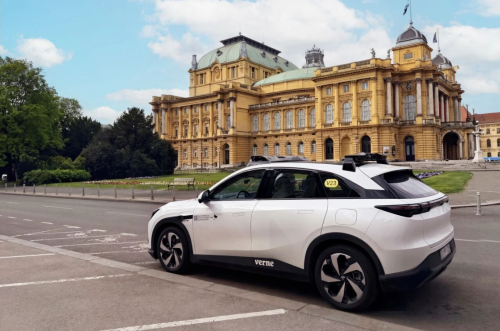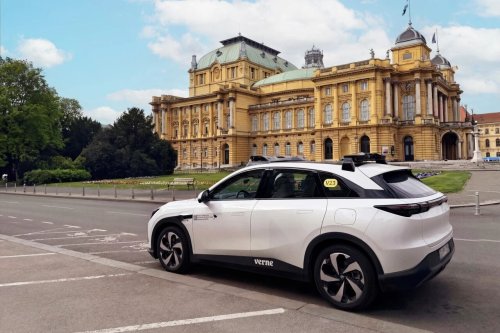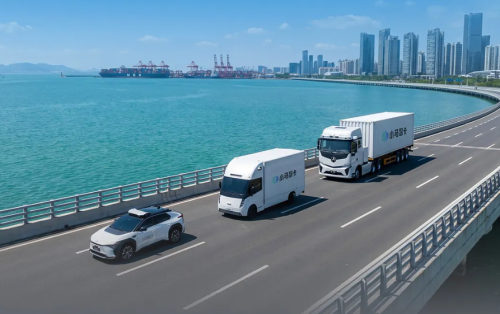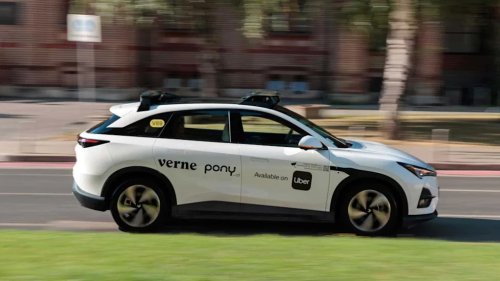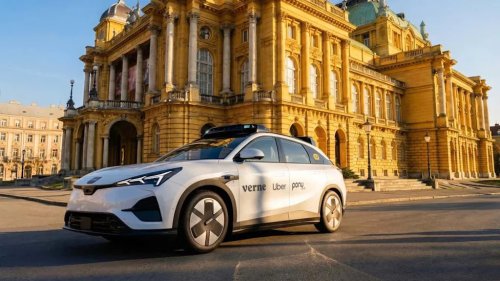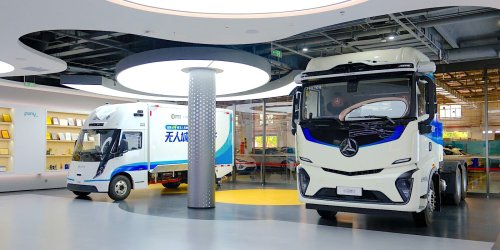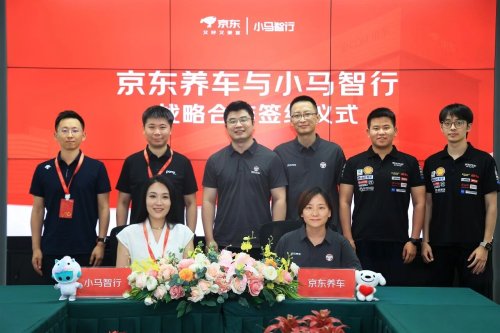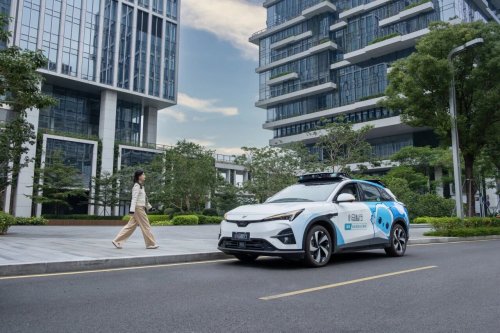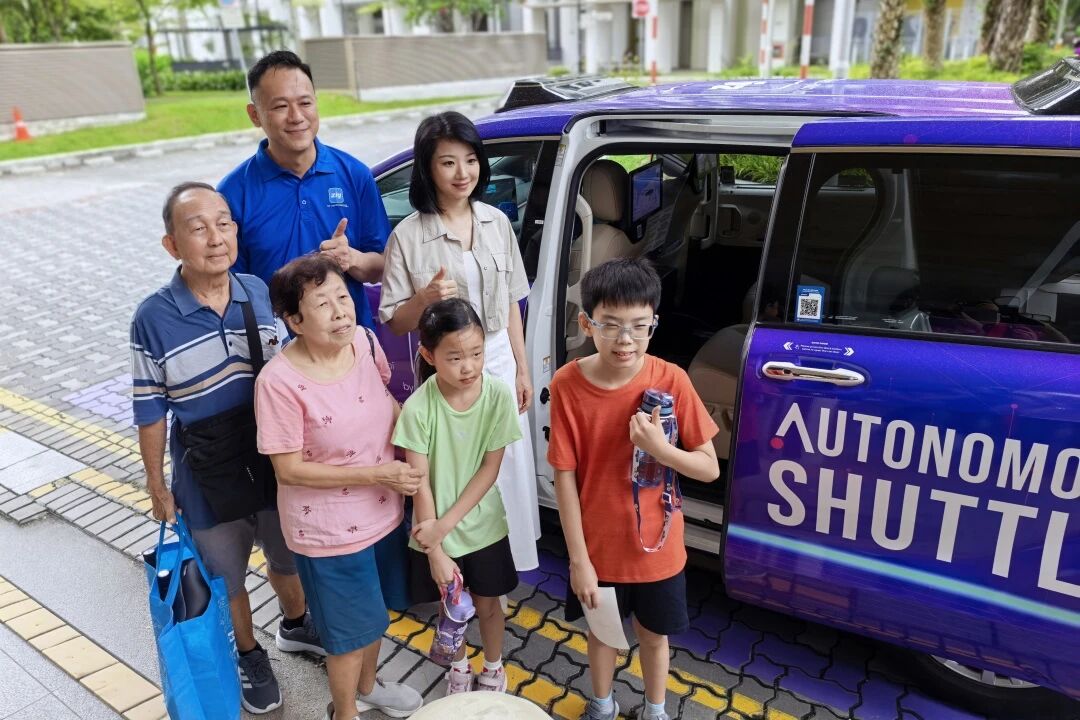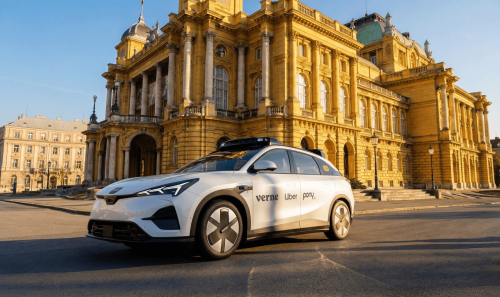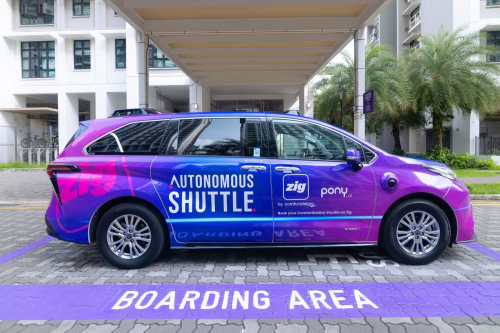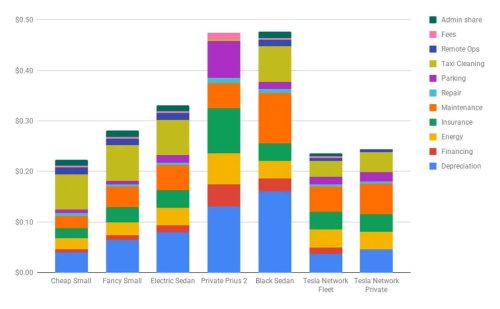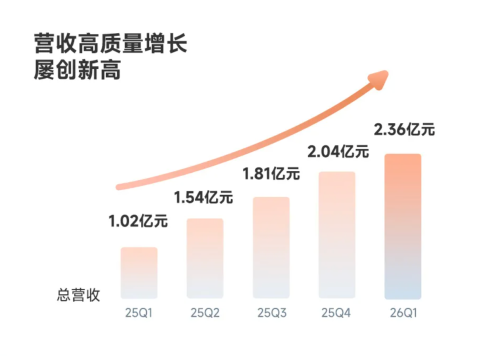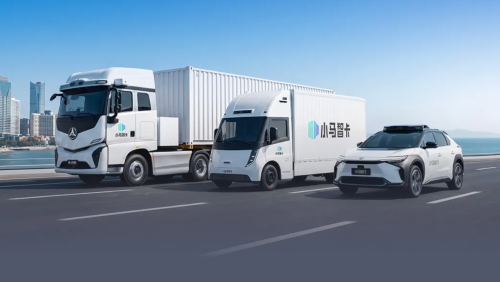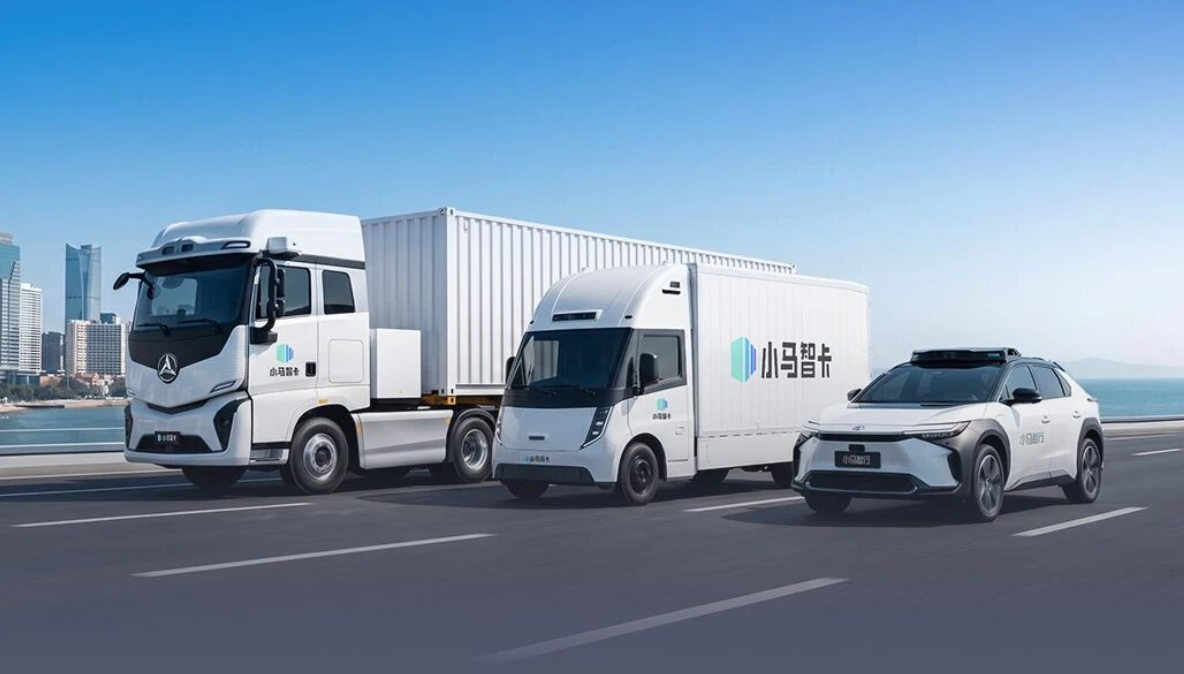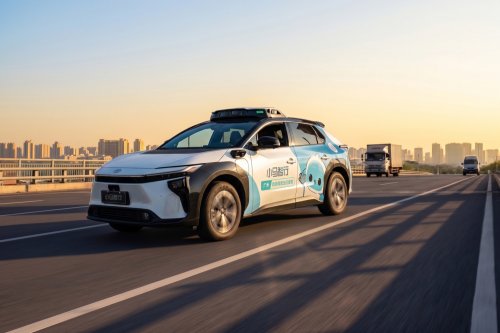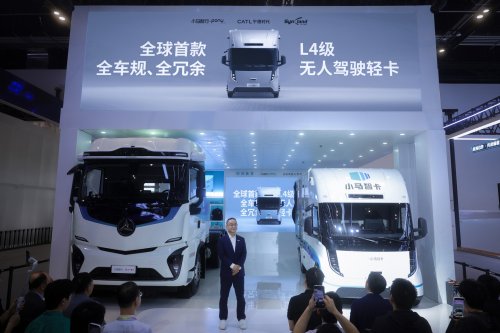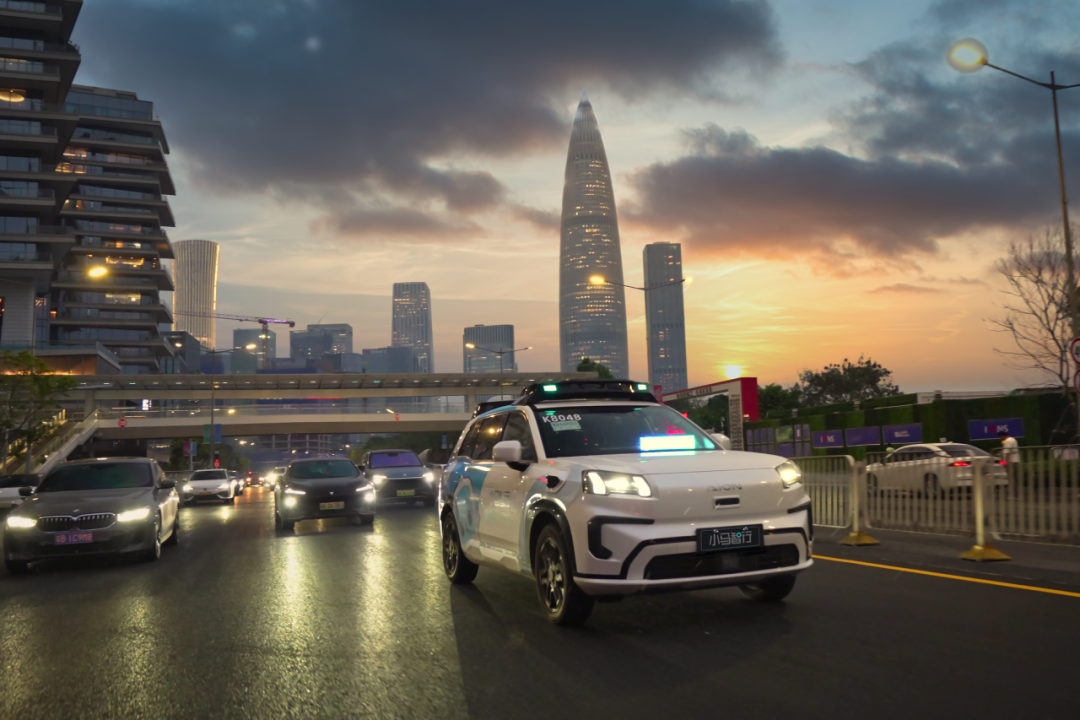
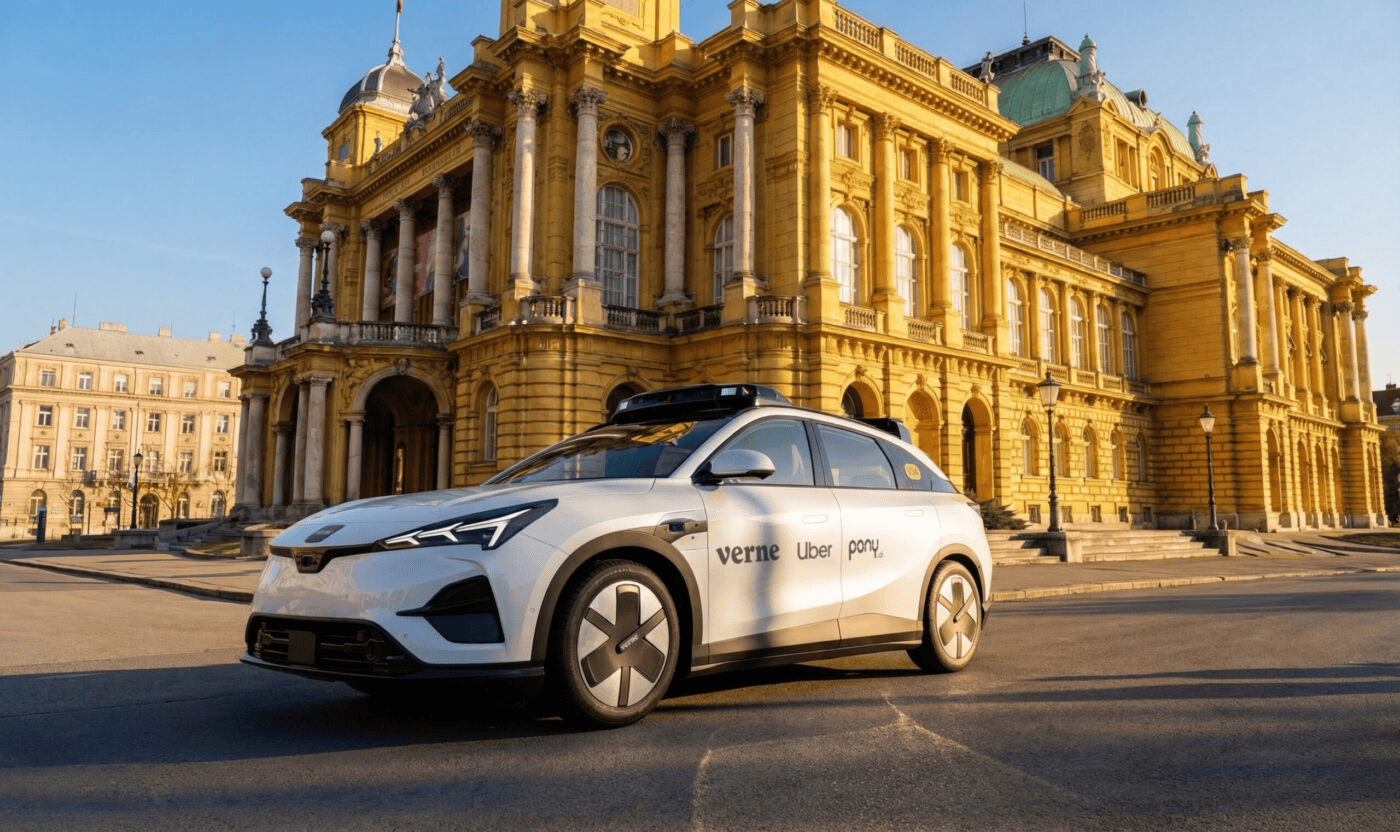
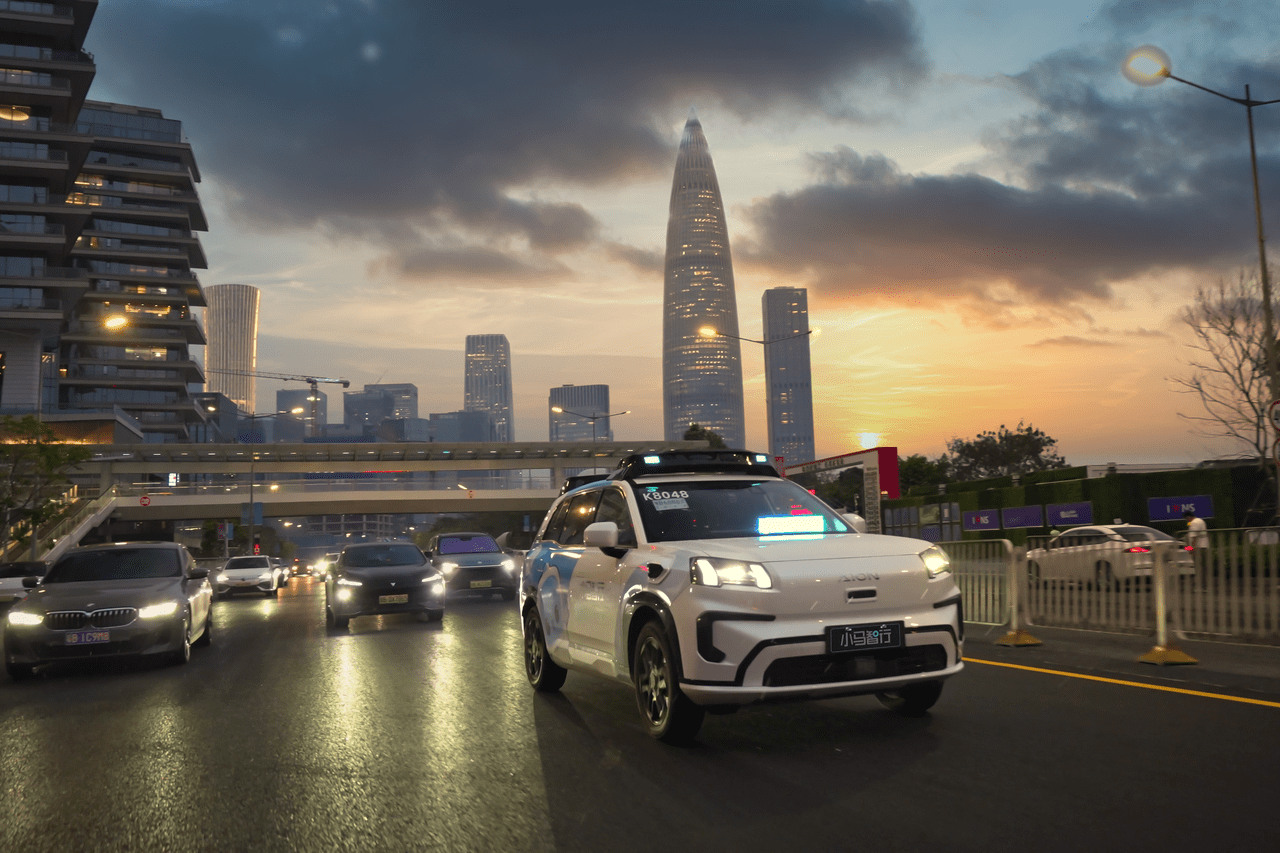



















On April 7, Pony.ai, in partnership with Singapore-based transport operator ComfortDelGro, officially launched robotaxi passenger services in the Punggol area of Singapore. The initial operating zone is located in the northeastern part of the city-state, covering approximately 12 kilometers and connecting multiple residential communities with commercial facilities, while integrating with metro and bus networks. Compared with traditional public transport, some commutes can be shortened by about 15 minutes. Robotaxi launch ceremony between Pony.ai and ComfortDelGro The service is currently in an invitation-only trial phase, prioritizing local residents. Real-world travel data will be used to continuously optimize system performance ahead of a broader public rollout. As early as September 2025, Pony.ai established a partnership with ComfortDelGro to initiate its overseas robotaxi deployment in Singapore. The launch of operations in Punggol marks a transition from pilot testing to real-world application. Prior to this, the two companies had already conducted autonomous mobility pilot programs in Guangzhou, with operational experience directly transferred to the Singapore project, reducing trial-and-error costs. Pony.ai launched a European robotaxi project in Zagreb, Croatia, in collaboration with Uber and Verne Pony.ai is accelerating its global expansion. In March, it launched a European robotaxi project in Zagreb, Croatia, in collaboration with Uber and Verne. This project has already entered the road testing phase using mass-produced vehicles equipped with its seventh-generation autonomous driving system. According to disclosures from its 2025 earnings briefing, Pony.ai plans to deploy more than 3,000 robotaxis across over 20 cities worldwide in 2026, with nearly half allocated to overseas markets. Pony.ai robotaxi in Chin This expansion is supported by an operating model validated in China. Leveraging robotaxis, L4 fully autonomous driving technology, and an integrated operations system, Pony.ai has already achieved positive unit economics for its robotaxi operations in Guangzhou and Shenzhen. Based on this model, the company aims to replicate its domestically proven operational framework in international markets, scaling deployments through collaborative fleet operations.