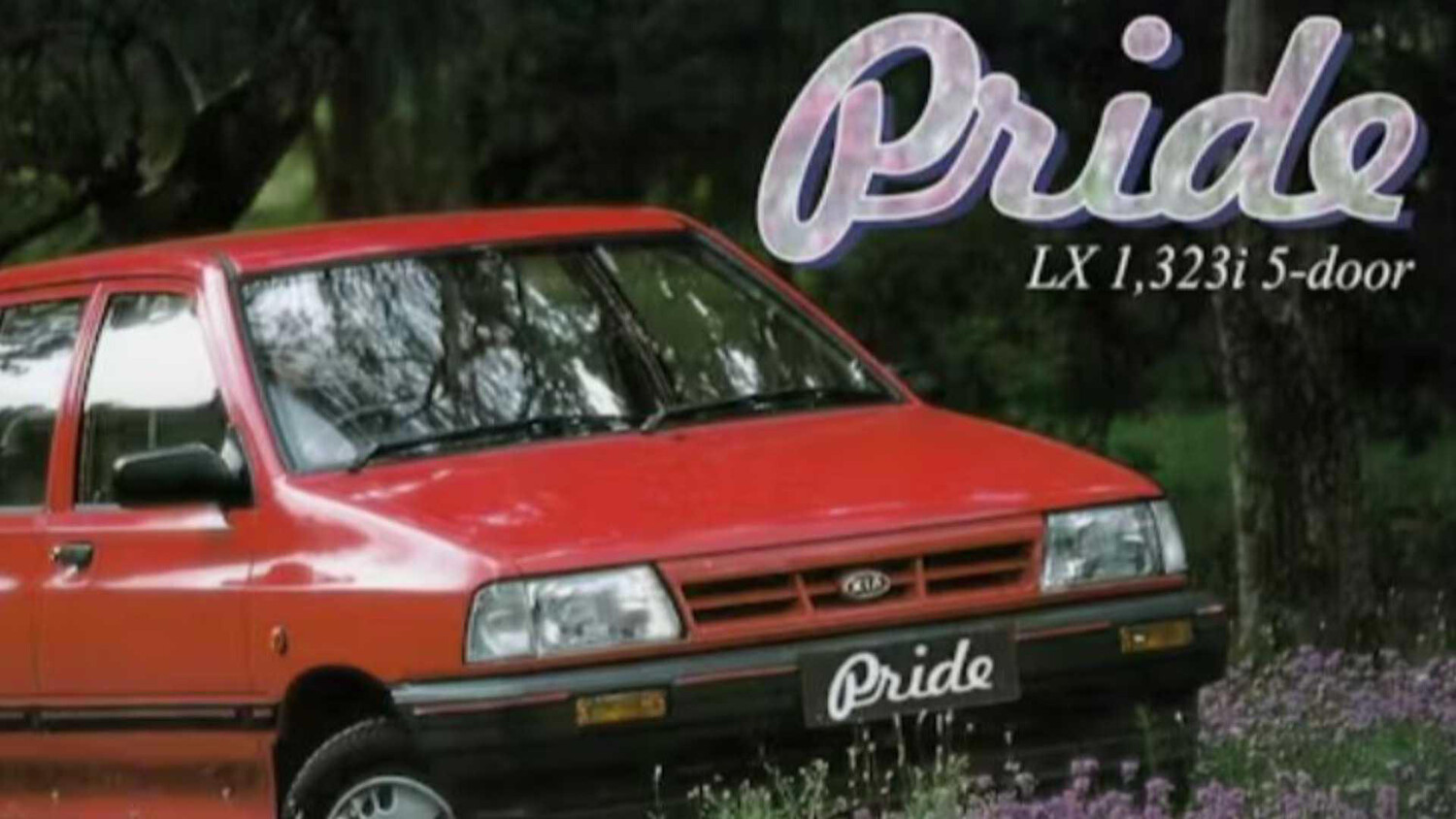
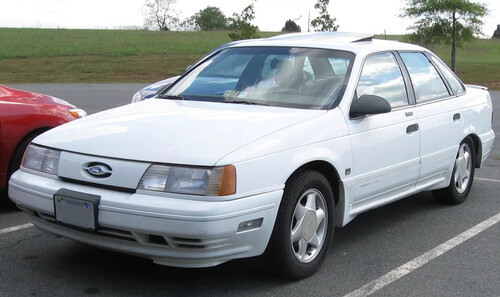
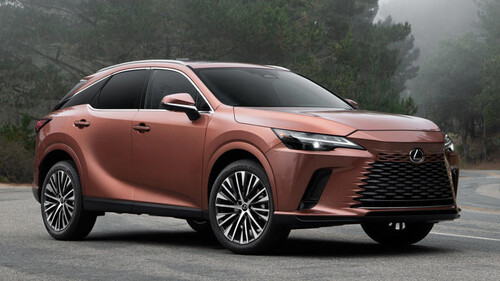
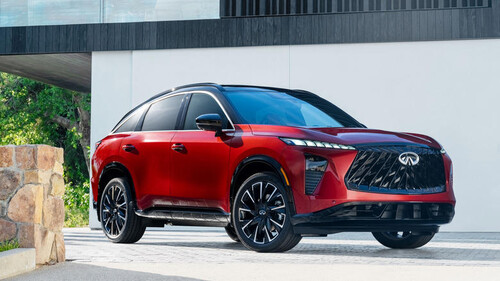
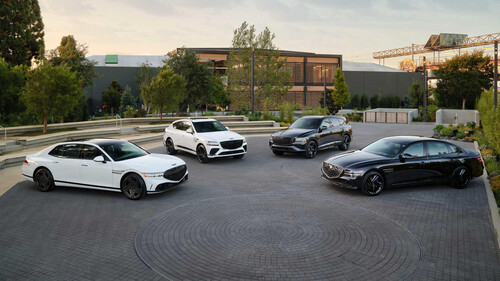
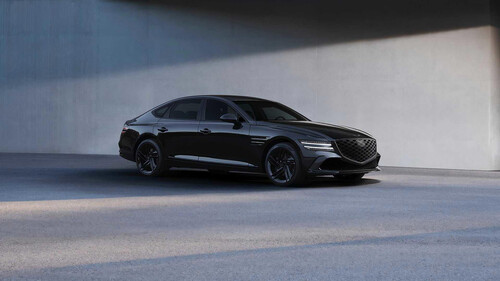
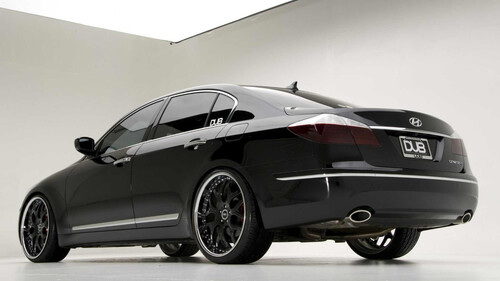
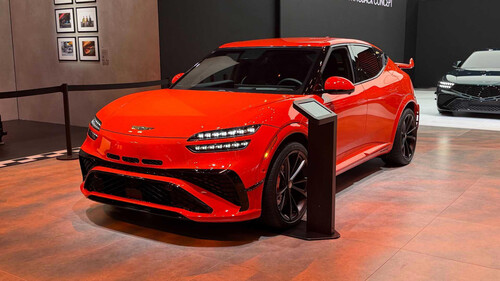
Around 30 years ago, Korean car manufacturers were mostly confined to the budget end of the market. Today, things are very different. Hyundai and Kia, the two main brands that originated in Korea, underwent a long and complex evolution process that has now elevated them to a new height.Thanks to a change in reliability, design, reputation, and performance, they now occupy a similar section of the automotive world as the legendary German brands we are all familiar with, such as BMW and Mercedes-Benz. Here is a closer look into how Korean automakers accomplished this incredible achievement. Hyundai And Genesis' Trajectory To The Top HyundaiGenesis, Hyundai’s luxury sub-brand, has no doubt helped propel the Korean automaker to the heights it has reached today. However, it was only one part of the equation. Hyundai’s trajectory has been a long and fascinating one, tracing a line from its humble origins to the place of pride it currently occupies in the automotive world.Hyundai was created in the 1940s, focusing on engineering and construction for the first two decades of its life. Towards the end of the 60s, however, it started building its first car: a licensed version of the Ford Cortina. The company eventually evolved from producing other automakers’ cars to selling its own models, drawing on the expertise of various brands (including the legendary Italdesign). In 1986, Hyundai had grown enough to expand into the US market, introducing models such as the Excel and the Sonata; the latter is still in production today.However, at this stage Hyundai remained firmly a budget-focused brand, with no ambitions towards the world of luxury. Things began to change at the end of the 90s, when Hyundai outbid Ford to acquire the newly bankrupt Kia. The “mutual ownership” deal that resulted made both brands stronger, and enabled Hyundai to set its sights on new areas of the market.Genesis After having been used for a model (the Hyundai Genesis), the Genesis name made its debut as a high-end marque in 2016. The model became known as the Genesis G80, forming part of a growing lineup of plush, sleek cars that greatly helped change Hyundai’s overall brand image.Today, both Hyundai and Genesis have a strong reputation for building vehicles that, while still accessible to the average consumer, are luxurious and extremely reliable. The brand that once exclusively inhabited the ultra-affordable end of the market is now able to compete against German giants in the automotive arena. What Hyundai Did To Challenge The Big German Brands Hyundai Hyundai adopted a multi-pronged strategy to move up in the automotive world, which eventually led the brand to compete against well-established, famous German automakers such as BMW and Mercedes-Benz. Here are some of the ways Hyundai accomplished this achievement and gained its current place on the market. Strategic Talent Acquisition GenesisHyundai acquired automotive talent from all over the world as part of its upward journey. Its recruitment strategy saw several key figures move in from other, more established brands, bringing with them heaps of expertise. One of these figures was Peter Schreyer, who had formerly worked as head of design at Audi and was responsible for the design of the iconic TT. He became the Hyundai group’s chief design officer in 2006, and remained with the company until his retirement at the end of 2023. He continues to support some of Hyundai’s projects on a part-time basis.Another example of talent brought over from other automakers was Luc Donckerwolke, who had previously been design director at several of the Volkswagen Group’s brands including Bentley and Lamborghini. For the latter, he designed legendary models such as the Murcielago and Gallardo. Schreyer and Donckerwolke’s roles at Hyundai had a strong impact on brand perception, elevating the company’s image in the eyes of the automotive world. Building A Reputation For Reliability One of the key elements of Hyundai’s strategy is its “10 years or 100,000 miles” warranty, the longest standard manufacturer warranty on the US car market. It was first introduced for the 1999 model year. This warranty does not just inspire confidence in consumers who have already made the leap into Hyundai ownership, it projects a brand image of bulletproof reliability that has helped change the public’s perception of Hyundai over time. Offering Luxury At Attainable Prices The delicate balance between high-end design and affordability has been a key element in Hyundai and Genesis’ rise to the top. Genesis’ brand offering includes some elements you would expect to see from high-end German automakers such as Mercedes-Benz; these include the Concierge valet service and a complimentary scheduled maintenance program, giving Genesis drivers peace of mind and ensuring their vehicles’ long-term reliability.Genesis also treats luxury features as standard, in contrast to German brands which are more likely to offer a variety of options at a premium. This approach has contributed to the “affordable luxury” brand image Genesis has built for itself. The strategy is paying off: Genesis’ sales trajectory over the past couple of years has been an upward one, while for Mercedes-Benz, the opposite is true. How Genesis Is Expanding Into The Performance World With The Magma Program Genesis The realm of luxury is not the only one Genesis has helped Hyundai break into. Recently, performance has become an increasingly large part of the equation, thanks to the arrival of an exciting new program called Magma. A new division of the Genesis brand, Magma is expanding its scope to include both performance road cars and race cars.Magma’s ultimate goal is to eventually have its own version of every model in the Genesis family, with the striking Magma Orange signature paint color acting as visual shorthand for the sub-brand. Models under the Magma umbrella will receive a host of performance-oriented upgrades, including new batteries, motors, and aerodynamic elements.Joel Stocksdale/CarBuzz/Valnet There have already been a few cars and concept vehicles released under the Magma name, such as the G90 Wingback Magma, a performance wagon version of the G90 sedan. Magma has also created a supercar called the GT, which was released in concept form last year and has now been confirmed for production. One of Magma’s cars, a performance version of Genesis’ GV60 crossover, was designed with the input of racing legend Jacky Ickx.Magma doesn’t just deal with road cars, but also with the domain of motorsport, thanks to the Genesis Magma Racing team. This brand new addition to Genesis’ motorsport program is competing in the World Endurance Championship with the GMR-001 hypercar. As is often the case in the racing world, it is likely that elements of the technology used in the GMR-001 will eventually find their way into Magma’s production models.The arrival of Magma on the scene will further help Hyundai put up a fight against the German giants, adding the dimension of performance to that of luxury and turning Hyundai into a fully rounded competitor. The Other Major Player Of The Korean Car World: The Rise Of Kia Kia The two main brands in the Korean automotive world are closely related. We have already taken a close look at Hyundai and Genesis, but the other major player that originated in Korea is Kia, another brand that moved from budget to premium.Kia was created around the same time as Hyundai, in the 1940s. It also did not produce cars at first, primarily building bicycles and bicycle components. The 1950s brought about change, with the introduction of the Kia name (the company had previously been called Kyungsung Precision Industry) and the introduction of cars in its production output.Kia Over the following decades, Kia moved from building licensed models designed by other automakers to creating its own models. After a brief shutdown due to political tension in Korea, the company went back to building cars and eventually hit the US market in 1986. Around a decade later, however, a financial crisis hit Asia and affected Kia to the point of bankruptcy. Hyundai rescued the brand and set up a “mutual ownership” agreement, laying the foundation for future stability and growth.Kia continued to grow steadily alongside Hyundai, changing its reputation in a similar way; while its early models had been fairly bare-bones and highly affordable, its current offering is far more premium while still being accessible to the ordinary driver. The brand is now marching ahead with its electrification program, building new manufacturing facilities in the US, and continuing to expand and future-proof its lineup.Both Hyundai and Kia have made leaps and bounds over the decades, thanks to a multifaceted effort that has seen them rise above their origins and into the world of high-end vehicles. Although German brands still have a crucial place in the global automotive landscape, they have an increasingly formidable rival on their hands with Korean automakers.Sources: Hyundai, Kia