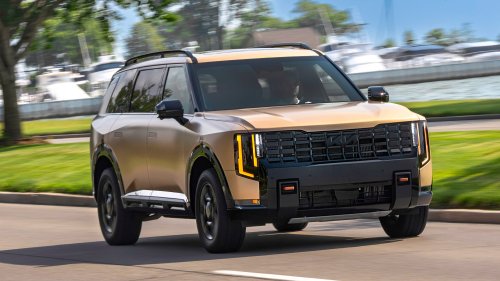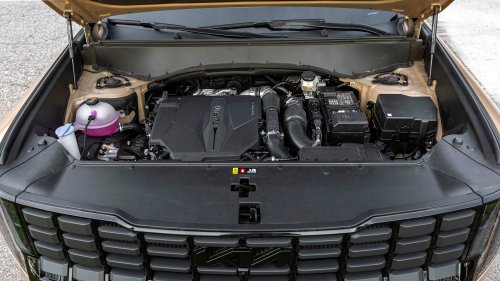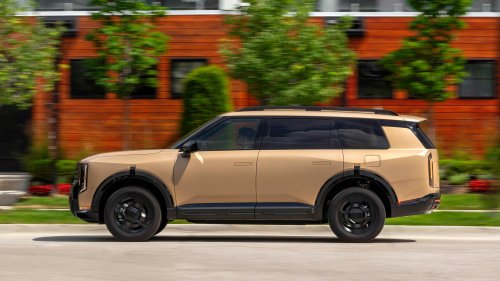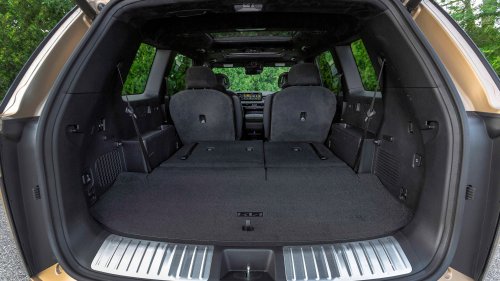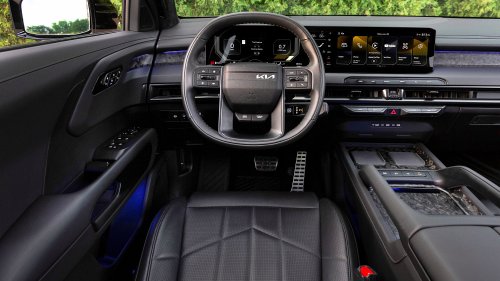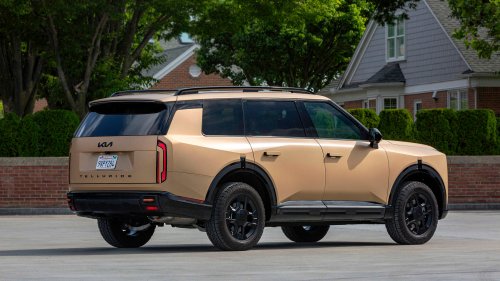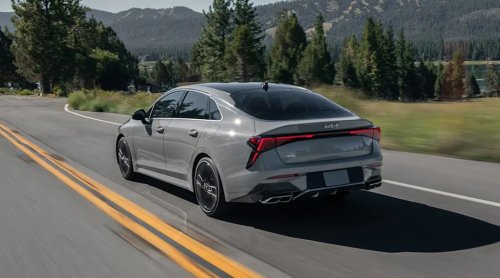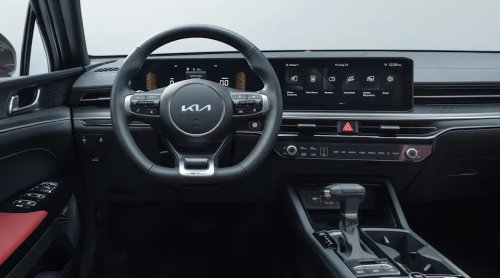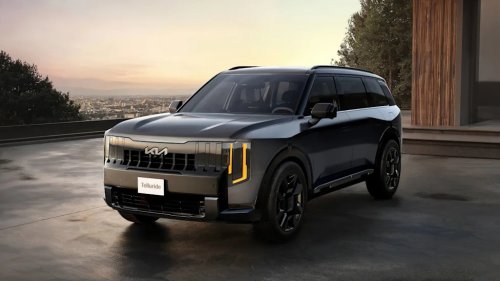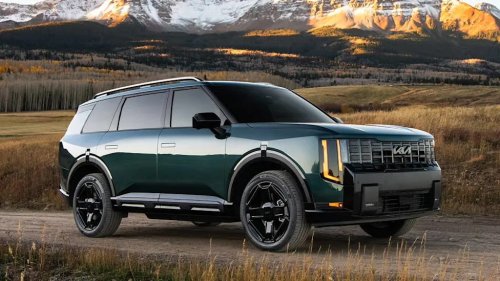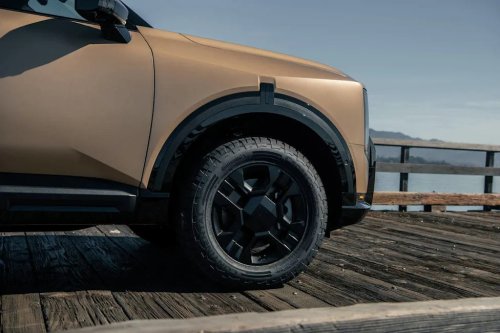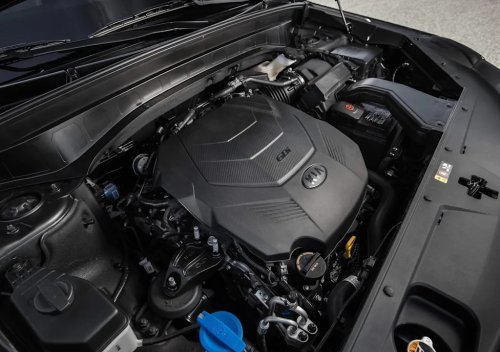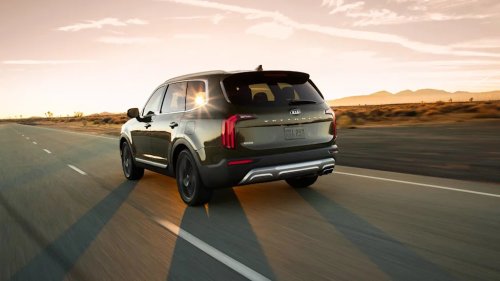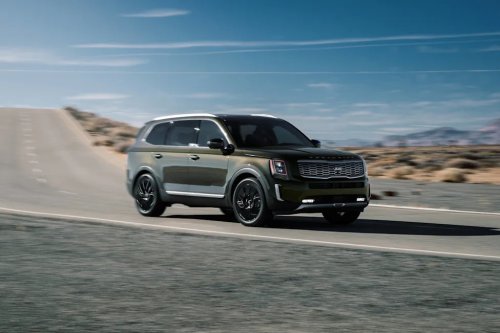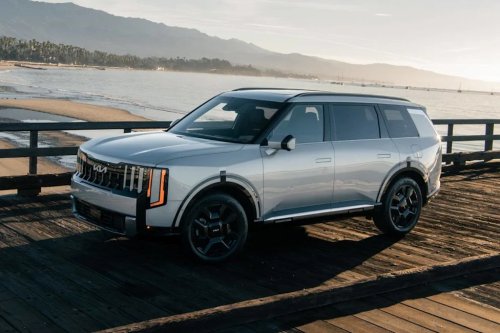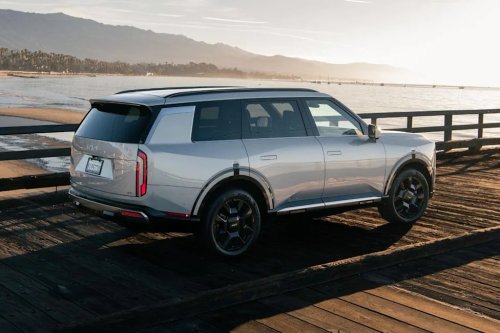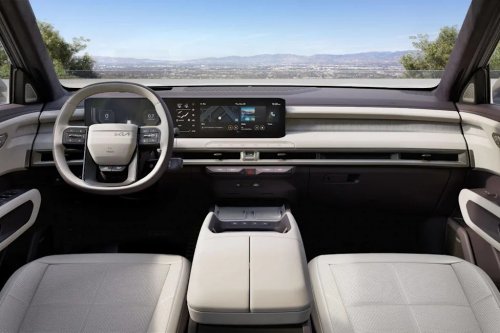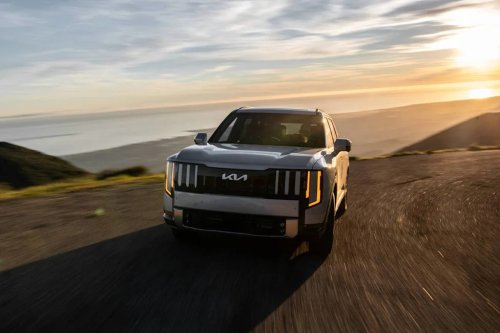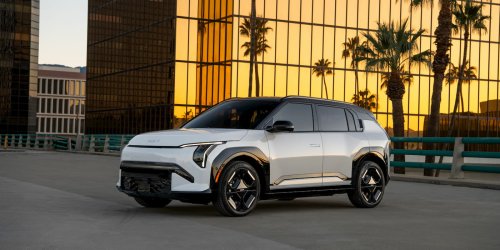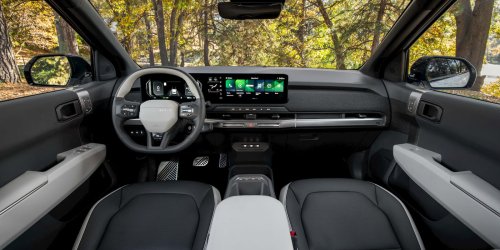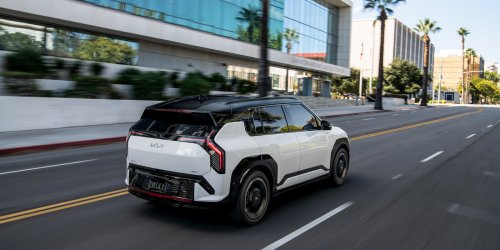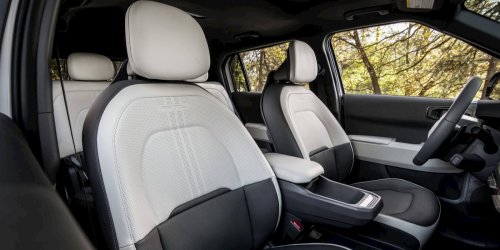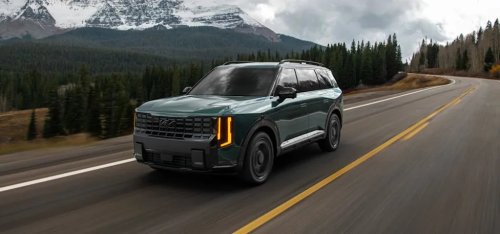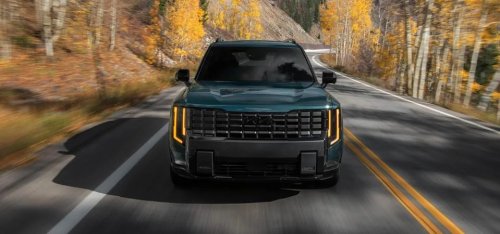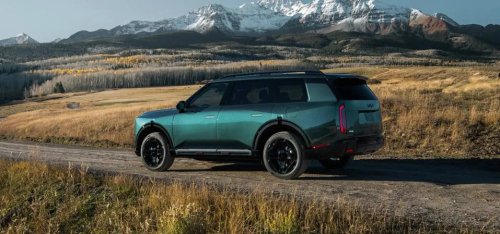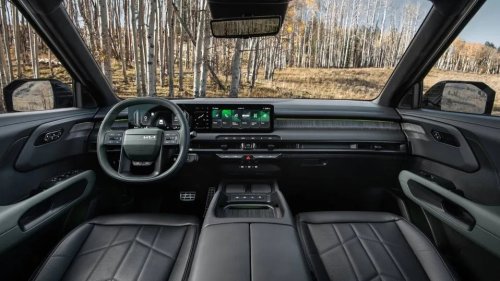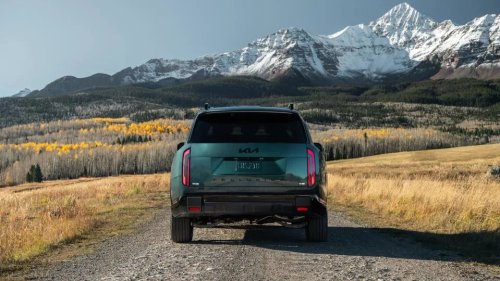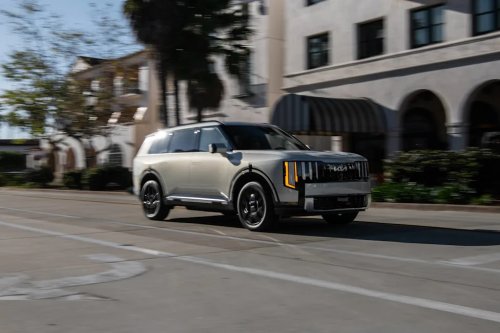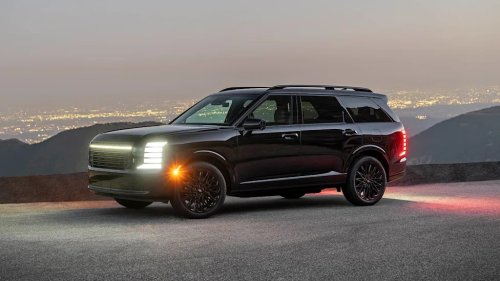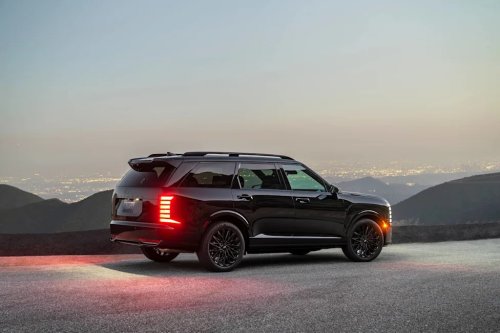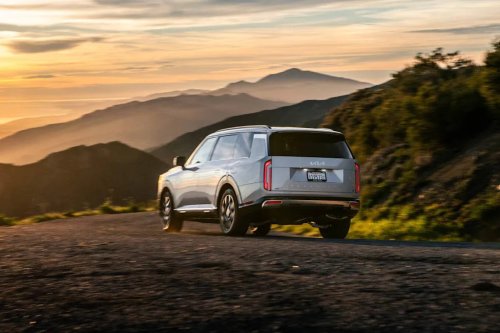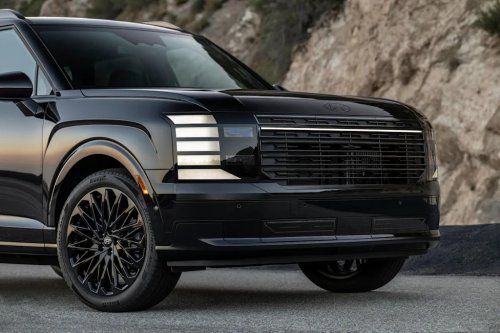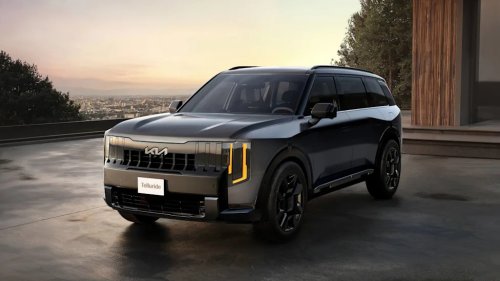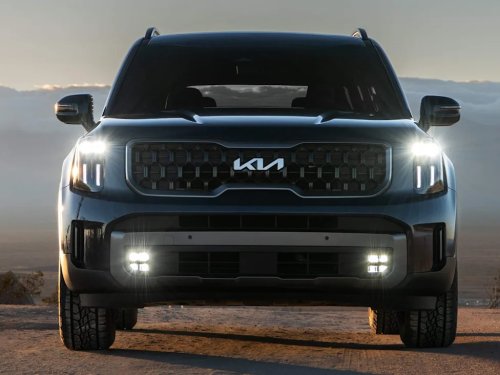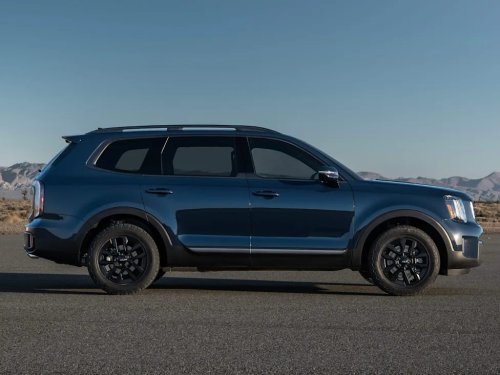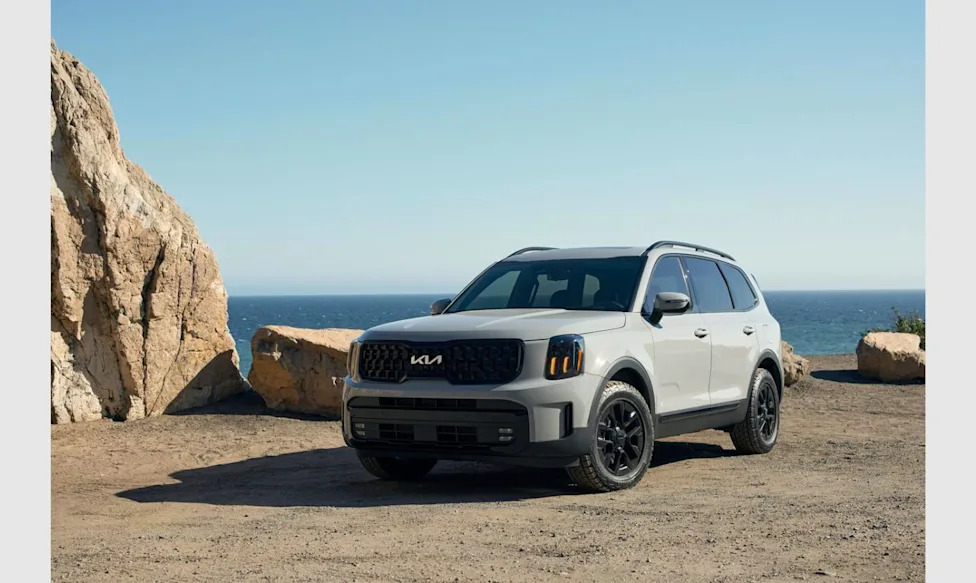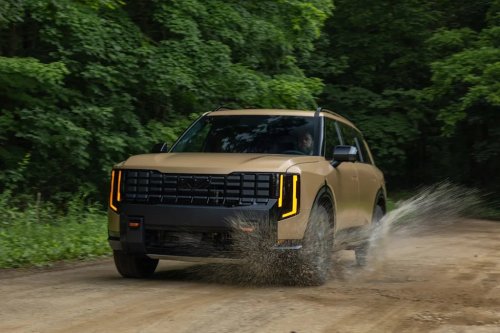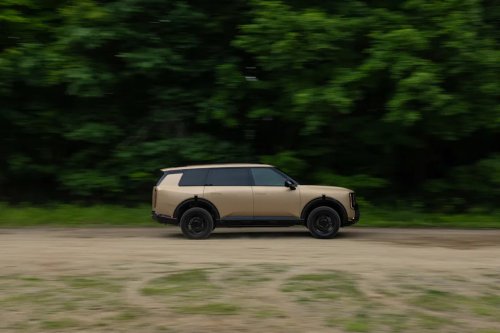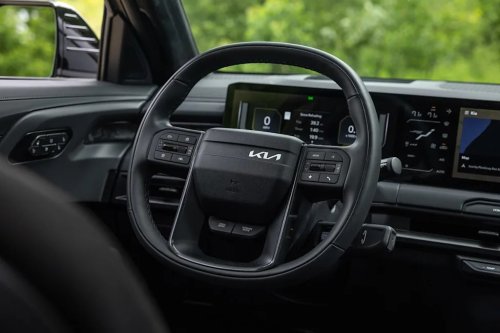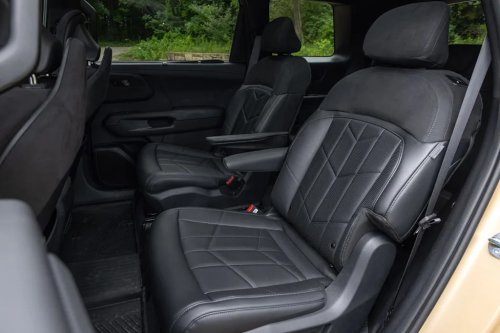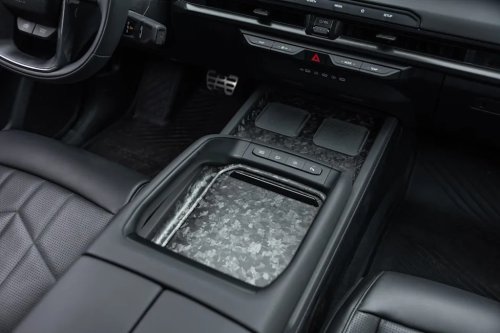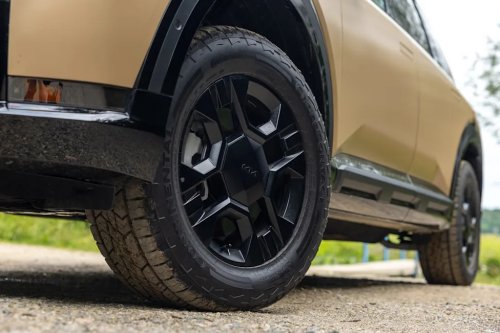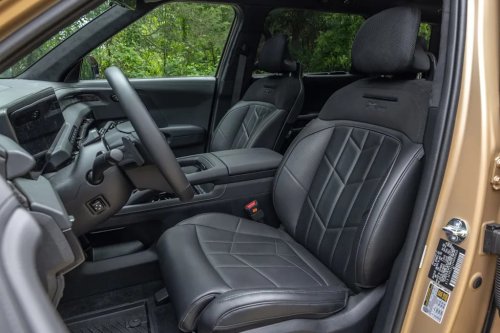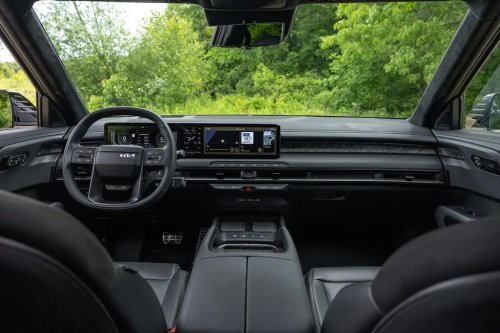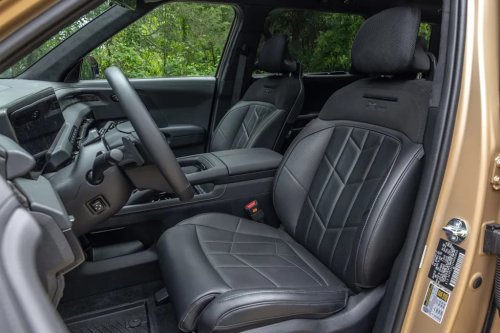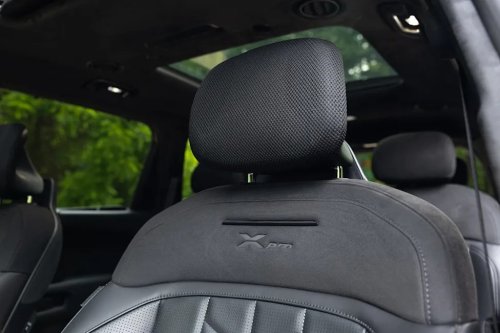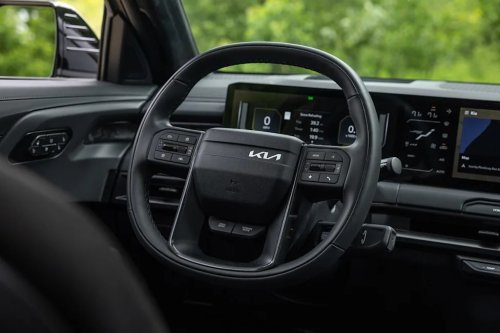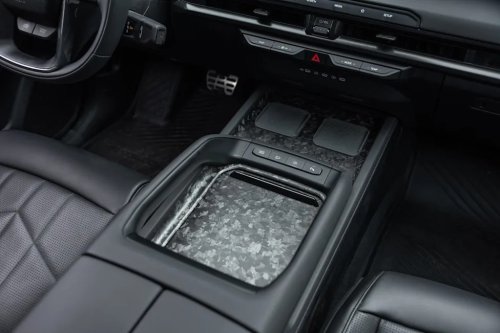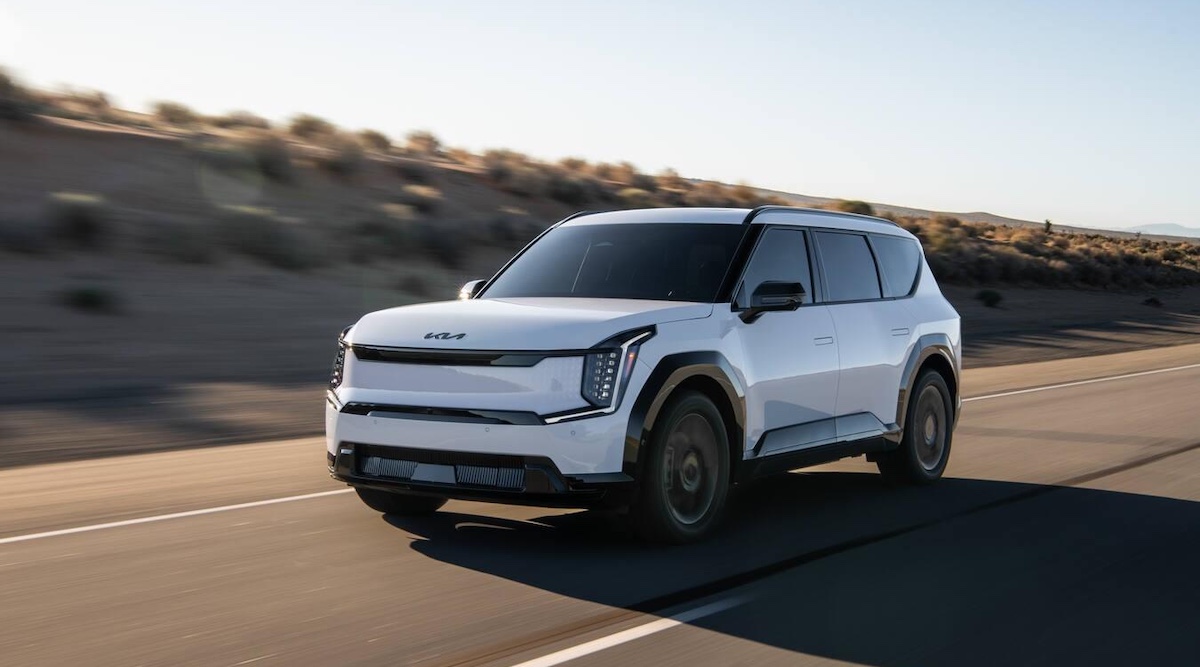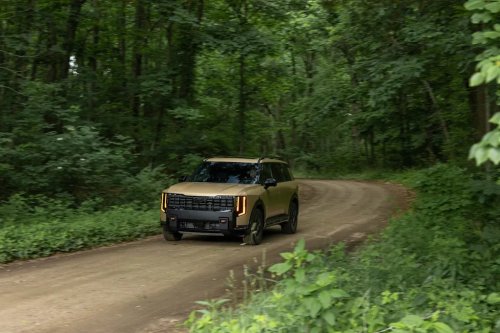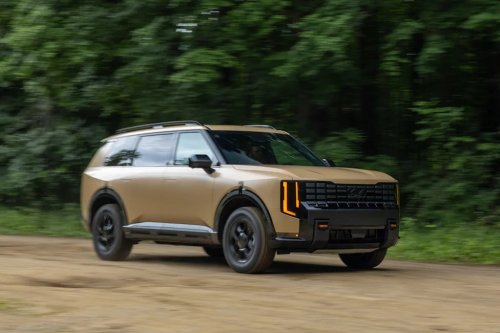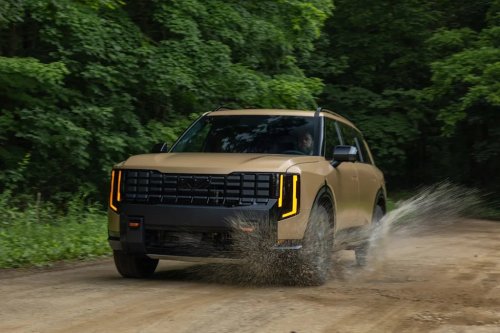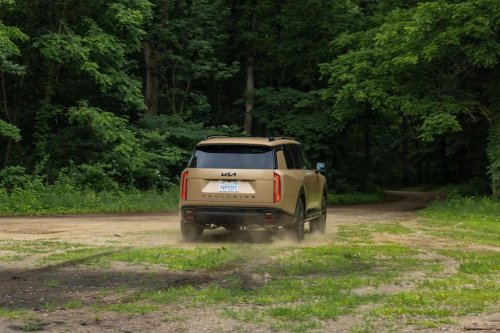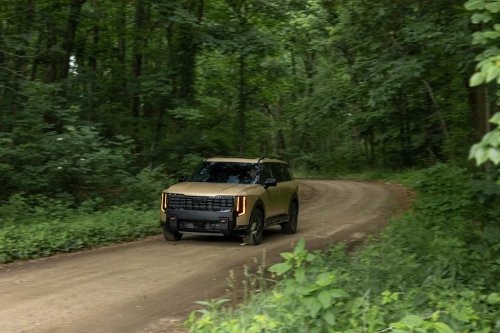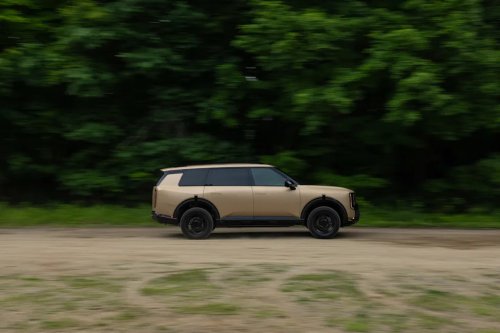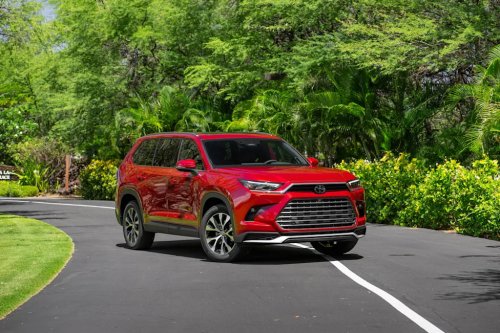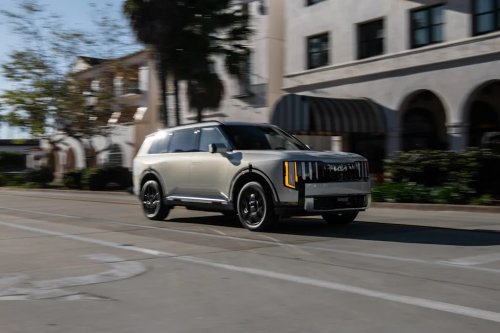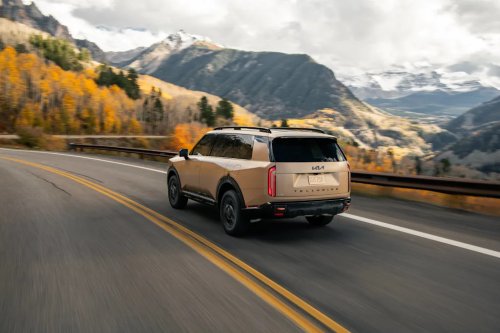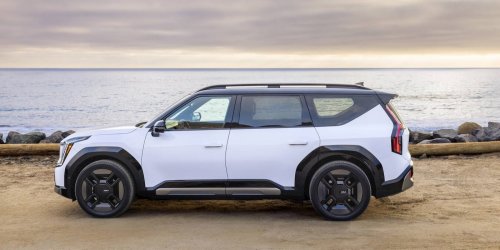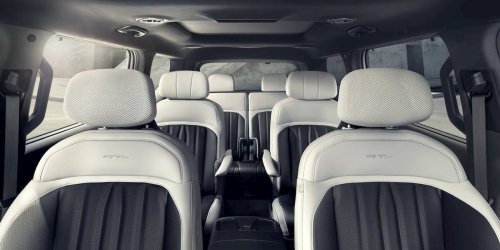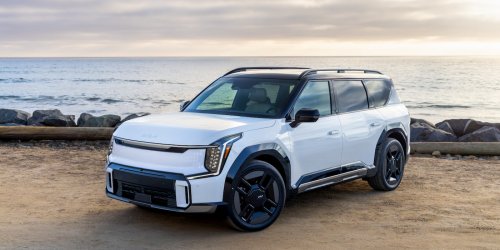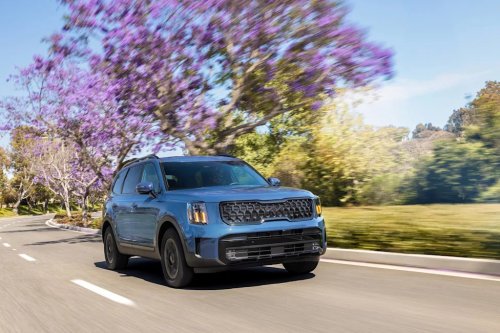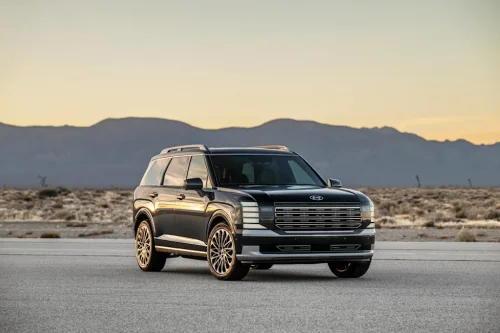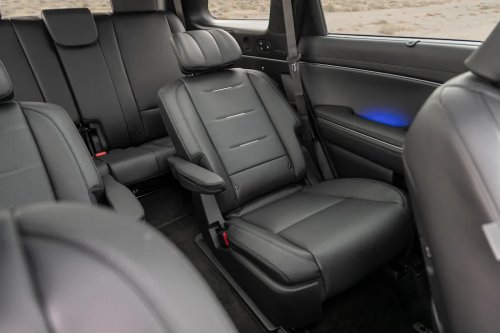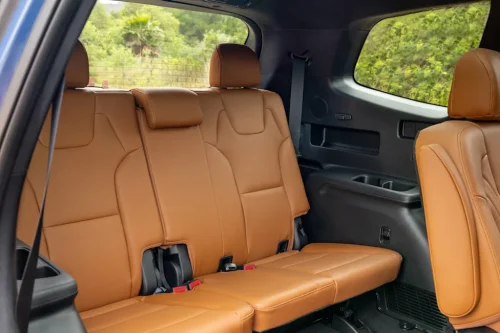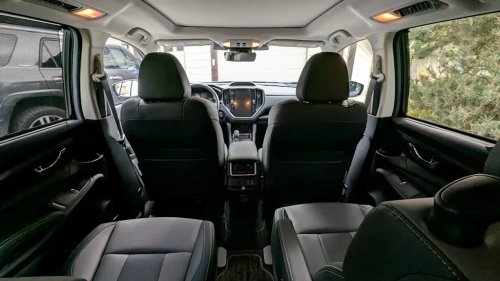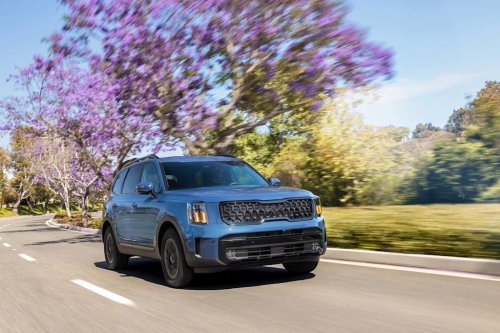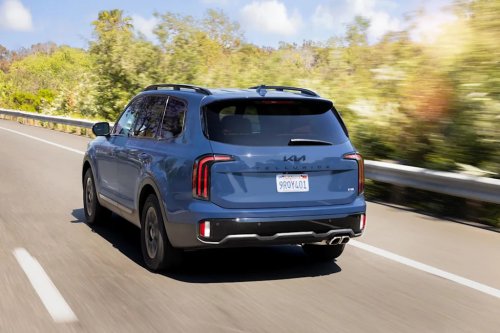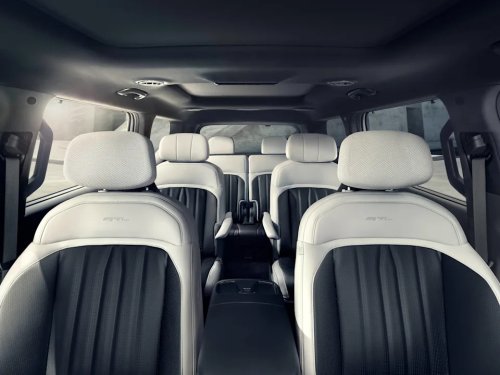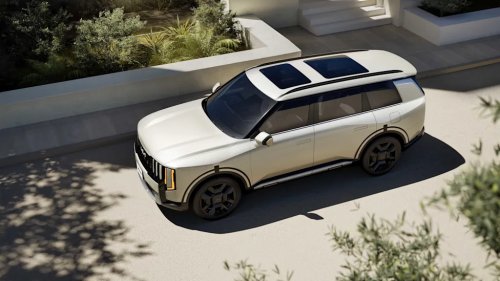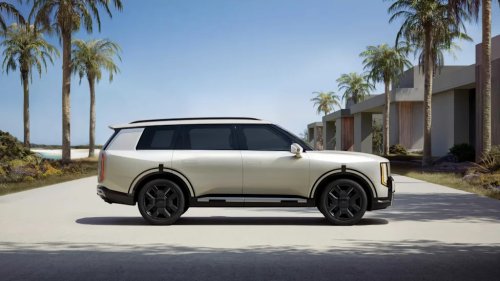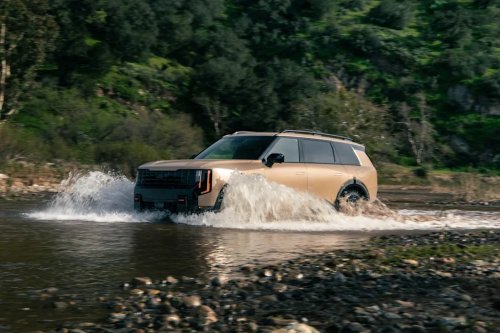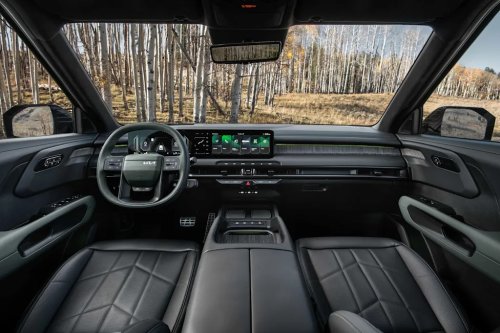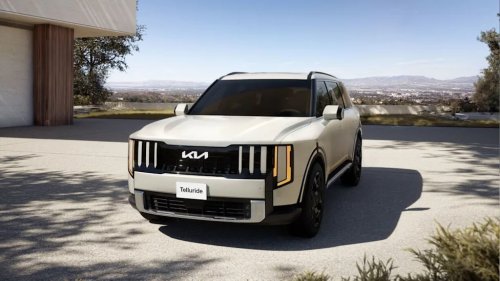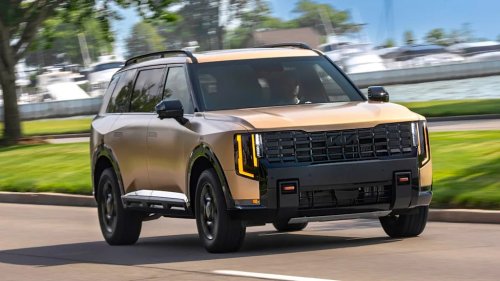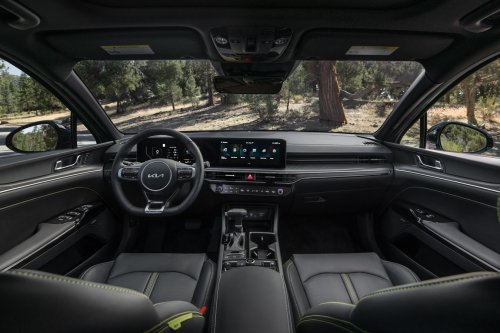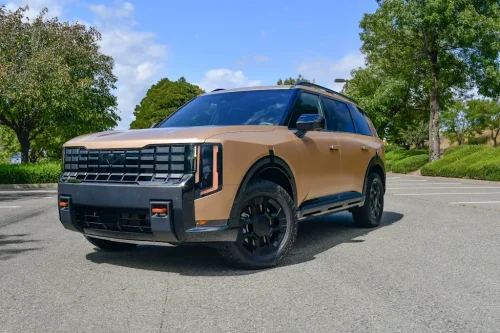
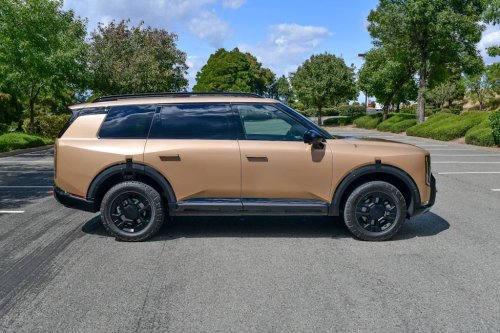
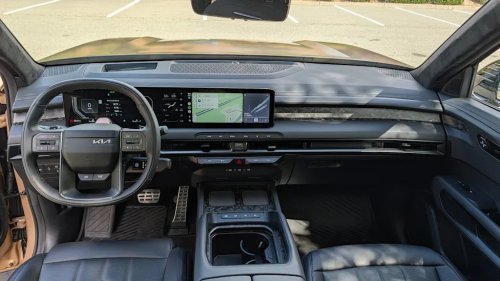
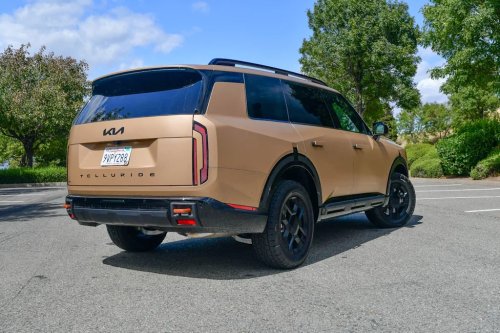
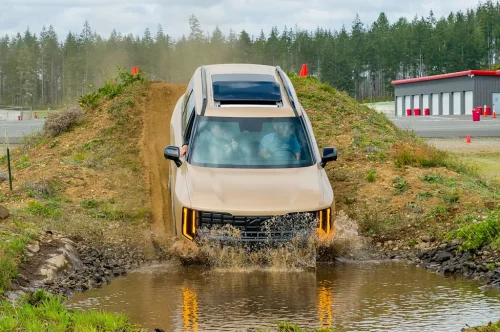
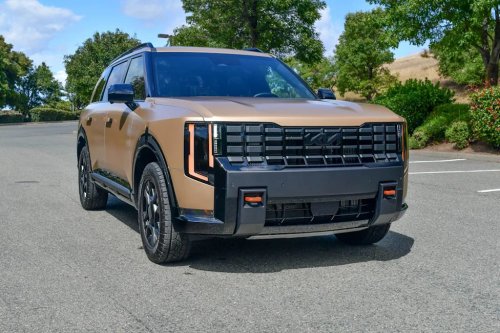
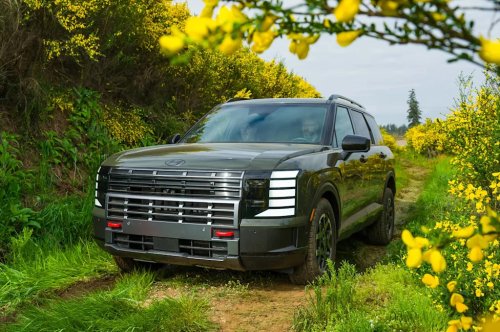


















Autoblog and Yahoo may earn commission from links in this article.Back in 2018, Hyundai Motor Group's engineers and designers in Irvine, California, took a quick look at what was selling in America. Likely over coffee, they said to each other, "You know what Americans would really like? A big, three-row SUV with an actually usable third row, a trucky and torquey V6 that helps provide a decent towing rating, and fun, quirky styling unlike anything else on the market. Oh, and fit it with incredibly capable all-wheel drive, and we'll have a best seller in no time." They were right, of course. Even when it debuted as a concept in 2016, parents were drooling over it. It was a large SUV without looking like a short bus. Plus, it came with excellent cargo space, a spacious and functional interior, and of course—we all remember that commercial of a Telluride doing an off-road trail in Moab. That certainly helped people come around.Kristen Brown/AutoblogKia kept the initial design for a long while, only making minor changes so as not to scare away its now-loyal fanbase. But designers took a drastic step for the 2027 model and gave the Telluride more than just a refresh. They changed the look entirely to fit the company's new angular, sharp, Cyberpunk-esque design language. The Telluride is still a large 3-row SUV with a functional third row, but it looks like it's something out of a video game. My daughter says it looks like a Hot Wheels or a Matchbox car (two things she absolutely adores, by the way). On the outside, it dares to attract a different kind of buyer. One that's ready for adventure with the kids in tow. But does it pack the same family-friendly punch as the last generation did, without its signature V6? I put my two car seat-bound toddlers in a new $59,580 X-Pro SX-Prestige model to double-check.AdvertisementAdvertisementRelated: Road Ethos Launches: The New Automotive Lifestyle Site You Should ReadThe 2027 Kia Telluride went through a growth spurt, but the essentials remainThe first thing I noticed with the new Telluride is that it was larger and taller than the first generation, but not wider. Though somehow, the redesign makes it look wider. The wheelbase is longer, too, translating into more legroom all around, easier third-row access, and more cargo space in the trunk. Because it's longer and taller, the doors open wider than on the last model, making it easier to install and uninstall car seats without bending over or awkwardly twisting the back or shoulders. I did notice that, with more legroom, there's more room for rear-facing car seats. For my front-facing beasts, it meant they didn't have as much leverage to kick the backs of our seats out of excitement. Everyone wins in that department. However, because it's larger than the last model, it also meant it didn't fit as well in my driveway. But then again, a modern car that perfectly fits in a normal 2-car driveway is a rarity in its own right.Kristen BrownAnd while the outside got a drastic facelift and overhaul, what I liked about the last model was still there. The outward visibility from the driver's and passenger's seats was excellent. There are two sunroofs, one over the driver and front passenger, and one over the second row to help let in light and curb carsickness. It still has two 12.3-inch screens spanning from the driver's door to just above the center console (and yes, that dinky, barely visible "third" screen for the HVAC controls was still there, too), and Kia still fit the interior with more cargo nooks and crannies than you'd know what to do with. Since the X-Pro SX-Prestige is at the very tippy top of the line, it also came with an HUD, a smart rear view mirror for when the back is packed with the family or its goods, and heated and ventilated captain's chairs in the second row. Kristen Brown/AutoblogSo, we're off to a good start. Especially since my daughters' car seats were insanely easy to install and remove once the loan was over. The windows were large and came with built-in manual sunshades, excellent overhead A/C vents that were accessible from the driver's seat, and all-weather floor mats to protect the carpet against spilled milk or juice (and to make vacuuming up crumbs a lot easier). It's everything I liked about the last one, so I liked that Kia didn't change the meaty part of the recipe. This one's made to be comfortable on and off-road The X-Pro is to Kia what the XRT model is to Hyundai. It's the off-road-roady trim that comes with all-terrain tires, an electronic limited-slip differential in the rear, and, most notably, those bright orangey-red tow hooks in the front and rear. The suspension is tuned, the ground clearance is increased from 7.4 inches to 9.1 inches, and some changes to the automatic transmission and cooling systems bump the towing rating from 5,000 lbs to 5,500 lbs. Looks-wise, I feel like I've covered that, but there's a lot of blacked-out bits to help make it look more manly, like a blacked-out front fascia and emblems, glossy black wheels, black mirror caps, a standard roof rack on raised rails, and the wheel fender arches are blacked out and fitted with extra cladding to protect against gravel and debris while off-road, too.Kristen Brown/AutoblogSoftware-wise, there's a menu, feed, and some features the X-Pro sees that other models don't. On the main menu, there's an "off-road" page that, when you open it, adds more trail-friendly utility. All higher-up trims of the new Telluride come with several cameras on the exterior, but the X-Pro repurposes them as trail cameras at low speeds. The camera on the front bumper, both side mirrors, on the tail gate, and the 360-degree parking assistance view for off-road use. The software provides an "under-the-nose" camera view directly onto your center screen, allowing you to see the exact ground right in front of your tires.AdvertisementAdvertisementI wanted to circle back to the E-LSD for a second, because it adds some heft to the argument. Standard Tellurides use brake-based vectoring (clamping the brake on a spinning wheel to force power to the other side). The X-Pro's E-LSD software and hardware proactively sense traction loss and lock up the rear axle before the wheels start spinning wildly. When you toggle the center console knob from standard Drive Modes (Eco, Comfort, Sport, Smart) over to Terrain Modes (Snow, Mud, Sand), the software completely rewrites its code. In "Mud" or "Sand" mode, it commands the E-LSD to stay tighter, desensitizes the traction control so the turbo engine doesn't bog down, and holds lower gears longer to keep your momentum going through muck or deep silt. I already know that HMG's all-wheel drive is insanely capable, but I liked that the hardware does the heavy lifting, but the software makes it so seamless and effective.(C) 2026 Doug Berger | DBPicsWhen it's not on the trail or at a campsite, though, it drives nicely. Eco doesn't do much for mileage, but I'll talk more about that later—but the best, most well-rounded drive mode was Normal. It had the nicest balance of power; it wasn't too eager, but it wasn't too slouchy, either.Related: I Drove The 2027 Kia Telluride X-Pro On- And Off-Road At Mudfest: Here's My Honest Review Of Kia's Three-Row Adventure SUVI miss the V6, especially since mileage isn't much better. But we get a hybrid!The new Telluride bids farewell to the company's 291-horsepower 3.8-liter V6, and replaces it with a 274-horsepower 2.5-liter turbo four. You might be thinking, "Hey, sometimes a turbo-four generates as much torque and horsepower as a V6 but with better mileage." While that's the case for most automakers, it wasn't necessarily the case for the new Telluride. The late V6 was rated for 18 mpg in the city and 23 to 26 mpg on the highway, equating to roughly 20 to 22 mpg combined, depending on whether or not it was equipped with all-wheel drive. The new turbo-four is rated very similarly, at 20 city, 24 highway, and about 20 combined. The towing rating is the same as the V6, though, at 5,000 pounds (unless you get the X-Pro, which can tow up to 5,500 lbs). While you lose 17 horsepower on paper, the turbo-four delivers 49 lb-ft of extra torque and slightly better city and combined mileage figures. To me, it doesn't feel like that worthy of a trade-off (but then again, I like my V6s).Kristen BrownThere's a reason for this madness, though. That powerplant can be hybridized, and the 2027 model is the first generation of Telluride to get it. In fact, it has the same new, performance-oriented hybrid setup that debuted with the new Hyundai Palisade hybrid: a 2.5-liter turbo-four hybrid that produces 329 horsepower and 339 lb-ft of torque. My Telluride tester wasn't the hybrid model, but I loved the Palisade's hybrid configuration. It was torquey, quick, and efficient. I averaged about 25 mpg in the Palisade hybrid, while in the gas-only Telluride, I averaged about 19.5 mpg combined. It's a bit of a shame you can't get the off-road-ready trim with the hybrid engine with the added torque and efficiency, but… Maybe if we all write strongly worded letters, we will.The one caveat for me was the price—especially if you cross-compare with the Hyundai Palisade XRT ProNot unlike the outgoing model, the new Kia Telluride has a whopping 10 trims to choose from. The base model LX starts at a more reasonable $39,190, while the X-Pro SX-Prestige sits at the top with an MSRP of $56,790. Mine had the $995 Terrain Brown Matte color (which looked damn good in person), and a few other add-ons that pushed it much closer to $60,000. Kia describes the trim briefly: "Capable with trail-ready performance." And that it is, with standard all-wheel drive and the aforementioned upgrades. But it's hard for me to justify spending that much money, especially when the X-Pro SX exists, with all the same off-road goodies with a slightly less jazzy interior setup for $53,690. The Hyundai Palisade XRT Pro, which is Hyundai's off-road-ready trim, starts at $49,870. Now, you could argue that the Palisade's XRT Pro is a mid-tier trim with off-road upgrades while the Kia is a top-shelf trim with off-road goodies, and you'd be right.(C) 2026 Doug Berger | DBPicsIf you want the rugged overland toy-truck aesthetic and mild trail capability on a tighter family budget, the Hyundai Palisade XRT Pro is a screaming value at just under $50k. But you have to accept mid-tier compromises on the inside. If you want a vehicle that doesn't force you to choose between rugged mechanical capability (like 9.1 inches of clearance and a 5,500-lb tow rating) and top-tier family luxury (like ventilated second-row seats, a digital rearview mirror, and an ergo-fatigue driver's seat), the Kia Telluride X-Pro SX-Prestige justifies its higher price tag by delivering the absolute best of both worlds. However, I do like that the Hyundai doesn't force the turbo-four on you. It still uses a traditional V6. So, because I'm a sucker for the days of old, I'd pick the Hyundai. Though I certainly wouldn't judge anyone for picking the Kia instead. Final thoughts: it passes the family test with flying colorsThere's enough space, excellent visibility, a comfortable third row, and plenty of thoughtful, intuitive interior and software additions that help make wrangling kids so much easier. My favorite features of the last generation were still there in the new generation; so it's safe to say that the Kia Telluride has been vastly improved without fixing what isn't broken—and that's a rare thing for an automaker to accomplish. My toddlers loved it. My husband loved it. My in-laws loved it, even though they were skeptical about the styling at first. It all grew on us in ways we didn't expect. Is it an excellent family car? Absolutely.AdvertisementAdvertisementThis story was originally published by Autoblog on Jul 2, 2026, where it first appeared in the Reviews section. Add Autoblog as a Preferred Source by clicking here.