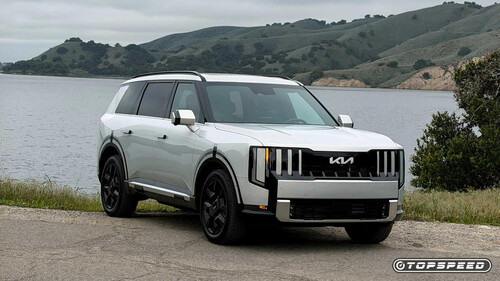
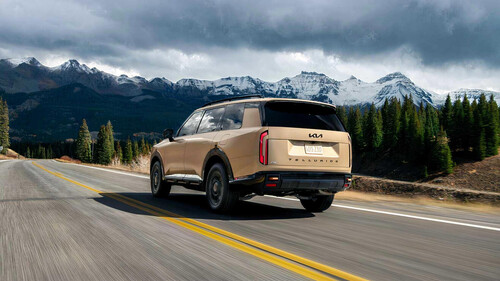
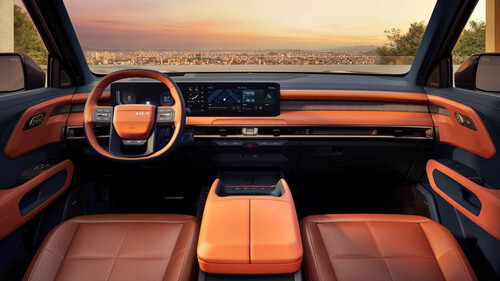
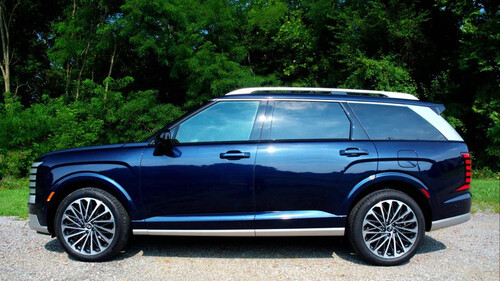
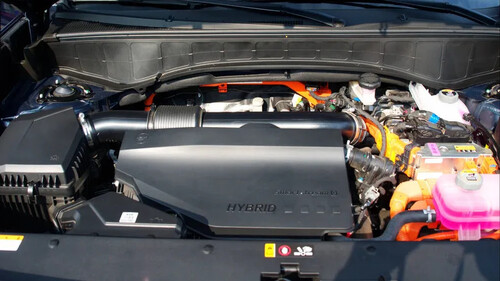
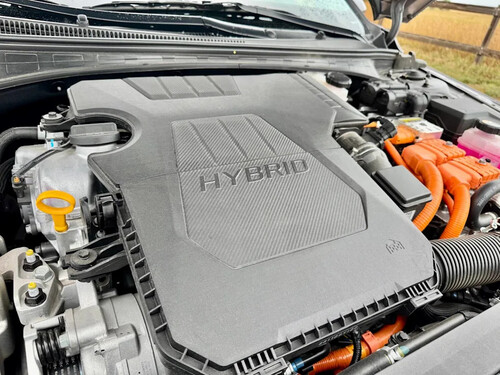
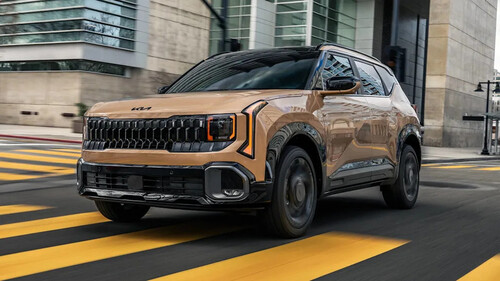
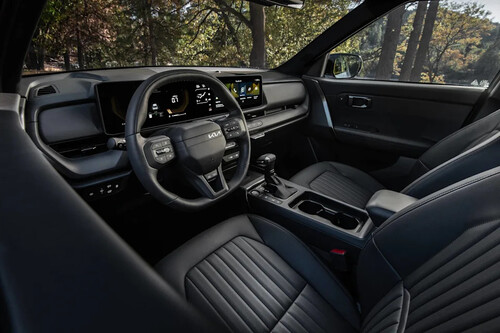
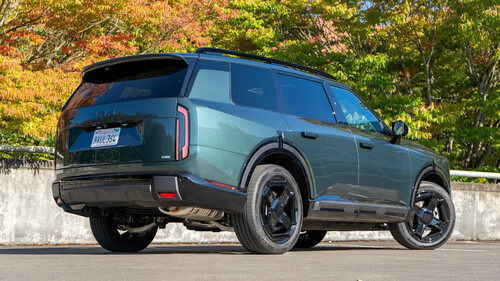
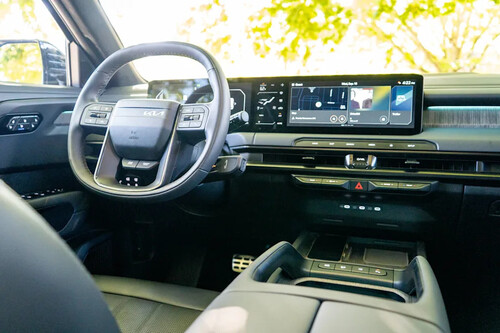
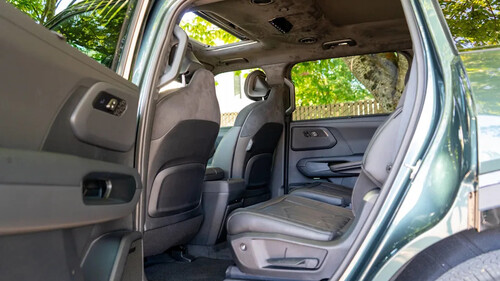
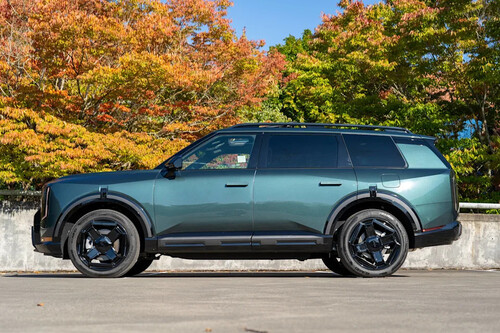
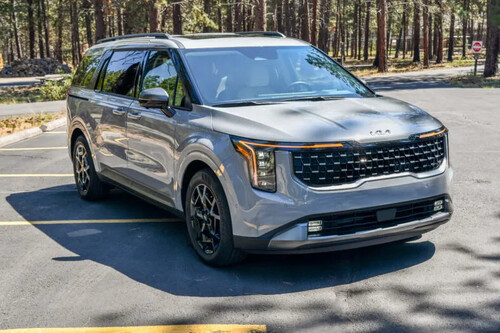
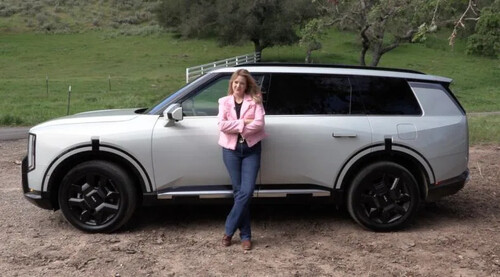
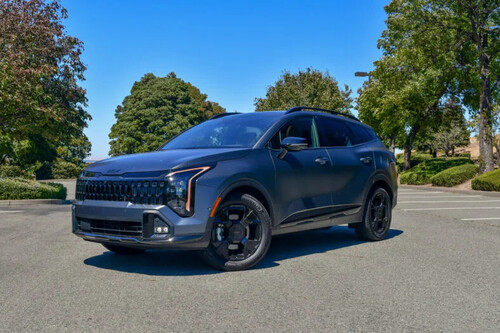
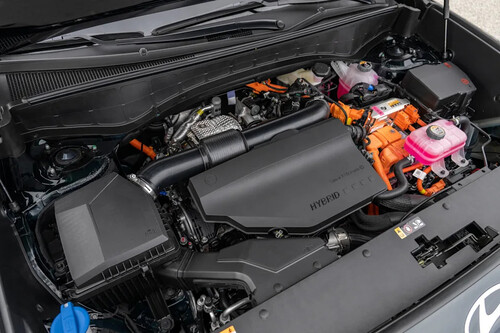
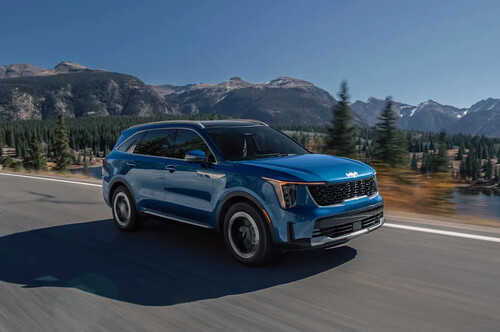
Autoblog and Yahoo may earn commission from links in this article.The Hybridization BandwagonJust about every mainstream automaker is adding a hybrid variant to their most popular SUVs. Subaru, Toyota, Honda, Hyundai, and Kia. The first-generation Telluride relied exclusively on a 3.8-liter naturally aspirated V6 engine. At the time the original Telluride debuted, Hyundai Motor Group's hybrid technology was geared toward smaller crossovers like the Sportage and Tucson. The brand's hybrid system is finally ready for its largest SUVs.KiaFor the 2027 full redesign, the Kia Telluride HEV delivers markedly better efficiency than gas while not compromising everything that made the original Telluride so great (and so popular). With the introduction of a hybrid variant, the question isn't just about improved fuel economy—it's whether electrification changes what made the Telluride so great in the first place. Driving it revealed the Telluride's best aspects, and we discovered what changed with the new powertrain and the new design.The Promise of EfficiencyThe standard V6 from the last Telluride doesn't carry over to the gas version for 2027. While refined and capable, it wasn't especially efficient (18 city, 23 hwy, 20 mpg combined) for AWD. The new gas version uses a 2.5-liter turbocharged 4-cylinder engine, but its efficiency is only slightly improved (18 city, 24 hwy, 20 mpg combined). The new hybrid variant promises a substantial improvement in fuel economy (30 city, 32 hwy, 31 mpg combined) over both the old V6 and the new standalone 2.5-liter turbo four.. That's 10 more combined mpg than the gas version in all-wheel drive configuration.Amos KwonIn theory, this makes the Telluride Hybrid a more compelling family hauler because of the lower fuel costs, fewer stops at the pump, and reduced emissions that all align with the expectations of many three-row SUV buyers today. But efficiency doesn't always result in a great driving experience, so it's not a given that the Telluride HEV would outshine the gas version when it comes to seat time.A Shift in Power DeliveryKiaAdvertisementAdvertisementThe good news on top of the increased efficiency is the way the hybrid system delivers power. The Telluride HEV's self-charging turbo-hybrid system pairs a 2.5-liter turbocharged four-cylinder engine with two electric motors and a 1.65-kWh lithium-ion battery. The combined system delivers a healthy 329 horsepower and 339 lb-ft of torque, with power routed through a conventional six-speed automatic transmission instead of the continuously variable transmission (CVT) commonly found in many hybrid SUVs. The result is a more natural driving experience with crisp, familiar gear changes and strong acceleration.KiaOff the line, the difference is noticeable. The immediate response from the electric motor gives the Telluride Hybrid a smoother, more effortless initial surge. Around town, it can feel more responsive than the V6, particularly in low-speed scenarios like merging or navigating traffic. However, that advantage tends to taper off at higher speeds. As the gasoline engine takes on more of the workload, acceleration demands aren't proportionally answered and the system becomes less distinctive.Thinking about selling your car? Get an instant cash offer online now. Click here to get started.Weight and Handling ConsiderationsAmos KwonAdding a battery and electric motor inevitably introduces extra weight. In hybrid format, the Telluride can weight up to 5,062 pounds (X-Line SX Prestige AWD trim). That's heftier than the gas version's heaviest 4,744 pounds (X-Pro SX Prestige AWD trim). That additional weight is well-managed but still perceptible. The vehicle remains stable and composed, particularly on the highway, but it feels a touch less agile in tighter corners.Steering remains light and predictable, and placing the Telluride HEV into turns presents no issues. The hybrid doesn't fundamentally compromise the Telluride's handling, but if you push it harder into corners, the weight becomes evident. In everyday situations, the Telluride HEV remains stable, balanced, and easy to manage.The additional weight of the hybrid system doesn't significantly alter the driving experience in a negative way. They hybrid's power-to-weight ratio is 0.064 horsepower per pound. The gas version's is 0.057 horsepower per pound, so the Hybrid's added weight is better managed by the additional power provided. It also explains the quicker 0-60 time for the Hybrid in 6.4 seconds vs. the gasoline's at 7.4 seconds.Does It Change the Telluride's Identity?AdvertisementAdvertisementIn a word, no. The hybrid powertrain doesn't reinvent the Telluride, but it does improve the driving experience. Efficiency improves, low-speed responsiveness gets a boost, and overall refinement gets bumped up. At the same time, the driving experience becomes slightly more subdued, especially at highway speeds when compared with the old V6. That said, the Telluride Hybrid carries on the model's tradition of providing power, comfort, smoothness, and the overall driving experience.KiaFor most buyers, the hybrid variant will feel like a natural evolution of the Telluride's character rather than a departure. The Telluride Hybrid retains the qualities that made the original successful while aligning more closely with current expectations around efficiency and electrification. The fact that Kia kept a traditional automatic transmission instead of acquiescing to a CVT means that the Telluride Hybrid doesn't throw in the driving towel in the name of nabbing even more efficiency, and we like that decision a lot.Final ThoughtsThe Telluride Hybrid doesn't significantly alter the SUV's driving character, but it does a add to it in positive ways. It trades a bit of the V6's familiar feel for improved efficiency, a more responsive launch, and a smoother, quieter demeanor. For families whose focus is on comfort and cost of ownership, these are welcome changes that won't feel like a tradeoff in 90% of situations. Kia has preserved just about everything that made the gas-only Telluride so great and modernized it for our times.This story was originally published by Autoblog on Jul 20, 2026, where it first appeared in the Features section. Add Autoblog as a Preferred Source by clicking here.