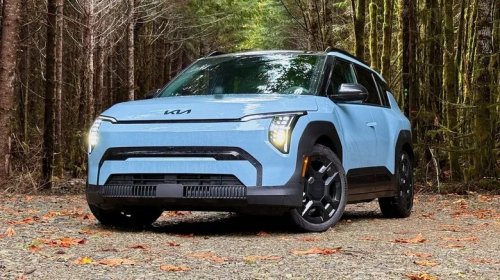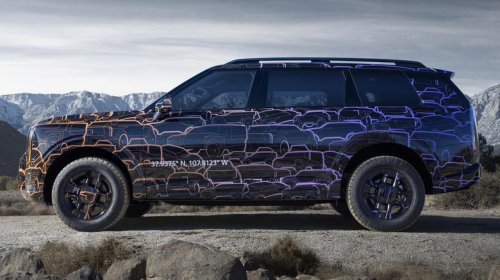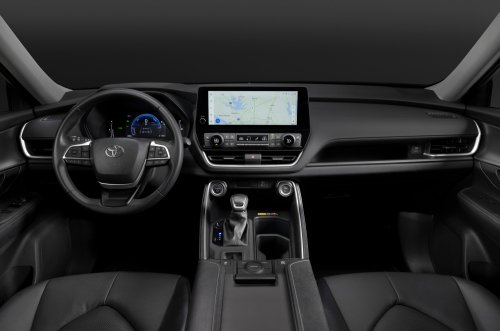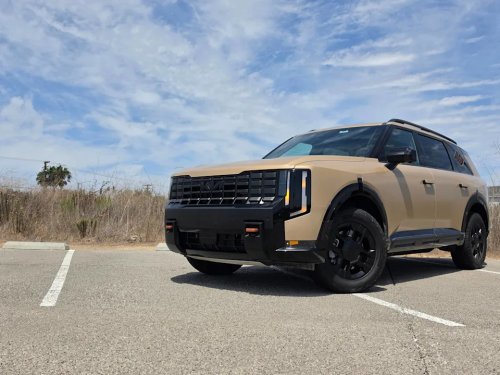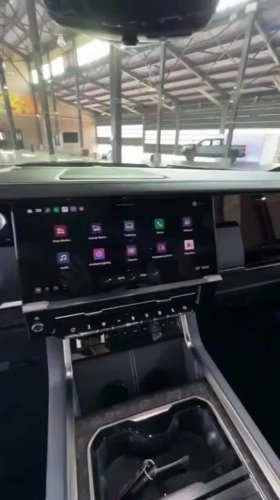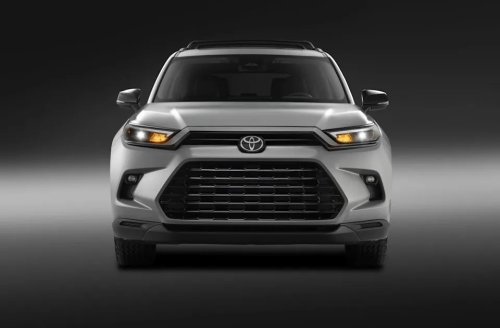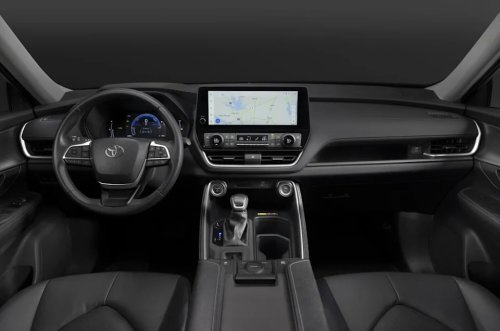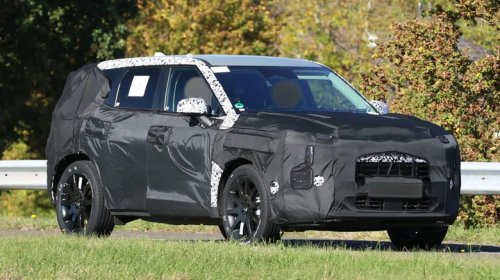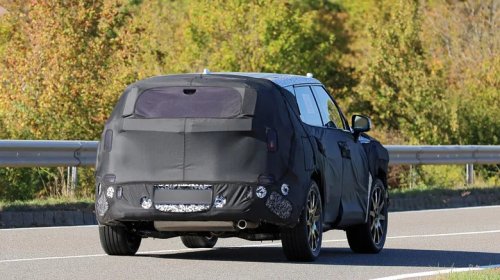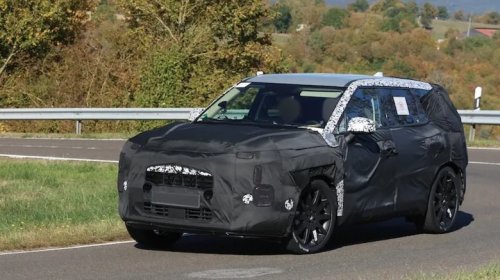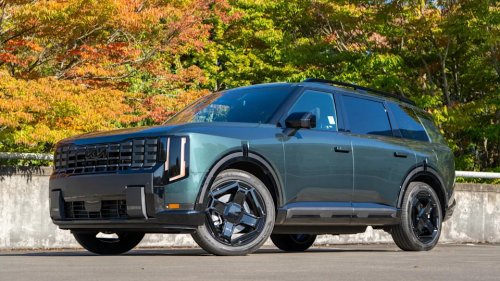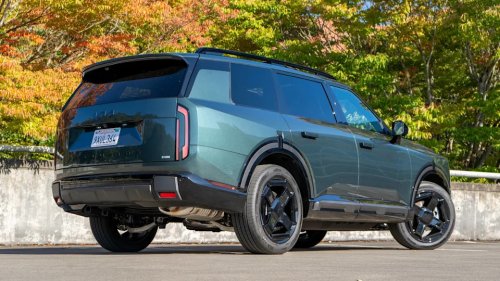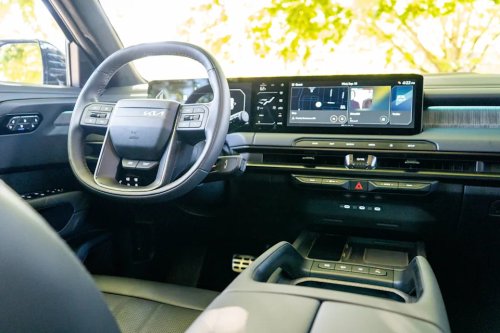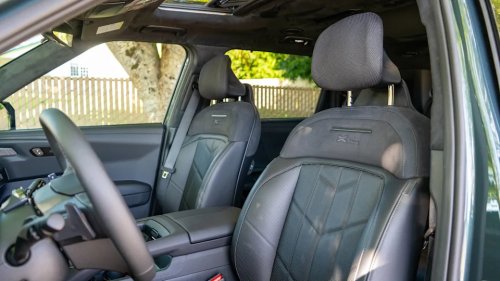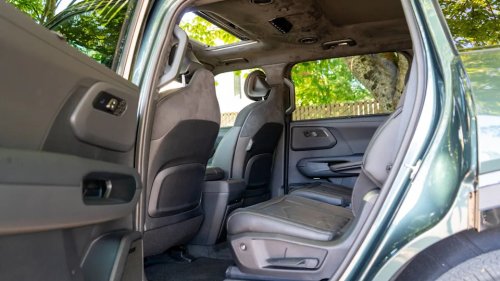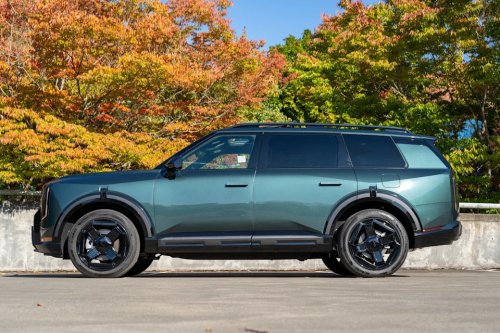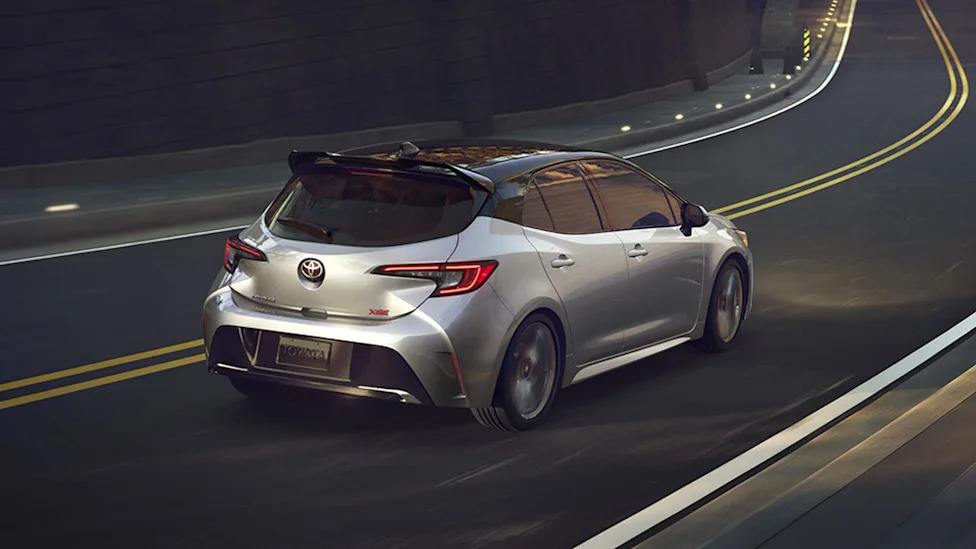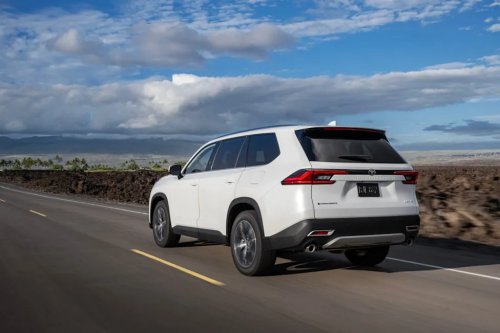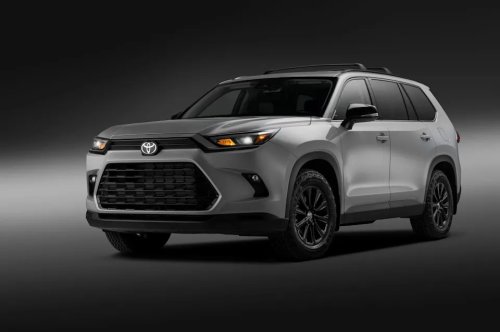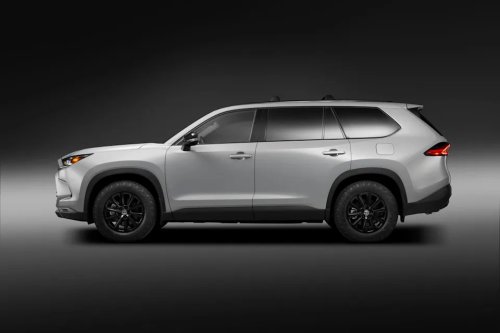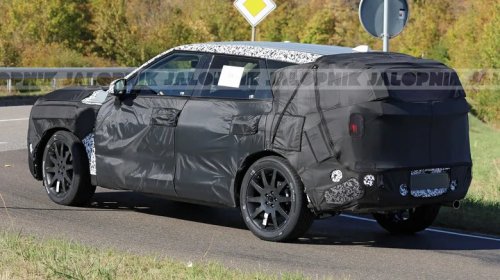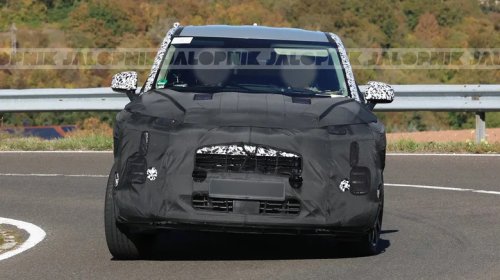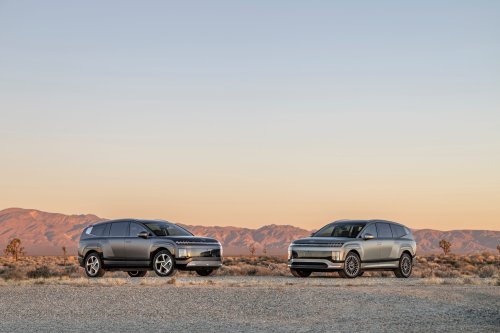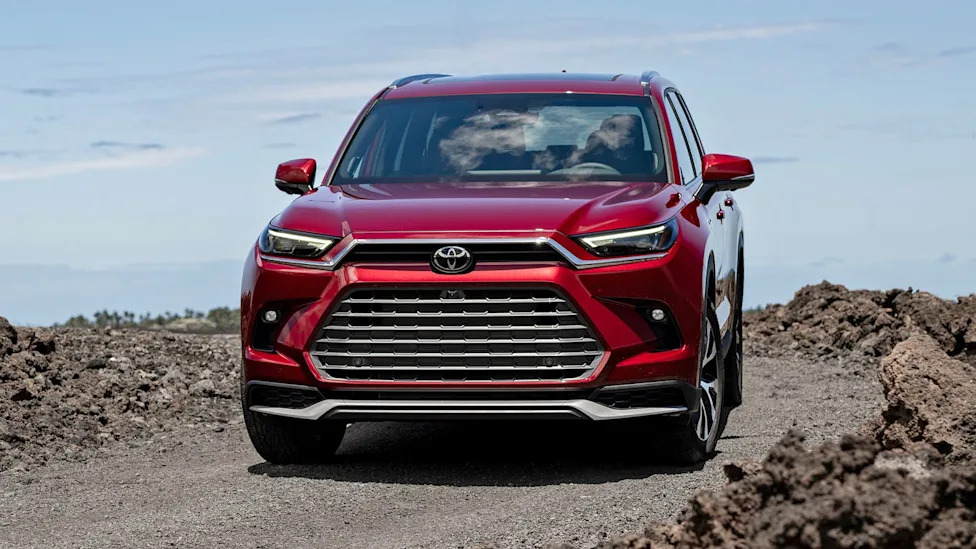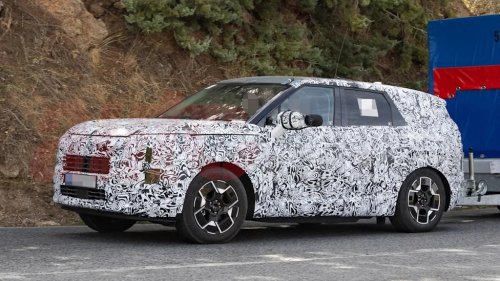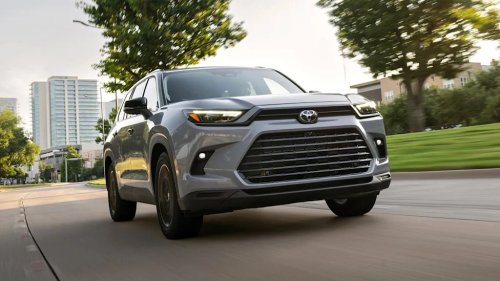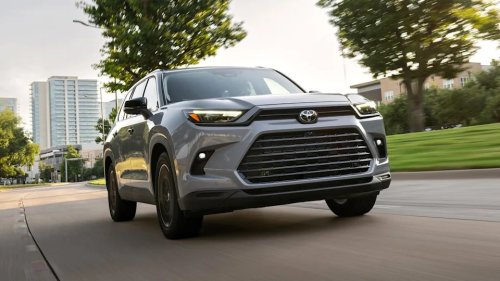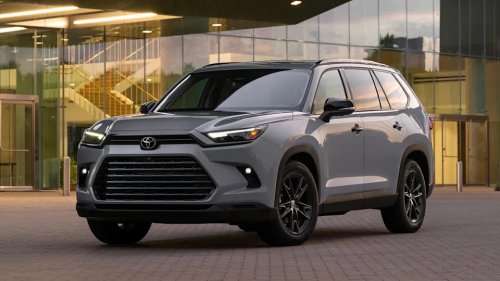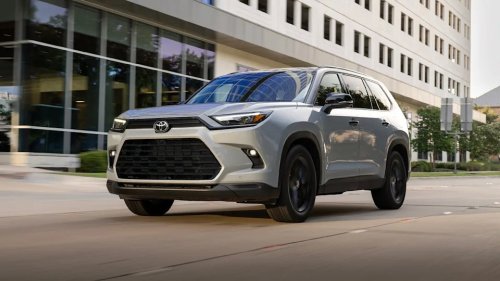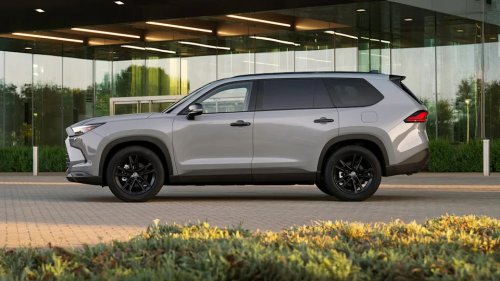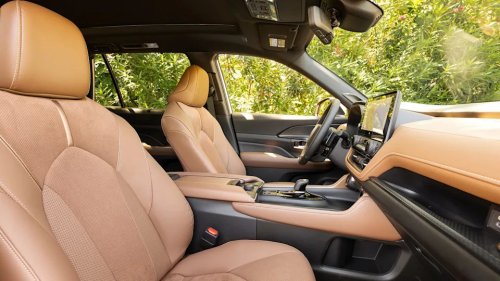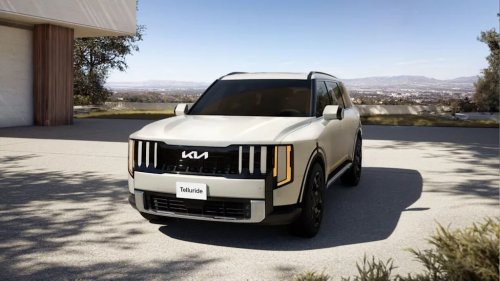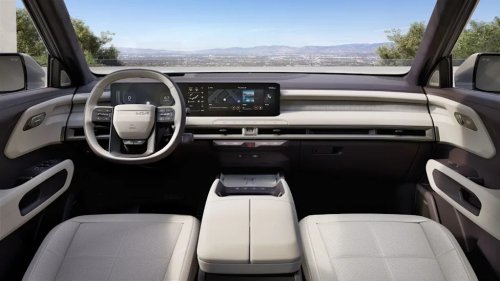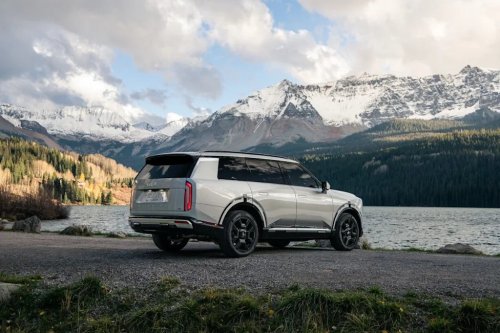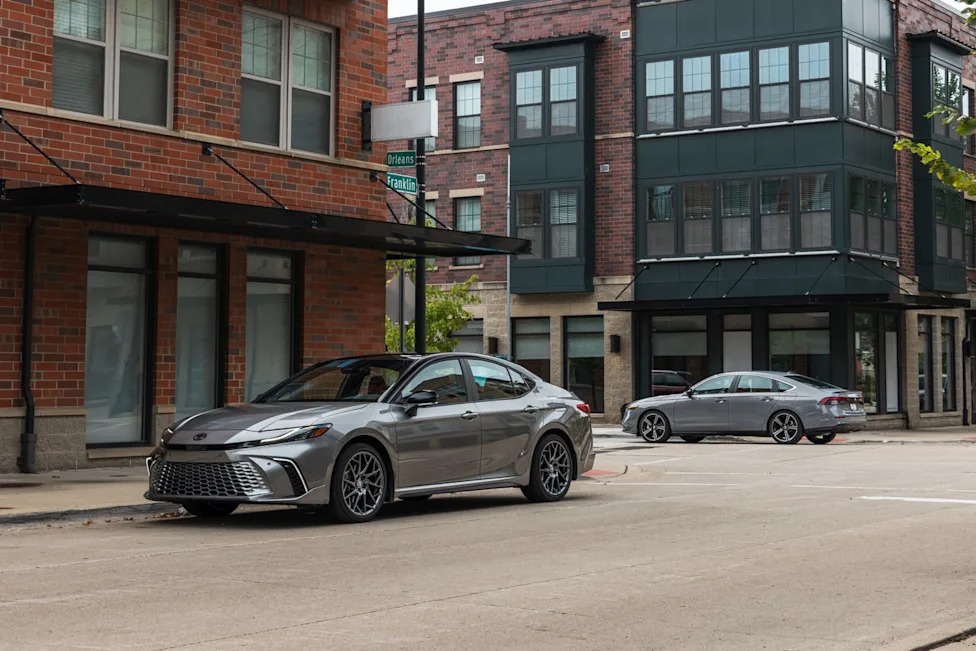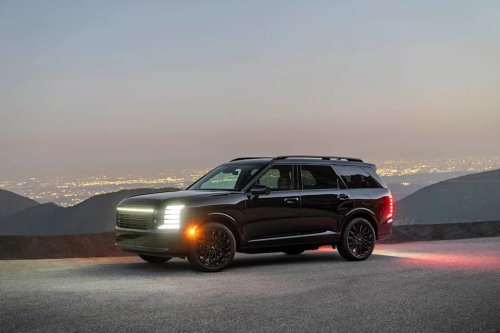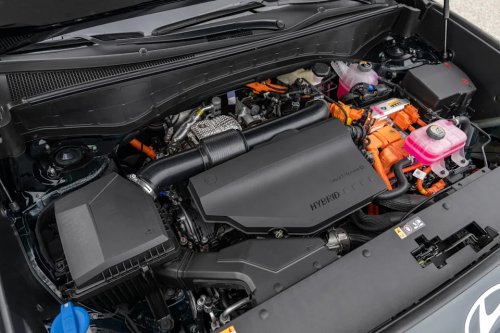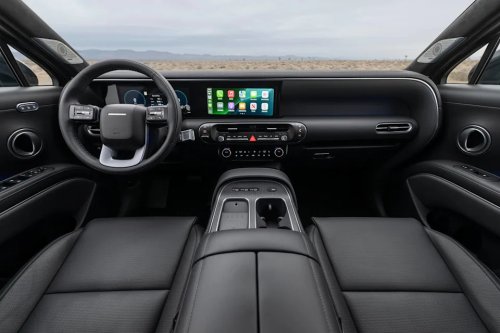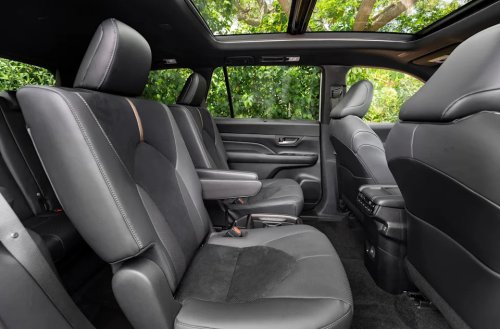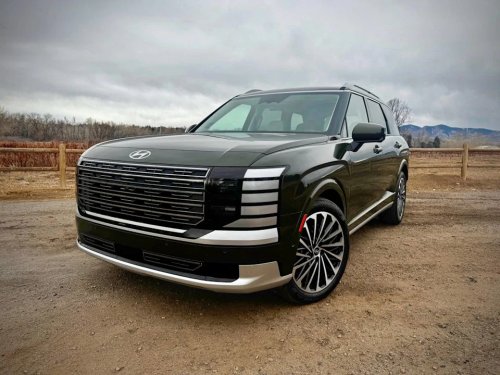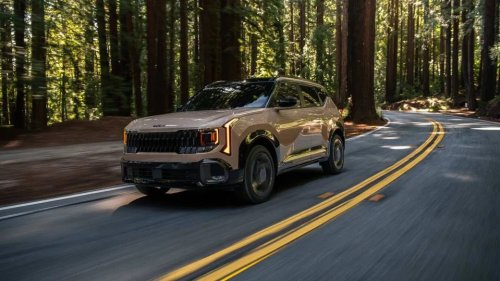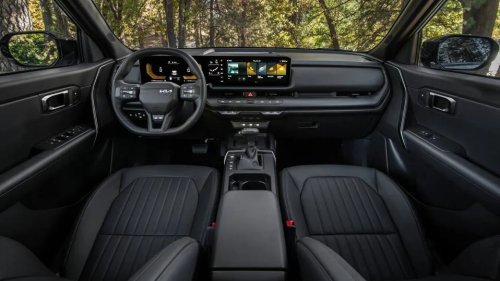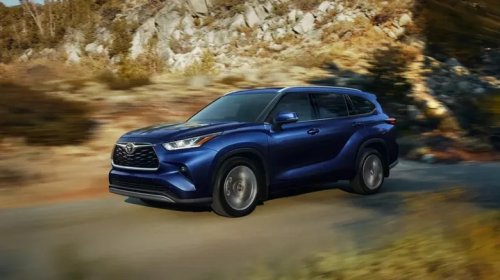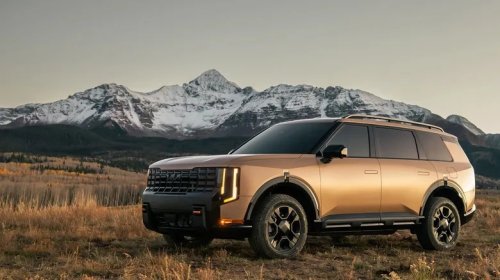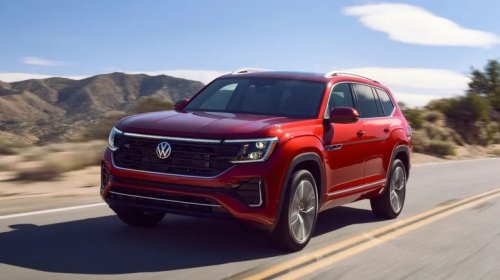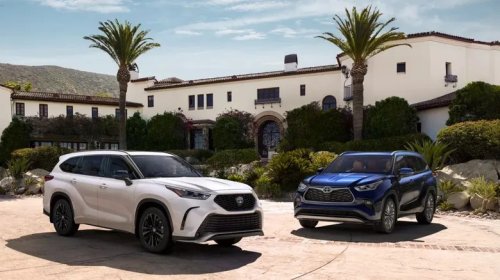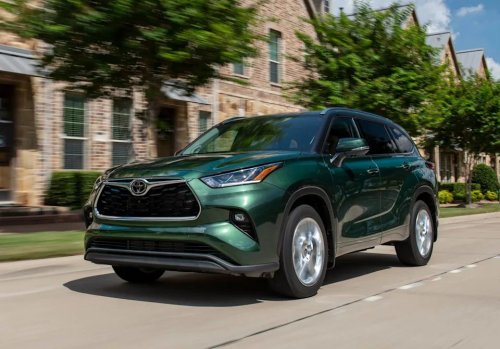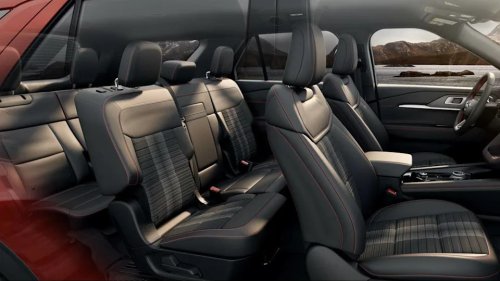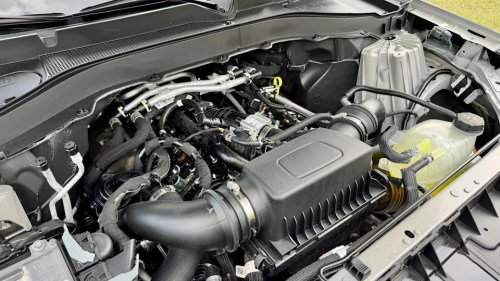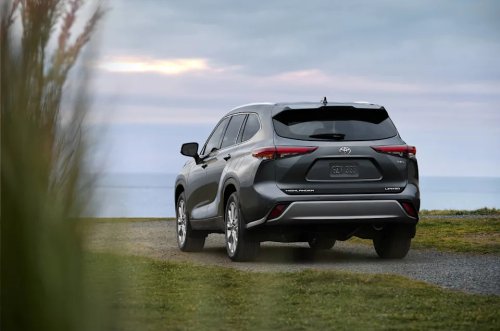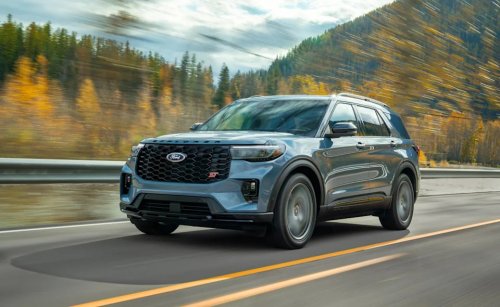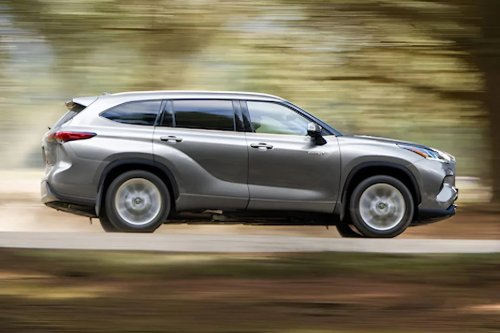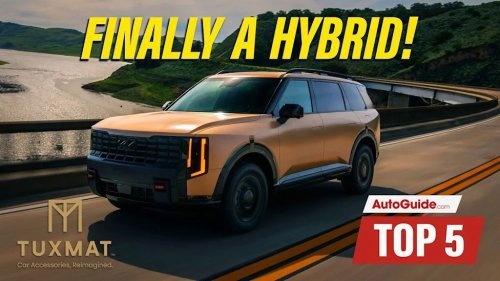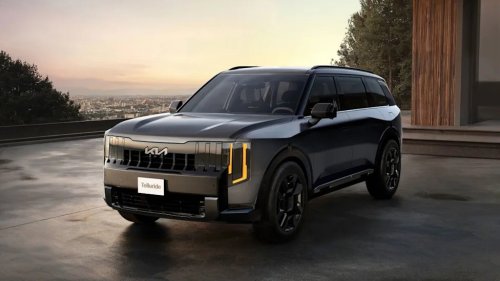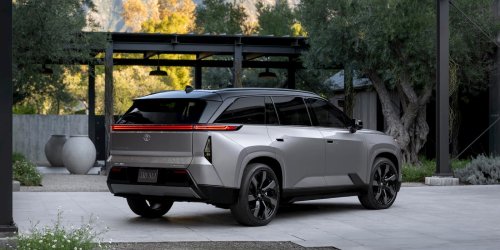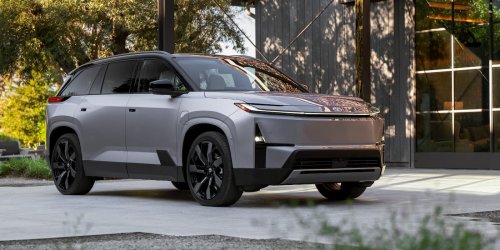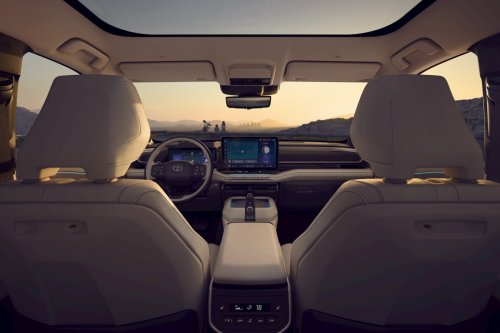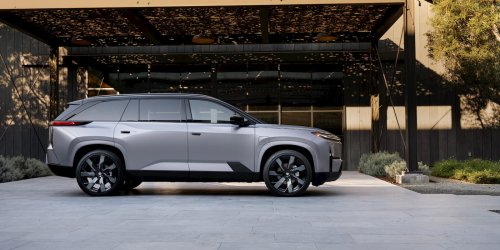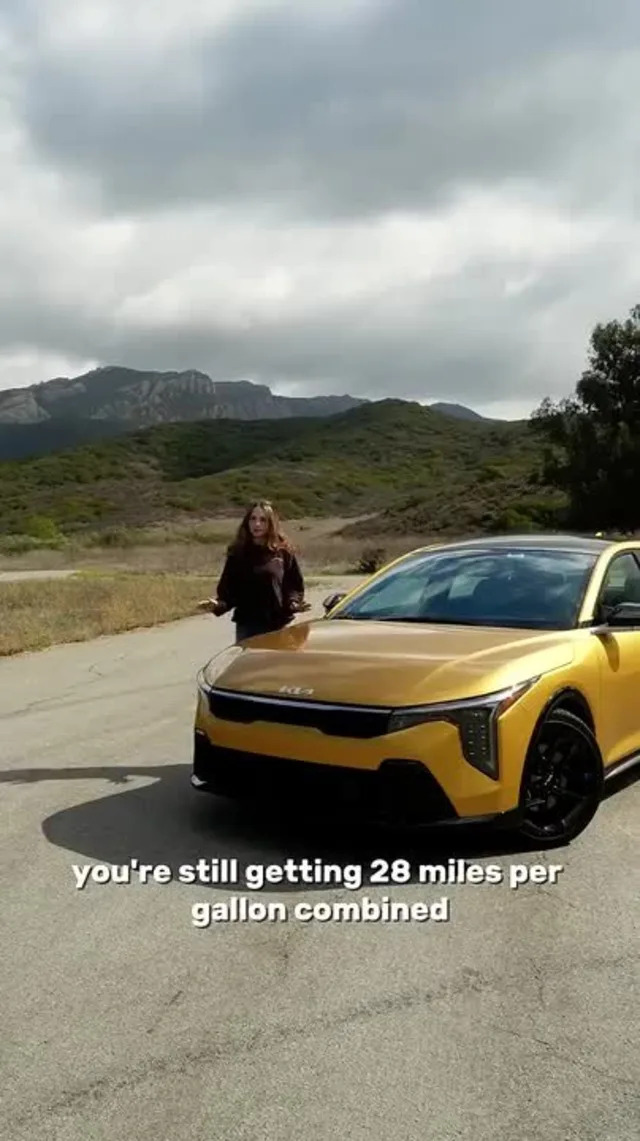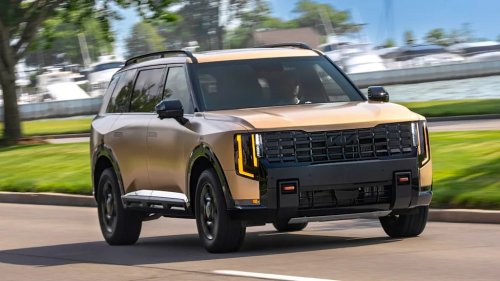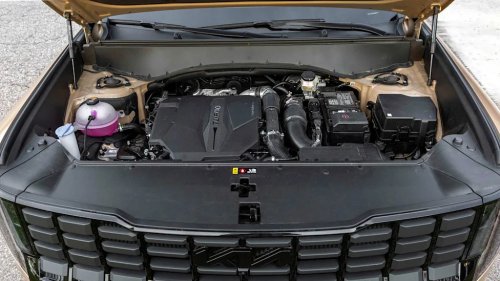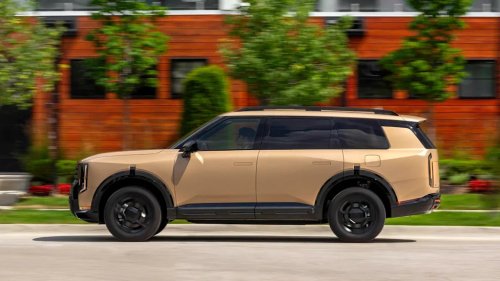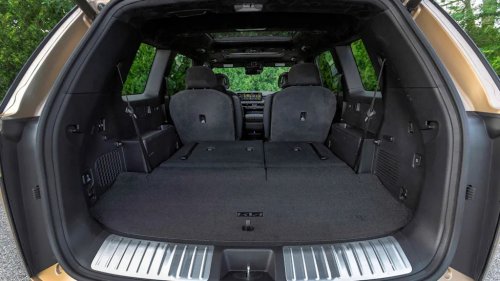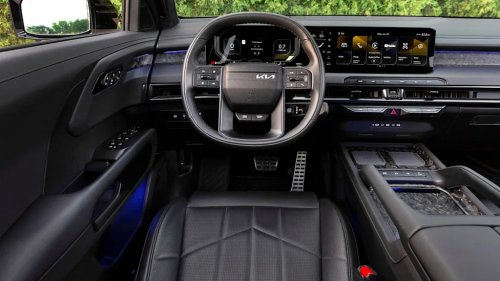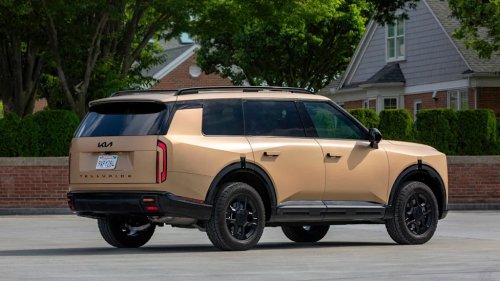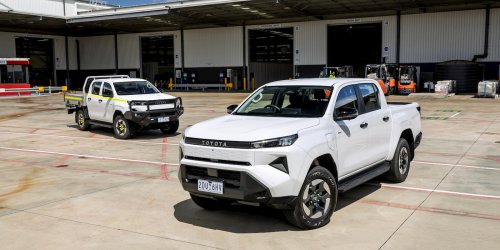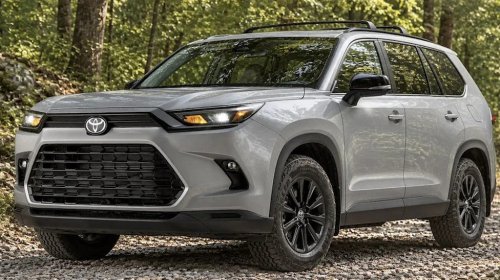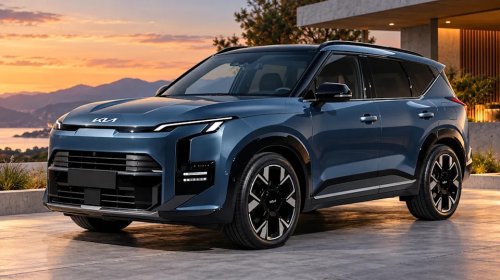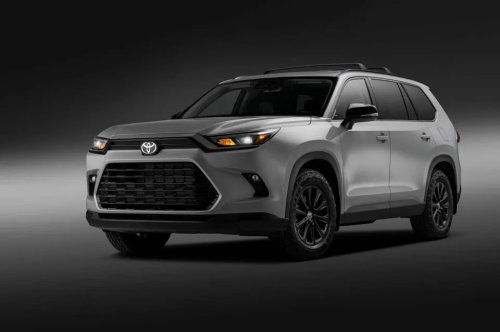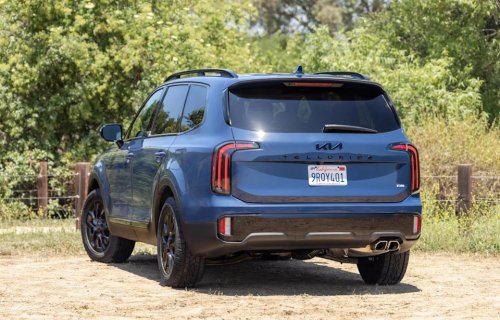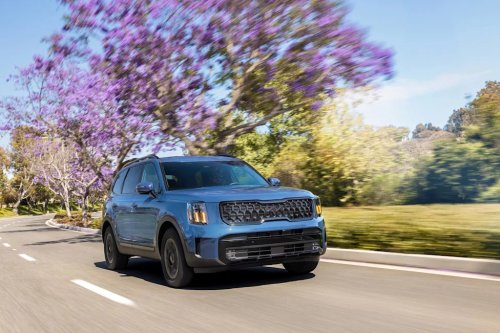
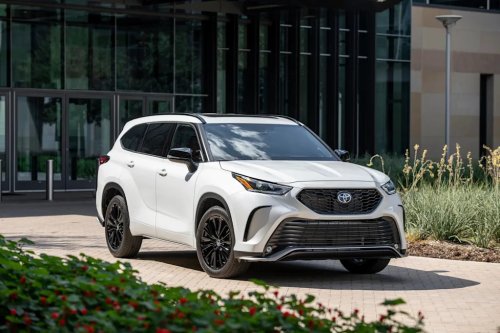
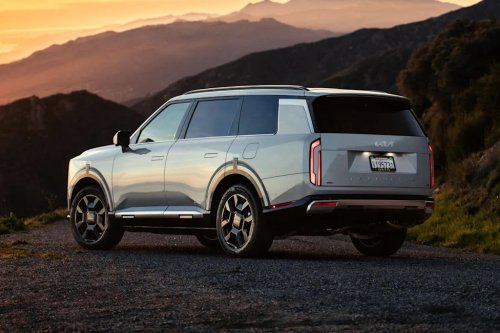
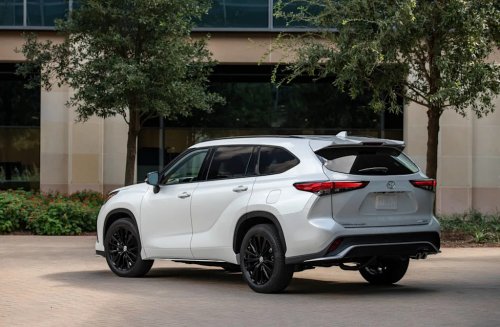
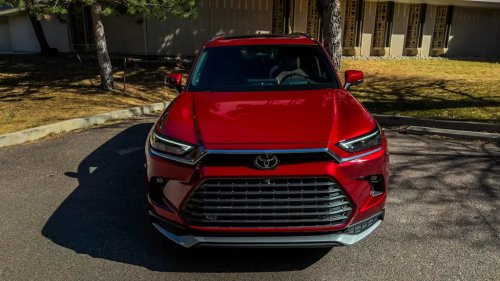
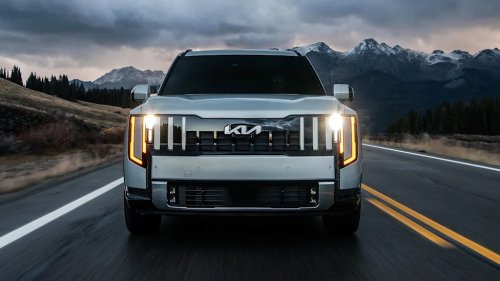



















Autoblog and Yahoo may earn commission from links in this article.Total cost of ownership is more than just the purchase price, factoring in depreciation, fuel, insurance, maintenance, and repairs over the years you keep the vehicle. The Telluride makes an immediate case with aggressive pricing and generous coverage, while the Highlander plays the long game with efficiency and value retention. Both are excellent family haulers, so this comes down to which one leaves more money in your pocket by the time you sell it.2026 Kia TellurideKiaPurchase price and featuresThe Telluride wins the opening round. It starts around $40,700, and while a base Highlander is priced similarly at roughly $40,800, matching the Telluride's standard equipment on a Highlander pushes the sticker to about $47,500, or roughly $6,000 to $7,000 more. That is because the Telluride includes features as standard that Toyota reserves for pricier trims or option packages, such as a large touchscreen, ventilated front seats, and a surround-view camera on the right trims.2026 Toyota HighlanderToyotaThat upfront advantage is real and matters most to buyers who plan to keep the vehicle only a few years or who prioritize getting the most content for their money on day one. It is the Telluride's strongest argument in this matchup.Fuel economyFuel is where the Highlander pulls decisively ahead. Its available hybrid returns around 36 mpg combined, a dramatic improvement over the Telluride's V6, which is rated near 20 mpg city and 26 mpg highway, roughly 21 to 22 combined. Even the non-hybrid Highlander's turbocharged four-cylinder, at about 21 mpg city and 29 mpg highway, is more efficient than the Telluride's naturally aspirated V6.2026 Kia TellurideKiaOver five years and typical annual mileage, that difference adds up to a substantial sum at the pump, easily hundreds of dollars a year and potentially over a thousand versus the thirstier Telluride, depending on fuel prices and how far you drive. For a high-mileage family, the Highlander Hybrid's efficiency can offset much or all of the Telluride's lower purchase price.2026 Toyota HighlanderToyotaAdvertisementAdvertisementDepreciation and resaleDepreciation is usually the single largest ownership cost, and here the Highlander's reputation pays off. Toyota's three-row SUVs have historically held their value strongly, so a Highlander tends to be worth more at trade-in or private sale than a similarly aged Telluride. Since depreciation is the money you lose simply by owning the vehicle, a stronger resale directly lowers the true cost of ownership. The Telluride holds its value respectably, and modern Kias have closed much of the historical gap, but the Highlander still tends to retain a larger share of its original price. That retained value is a quiet but powerful advantage over a multi-year hold.2026 Toyota Grand Highlander Hybrid MAX PlatinumChase BierenkovenMaintenance, insurance, and warrantyOn maintenance, the two are close, with Toyota parts often slightly cheaper and more widely available, while Kia's coverage lasts longer. That warranty is the Telluride's ace: its 10-year or 100,000-mile powertrain coverage far outlasts Toyota's, which can save real money on any major repair and adds peace of mind for owners who keep vehicles a long time. Insurance costs run close between the two, sometimes favoring the Telluride. Netting it out, the Telluride reduces some risk and upfront cost, while the Highlander chips away at the two biggest long-term expenses, fuel and depreciation.2026 Kia Telluride HybridKiaSo which one costs less to own?The Toyota Highlander usually costs less to own over five years, because its stronger resale value and much better fuel economy, particularly in hybrid form, tend to outweigh its higher purchase price. For a buyer keeping the vehicle a long time or driving a lot of miles, those two advantages are hard to beat. The result is genuinely close, though, and the Kia Telluride can come out ahead for the right buyer: someone who values a lower entry price, more standard features, and the security of a long warranty, especially if they drive fewer miles or trade vehicles more often.This story was originally published by Autoblog on Jul 11, 2026, where it first appeared in the Car Buying section. Add Autoblog as a Preferred Source by clicking here.