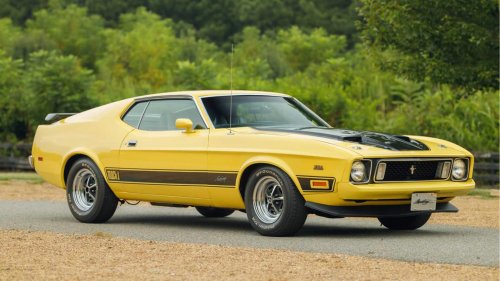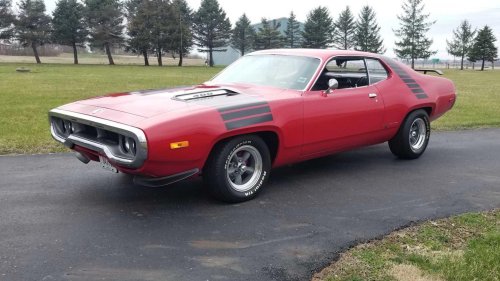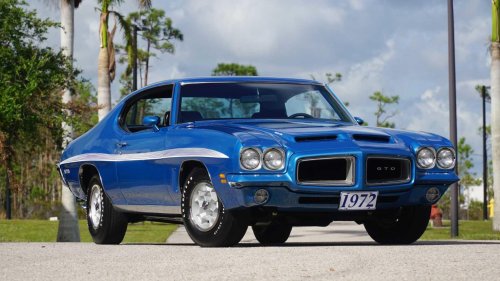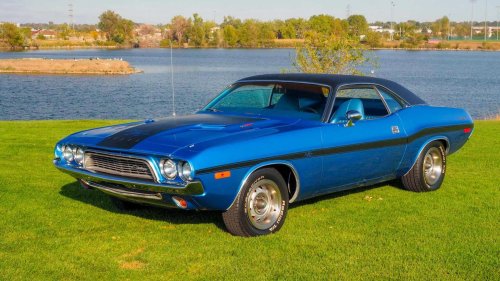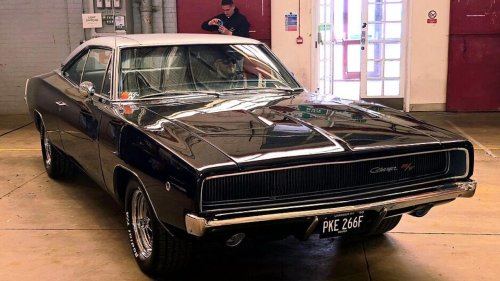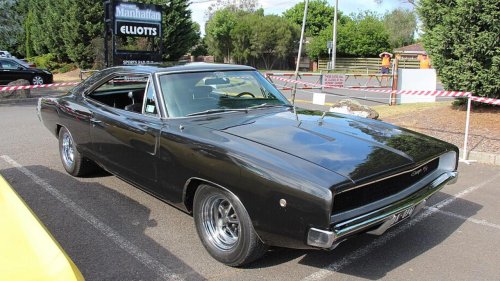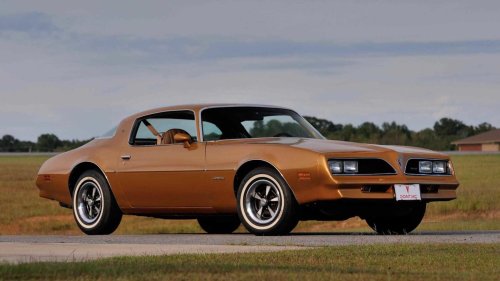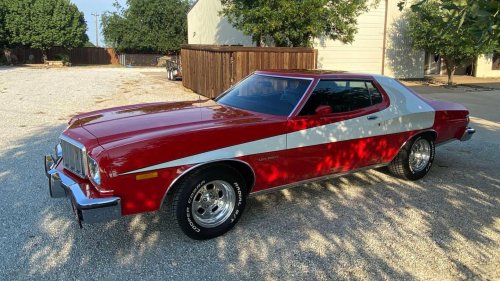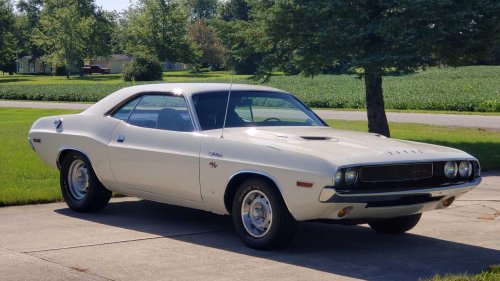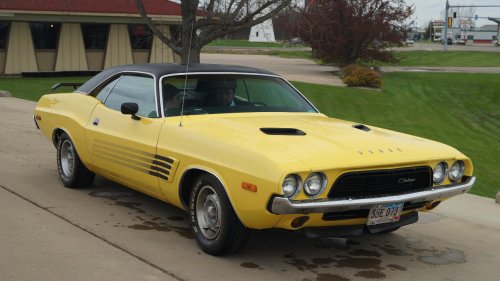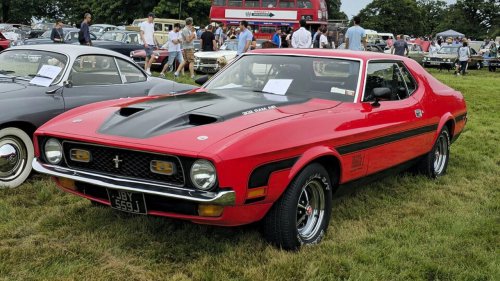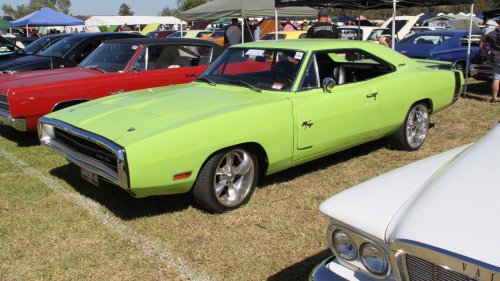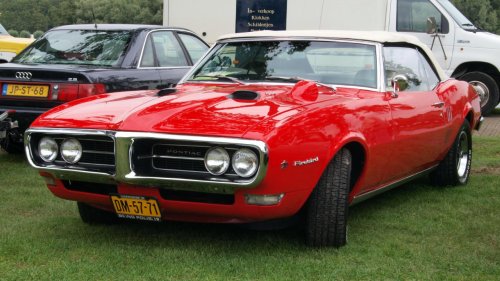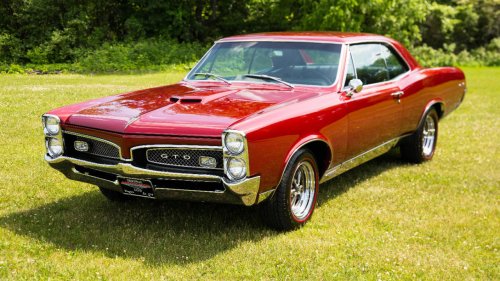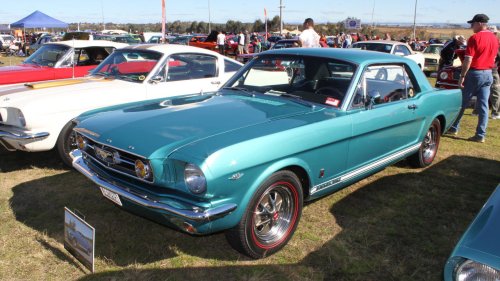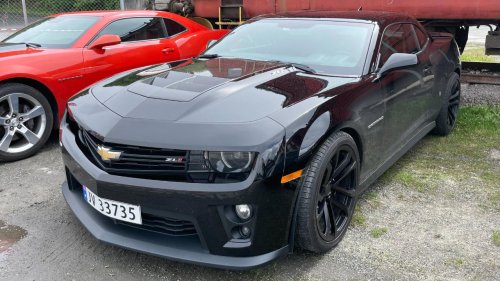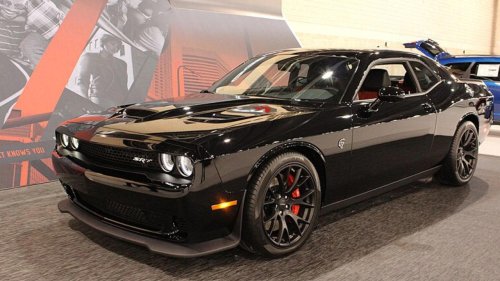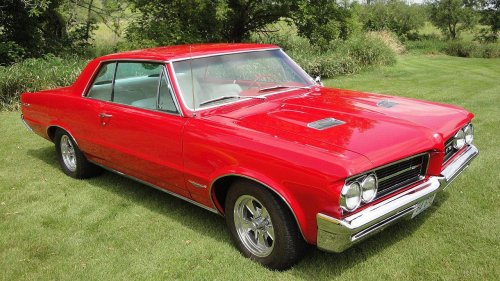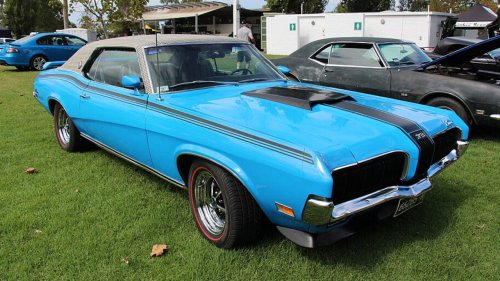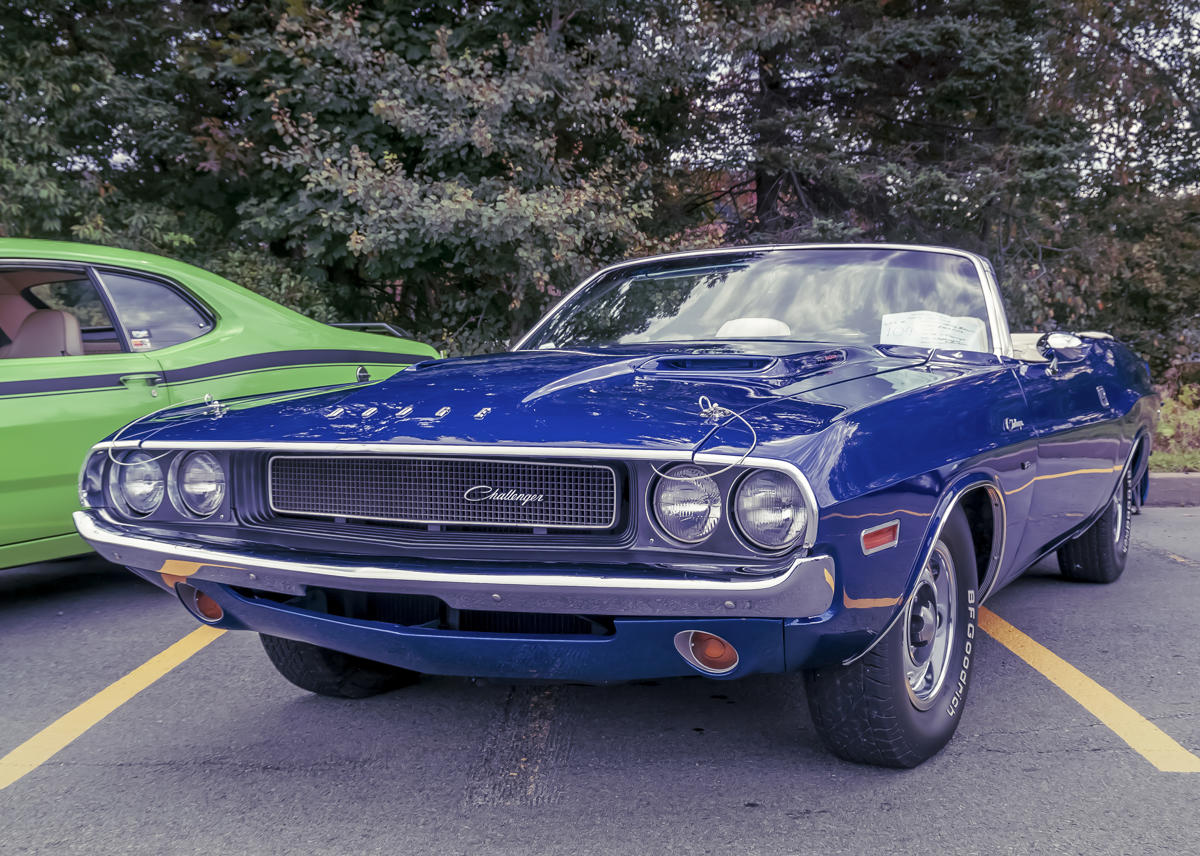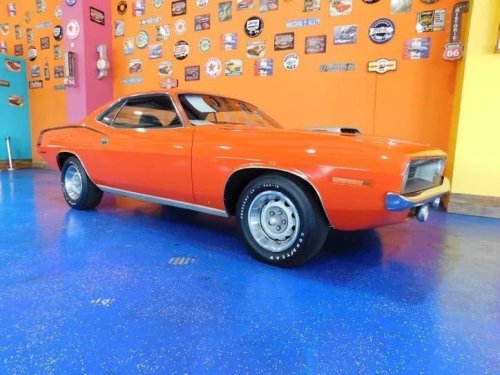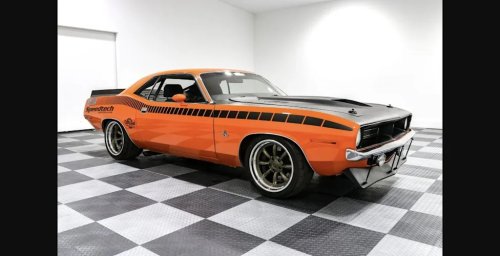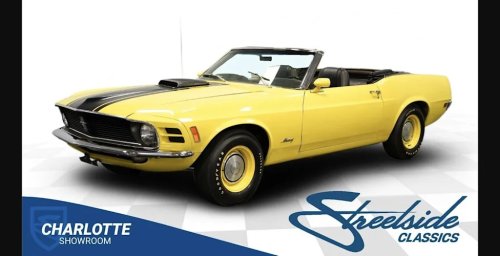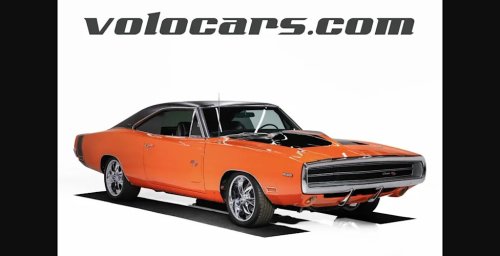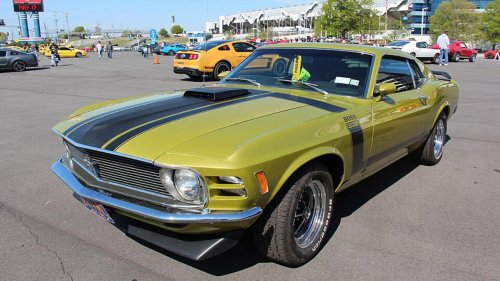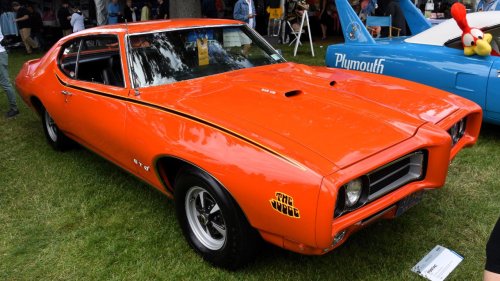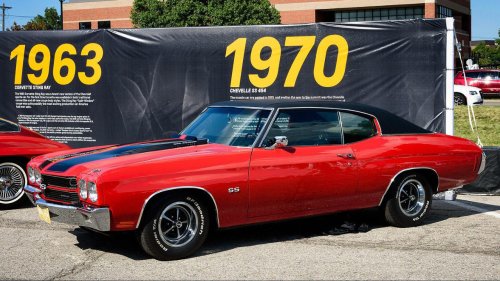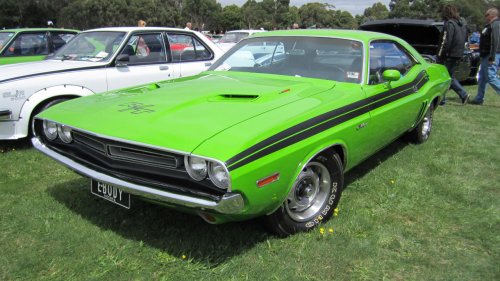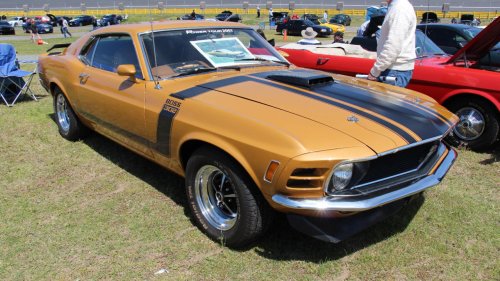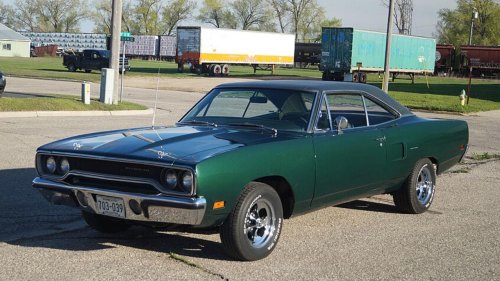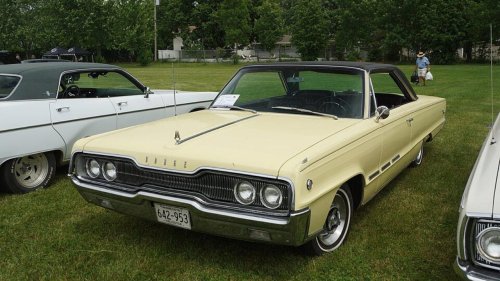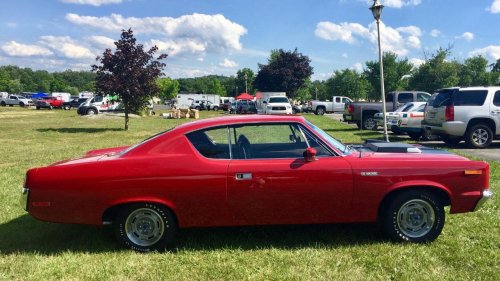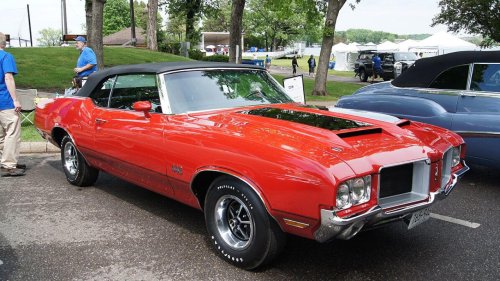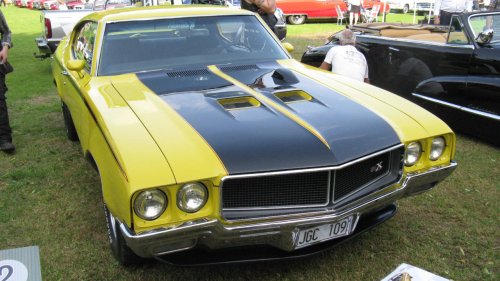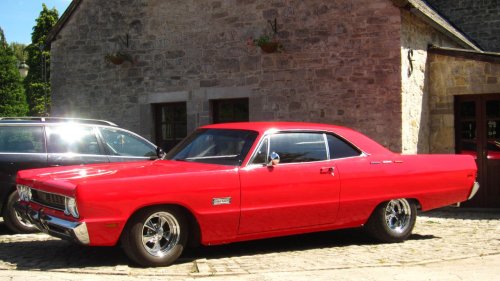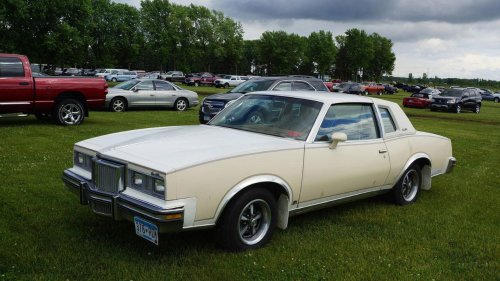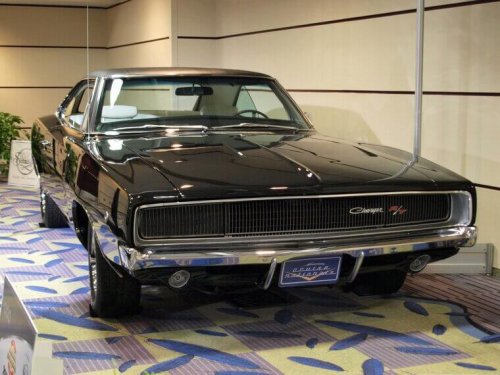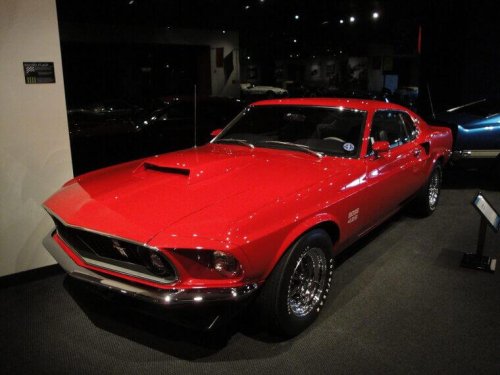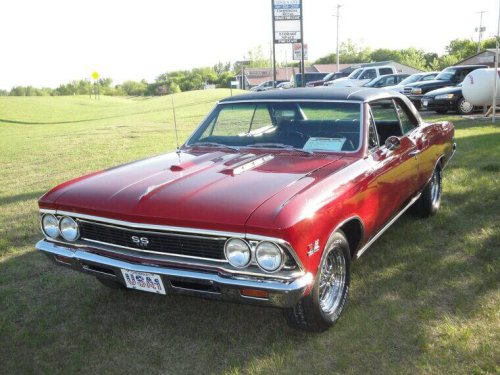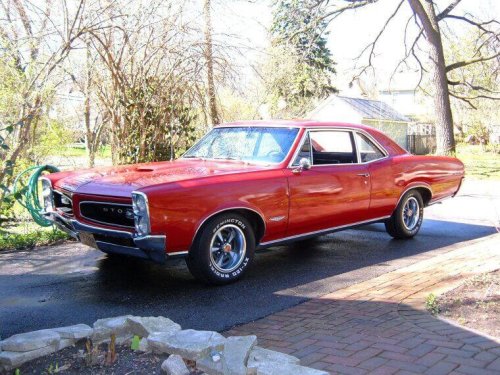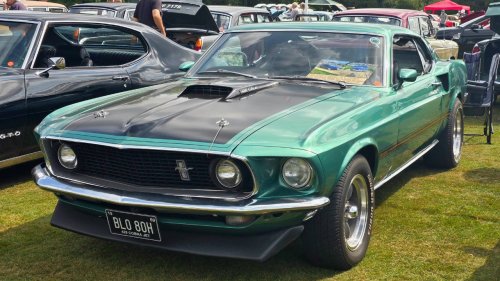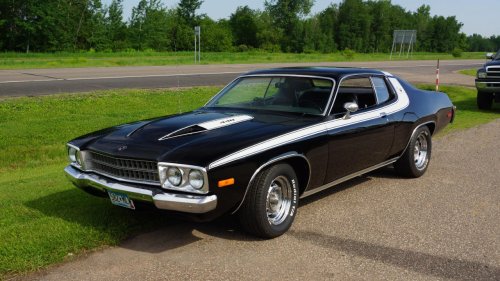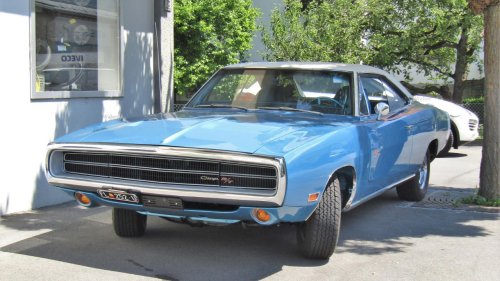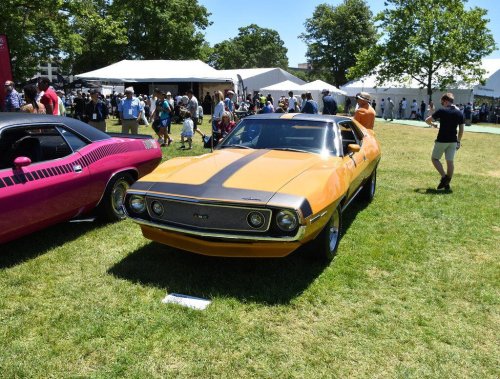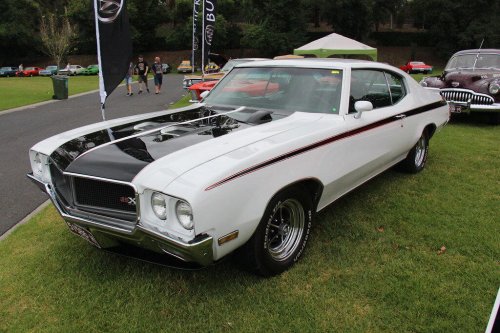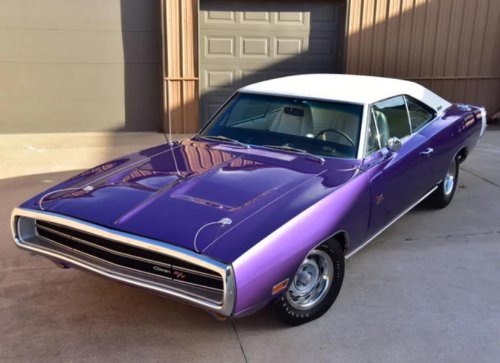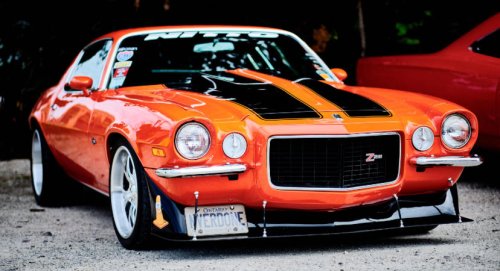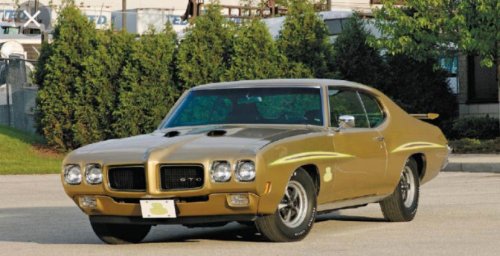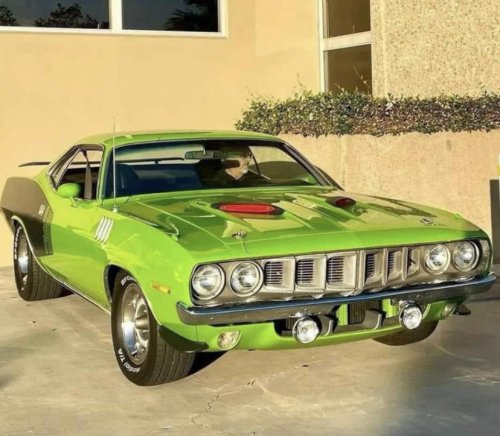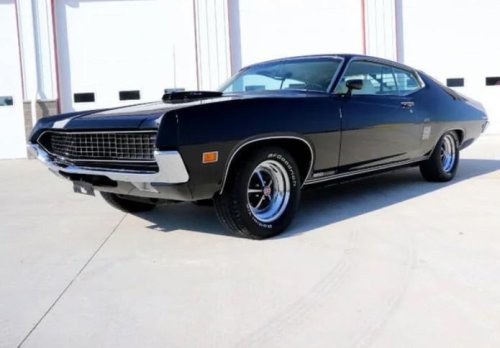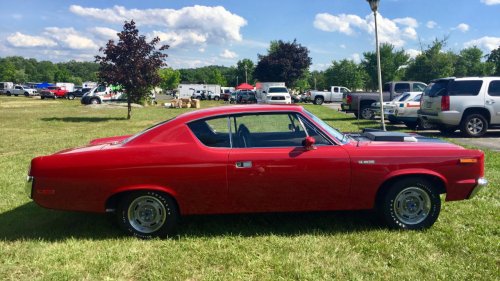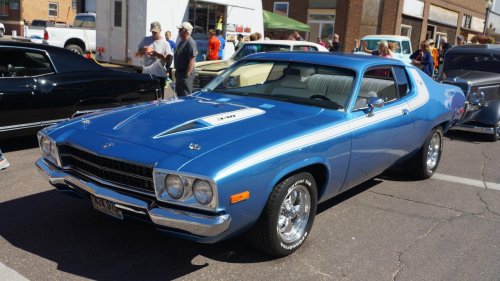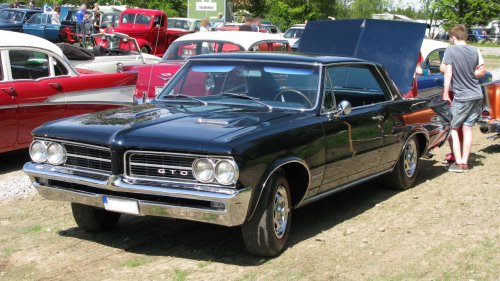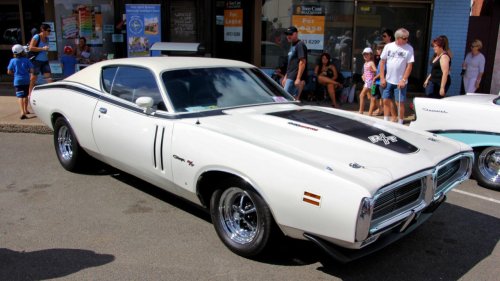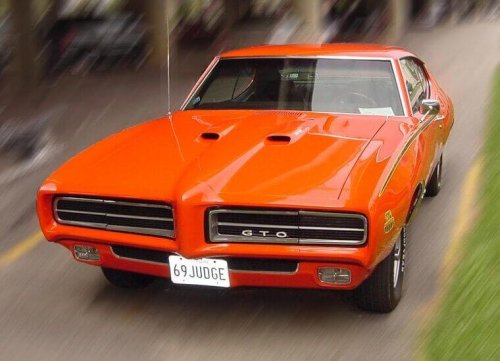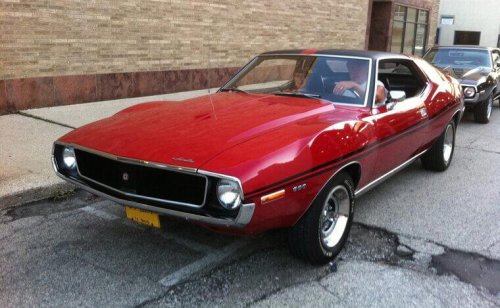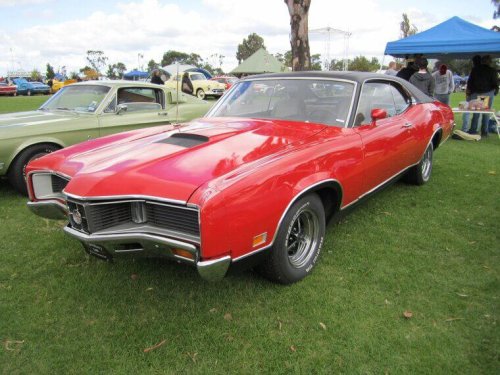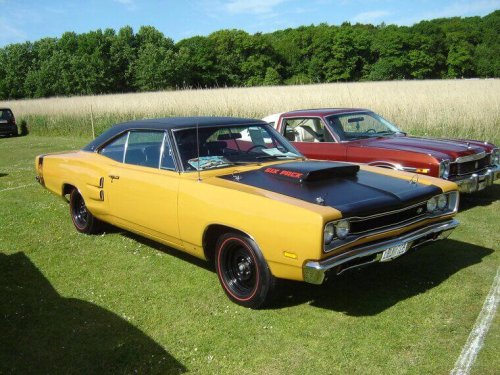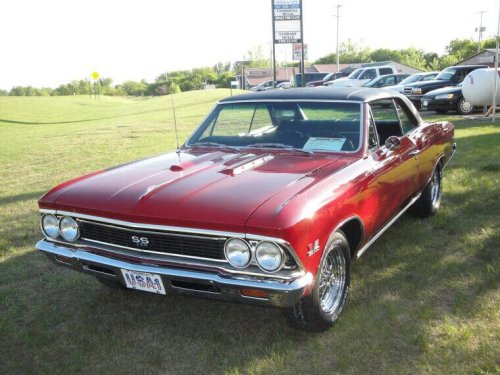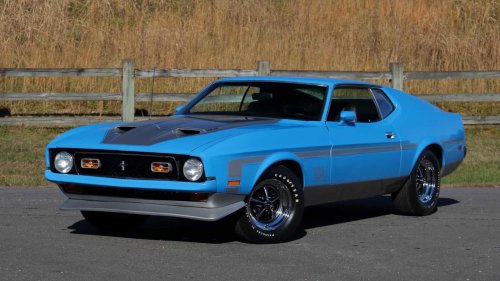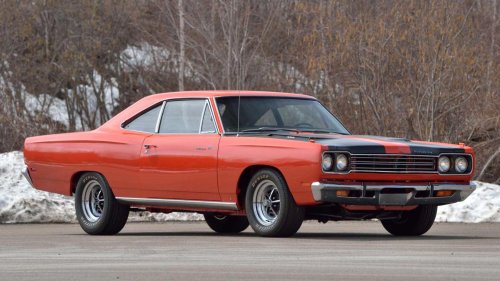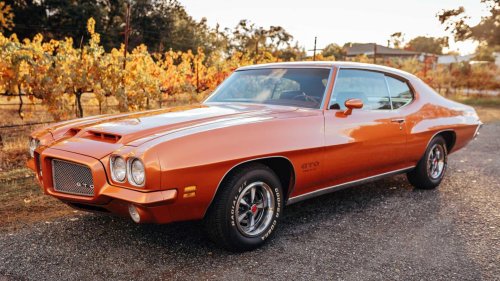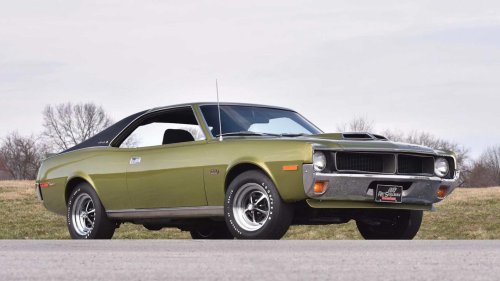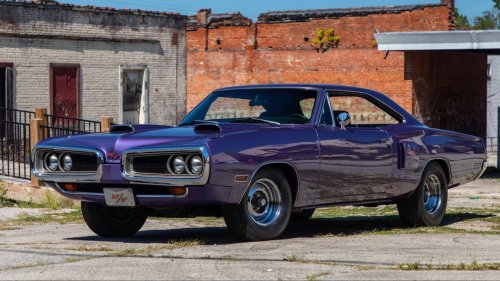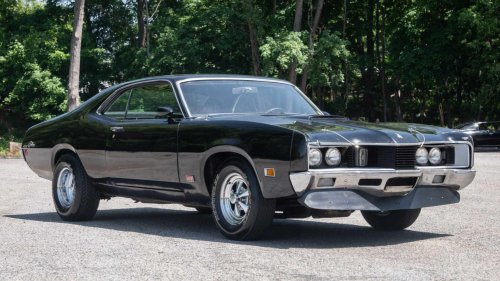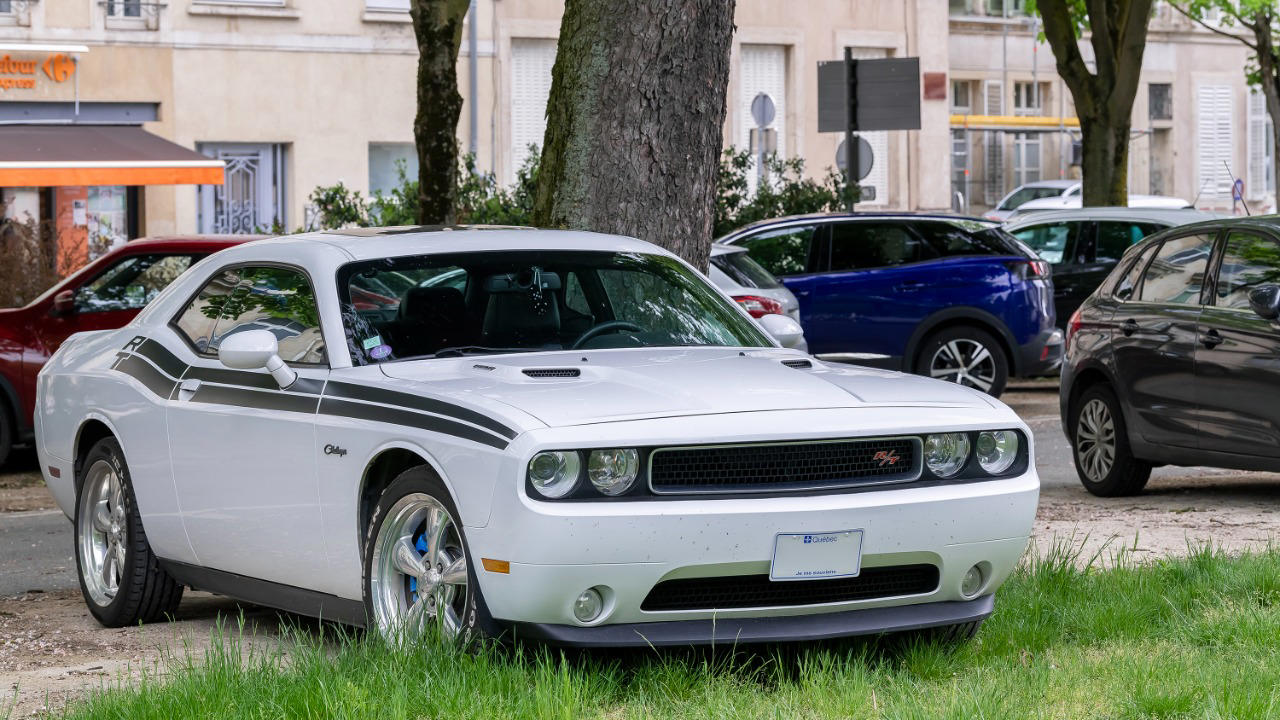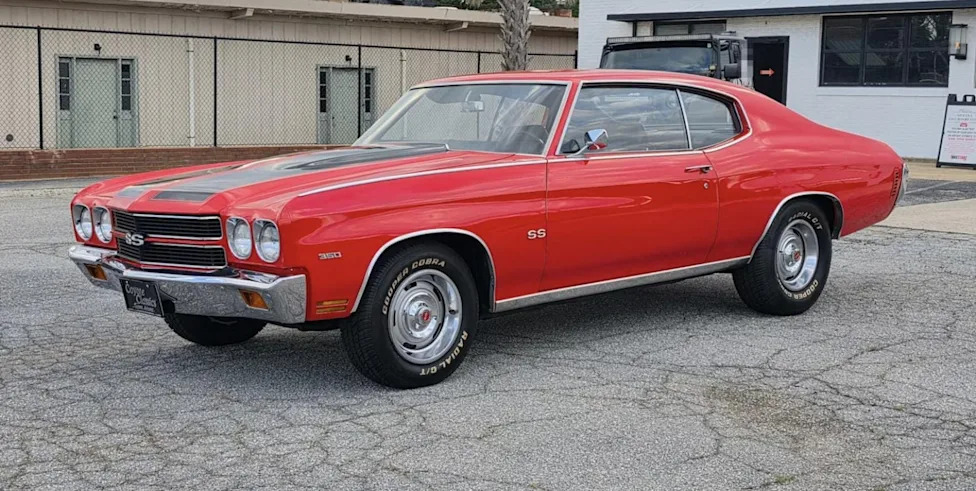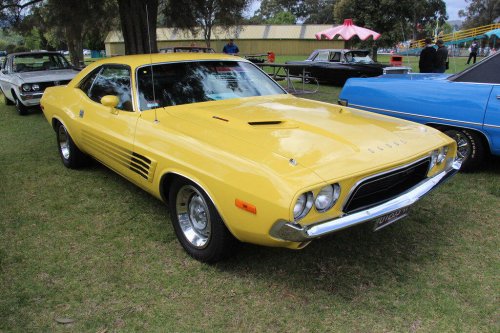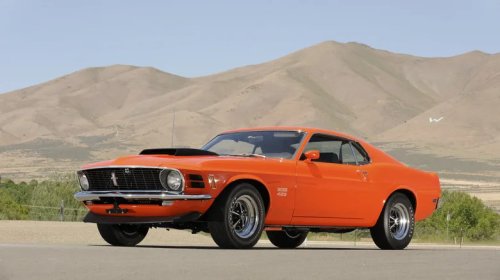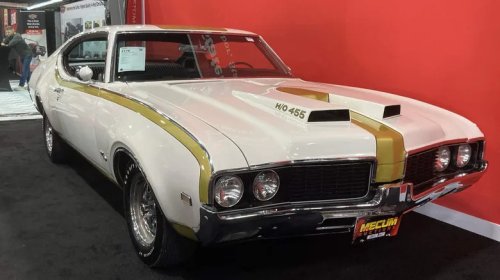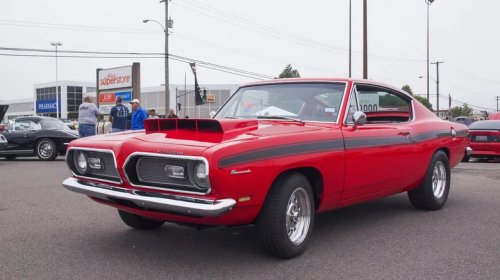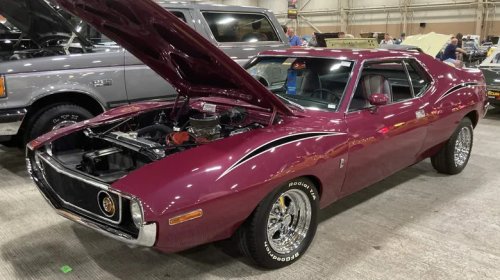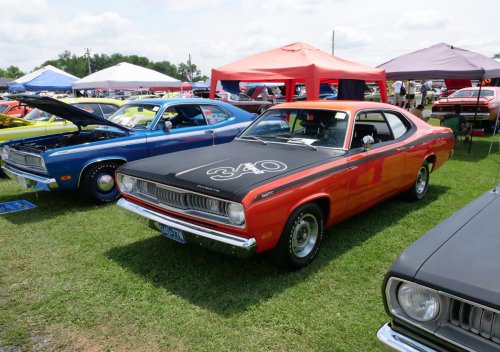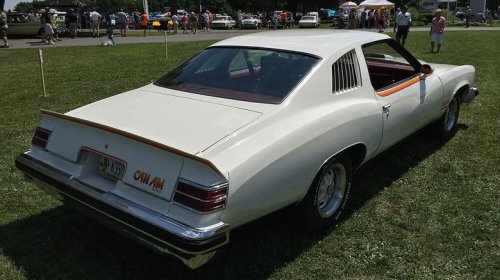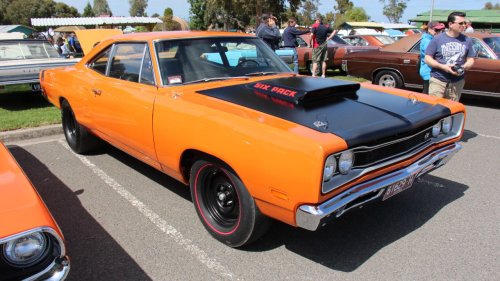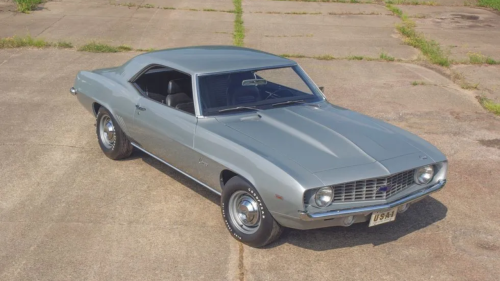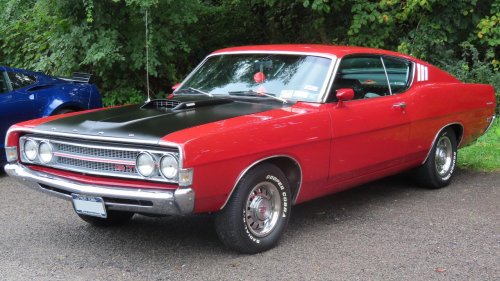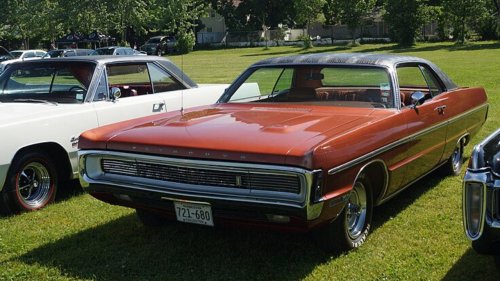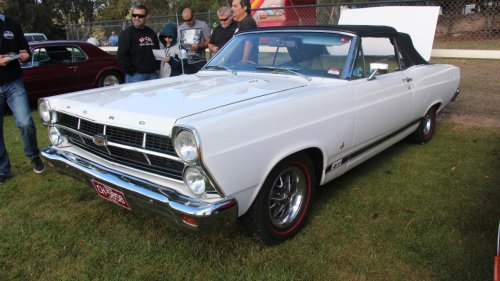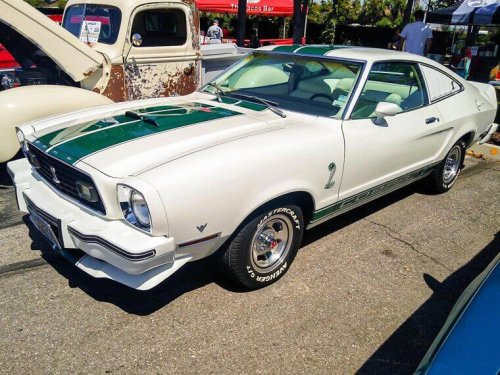
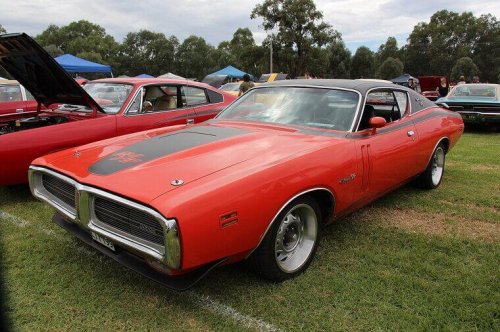
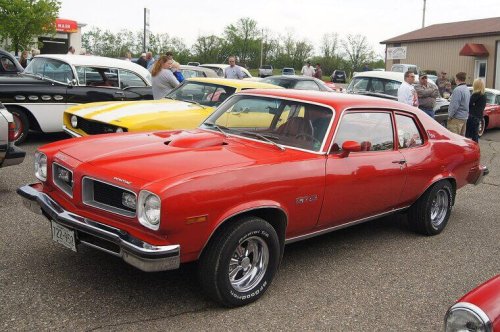
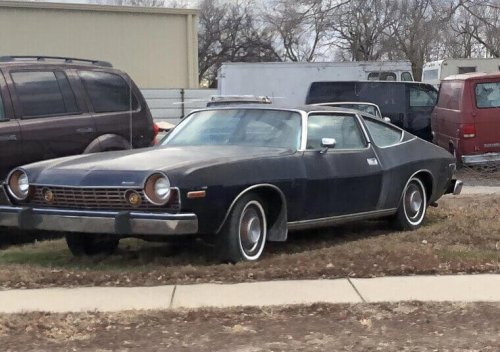
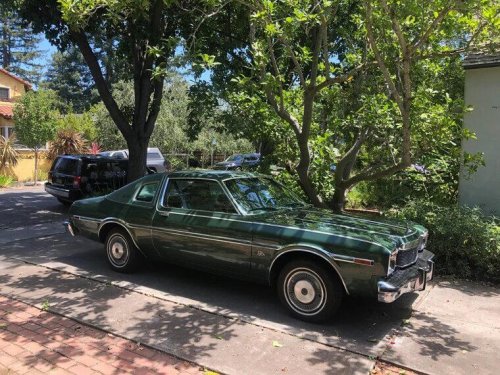
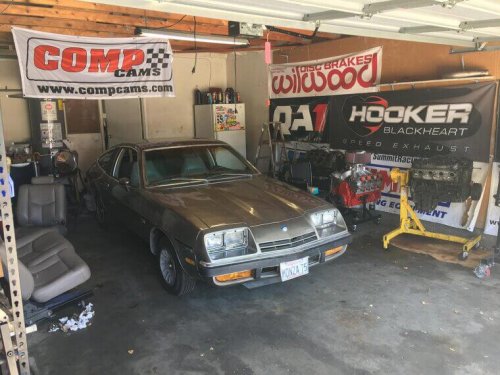
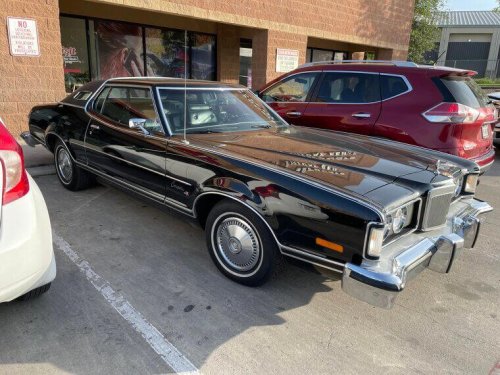
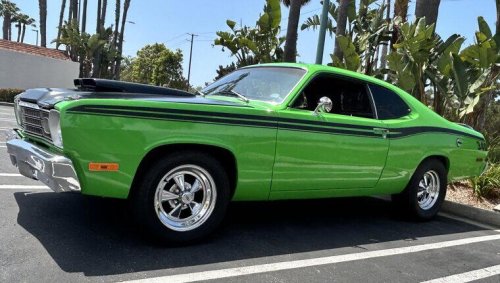
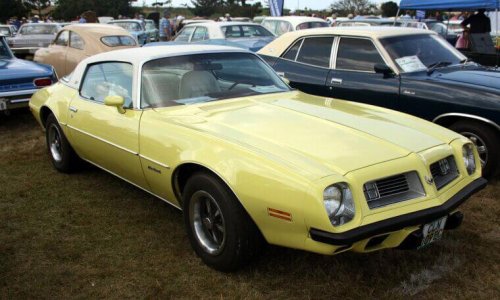
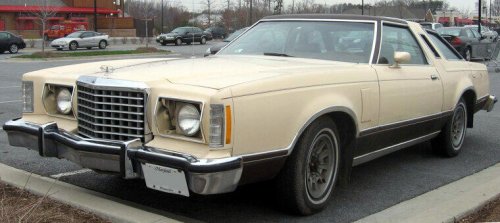
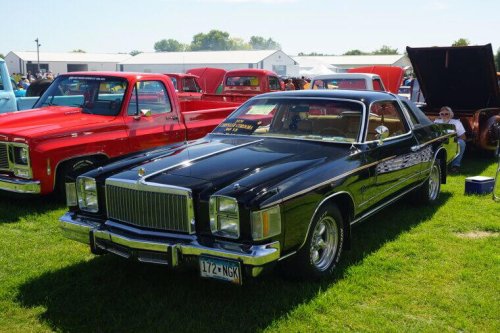
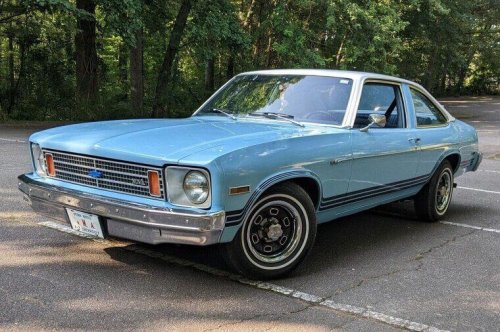
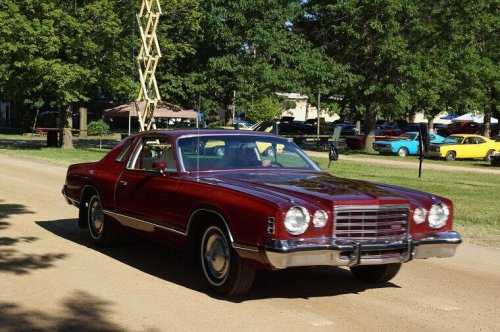



















1974 Ford Mustang IIThe Mustang II looked sharp when it arrived for 1974 - smaller, cleaner, and more modern than the bloated cars surrounding it. Ford positioned it as a return to the original Mustang's compact roots, and the styling genuinely turned heads. People saw the badge and immediately expected fun. What they got was something very different. The Mustang II shared its platform with the Ford Pinto, a fact that made many buyers uncomfortable from the start. Power was the real letdown - the base engine was a four-cylinder borrowed from the Pinto, and even the V8 option felt tired compared to what the Mustang name had previously promised. Acceleration was sluggish, passing required careful planning, and the handling felt uninspired. Owners felt misled by a name that carried expectations the car simply couldn't meet.1971 Dodge Charger SEThe 1971 Charger SE looked genuinely menacing sitting in a driveway, with its long hood, hidden headlights, and aggressive fastback roofline representing the peak of American muscle car styling. Those hidden headlights became an instant trademark - one of the coolest design details of the entire muscle car era. But underneath that imposing exterior, the story changed quickly. Federal emissions regulations introduced for 1971 forced manufacturers to lower compression ratios dramatically, and the Charger's engines suffered noticeably as a result. Throttle response felt lazy compared to earlier Chargers, and the car's considerable weight made the power deficit worse. Drivers who expected a street brawler based on the styling found themselves piloting an expensive cruiser instead. The looks remained legendary, but the performance gap left owners quietly disappointed.1974 Pontiac GTOThe GTO name meant something serious in the 1960s - it was the car that essentially invented the American muscle car segment, combining a big engine with a mid-size body and delivering performance that shocked buyers at its price point. By 1974, that legacy had been completely abandoned. Pontiac rebadged the compact Ventura as the new GTO, slapping the famous nameplate on a car that shared nothing with its legendary predecessors. From a distance it looked ordinary, and up close it confirmed those suspicions. Even the available V8 options produced underwhelming power thanks to emissions restrictions. Owners who bought on the strength of the name alone felt genuinely embarrassed explaining what the GTO had become to friends who remembered the originals. The badge survived, but everything that made it meaningful did not.1978 AMC Matador CoupeAmerican Motors Corporation was always the underdog of the American auto industry, building interesting cars on tighter budgets than the Big Three could manage. The Matador Coupe was AMC's attempt at a bold styling statement, featuring a distinctive fastback roofline and aggressive proportions that genuinely stood out from anything else on the road. Attention it could attract. Satisfaction it could not sustain. Build quality was a persistent problem, with body panels that didn't always align properly and interior materials that wore out faster than competitors. The engines felt underpowered for the car's substantial size, producing sound without corresponding speed. Handling and steering feedback left drivers feeling uncertain rather than confident. Buyers who wanted something fun and distinctive ended up with something that demanded patience and frequent trips to the dealer.1977 Dodge Aspen R/TThe Aspen R/T arrived with sporty stripes, blacked-out trim, and a stance that looked tough enough to suggest real performance intentions for buyers working with a limited budget. The appearance held up better than everything underneath it. Rust became the car's most notorious characteristic, appearing on body panels within the first year or two of ownership at a rate that shocked even experienced Mopar owners accustomed to Detroit's variable build quality of the era. Electrical gremlins added to the misery, with chronic problems that proved difficult and expensive to diagnose. The engines never delivered enough performance to compensate for the ownership headaches. Dodge dealers saw these cars regularly, but not for maintenance - for warranty repairs that consumed time and tested the patience of owners who had bought based on looks alone.1975 Chevrolet Monza V8The Monza was a compact, sporty-looking car that worked reasonably well with its standard four-cylinder engine. Squeezing a V8 into that cramped engine bay was another matter entirely. Chevrolet managed the installation, but the tight packaging created serious problems that owners discovered quickly. Heat buildup became a significant concern because the engine sat so close to surrounding components with inadequate airflow. Basic maintenance tasks that should have taken minutes became multi-hour ordeals because accessing spark plugs and other serviceable components required partially disassembling the front of the car. Mechanics charged accordingly. The V8 produced more power than the base engine, but not dramatically more - certainly not enough to justify the ownership complications it introduced. The idea of a small V8 sports car sounded exciting. The reality of owning one rarely matched that promise.1973 Mercury Cougar XR-7The Mercury Cougar XR-7 had evolved significantly from its sportier origins into something closer to a personal luxury cruiser by 1973. The interior delivered on that promise, with soft seating, upscale trim, and a cabin that felt genuinely comfortable on long drives. Muscle car buyers who approached it expecting the performance the XR-7 badge once suggested were quickly disappointed. The car had grown heavier with each model year while available power failed to keep pace with the added weight. Acceleration was leisurely, steering feedback was soft and disconnected, and the overall driving experience prioritized comfort over engagement. Earlier Cougars had balanced style with real performance. This one had abandoned that balance entirely, leaving buyers who wanted both to look elsewhere.1974 Plymouth Duster 360The Plymouth Duster 360 arrived with genuine credentials - a small, light body paired with a 360 cubic inch V8 that should have delivered an exciting combination. On paper it was exactly what budget muscle buyers wanted. In practice, the experience was less consistent than buyers expected. The 360 engine produced reasonable power for 1974, but emissions tuning made throttle response unpredictable rather than crisp. Build quality varied noticeably between individual cars, meaning some owners got a genuinely fun machine while others spent considerable time dealing with problems. The suspension setup prioritized straight-line stability over cornering confidence, making the car feel less capable than its engine suggested. The Duster 360 had real potential that the execution only sometimes fulfilled, leaving owners with mixed feelings that depended heavily on which particular car they happened to buy.1975 Pontiac Firebird EspritThe Firebird Esprit occupied an awkward position in Pontiac's lineup, sitting below the performance-focused Formula and Trans Am models while sharing enough visual cues to create confusion about what it actually offered. The Esprit borrowed styling elements from its faster siblings, which created expectations among buyers and onlookers that the car's performance couldn't satisfy. It looked aggressive enough that other drivers at traffic lights expected a challenge, but the available engines in 1975 produced modest output that made those interactions uncomfortable for Esprit owners. The handling was competent for relaxed cruising but offered none of the engagement that Trans Am buyers experienced. Buyers who chose the Esprit for its looks without researching the specifications discovered the gap between appearance and ability the hard way.1977 Ford ThunderbirdBy 1977, the Ford Thunderbird had grown into something almost unrecognizable from the compact, sporty original that launched the nameplate in 1955. It stretched over 216 inches long and weighed nearly 4,300 pounds, dimensions that belonged to a luxury barge rather than anything resembling a performance car. The size created an imposing presence in parking lots that photographed impressively in Ford's marketing materials. Getting behind the wheel delivered a different experience entirely. The substantial weight dulled acceleration from the 302 cubic inch V8, and the soft suspension tuning turned cornering into an exercise in managing body roll rather than enjoying the road. Finding parking became a stressful event. Fuel economy was punishing during the gas-conscious late 1970s. Owners who remembered earlier Thunderbirds felt the nameplate had lost its way completely.1979 Chrysler CordobaThe Chrysler Cordoba built its reputation on Ricardo Montalban's famous television advertisements promising soft Corinthian leather and an atmosphere of affordable luxury. By 1979, Chrysler had refined the formula further, producing a car that genuinely delivered on its comfort promises while quietly abandoning any pretense of performance. The interior was plush and the ride quality smooth enough to make long highway miles genuinely pleasant. Buyers who approached it expecting more than that were disappointed. The available engines felt tired against the car's considerable weight, producing acceleration that could best be described as adequate. Steering required minimal input and provided minimal feedback. The Cordoba was an honest car that did exactly what Chrysler intended, but muscle car buyers had misread those intentions and paid for the misunderstanding.1975 Chevrolet Nova SSThe SS badge had carried genuine meaning throughout Chevrolet's lineup since the early 1960s, representing Super Sport versions that delivered real performance upgrades over standard models. On the 1975 Nova, that tradition had been reduced to cosmetic additions. Federal emissions regulations had progressively weakened the available engines, and the performance gap between a regular Nova and the SS version had narrowed to the point of irrelevance. Buyers drawn in by the badge's heritage found a car that looked the part from the outside but delivered nothing special once moving. Acceleration was average, handling was basic, and the driving experience offered nothing to distinguish it from the standard Nova it was built upon. The SS designation had become marketing rather than engineering, and owners who knew the badge's history felt the disappointment most acutely.1975 Dodge Charger DaytonaThe Daytona name carried serious racing heritage from the legendary 1969 Charger Daytona that dominated NASCAR with its distinctive nose cone and rear wing. By 1975, Dodge was applying that storied name to a trim package on the standard Charger - a decision that created expectations the car had no hope of meeting. The graphics were bold and the visual package attention-grabbing, but the engines underneath were the same emissions-strangled units found across Dodge's lineup. Performance bore no relationship to the racing legacy the Daytona name invoked. Owners loved the way it looked sitting still, but driving away from intersections reminded them constantly that this was styling tribute rather than performance reality. Borrowing a legendary racing name for a showroom appearance package set buyers up for inevitable disappointment.