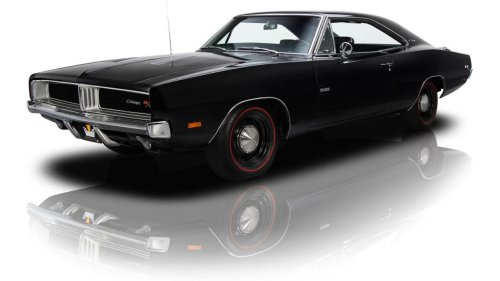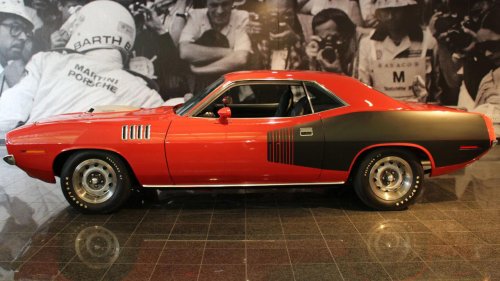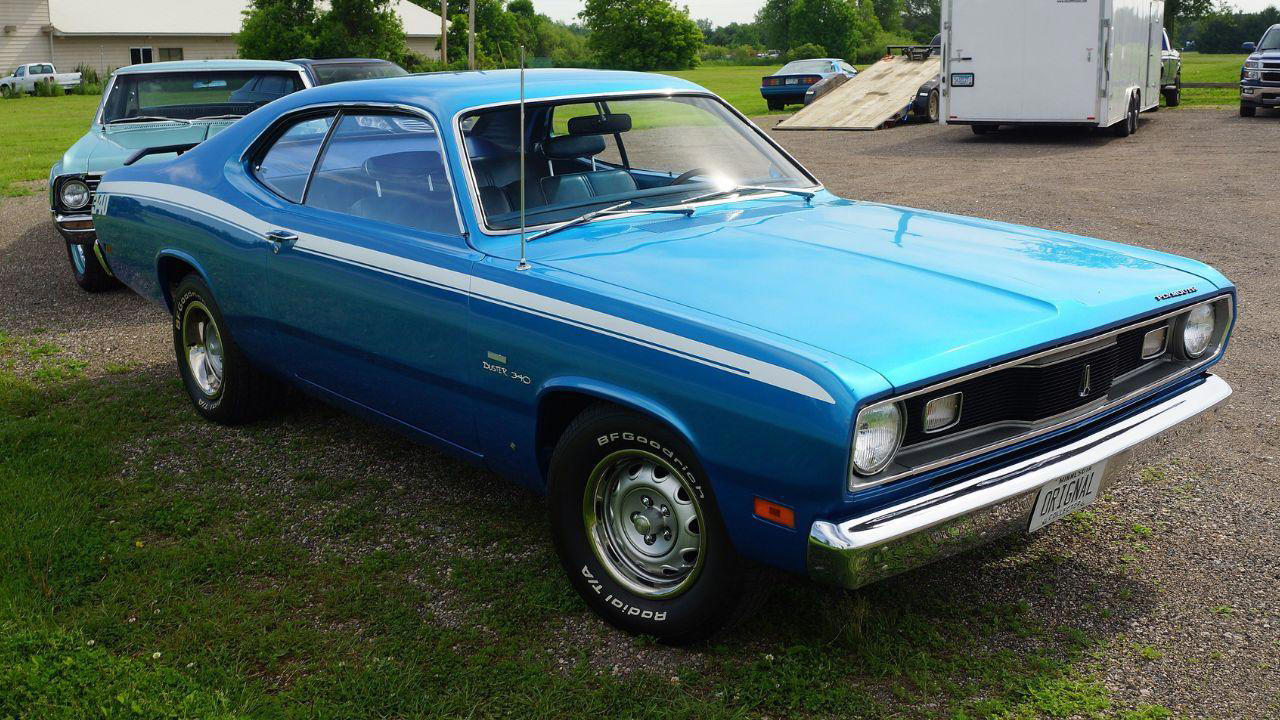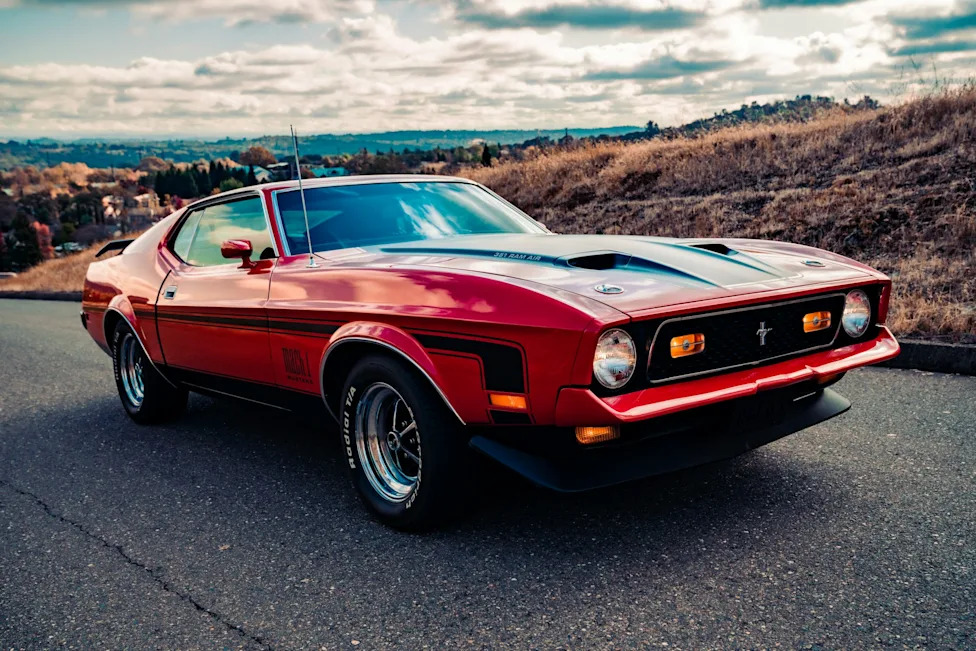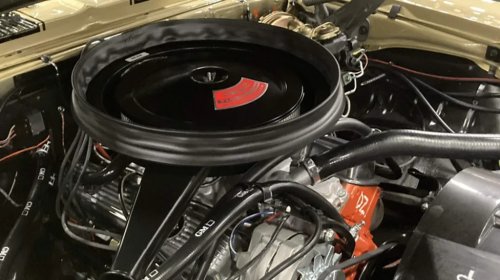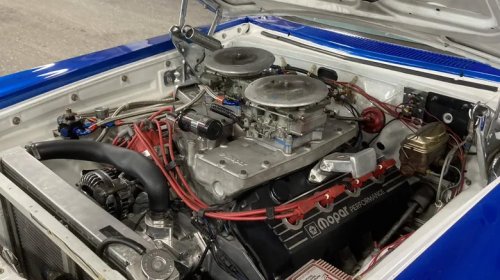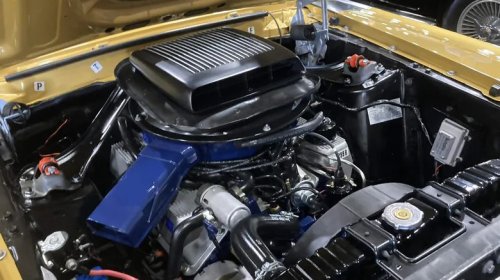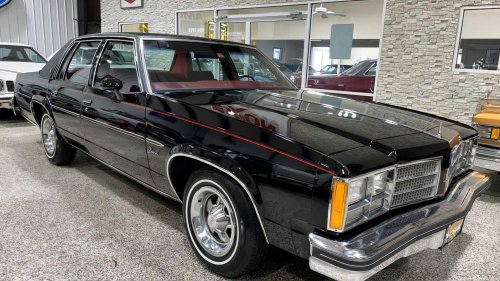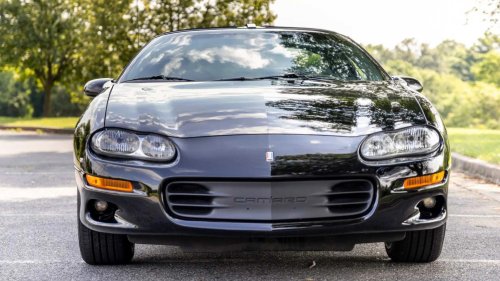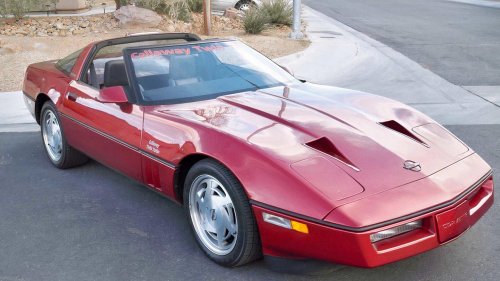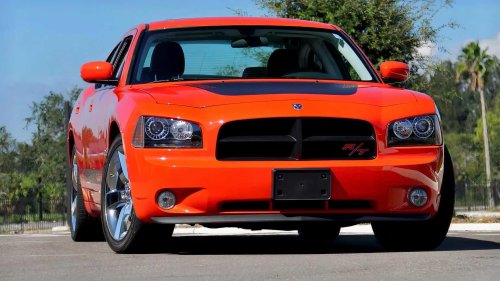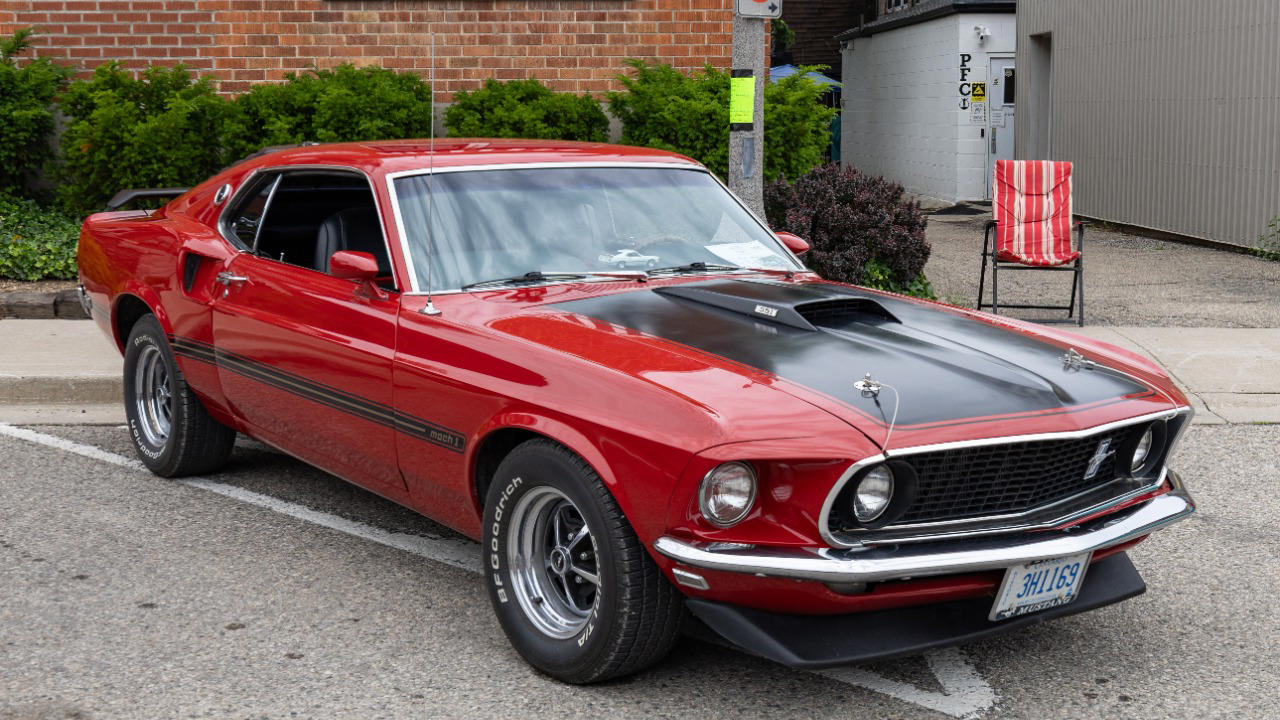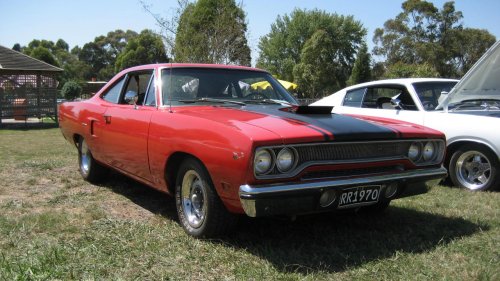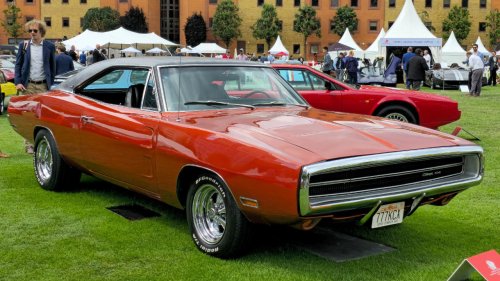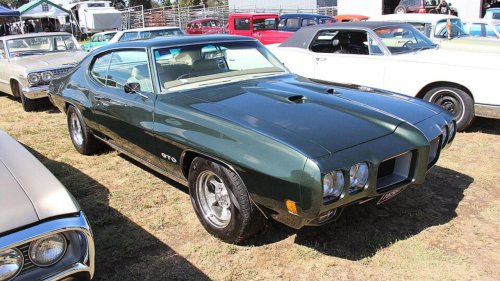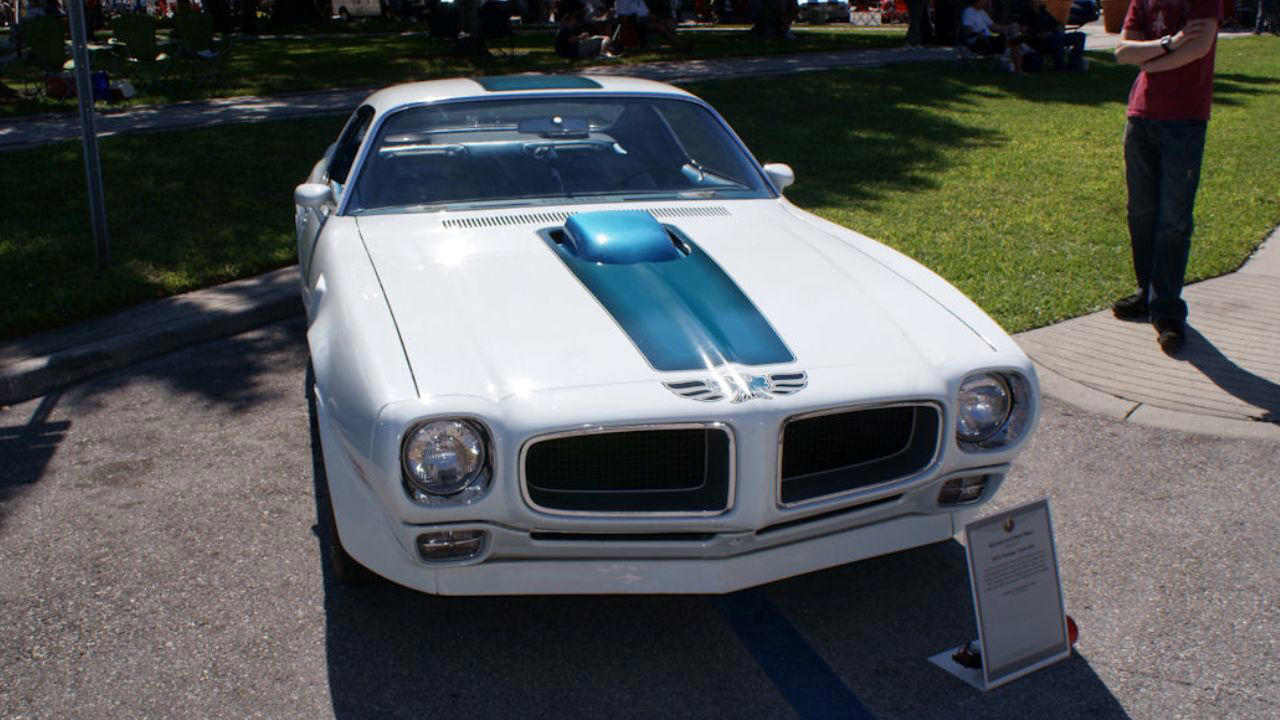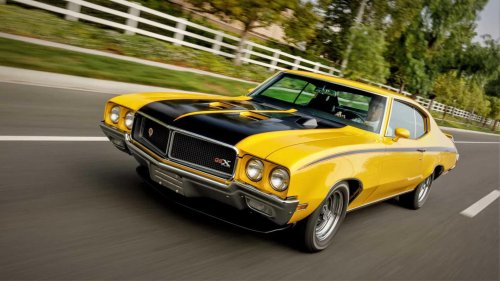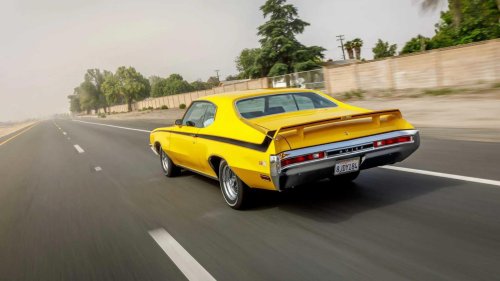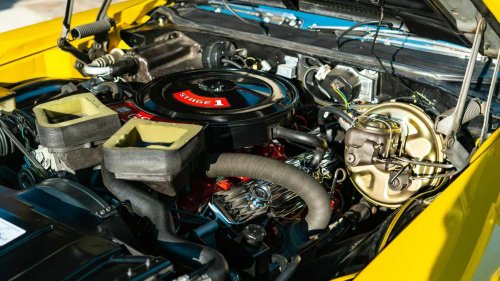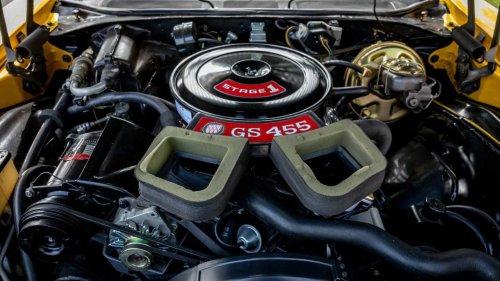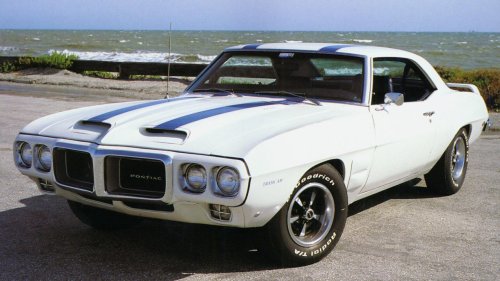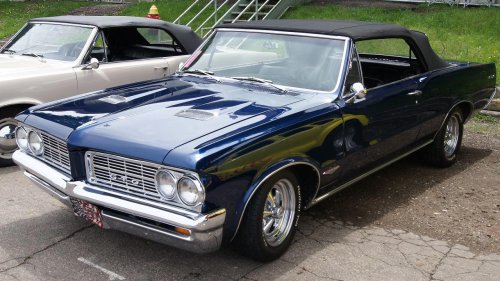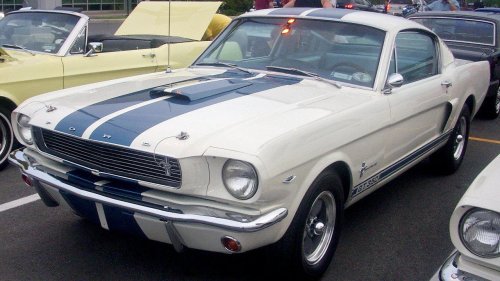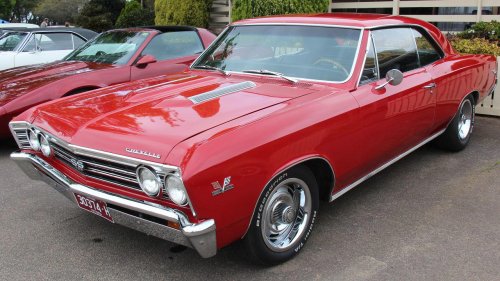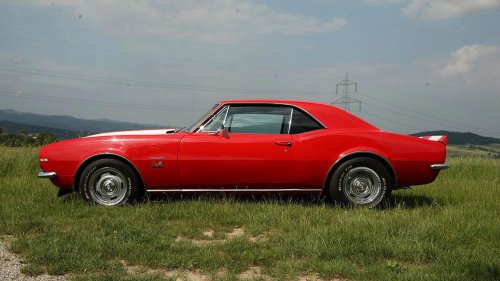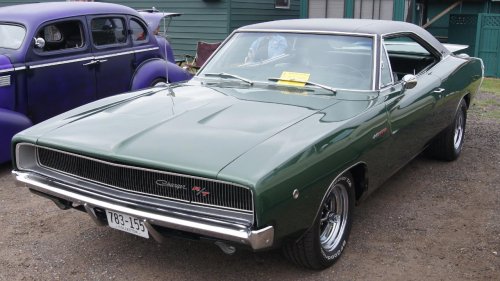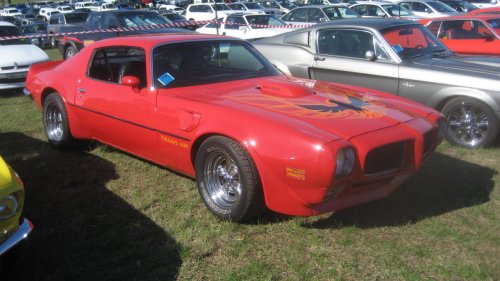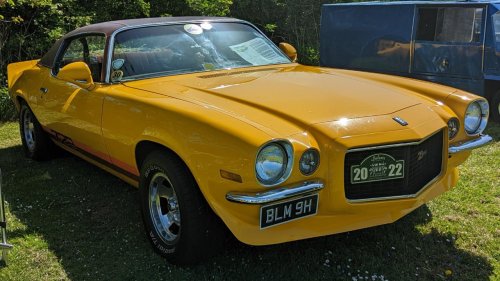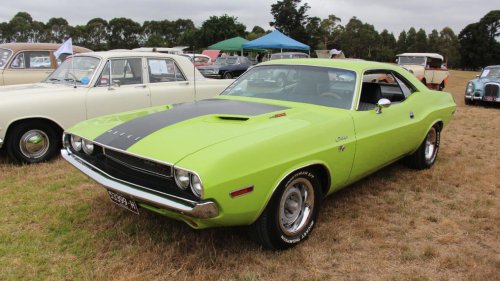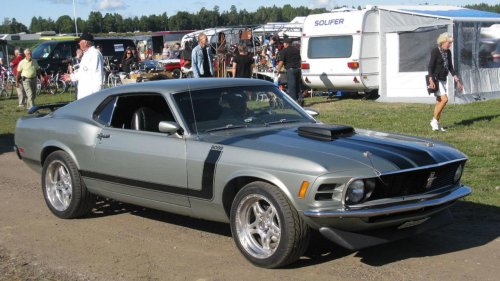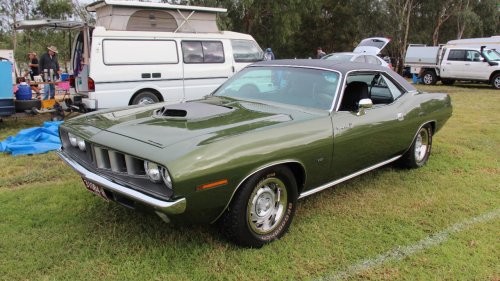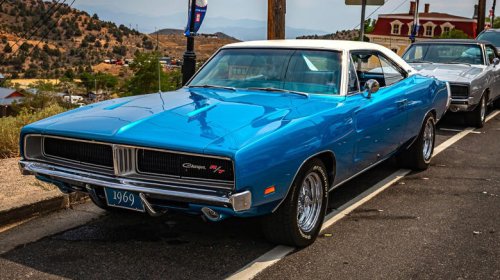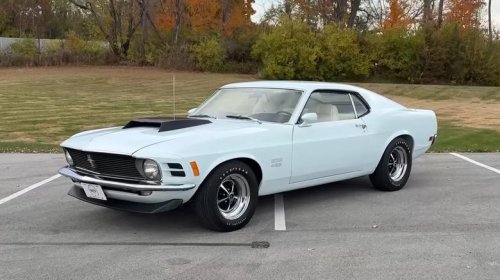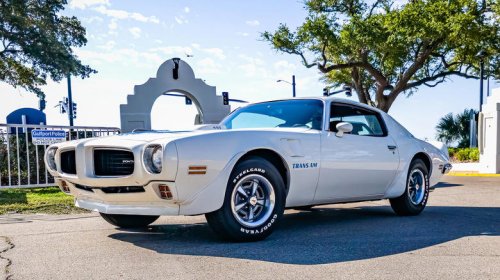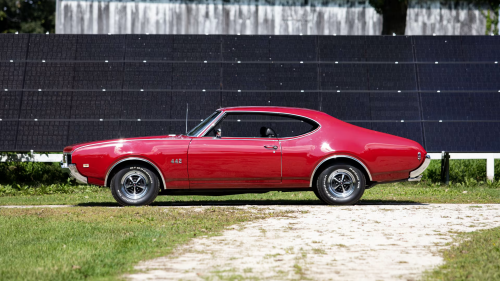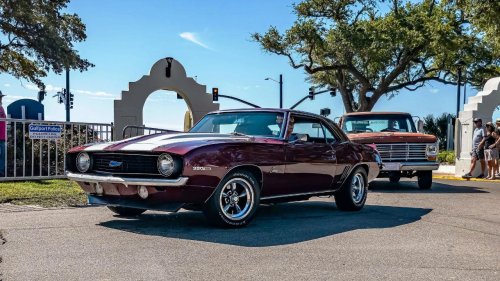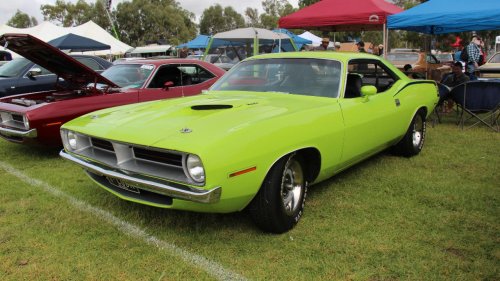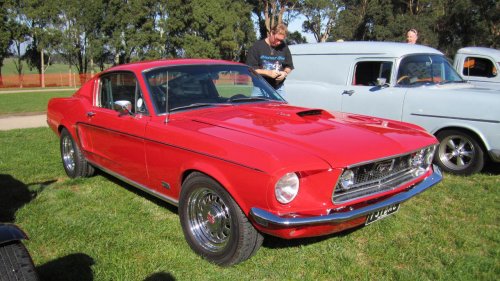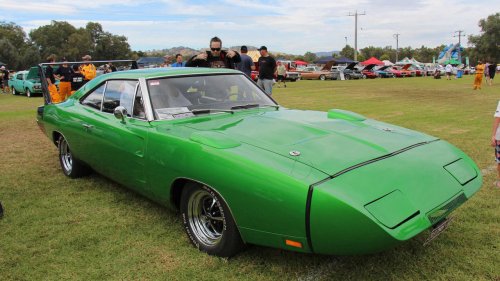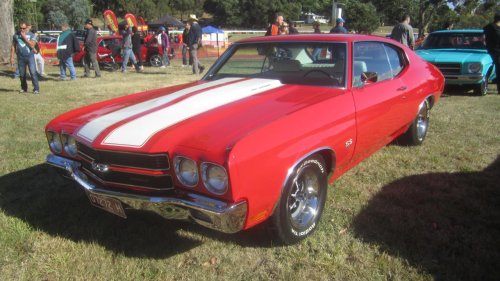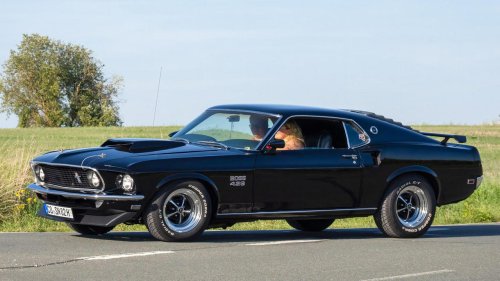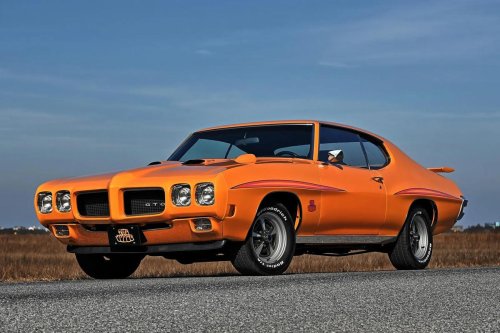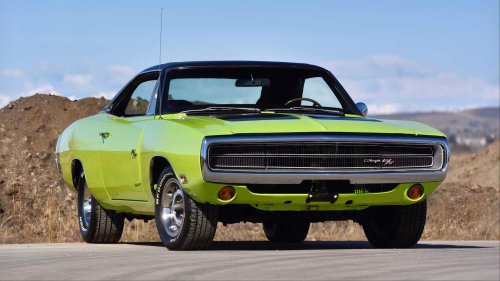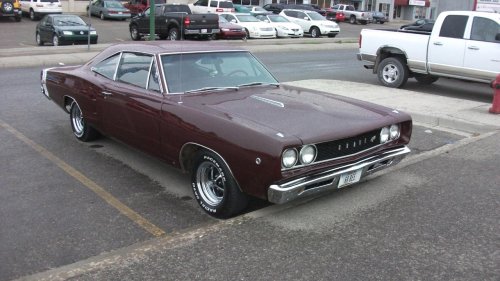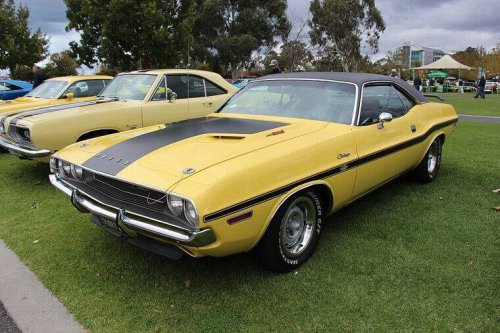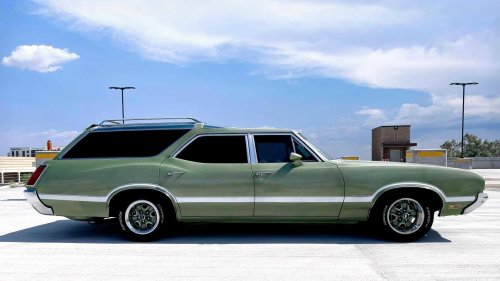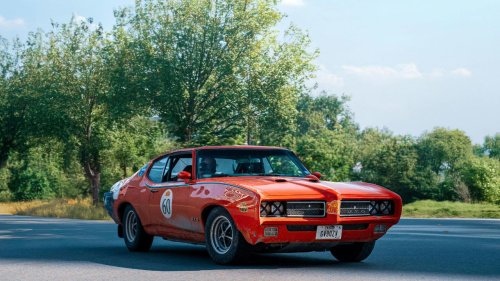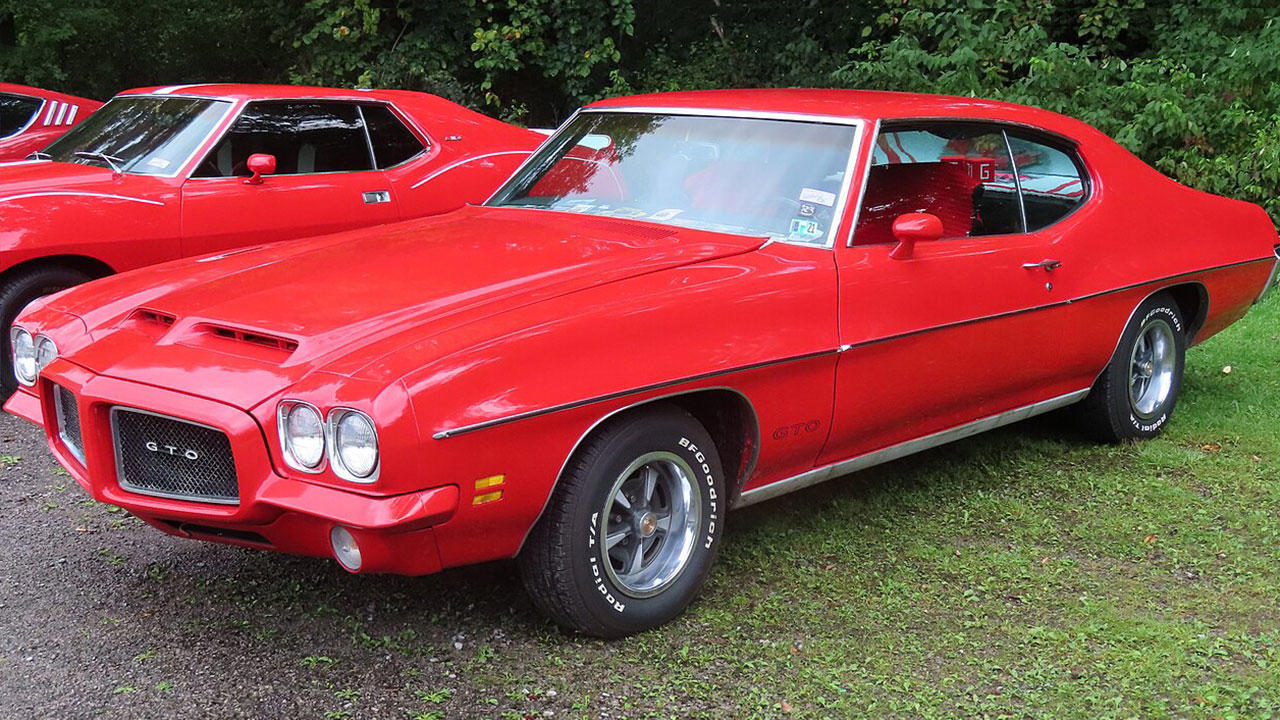



















1970s muscle vs 1960s muscle which era really delivered moreAmerican muscle fans tend to split into two camps. One side swears the 1960s created the purest, wildest performance cars Detroit ever built, while the other argues the 1970s pushed displacement and attitude to their limits before regulations slammed the door. Sorting out which decade really delivered more means looking past nostalgia and measuring what these cars actually did on the street, at the strip, and on the spec sheet. Viewed side by side, the 1960s and 1970s tell a story of rapid escalation, sudden crackdown, and surprising reinvention. The 1960s wrote the rulebook for muscle, but the 1970s tested how far that formula could be stretched in the real world of insurance surcharges, emissions rules, and gas lines. What happened The 1960s: when muscle found its shape The basic ingredients of American muscle were in place by the middle of the 1960s: a midsize or intermediate body, a big-displacement V8, rear-wheel drive, and a price that still put the car within reach of younger buyers. Models like the Pontiac GTO, Chevrolet Chevelle SS, Oldsmobile 442, and Plymouth Road Runner turned that formula into a repeatable template that every major Detroit brand followed. Early in the decade, performance was still tied closely to full-size cars and factory racing programs. Big Galaxies, Catalinas, and Impalas carried high-compression 409 and 421 engines, often tuned for NASCAR or drag racing. As the decade progressed, those race-bred engines and suspension tricks migrated into smaller, lighter platforms. That shift is what made a car like a Chevelle SS 396 or a GTO feel explosive compared with the lumbering sedans of only a few years earlier. By the late 1960s, the arms race had moved into both displacement and image. Dodge and Plymouth launched the Charger R/T and Road Runner with cartoon graphics and hood scoops that did not attempt subtlety. Chevrolet offered the Camaro Z/28 and SS 396, while Ford countered with the Mustang Mach 1 and Boss variants. Advertised horsepower figures climbed, hood stripes got bolder, and the cars became central props in youth culture and motorsport. Crucially, the late 1960s still operated under relatively loose federal oversight. High compression ratios, aggressive cam profiles, and minimal emissions hardware were common. Pump gas could support 10.5:1 or higher compression in many performance engines. That freedom let engineers chase peak numbers without worrying much about fuel economy or tailpipe output. The 1970s: peak power then a hard reset The first years of the 1970s did not start with a decline. Instead, they pushed the 1960s template to its logical extreme. Engines like Chrysler’s 426 Hemi and 440 Six Pack, Chevrolet’s 454 LS6, and Pontiac’s 455 HO represented the largest and most aggressive big-blocks to reach mass production. Insurance companies responded with steep surcharges on high-horsepower models, which in turn pushed some buyers toward less obvious packages that still packed serious power. Detroit also began installing large V8s into cars that were not marketed as traditional muscle. Big-block intermediates and full-size coupes could be ordered with performance engines that turned otherwise sensible family transport into what enthusiasts now recognize as overpowered sleepers. One example is highlighted in coverage of Detroit’s overpowered family, a reminder that the early 1970s spread muscle hardware far beyond flashy stripes and spoilers. That early decade high point collided quickly with new realities. Federal emissions standards tightened, unleaded fuel became mandatory, and the first oil crisis pushed fuel economy to the forefront. Manufacturers dropped compression ratios, retarded ignition timing, and bolted on primitive emissions equipment that strangled output. The industry also shifted from gross to net horsepower ratings, which made the numbers look worse even when mechanical changes were modest. By the mid-1970s, many nameplates that had been fearsome in 1970 were shadows of their former selves. A badge like GTO or SS could still appear on a fender, but the engine underneath might be a small V8 or even a six-cylinder, tuned more for emissions compliance than quarter-mile glory. Weight crept up due to safety regulations and added equipment, so even similar horsepower figures translated into slower real-world performance. How the numbers actually moved Looking strictly at output, the late 1960s and very early 1970s form a continuous curve upward, followed by a sharp drop. Many of the most celebrated 1960s muscle cars reached their strongest factory ratings right around 1969 or 1970. After that, the same engines were detuned, or the options disappeared entirely. Quarter-mile times tell a similar story. Factory-stock big-block cars from 1968 to 1971 often ran in the low 14s or high 13s with traction-limited launches. By 1974, even performance-oriented models struggled to match those numbers, and some slid into the 16-second range. The shift was not gradual; it was driven by policy decisions that hit within just a few model years. Yet the 1970s did not eliminate performance so much as redirect it. Smaller, lighter platforms like the Pontiac Firebird Trans Am, Chevrolet Camaro Z28, and later the downsized intermediates tried to keep some of the old spirit alive with handling improvements and more subtle power gains. Enthusiasts in that decade increasingly turned to aftermarket tuning, using better intake, exhaust, and ignition components to claw back what factory calibrations had sacrificed. Why it matters Defining what “delivered more” really means Arguing about which decade “delivered more” only makes sense once the criteria are clear. There are at least four ways to measure it: peak performance, breadth of choice, cultural impact, and survivability in the real world of cost and regulation. On peak performance, the late 1960s and the first years of the 1970s form a single golden window. Many halo cars reached their top specifications around 1969 to 1971, so the distinction between decades blurs. A 1969 Camaro ZL1, a 1970 Chevelle SS 454 LS6, and a 1970 Hemi ‘Cuda all sit on the same plateau. The 1960s deserve credit for inventing the formula, but the very early 1970s often hold the most extreme versions of it. On the breadth of choice, the 1960s have a strong claim. By the end of that decade, nearly every domestic brand fielded multiple muscle entries across different sizes and price points. Buyers could choose between stripped budget bruisers, luxury performance coupes, and track-focused specials, all within the same showroom. The variety was remarkable, from compact Novas and Darts to intermediates and full-size bruisers. The early 1970s added displacement and some wild graphics packages, but the field narrowed quickly as the decade progressed. By the mid-1970s, many of the original nameplates had disappeared or been watered down. The choice shifted from “which big-block” to “how much performance is left at all.” In that sense, the 1960s offered more consistent access to serious muscle across the full decade. Cultural weight versus lived experience Cultural impact tilts heavily toward the 1960s, simply because those cars arrived at the same time as major shifts in music, film, and youth identity. Iconic chase scenes, drag strips filled with new GTOs and Chargers, and the rise of factory-backed racing created an image of American muscle that still shapes expectations decades later. The 1970s image is more complicated. Early in the decade, the cars were still loud and outrageous, but the backdrop changed to insurance crackdowns and fuel shortages. Later 1970s performance models often carried more cynical styling, with graphics that promised more than the engines could deliver. Yet enthusiasts who came of age in that period remember a different reality: affordable used big-blocks, easy modifications, and a sense of rebellion in keeping older muscle alive while new cars grew softer. From a lived-experience standpoint, the 1970s arguably delivered more to budget-conscious hot rodders. As insurance and fuel costs pushed original owners out of high-performance cars, those machines filtered down into the hands of younger buyers who could finally afford them. Junkyards filled with big-blocks and heavy-duty driveline parts, which fed a thriving underground of street and strip builds that did not show up in factory brochures. Regulation, safety, and the hidden gains The regulatory squeeze of the 1970s is often framed as the villain in muscle car history. Yet some of those changes brought real benefits. Safer bodies, better crash protection, and more consistent braking hardware made high-speed driving less hazardous. Emissions rules, though crude in their first implementations, laid the groundwork for the cleaner and far more powerful engines that would return in later decades. Within that environment, engineers began to think differently about performance. Instead of relying solely on cubic inches and compression, they paid more attention to gearing, aerodynamics, and handling. Cars like the Trans Am and some later Camaros put more emphasis on suspension tuning and braking performance than their 1960s ancestors, which were often built to go fast in a straight line and little else. Seen through that lens, the 1970s did not simply end the muscle era. They forced a transition from raw, loosely controlled power toward more balanced performance. While the first half of the decade struggled with crude emissions controls that hurt drivability, the lessons learned there would eventually support the resurgence of high-output V8s with fuel injection and advanced ignition systems. Collector value and myth-making Today’s collector market amplifies the mystique of both decades, but it does so unevenly. The most valuable cars tend to cluster around the late 1960s and very early 1970s, which again blurs the decade line. A 1969 Yenko Camaro, a 1970 Superbird, and a 1971 Hemi ‘Cuda all command staggering prices, far beyond most later 1970s models. This market bias can distort perceptions of what ordinary buyers actually experienced. For every rare homologation special, there were thousands of more modestly optioned cars that served as daily transportation. Many of those lived their hardest miles in the 1970s, often with modifications and engine swaps that made them quicker than any stock configuration. The legend of 1960s muscle is partly built on what those cars became in the following decade, not just how they left the factory. That myth-making matters because it shapes how enthusiasts evaluate current performance cars. Modern V8 coupes and sedans are often compared against an idealized version of late 1960s muscle that ignores drum brakes, bias-ply tires, and vague steering. Remembering that the 1970s introduced better chassis tuning and safety helps create a fairer baseline for those comparisons. What to watch next How enthusiasts and builders are rewriting the era debate The ongoing restoration and restomod scene is quietly changing how people rank the 1960s against the 1970s. Builders who specialize in period-correct restorations tend to gravitate toward late 1960s icons and early 1970s halo models, reinforcing their status as the purest expression of muscle. At the same time, restomod shops are increasingly using less celebrated late 1970s shells as foundations for modernized drivetrains and suspensions. Those projects highlight a practical truth. A slightly heavier, better-braced 1970s body can handle contemporary power levels and tire grip more comfortably than some earlier shells. As more of these builds appear at major auctions and shows, the reputation of 1970s muscle-era cars is improving, especially among younger enthusiasts who value drivability and reliability alongside nostalgia. More from Fast Lane Only Unboxing the WWII Jeep in a Crate 15 rare Chevys collectors are quietly buying 10 underrated V8s still worth hunting down Police notice this before you even roll window down