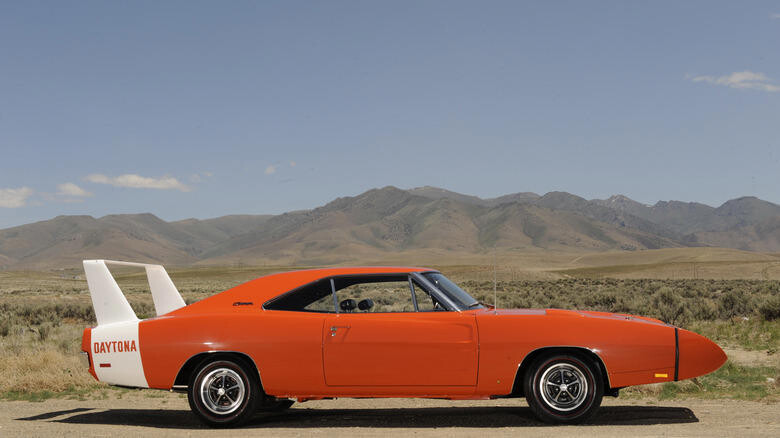
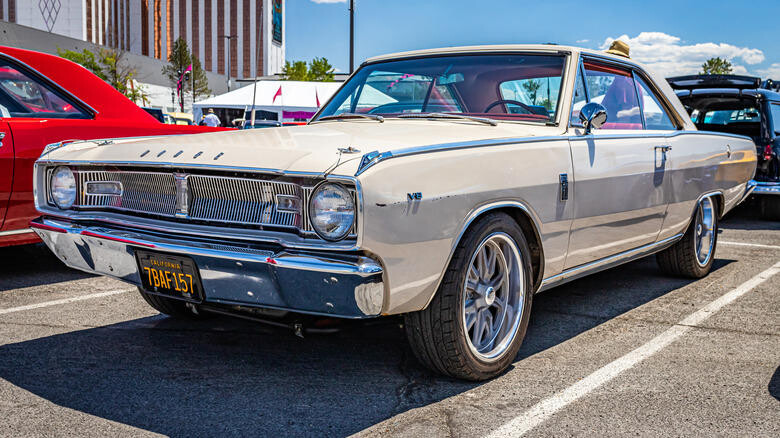
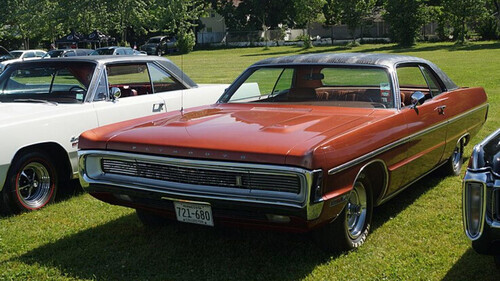
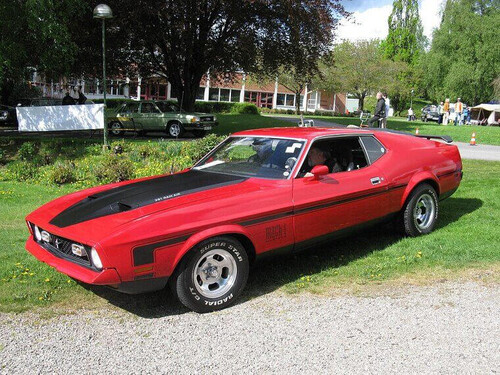
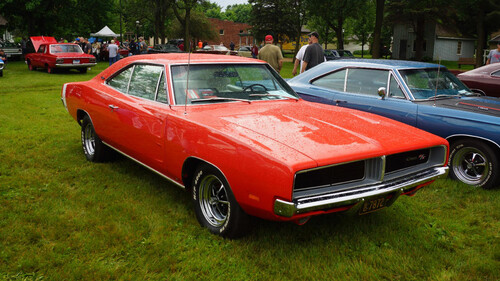
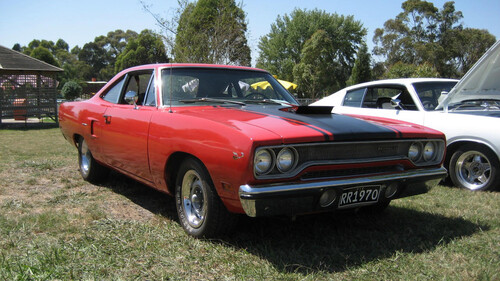
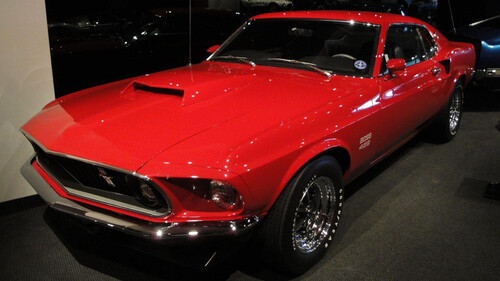
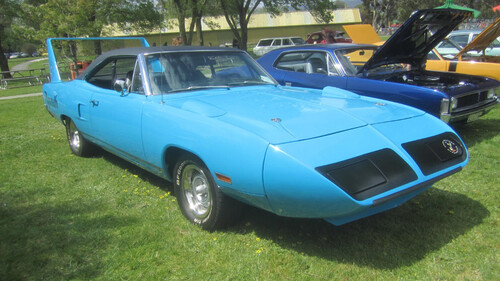
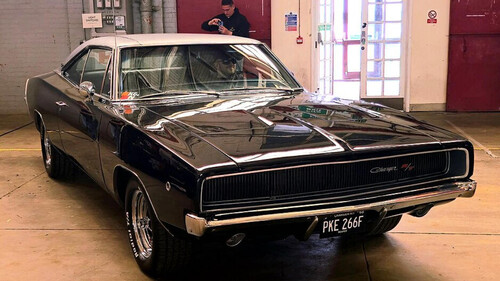
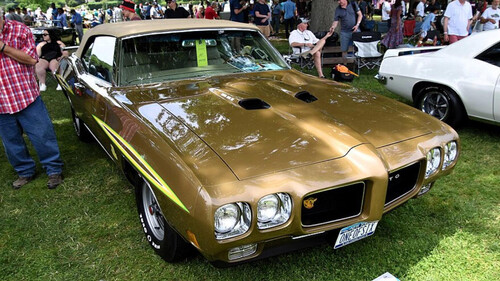
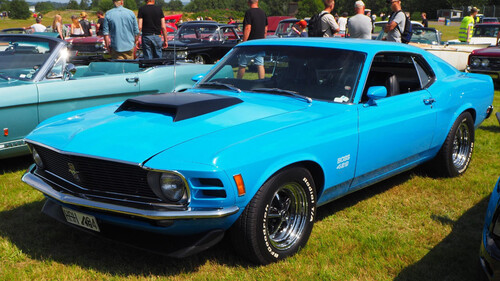
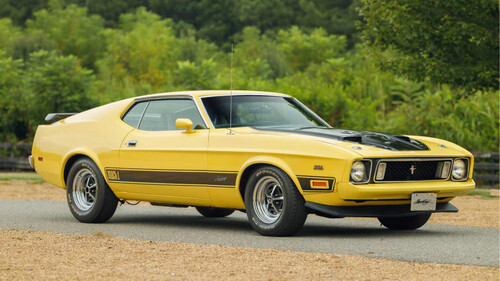
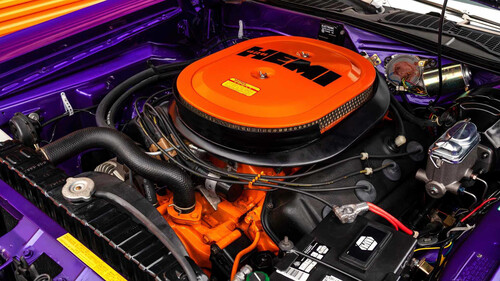
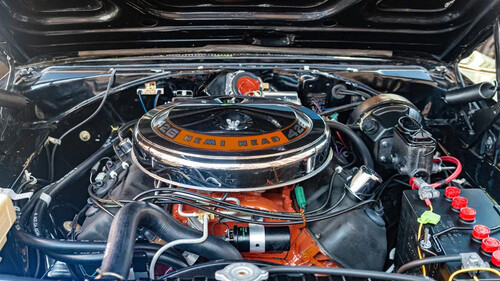
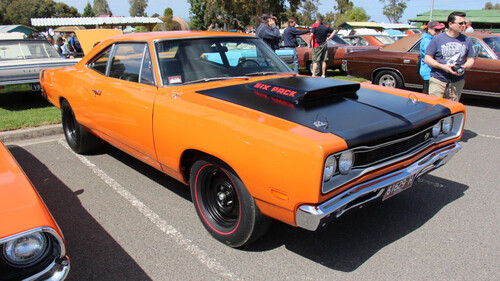
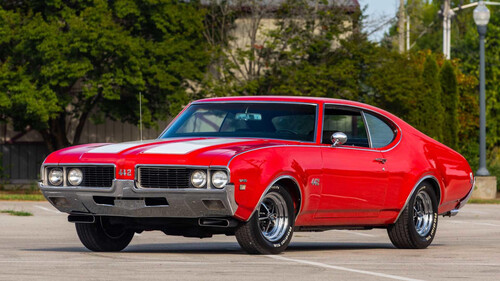
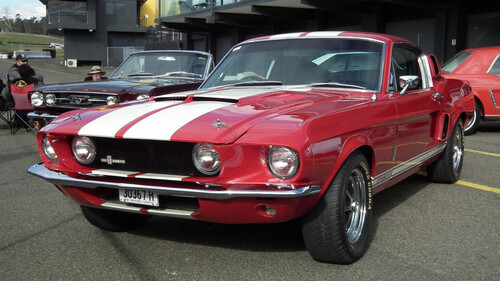
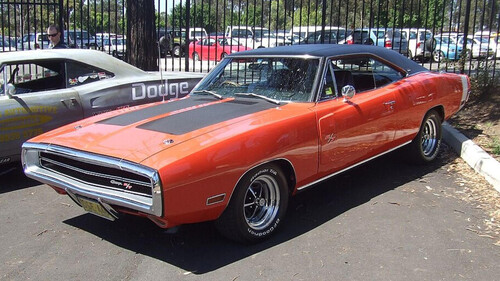
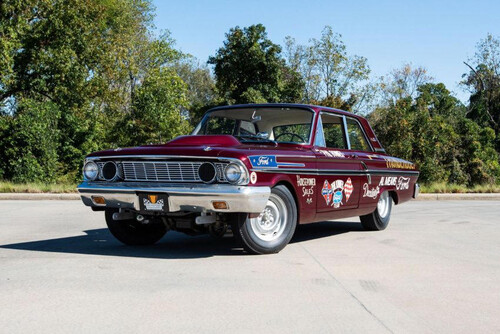
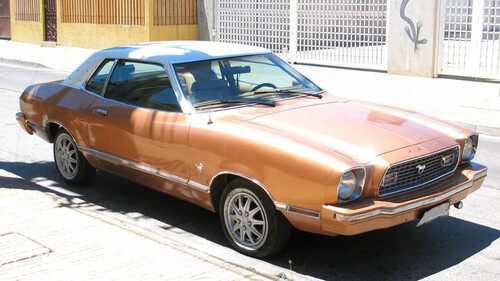
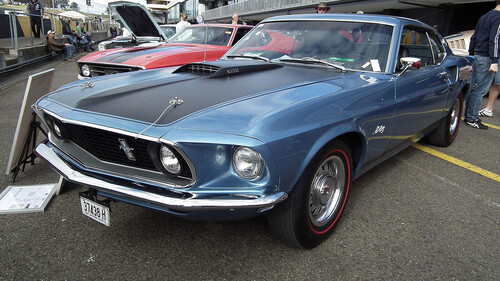
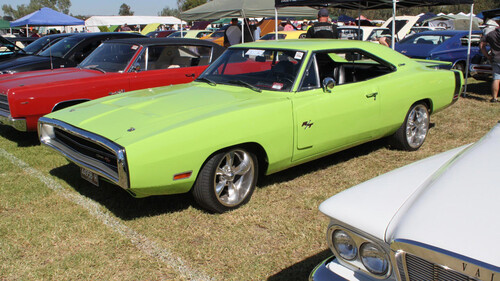
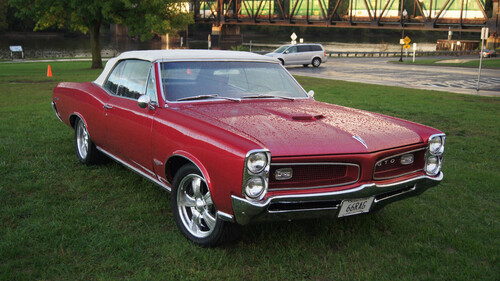
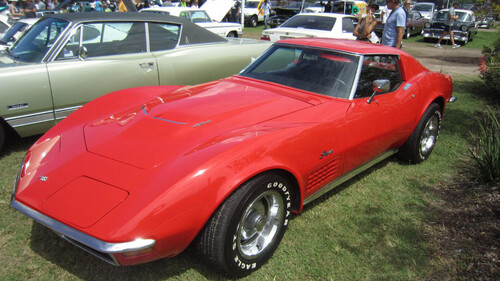
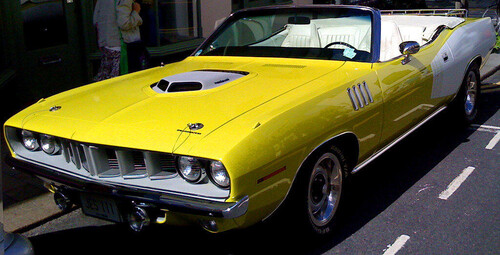
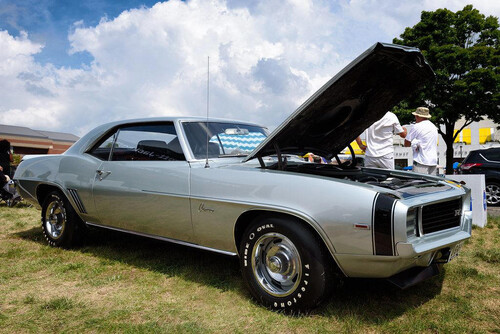
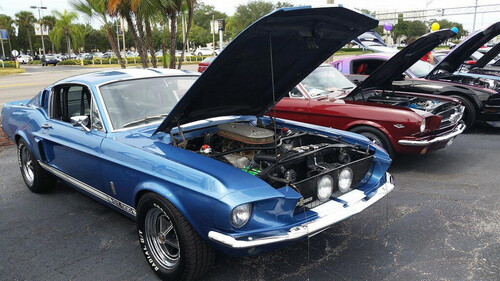
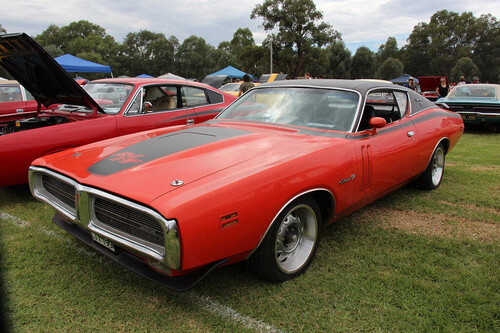
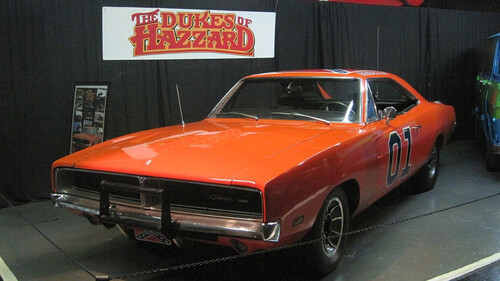
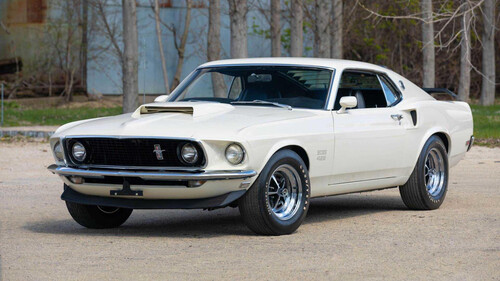
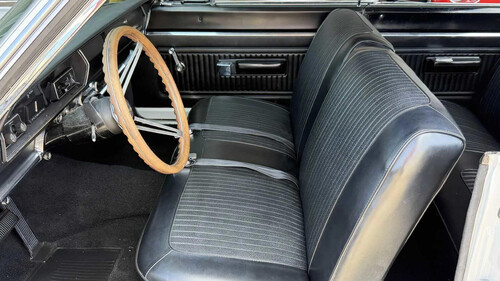
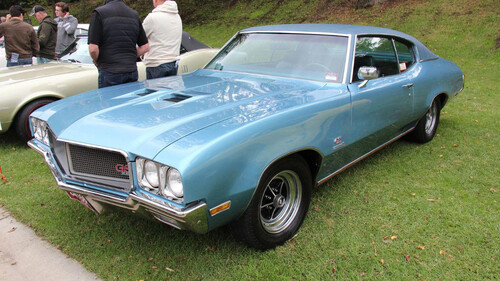
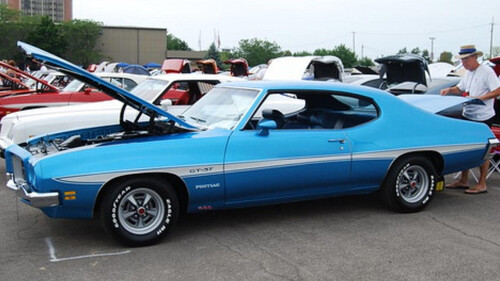
1965 Ford Mustang GT 289The 1965 Ford Mustang GT starts our list with a bang. It was an important year for the Ford Mustang because it was just the second year that the Mustang was available to the public, and Ford had already made quite the splash with the now-iconic muscle car. It was built specifically for what was going on in the 1960s and was under development as early as 1961. The car was an instant success, selling 418,000 units its first year and setting a record at the time for most cars sold in a new car's first year. In terms of speed, the car can clear zero to 60 MPH in 5.2 seconds with a quarter mile run accomplished in 14 seconds flat while reaching a top speed of 100 MPH. It accomplished this feat with a 289 cubic inch V8 that could pull as much as 306 horsepower depending on the configuration. It also weighed less than muscle cars would eventually weigh later on in the 1960s with a rated curb weight of a little over 2,800 pounds. That, combined with the hot 289, gave the Mustang some speedy chops. The 1965 Ford Mustang GT 289 isn't the rarest car in Ford's lineup as the company reportedly sold over 500,000 of them. Coincidentally, the first Shelby Mustang was also manufactured in 1965. Somewhat ironically, the performance-oriented Shelby Mustang was slightly slower getting to 60 MPH than the regular Mustang GT at 5.4 seconds but was slightly faster in the quarter mile dash at 13.9 seconds. 1969 Dodge Charger Daytona 426 HemiThe 1969 Dodge Charger Daytona was a car built to win. By this time in the decade, the big automakers were slugging it out as hard as they ever had before for dominance, particularly in the NASCAR circuit. The Dodge Daytona was part of this push and its unique design for its day is part of that. As per NASCAR's rules at the time, Dodge made a little over 500 of these for production, but it was first and foremost built as a race car. It was quite good at what it did. The Daytona was able to scoot from zero to 60 MPH in 5.2 seconds with a quarter mile drag time of 13.7 seconds, making it overall slightly faster than either 1965 Ford Mustangs we talked about earlier. It accomplished this feat through a mixture of its aerodynamic design paired with its absolutely massive 7.0-liter engine that produced 430 horsepower and 490 lb-ft of torque. It also featured a dual carburetor design. This car could've gone faster but its downfall was its 4,079-pound curb weight, which is as much or more as some modern crossover SUVs weigh. Dodge did pretty well with this car. It won two NASCAR races in 1969 and another four in 1970. It also had some other notable historic achievements. It was the first NASCAR vehicle to eclipse 200 MPH on the track. Its high speeds allowed it to win the Talladega 500, which is one of NASCAR's longest oval tracks and, as a result, where drivers often get see the highest speeds. 1969 Plymouth Road Runner 426 HemiThe Plymouth Road Runner 426 Hemi is quite the name for quite a car. Design wise, this speed demon isn't too different from other Road Runner cars that Plymouth made in the late 1960s, but the automaker managed to score big with this one in terms of performance. People seemed to enjoy the car in 1968, so Plymouth doubled down in 1969 and included additional options, such as a convertible model. It also had an iconic beep-beep horn sound, mimicking the Road Runner from the Looney Tunes cartoon show. The name was well deserved as the Road Runer 426 could get to 60 MPH in 5.1 seconds with a quarter mile run of 13.5 seconds. Powering the Road Runner was a 426 cubic inch Hemi V8 that could produce 425 horsepower and 490 lb-ft of torque. The engine was an optional upgrade, so not every 1969 Road Runner has it. The base engine was no slouch either, pushing the Road Runner to 60 MPH in 7.1 seconds with a 14.3-second quarter mile time. It was also lighter than a lot of muscle cars of the era at 3,436 pounds. Plymouth only produced the Road Runner for a handful of years in the late 1960s and early 1970s. While it started off as a hit with customers because of its tie-in with the Road Runner cartoon, it eventually won MotorTrend's Car of the Year award in 1969, helping to cement its legacy.1968 Dodge Dart GTSThe 1968 Dodge Dart GTS is a unique vehicle. It has the larger body styling of American muscle cars of the era, but it managed to be one of the fastest things on four wheels during that era. In addition, it played second fiddle to the legendary 1968 Dodge Charger lineup, despite actually being faster depending on the configuration. To get the fastest Dart, you needed to get the upgraded GTS model and then you had to snag one of the exceedingly rare Super Stock models with the 426 Hemi in it. If you managed that, you had a sleeper if there ever was one. The 1968 Dodge Dart GTS with the 426 Hemi went from zero to 60 MPH in 4.7 seconds with a quarter mile time of 13.1 seconds, beating out even the Chevy Corvette. Of course, Dodge's absurdly powerful 426 Hemi played the biggest role with its identical specs to the Dodge Charger of the same year. The biggest difference is that the Dodge Dart weighed significantly less than the Dodge Charger Daytona from 1968, which definitely helped the car move faster. Like many other cars on this list, the 426 Hemi variant of the Dodge Dart GTS is quite rare. Reportedly, only about 80 were ever made. So, if this is the first time you've ever seen this particular configuration, that's why. Nevertheless, this little car could burn rubber and fling gravel with the best of them and is among the fastest cars of the 1960s. 1964 Ford Fairline ThunderboltThe 1964 Ford Fairlane Thunderbolt is another rare car that was built for speed and little else. Ford built exactly 100 of these cars with about half of them being automatics and half of them being manuals. The reason why Ford built so few is because this wasn't meant as a production car. It had myriad modifications directly from Ford so that it could win drag races, which it did very well. The Ford Fairlane Thunderbolt was capable of doing zero to 60 MPH in as little as 4.4 seconds and did a quarter mile run in 13.1 seconds. Under the hood was Ford's potent 427-inch V8 that made 425 horsepower and 480 lb-ft of torque. That was competitive enough for its era, but Ford did some other stuff to this car before it left the factory. That includes lowering the weight significantly as the car only weighed 3,225 pounds. To do this, Ford omitted a number of comfort-oriented items from the car, including sound deadening, a backseat, a heater, and even the radio. Ford's attention to detail paid off as the Thunderbolt was one of the most successful cars in racing in the early 1960s. With Ford's full configurations in place and a few other modifications, the Thunderbolt could clear a quarter mile in 11 seconds, which was fast enough to take home the NHRA Top Stock trophy and the NHRA Manufacturers' Cup in 1964.