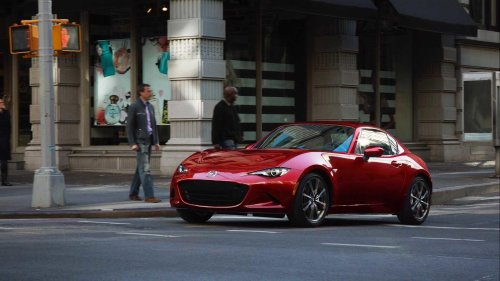
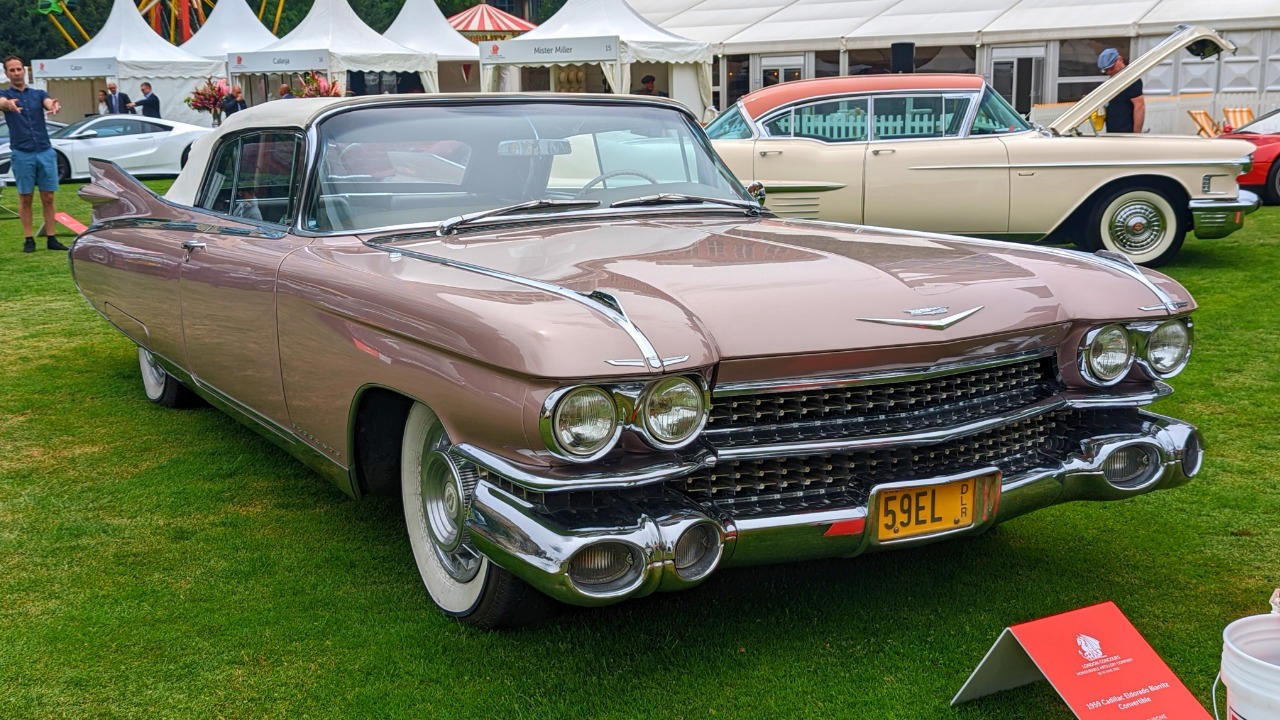
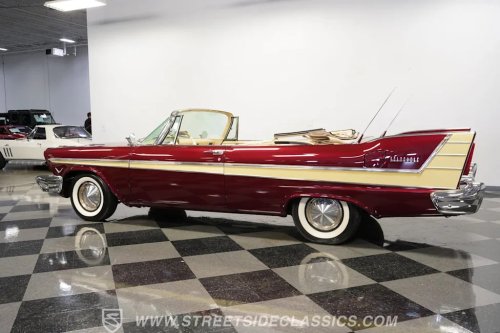
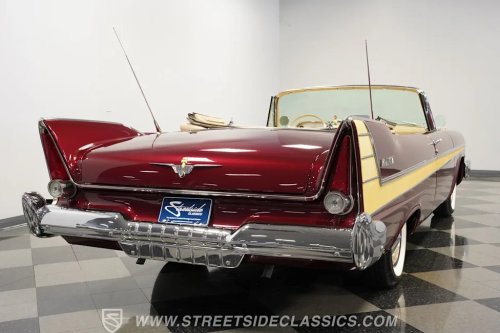
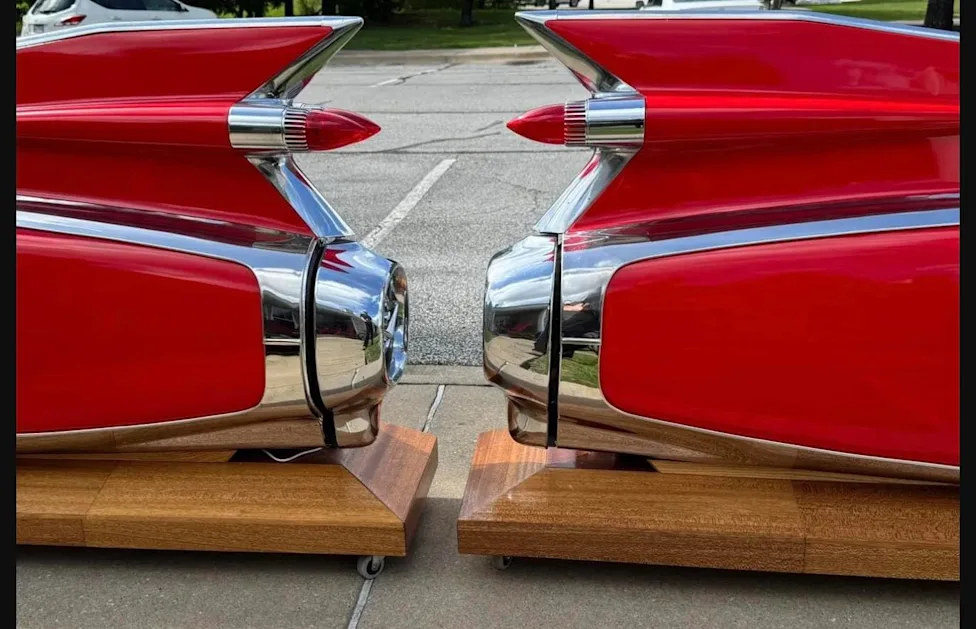
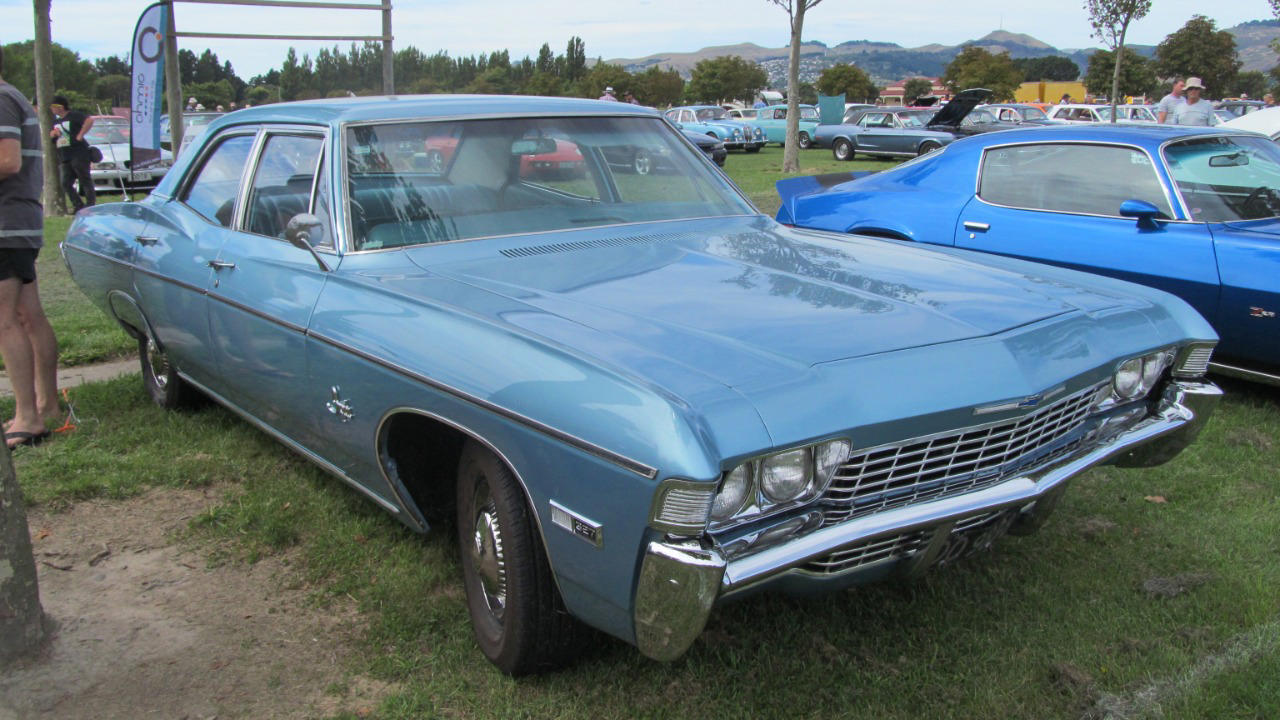
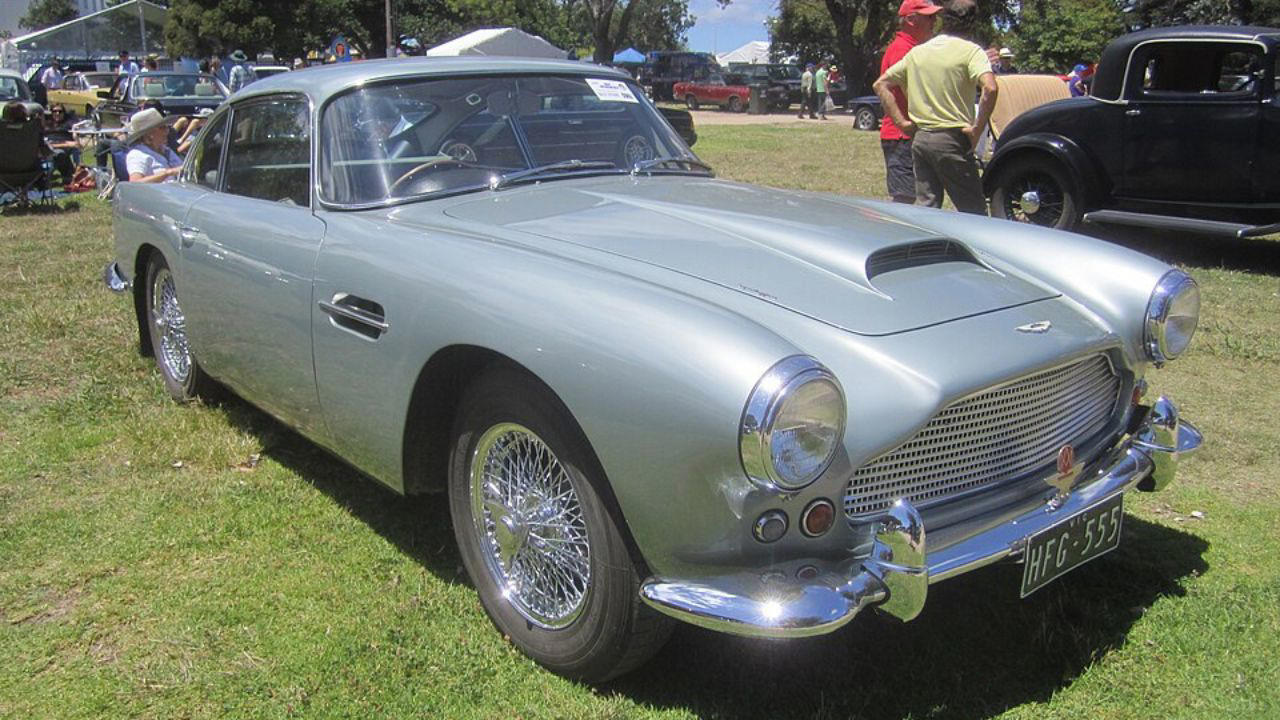
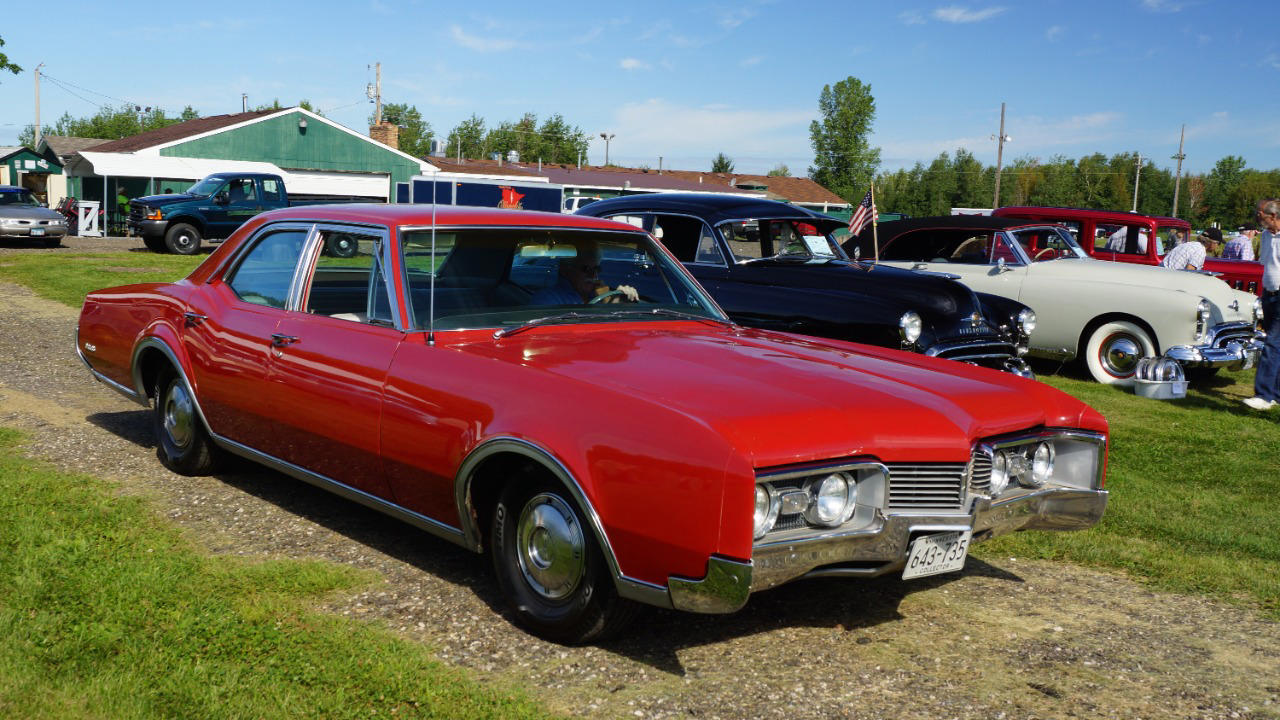
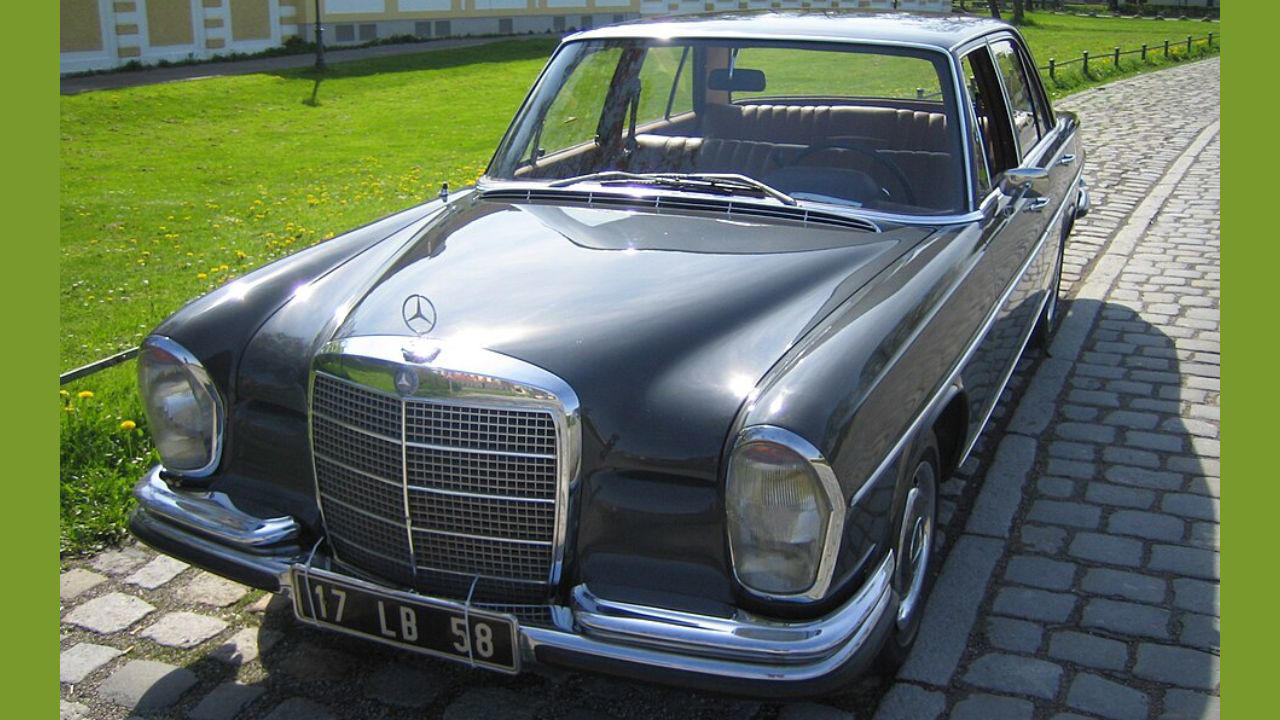
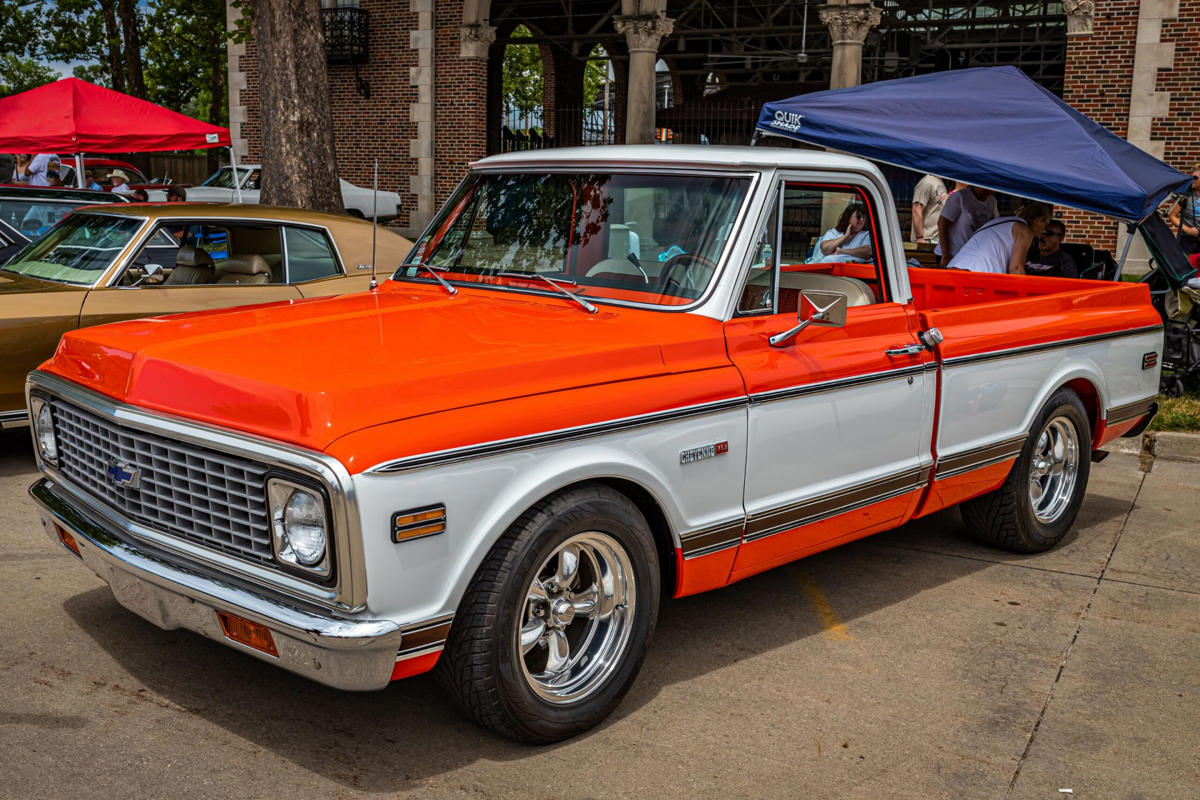
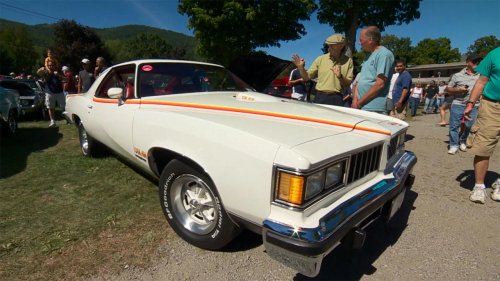
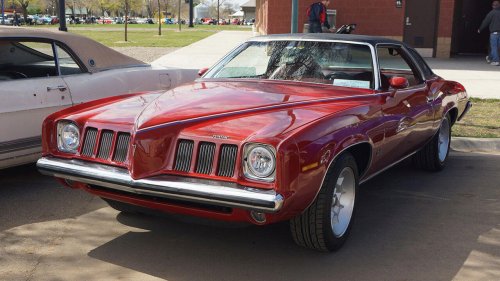
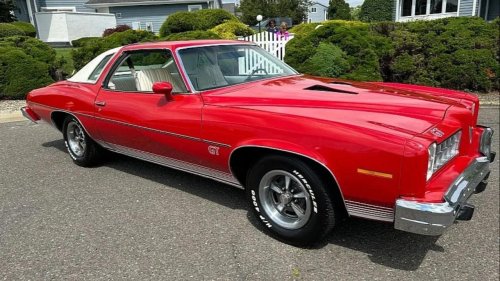
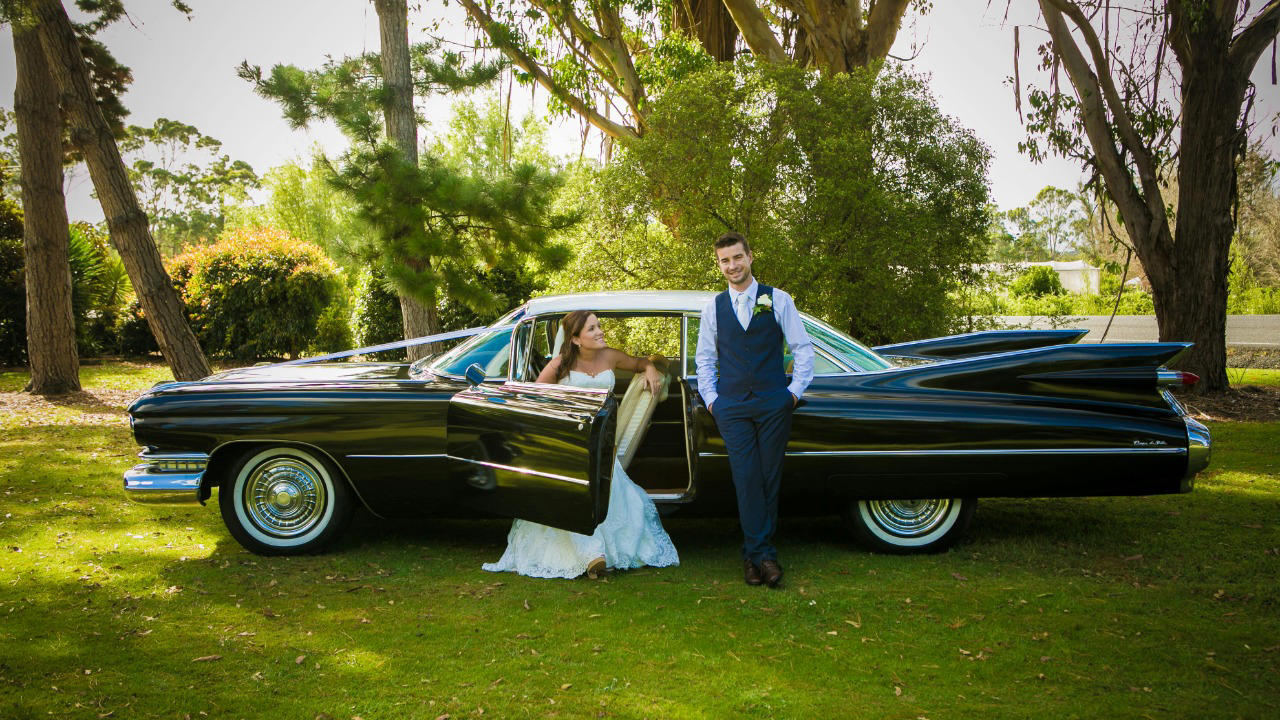
Big fins vs clean lines which era actually aged betterFew arguments in car culture are as persistent as the one that pits the flamboyant tail fins of the 1950s against the cleaner, more restrained lines that followed in the early 1960s. One side sees chrome, fins, and whitewalls as the purest expression of Americana, the other praises the calmer proportions and maturing engineering of the next decade. The real question is not which era looked wilder at the time, but which design language has actually aged better on the road, in the market, and in the public imagination. The case for big fins and bright chrome Mid-century Detroit did not do subtle. The classic image is a bright red coupe on wide whitewall tires, paint deep enough to mirror a February drive and chrome that turns every curb into a strip of polished metal. Enthusiasts still share that look as shorthand for quintessential Americana style, from small-town parades to film sets that need to telegraph the 1950s in a single frame. Designers of that decade treated the car body as a rolling sculpture. Tail fins climbed higher year after year, grilles grew wider and more intricate, and side trim traced dramatic sweeps over the rear wheels. A detailed breakdown of one comparison between a 1959 Eldorado Seville and its successor notes how the earlier car used a wider, more aggressive front and more elaborate brightwork to project status, while the 1960 model already moved toward a smoother, less ornate face. That shift captures the broader transition from exuberant surfaces to cleaner geometry. Fans of the fin era argue that this extravagance was not random. Commenters in one Nov discussion about which decade of cars is better describe the 50s as a period when “anything was possible and imagination” led the way, while the sixties are praised more for refinement than for sheer visual drama. The 1950s cars were aimed at buyers who wanted their success to be visible from a block away, and the design teams obliged. How the fin era evolved in real time Styling did not stand still through the decade. One enthusiast analysis of the period points out that the 1950s saw both mechanical and aesthetic ideas evolve quite significantly, with early cars still rooted in prewar forms and later models embracing lower rooflines, wraparound glass, and more integrated bodies. A video survey of that period highlights how the so-called rocket and tail fin era pushed proportions further each model year, turning modest rear fenders into towering blades by the end of the decade, a shift that can be seen clearly in the top 10 designs. That escalation was not purely about art. Corporate strategy played a role. A widely shared segment on planned obsolescence explains how General Motors used frequent styling changes in the 1950s to encourage shorter ownership cycles, with new fins, grilles and trim packages signaling that last year’s car was already out of date. The clip on How GM approached frames those annual facelifts as a deliberate business model, not just a creative whim. The result was a decade where visual novelty became a selling point in itself. Buyers were trained to expect dramatic change every few years, and designers responded with bolder fins, more chrome and increasingly ornate interiors. That arms race helps explain why the end of the decade feels so far removed from its beginning when the cars are parked side by side at a show field. Function behind the spectacle Supporters of the fin era often push back on the idea that it was all styling excess. In one Sep discussion of tail fins, enthusiasts argue that these towering forms also widened the rear profile and helped guide airflow at higher speeds. The post describes how fins could stabilize the car by directing air over the trunk and rear fenders, especially as highway speeds rose and drivers spent more time on new interstates. While the aerodynamic science of those shapes was not always rigorous, the idea that form could hint at function gave fins an extra layer of appeal. Other fans focus on how the cars feel as objects. A video on six cool 1950s finned classics jokes about Finland and “big fins” to the left and right, but the underlying point is serious. These cars dominate the street visually in a way few modern vehicles can match. Their height, chrome and color command attention, and that presence is a key reason collectors still seek them out. The playful references to Finland and fins underline how deeply that silhouette has lodged in popular culture. The 1960s pivot to cleaner lines Then the 1960 model year arrived and the mood changed. One design historian in a widely shared video argues that the 1950s effectively ended in 1960, both literally and figuratively, as automotive styling toned down just as broader culture began to shift. Fins shrank or disappeared, bodies became smoother and lower, and the focus moved toward proportion, stance and performance rather than chrome count. Contemporary observers noticed the change. A forum discussion on automotive exterior design asks why there was such a relatively sudden move away from ornate forms in the early 1960s. One contributor begins with “Perhaps it had a little more to do with the buyer market being targeted by the early 60’s,” then contrasts that with how “In the 50’s and earlier, cars seem to have been aimed at a different audience.” The argument is that younger, more urban customers in the 1960s valued agility and modernity over sheer visual bulk, which nudged designers toward cleaner, more technical surfaces. Participants in the same conversation point out that regulations and safety concerns also started to shape bodywork. Lower hood lines, better visibility and integrated bumpers all pushed design toward a more rational look. The chrome-laden fantasies of the previous decade began to feel out of step with an era that was increasingly concerned with fuel, emissions and practicality. Which decade wins with enthusiasts? When enthusiasts are forced to choose, the 1960s often come out ahead in overall desirability, even among fans who love fins. A comparison of “cars to buy” lists from different decades notes that of the models recommended, 0 cars from the 1950s made the cut while five from the 60s did. The same analysis highlights that three models from the 1950s and five from the 1960s are still considered worthwhile collector choices, but the numerical advantage goes to the later decade. That tilt shows up clearly in decade comparison pieces aimed at buyers. Enthusiast debates echo that split. In one Nov thread about which decade of cars is better, a commenter opens with “Difficult choice” before siding with the 50 for imagination and possibility, while another voice argues that the sixties delivered more complete packages. The 50 is praised for visual daring, the 60 for balance between style, performance and usability. That tension captures why the argument persists. From a pure driving perspective, many collectors find that 1960s cars feel more modern. Steering, brakes and suspensions advanced quickly, and engines delivered more power with better reliability. For owners who want to put serious miles on their classics, those improvements can outweigh the theatrical silhouettes of the previous decade. How design aging works beyond cars The way the fin era and the 1960s have aged mirrors patterns in other design fields. A survey of sofa trends notes that by the end of the 1960s, a cultural shift pushed interiors toward more playful, informal styles in reaction to the stiffer geometric designs of mid-century modernism. The report explains that by the close of that decade, people wanted furniture that looked less structured and more inviting, a move that parallels how car buyers turned away from sharp fins and rigid chrome patterns toward softer, more human-centered shapes. In both cars and interiors, the most extreme expressions of a style often become period pieces. They are beloved as icons of a specific moment, but they can struggle to feel timeless. More restrained designs from the following phase sometimes age better because they sit comfortably between eras, modern enough to avoid looking antique but distinctive enough to avoid anonymity. Market values and collector sentiment Financial performance offers another way to judge which era has aged better. A recent video from a long-time collector discusses how classic car values behave over time and whether they will continue to rise. The host, who describes himself as an obvious classic car lover and owner of many different cars, says one of the questions he gets asked relatively frequently is whether values will keep climbing or flatten out. His comments in classic value talks suggest that demand is strongest for cars that combine distinctive styling with usable performance, a combination that often favors later 1960s models over the heaviest finned cruisers. At the same time, some owners in Feb discussions about classic car values argue that prices for certain older models are decreasing. In one exchange, Jeff Mersey responds to John Hall, who agrees with Steven Smith that while they enjoy cars much older than the 1970s, the market is not uniformly rising. That nuance matters. The most spectacular 1950s showpieces still command attention and money, but more ordinary examples can lag behind leaner, more drivable 1960s icons. Rarity and cultural recognition also shape values. A handful of halo cars from both eras remain blue-chip collectibles, but the broader mid-range market often leans toward vehicles that can be used regularly without feeling fragile or out of place in traffic. That again tends to favor the cleaner, more integrated designs of the 1960s. Why the fins still matter None of this means the fin era has faded from relevance. Opinion pieces that champion the 1950s argue that later regulations and economic pressures constrained creativity, leading to safer but less expressive designs. One Jul essay begins with “As the decades have progressed” and goes on to claim that real-world environmental and safety rules have negatively impacted the freedom designers once had. For these writers, the 1950s represent a high point of unfiltered imagination that modern production constraints rarely allow. Social media nostalgia reinforces that view. A Sep post that starts with “Back in the 1950s & 60s, car design wasn’t about efficiency alone” insists that the period prioritized imagination and presence over wind tunnel numbers. The same sentiment shows up in photo groups that celebrate long, low convertibles and towering fins as symbols of optimism, a time when technology and style seemed to move forward together without restraint. Even the platforms that host this nostalgia have their own histories. Technical documentation discovered through an Instagram citation trail, such as the guidelines at developers’ resources and related help pages that were discovered via links about how GM and planned obsolescence, shows how digital infrastructure now shapes how these images circulate. The medium has changed, but the fascination with chrome and fins remains. More from Fast Lane Only Unboxing the WWII Jeep in a Crate 15 rare Chevys collectors are quietly buying 10 underrated V8s still worth hunting down Police notice this before you even roll window down



















 +40 others