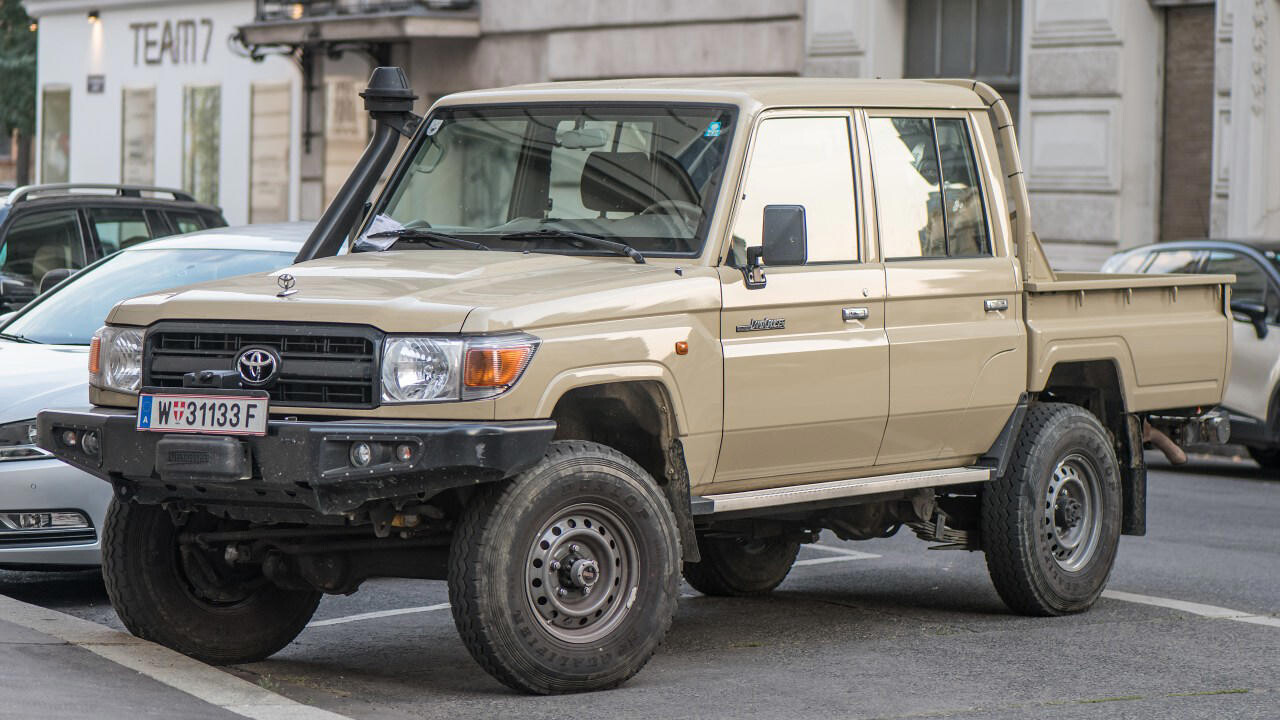
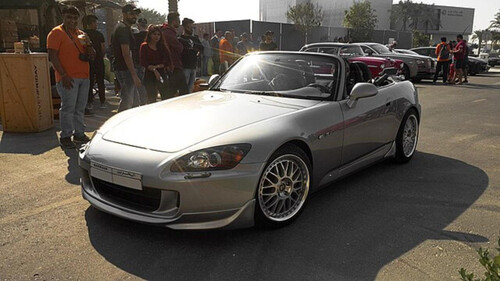
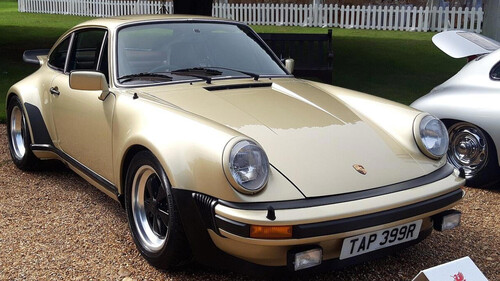
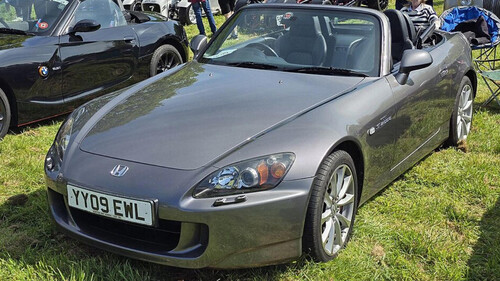
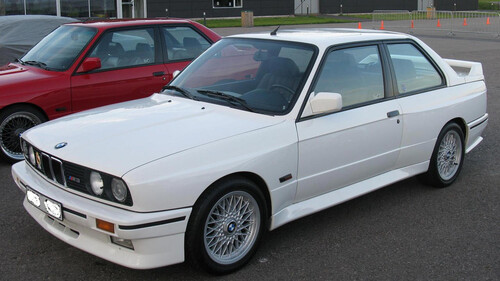
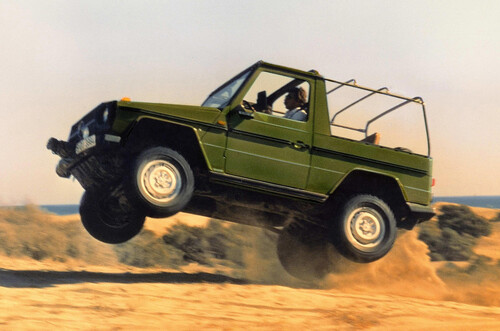
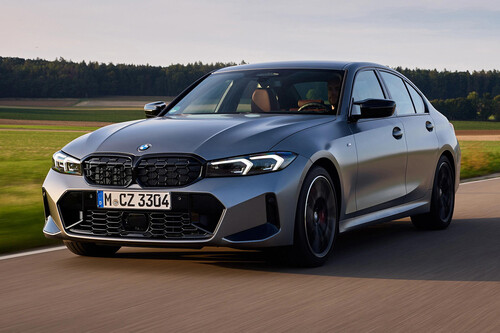
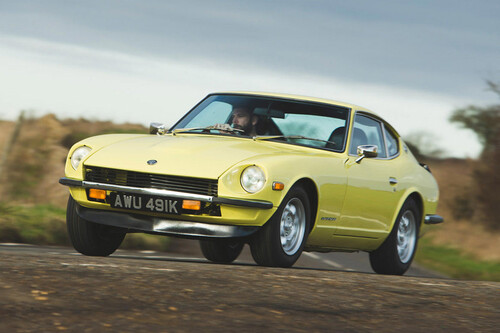
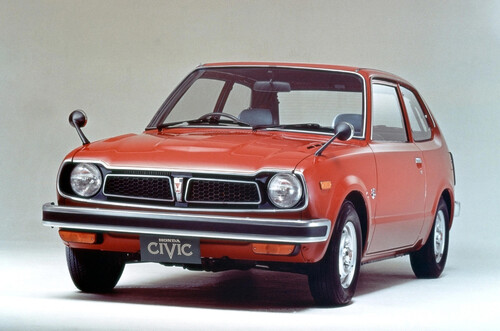
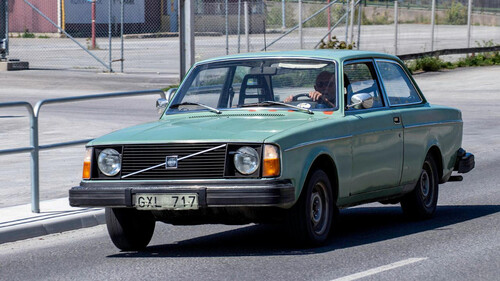
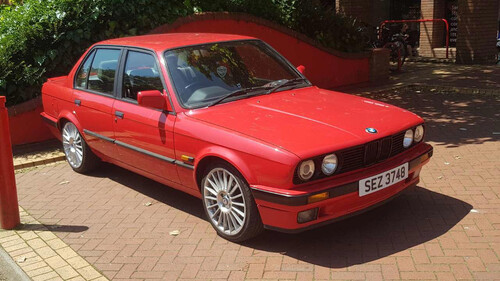
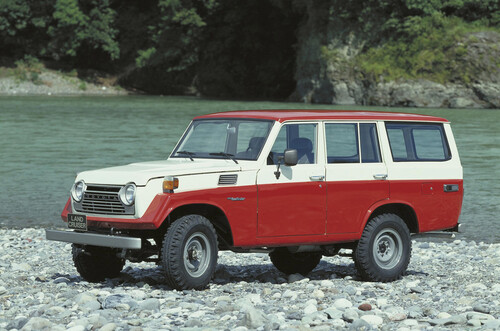
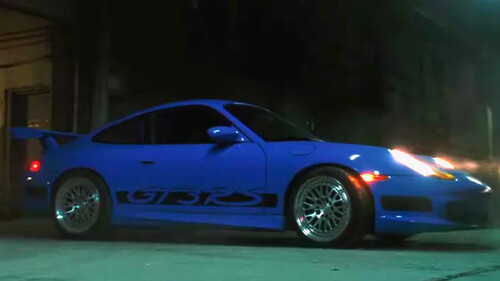
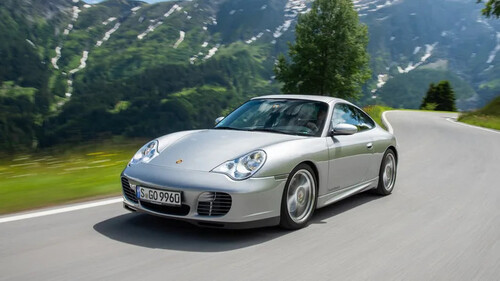
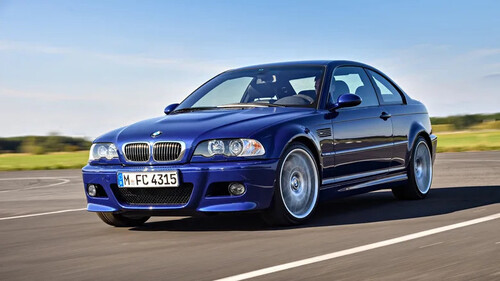
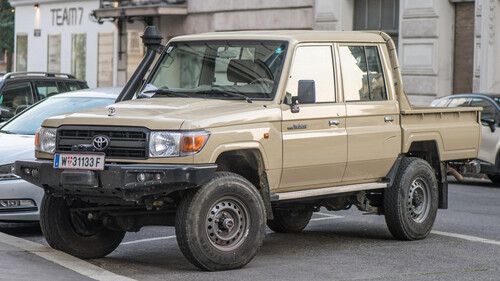
Automakers love to promise that every new generation is smarter, safer and more efficient, yet some of the most beloved machines on the road are the ones that came decades earlier. In segment after segment, there are classic versions that enthusiasts still seek out because they feel purer, more engaging or simply better resolved than the tech-heavy models that replaced them. I want to look at a few of those cases where age has not dulled a car’s appeal, it has sharpened the contrast with what came after. When “less” really was more: the original Mazda MX-5 Miata The first-generation Mazda MX-5 Miata proved that a light, modestly powered roadster could deliver more joy than heavier, faster successors. The NA Miata’s simple double-wishbone suspension, low curb weight and naturally aspirated four-cylinder engine created a car that drivers could explore at sane speeds, with clear feedback through the steering and chassis. Later generations added power, size and technology, but they also layered in more insulation, thicker crash structures and larger wheels that dulled some of that delicate feel, even as they improved refinement and safety compared with the early car’s minimalist approach. Enthusiasts still gravitate toward the NA because its analog character is hard to replicate once a platform grows and electronics take over more of the driving experience. The early Miata’s manual soft top, straightforward five-speed gearbox and sparse cabin keep the driver focused on the road rather than menus and modes, a contrast to newer models that integrate touchscreens, drive-select systems and more intrusive stability control. That shift reflects a broader industry pattern in which regulations and consumer expectations push cars toward complexity, while the most memorable classics often stand out for doing just a few things exceptionally well and leaving the rest to the person behind the wheel. From air-cooled icon to digital flagship: Porsche 911 The Porsche 911 is one of the clearest examples of a model line where earlier generations have taken on a halo that some fans feel the latest versions cannot quite match. Air-cooled cars such as the 964 and 993 combined compact dimensions with relatively low weight and a mechanical soundtrack that later turbocharged, water-cooled engines handle very differently. As the 911 evolved into the 991 and 992 series, it gained wider bodies, more elaborate driver aids and a suite of infotainment features that turned it into a consummate everyday sports car, but also a more distant one, with layers of software filtering what reaches the driver. Collectors and drivers often single out the 993 as a sweet spot because it was the last air-cooled generation and still feels intimately sized on modern roads, while offering more polish than earlier 911s. By comparison, a current 911 Carrera is objectively quicker, safer and more comfortable, yet it can feel closer to a high-performance GT than the raw, rear-engined sports car that built the name. That tension between capability and character is why values for well-kept classic 911s have surged, and why some buyers who could afford a new model instead seek out older cars that demand more skill but reward it with a sense of connection that electronics cannot fully simulate. When the family car had personality: BMW 3 Series and Mercedes C-Class Compact German sedans used to be shorthand for driver engagement, and the BMW 3 Series is the clearest case where earlier generations still set the benchmark. The E30 and E46 models earned their reputations with hydraulic steering, balanced rear-wheel-drive chassis and relatively simple interiors that put ergonomics ahead of screen real estate. As the 3 Series evolved into the F30 and G20, it gained turbocharged engines, larger bodies and a growing list of digital features, but it also moved closer to a small luxury car than the lithe sports sedan that enthusiasts remember, with electric steering that many find less communicative than the older setups. Mercedes-Benz followed a similar arc with the C-Class, which started as a compact, relatively straightforward sedan and gradually became a rolling technology showcase. Early W202 and W203 cars were not perfect, but they offered clear sightlines, physical controls and a sense of mechanical solidity that some owners feel has been diluted by touch-sensitive interfaces and complex driver-assistance systems in newer generations. In both lineups, the classic models are often praised for how they balance comfort and agility without relying heavily on configurable drive modes, a balance that can be harder to achieve once weight, wheel size and software complexity increase. Off-roaders before the lifestyle makeover: Land Rover Defender and Toyota Land Cruiser Image Credit: Johannes Maximilian, via Wikimedia Commons, CC BY-SA 4.0 Few segments illustrate the gap between old-school toughness and modern lifestyle positioning as sharply as traditional off-roaders. The original Land Rover Defender, with its boxy aluminum body, ladder frame and hose-out interior, was designed first as a working tool and only incidentally as a status symbol. Its successors adopted independent suspension, more sophisticated drivetrains and richly appointed cabins that make them far more comfortable on the highway, but also more complex to maintain in the remote conditions where the classic Defender earned its reputation. The Toyota Land Cruiser tells a related story, especially in markets that remember the 70 Series and 80 Series trucks as near-indestructible machines. Those earlier Land Cruisers prioritized durability and straightforward mechanical systems, traits that made them favorites for humanitarian fleets, overland expeditions and rural owners who needed vehicles that could be repaired far from a dealership. Later generations added luxury features, larger dimensions and advanced electronics that improved on-road manners and safety, yet some long-time fans argue that the trade-off in simplicity and field serviceability means the older models have aged better for their original mission, even as the new ones excel as family SUVs. Sports cars before the horsepower race: Honda S2000 and Nissan 300ZX In the sports car world, the Honda S2000 stands out as a modern classic that many enthusiasts feel has not been surpassed by newer alternatives in terms of purity. Its high-revving four-cylinder engine, precise six-speed manual and rigid chassis delivered an experience that was more about exploiting a narrow power band and chassis balance than relying on turbocharged torque and electronic trickery. Later performance cars from various brands have delivered far higher power figures and quicker acceleration, but they often do so with more weight, more sound insulation and a heavier reliance on configurable drive modes that can blur the feedback loop between driver and machine. The Nissan 300ZX from the 1990s offers another lens on how a sports car can age gracefully compared with some successors. Its twin-turbo V6, rear-wheel drive layout and distinctive styling gave it a clear identity that still resonates, while its analog gauges and relatively straightforward controls keep the focus on driving rather than managing software. As Nissan and other manufacturers moved into the 350Z, 370Z and beyond, they delivered strong performance but also faced stricter emissions rules, crash standards and customer expectations for comfort that inevitably added mass and complexity. That context helps explain why some drivers still seek out older models, accepting their quirks in exchange for a more direct, less mediated connection to the road. Why some classics keep winning the comparison Across these examples, a pattern emerges that has less to do with nostalgia and more to do with trade-offs. Classic versions of the Miata, 911, 3 Series, Defender, Land Cruiser, S2000 and 300ZX were engineered in eras when safety, emissions and digital expectations were very different, which allowed designers to prioritize low weight, mechanical feedback and simplicity. Modern iterations must meet far tougher regulations and consumer demands for connectivity and comfort, so they inevitably carry more mass and more software, even when engineers work hard to preserve a sense of engagement. That does not mean newer cars are worse in any absolute sense; they are almost always quicker, safer and more efficient. What it does mean is that some of the qualities enthusiasts prize most, such as unfiltered steering feel, manual controls and straightforward mechanical layouts, are harder to deliver under current constraints. When I look at the classic models that seem to have aged better than their modern counterparts, I see machines that embraced clear, focused missions and stuck to them, even if that meant fewer features or a steeper learning curve for the driver. In a market where many vehicles try to be all things to all people, that kind of clarity can make an older car feel surprisingly fresh, even decades after it first rolled out of the factory.