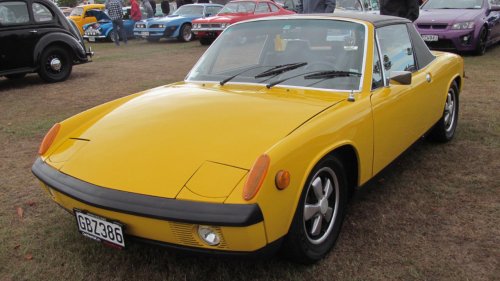
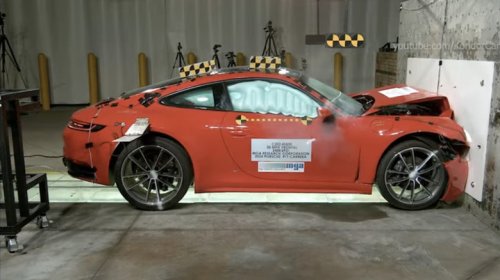
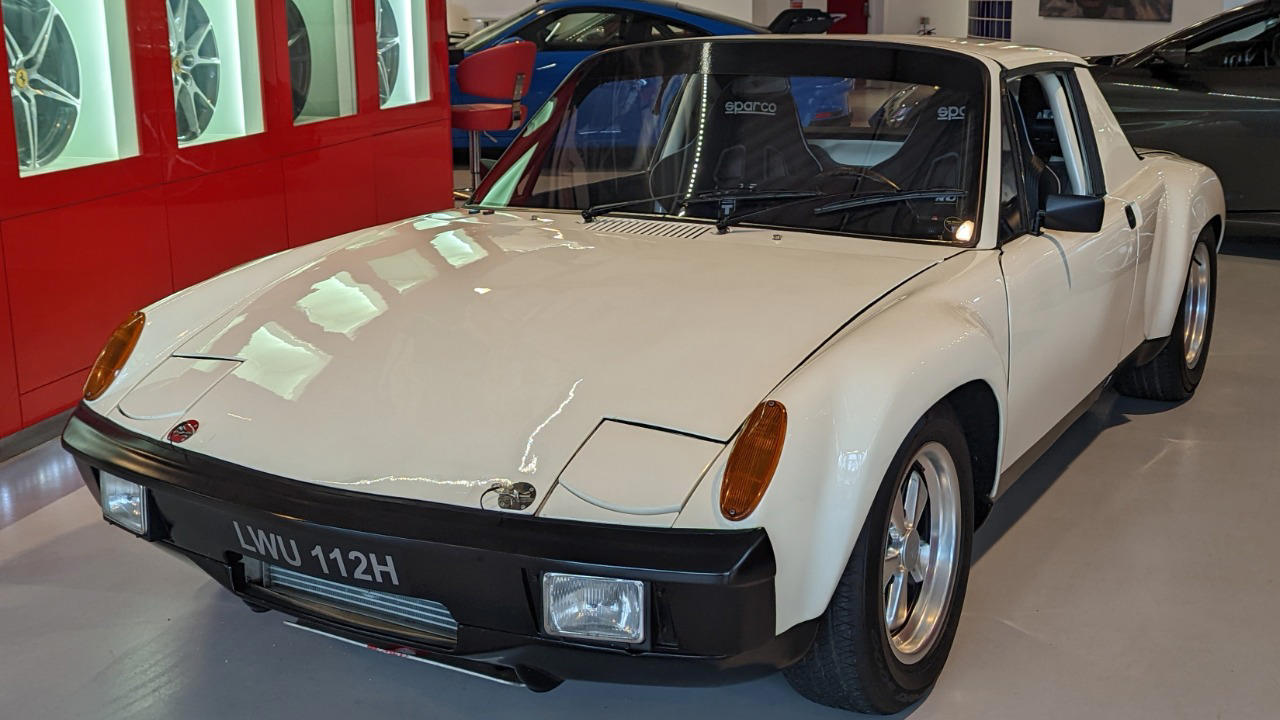
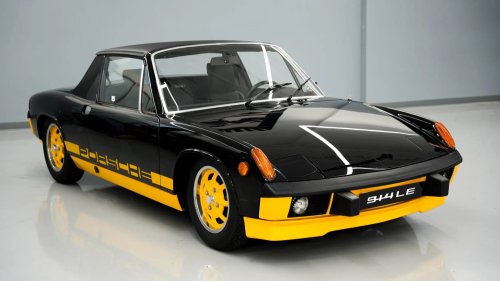
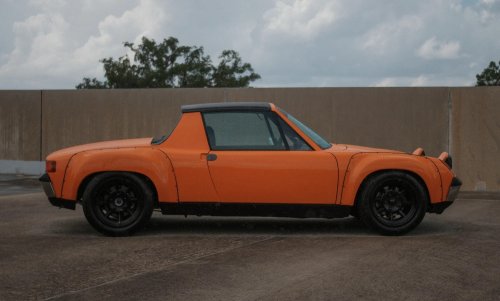
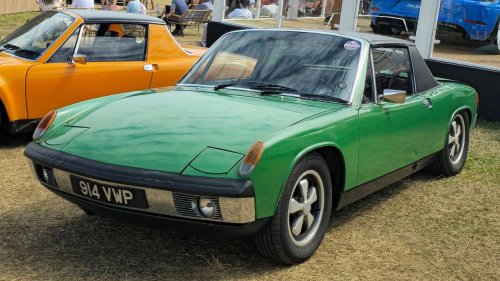
1970 Porsche 914 vs 1970 Triumph GT6 one aged better than expectedThe 1970 Porsche 914 and the 1970 Triumph GT6 began life as very different answers to the same brief: a compact, relatively affordable sports car with real character. Half a century on, their reputations have flipped more than once, and market values no longer mirror the period pecking order. One has become a surprise blue-chip darling; the other is a cult favorite that still trades on charm rather than big numbers. Viewed side by side, the two cars show how engineering, usability and racing pedigree can reshape a model’s legacy. They also illustrate how an unfashionable reputation in period can turn into an asset once enthusiasts start valuing purity and feel over badge snobbery. The misfit Porsche that became a million‑dollar car When the Porsche 914 arrived, it was pitched as a mid-engined sports car that could sit below the 911 in price yet still deliver credible performance. In 1970 the range topped out with the Porsche 914/6, which used a 2.0‑liter, 6‑cylinder engine rated at 110 horsepower. Contemporary descriptions of the 1970 Porsche 914/6 emphasize that it was a performance-oriented variant of the 914, with that 2.0‑liter flat six tuned for 110 horsepower and capable of sending the car from rest to highway speeds in a brisk sprint for the era, underlining that this was more than an entry-level toy. The 914/6 was never built in huge numbers, and the market treated it as an oddball for decades. That perception has changed dramatically. A factory-built 1970 Porsche 914/6 GT competition car recently became a reference point for the model’s potential. At auction, a rare racing version of the 914 drew an opening bid of $500,000, climbed rapidly to $750,000 and ultimately reached a sale figure of $995,000. That kind of money put the humble 914 into the same conversation as far more exalted sports racers and signaled that collectors had reappraised the car’s significance. Another 914/6 GT, described as the real-deal factory-built race car with an estimated value in the 1 to 1.3 m range, has been cited as the most valuable 914 ever. The fact that a car once dismissed as a parts-bin collaboration could touch 1.3 m in estimates shows how far its image has travelled. What was once seen as an awkward mid-engined experiment is now treated as a serious historic racing platform. The transformation is not limited to the ultra-rare GTs. Broader market data for the 1970 Porsche 914 range shows a healthy baseline. One market tracker lists the 1970 Porsche 914/4 with a CMB value of $23,370 and notes multiple cars for sale, confirming that even the four-cylinder versions have moved beyond the bargain-bin status they once held. For the six-cylinder cars, a specialist valuation guide puts an average-condition Porsche 914/6 at £71,172, with top examples at £180,519, and records that The Porsche 914/6 was produced between 1969 and 1976. Those numbers place the 914/6 firmly in serious-collector territory. Engineering that aged better than the styling What explains this reversal of fortune for a car long mocked as an “ugly duckling”? Much of the answer lies in the engineering that enthusiasts have learned to appreciate once fashion cycles moved on. The 914 uses a mid-engined layout that gives it a very different balance from the rear-engined 911. A detailed test of a 914‑6 notes that weight distribution in an early air‑cooled 911 sits around 38 percent front and 62 percent rear, while a freshly corner-balanced 914‑6 has a much more even spread. That more neutral layout, combined with a low center of gravity, produces handling that one account likens to a big go‑kart. On the road, drivers talk about the 914’s acceleration, turning and braking as almost telepathic, with the car responding instantly to small inputs. One description sums it up bluntly: the 914 just turns like a go‑kart, with quick rotation and strong grip that reward precise driving. Feedback of that sort has only become more prized as modern sports cars grow larger and more insulated. The 914’s chassis also benefits from details that were not glamorous in period but matter to owners now. Guidance for potential buyers points out that 914 Public Enemy number 1 is rust, yet it also notes that Porsche was a pioneer in galvanized body shells. That expensive technique, which involved extensive galvanizing of the steel structure, means that surviving 914 shells can be surprisingly solid compared with many contemporaries, even if problem areas still need inspection. The fact that Porsche invested in this technique decades before it became industry standard has helped the 914 survive in numbers that support an active enthusiast community. On the performance side, the 914/6 sits in a sweet spot. A video review of a 1970 Porsche 914‑6 GT explains that the 914 has a wider track than a 911, which requires specific attention during alignment, and that it is lower, wider and more powerful than the basic four-cylinder cars. The combination of a compact footprint, that 110 horsepower flat six and a chassis tuned for agility makes the car feel faster than its raw numbers might suggest. Another feature on a heavily modified 1970 Porsche 914‑6 GT describes the car as running on 110 racing gas and compares the driving experience to a big go‑kart, with an expectation that it will handle turns very quickly. Even in race-prepared form, the core character remains the same: light, direct and eager. Owners of road-focused 914s echo that theme. One enthusiast on a popular forum describes the 914 as a cheap, inexpensive fun car that can out-handle far more modern machinery at autocross events and still return over 30 mpg in daily driving. That blend of efficiency, usability and handling has aged well in an era when fuel prices and maintenance costs matter even to collectors. How the Triumph GT6 went from high-water mark to cult choice Across the Channel in 1970, the Triumph GT6 offered a very different take on the compact sports coupe. Based on the Triumph Spitfire platform but fitted with a smooth straight-six engine, the GT6 promised more power and refinement in a sleek fastback body. Period pricing placed it firmly within reach of keen drivers: contemporary enthusiasts recall that The Triumph GT6 originally stickered for $3,100, which made it a tempting alternative to more expensive continental rivals. The GT6’s 6 cylinder engine delivered the sort of muscular soundtrack that British sports car buyers expected, but it came with compromises. Owners joke that 17 mpg and poor British Leyland craftsmanship add up to a weak case for thrift or reliability. Build quality issues, fussy electrics and corrosion have long been part of the GT6 story, and those traits have affected how well the car has survived. On the mechanical side, the GT6 diverged from the Spitfire in ways that matter for long-term ownership. Enthusiasts discussing the model point out that the GT6 has a different rear suspension to the Spitfire, which can create some difficulty sourcing parts. That unique hardware gives the car its own driving feel but also means that restoration is not as straightforward as it might be for more common Triumphs. Triumph’s broader sports car line still commands respect. A detailed discussion of the TR‑6, another British Leyland product, describes The TR‑6 as a classic with rising values and excellent parts support, and notes that TR‑6s raced against 911s and later even 944s. The TR‑6 is described in those circles as an ass‑kicking classic. Within that context, some Triumph fans argue that GT‑6s left the TR‑6 as a sort of high water mark for the marque, a statement that reflects the esteem in which the GT6’s combination of styling and straight-six power is held among loyalists. Yet that enthusiasm has not translated into the kind of market surge seen with the 914. Conversations among Triumph owners about GT6 values reference cars priced around a few thousand dollars for fair examples, with debates over whether $5k or $6,700 is appropriate for a driver-grade car. Those figures, while not exhaustive, suggest that the GT6 remains accessible even as some rival classics move into investment territory. Driving character: precision versus drama On the road, the contrast between the 1970 Porsche 914 and the 1970 Triumph GT6 is stark. The Porsche delivers its performance through balance and precision. With the engine mounted amidships and that even weight distribution compared with the 38 percent front and 62 percent rear split of an early 911, the 914 responds cleanly to steering and throttle inputs. Descriptions of the 914’s behavior under load mention that trailing throttle oversteer is present but predictable, which lets skilled drivers rotate the car neatly through corners without nasty surprises. The Triumph GT6, by contrast, leans into a more traditional front-engined, rear-drive feel. Its 6 cylinder engine pulls strongly from low revs and fills the cabin with a straight-six howl that the air-cooled flat six in the Porsche cannot match for sheer soundtrack. However, the GT6’s rear suspension, particularly in early forms, can be less forgiving when pushed hard. Enthusiasts familiar with the platform often talk about the need to respect weight transfer and mid-corner bumps, especially on bumpy British backroads where the car was once at home. In modern traffic, the Porsche’s usability gives it an edge. Owners who use their 914 as a daily driver highlight practical advantages such as good fuel economy, light controls and excellent visibility. The mid-engine layout does not compromise cabin space as much as some might expect, and the targa roof adds flexibility. The Triumph GT6 offers a snug, coupe-like environment that feels special, but the combination of higher fuel consumption, more frequent maintenance and less effective rust protection can make regular use more demanding. For many enthusiasts, the decision between the two comes down to what kind of experience they want from a classic. The 914 rewards finesse and suits drivers who enjoy extracting speed through momentum and precise lines. The GT6 offers more old-school drama, with a long bonnet, a vocal engine and the sense of piloting a miniature grand tourer. Both have charm, but the Porsche’s dynamic polish has arguably aged better as expectations for handling and safety have risen. Ownership realities: rust, parts and community Classic car appeal is not just about how a car drives. It also depends on how realistic it is to keep one running. Here, the 914 and the GT6 again diverge. Detailed buyer advice for the Porsche 914 stresses that rust remains the primary concern, particularly in structural areas, yet it also emphasizes that Porsche’s early adoption of a galvanized body shell technique means that surviving cars can be in better shape than many peers. This combination of vulnerability and underlying protection has created a market where careful inspection is essential but restoration is not always a nightmare. Parts support for the 914 benefits from the broader Porsche ecosystem. Many mechanical components share lineage with other models, and a dedicated aftermarket has grown around both four-cylinder and six-cylinder variants. Online communities are active and often enthusiastic about helping newcomers understand the quirks of the car, from fuel injection issues to suspension upgrades. The Triumph GT6 relies on a different support network. Specialist suppliers and clubs cater to British Leyland products, and there is a strong culture of keeping these cars alive through ingenuity and shared knowledge. However, as one discussion of the GT6’s relationship to the Spitfire points out, that different rear suspension can make certain parts more difficult to source. Combined with the brand’s reputation for poor British Leyland craftsmanship, which covers everything from panel fit to electrical reliability, the GT6 can demand more patience from its owners. Within the Triumph community, much of the technical conversation focuses on the TR‑6, which is praised as a classic with values rising and excellent parts support, and as a car that has proven itself against 911s and 944s in competition. That halo effect helps the brand, but it also means that attention and resources often flow toward the TR‑series rather than the GT6. For a new owner, this can translate into slightly more effort when tracking down GT6-specific expertise. On the plus side, the GT6’s relative affordability makes it an appealing entry point into classic ownership. The initial purchase price is lower than that of a comparable 914, and insurance and tax costs can be modest. For enthusiasts who enjoy tinkering and do not mind occasional weekends spent chasing electrical gremlins or welding up sills, the GT6 delivers a lot of character per dollar. Market verdict: which one really aged better? From a pure market perspective, the Porsche 914 has clearly outpaced the Triumph GT6. The trajectory from unloved oddity to a car that can command $995,000 at auction in GT form, and 1 to 1.3 m in high-profile estimates, reflects a deep shift in how collectors view mid-engined sports cars and Porsche’s motorsport heritage. Even standard 914/4 models now sit at CMB values in the mid twenty thousand dollar range, while average Porsche 914/6 examples reach £71,172 and the best climb to £180,519. The Triumph GT6 has not seen anything like that escalation. While some enthusiasts regard GT‑6s as a high water mark for the marque, real-world prices for driver-level cars remain accessible. That gap suggests that the broader market values the Porsche’s engineering sophistication, racing pedigree and badge more highly than the Triumph’s traditional charm. However, aging well is not only about money. It also concerns how a car fits into modern driving and collecting culture. In that respect, the 914 again holds strong cards. Its combination of agile handling, relatively low running costs and usable packaging means that it can be driven regularly without feeling out of its depth. The galvanized body shell technique that Porsche applied has helped more cars survive in solid condition, which in turn supports a vibrant community and an active track scene. The Triumph GT6, by contrast, has settled into a more niche role. It appeals strongly to fans of British sports cars who value the straight-six soundtrack, the fastback styling and the connection to a period when British Leyland still built engaging machines. For those owners, the GT6’s foibles are part of the charm. Yet for a wider audience that might be comparing it with other classics, the compromises in build quality, fuel economy and rust protection can be a deterrent. More from Fast Lane Only Unboxing the WWII Jeep in a Crate 15 rare Chevys collectors are quietly buying 10 underrated V8s still worth hunting down Police notice this before you even roll window down











































![Porsche, It's finally here: Porsche puts wireless EV charging into production [video]](https://cdn.topcarnews.net/thumb/id/aHR0cHM6Ly9pMC53cC5jb20vZWxlY3Ry-ZWsuY28vd3AtY29udGVudC91cGxvYWRz-L3NpdGVzLzMvMjAyNi8wOS93aXJlbGVz-c19tYWluLmpwZWc_dz0xNTAwJmFtcDtx-dWFsaXR5PTgyJmFtcDtzdHJpcD1hbGwm-YW1wO3NzbD0x/1a04f9f19968e2d3eb15f335c21c92a5.jpeg?t=20260923&post_id=63825)
![Porsche, It's finally here: Porsche puts wireless EV charging into production [video]](https://cdn.topcarnews.net/thumb/id/aHR0cHM6Ly9lbGVjdHJlay5jby93cC1j-b250ZW50L3VwbG9hZHMvc2l0ZXMvMy8y-MDI1LzAzL0RFUy0xMDM4X0VsZWN0cmVr-LUJhbm5lcnNfRVZzXzA3OTdjMi5wbmc/e850e929e3168f8c7ff73cd888e54add.png?t=20260923&post_id=63825)