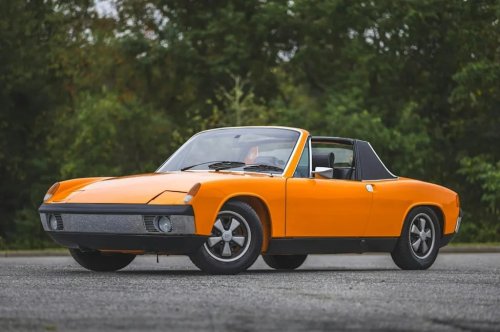
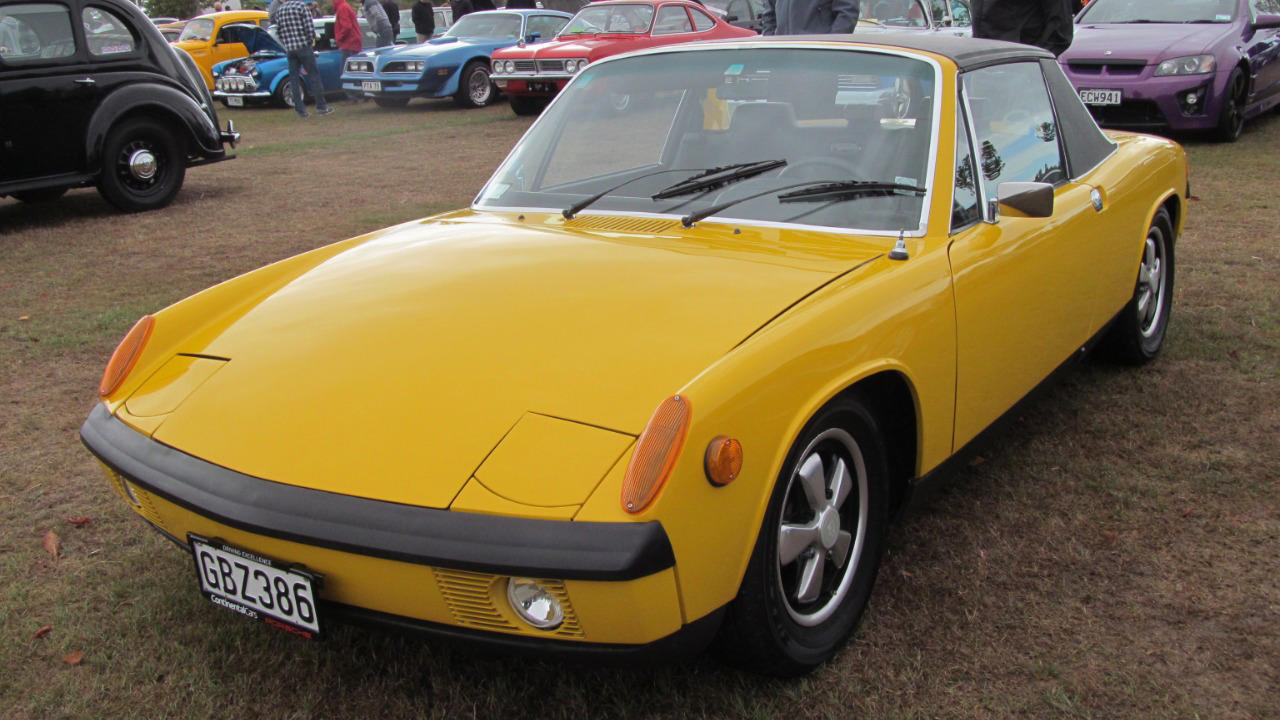
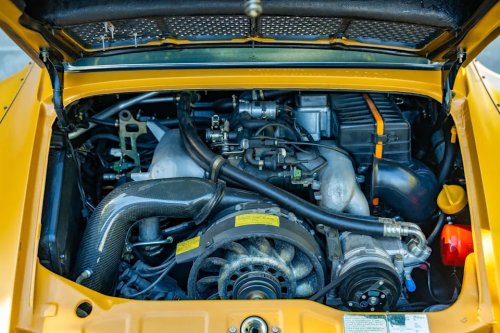
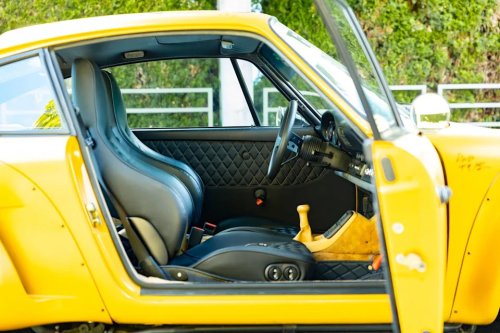
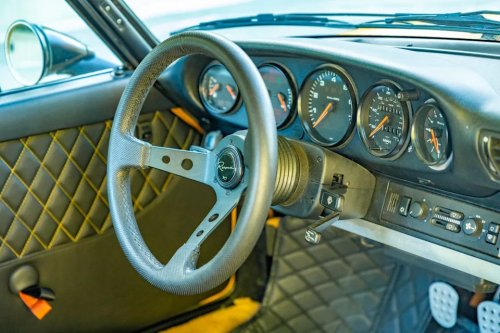
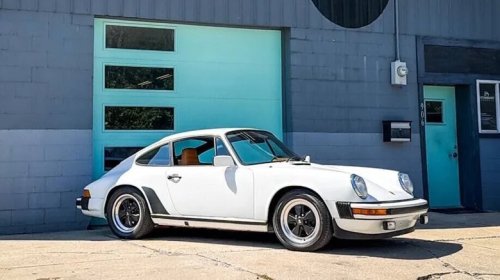
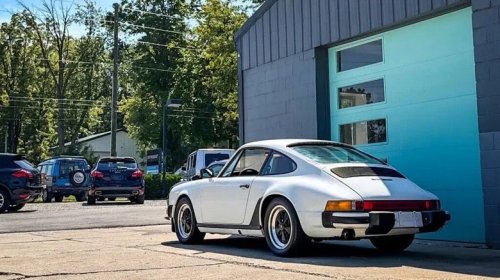
Early critics missed what the 1970 Porsche 914-6 would later becomeWhen the 1970 Porsche 914-6 arrived, many enthusiasts saw an awkward compromise rather than a future collectible. Sharing showroom space with glamorous 911s, the mid-engined targa looked too plain, seemed too slow for the money, and carried the stigma of a joint project with Volkswagen. Decades later, the same car that early critics dismissed has become one of the most intriguing and coveted chapters in Porsche history. The 914-6 itself did not change on paper. What evolved was how drivers, collectors, and historians came to value balance over brute power, race pedigree over badge snobbery, and rarity over period sales charts. The car that once felt like a misstep now reads as a blueprint for the modern mid-engined sports car and a touchstone for a new generation of enthusiasts. Born from cooperation, not compromise The story of the 914-6 begins with a collaboration that made purists nervous. Official material from Porsche and Volkswagen describes the 914 project as a joint effort, with the mid-engined chassis intended to serve both brands. That shared parentage led some Porsche loyalists to dismiss the car before they ever drove it, framing it as “Part Porsche and” part economy car rather than a focused sports machine. In reality, the 914-6 variant was far from a parts-bin special. Where the four-cylinder 914 borrowed heavily from Volkswagen hardware, the six-cylinder car used a genuine Porsche flat-six mounted just ahead of the rear axle. That layout gave the 914-6 a weight distribution that traditional rear-engined 911s could not match, even if the styling and interior trim looked modest compared with the flagship models. Contemporary critics often fixated on the badge and the bodywork. The targa roof, slab sides, and pop-up headlights made the car look more utilitarian than exotic. Yet the fundamentals were deeply serious: a low center of gravity, compact footprint, and a chassis tuned for agility rather than straight-line speed. The ingredients were present; the market simply was not ready to celebrate them. Limited production, long shadow Rarity alone does not make a car significant, but it can sharpen hindsight. Between 1969 and 1972, Porsche produced around 3,300 examples of the 914-6. That figure looks tiny next to the broader 914 family and vanishingly small compared with the long-running 911 line. Within that already limited run, the 1970 model year stands out. Period accounts describe how the world first encountered the 9146 in 1970, with some sources citing about 3350 cars in total across all years. Even with slight variations in reported numbers, the message is clear: the 914-6 was never a mass-market product, and attrition through racing, rust, and neglect has only made surviving cars more scarce. That scarcity is now a selling point. Dedicated registries and market guides describe the 914-6 as a Rare Factory Six, a car whose modest period sales have turned into a key part of its appeal. Collectors who once ignored it now see a short production window, a unique engineering story, and a direct link to Porsche competition programs of the era. From “failure” to cult favorite For a long time, the 914 family carried a reputation as the odd one out in the Porsche lineup. Commentators and owners recall how purists used to scoff at the 914, seeing it as a budget toy that sat uncomfortably between Porsche loyalists and Volkswagen fans. One recent analysis described how the car was dismissed as “Part Porsche and” part something else, a hybrid identity that satisfied neither camp. That perception has shifted sharply. A detailed market piece on how the 914 is no the brand’s ugly duckling highlights how values have climbed and attitudes have softened. What used to be a cheap entry point into classic Porsche ownership is now treated as a serious collectible, particularly in six-cylinder form. Enthusiast media has played a role in that rehabilitation. In one video, Jack and other commentators walk through why some people once considered this Porsche a failure despite its rarity and engineering strengths. Rather than repeating old jokes about underpowered engines or awkward styling, they focus on how the car’s balance, steering feel, and race history have aged better than its period press clippings. Period praise that critics forgot The modern narrative often frames the 914 as a car that everyone hated when new, but contemporary records tell a more complicated story. An American motoring outlet named the 914 its Import Car of in 1970, a reminder that not all reviewers were blind to its qualities. The Porsche 914 was recognized for its handling and value, even if some traditionalists grumbled about its unconventional layout. That early accolade did not prevent the car from sliding into second-hand obscurity once newer models arrived. As the 911 grew more powerful and the 924 and 944 brought fresh styling to the entry-level slot, the 914 family was left looking dated and slightly embarrassing. For years, it languished at the bottom of price guides and was often cannibalized for parts or turned into budget track toys. Only later, as enthusiasts began to revisit the driving experience with fresh eyes, did the car’s original strengths reassert themselves. The same mid-engined balance that impressed some testers in period became even more attractive in a world where lightweight, analog sports cars were disappearing from showrooms. Driving character that anticipated the future Modern video reviews show how the 914-6 feels from behind the wheel rather than on a spec sheet. In one clip, Yuri and Jacob climb into a 1970 Porsche 914-6 and emphasize that this is the actual Porsche 6-cylinder, not the four-cylinder variant that most people know. Their reactions focus on the immediacy of the steering, the neutral balance, and the way the car encourages momentum driving rather than brute acceleration. Those impressions match what many owners describe. The 914-6 invites the driver to carry speed through corners, to rely on chassis poise rather than raw power. In an era when horsepower figures dominate marketing, that approach can feel almost radical. Yet it aligns closely with the philosophy behind later mid-engined Porsches, from the Boxster to the Cayman, which also prioritize feedback and balance over headline numbers. One long-term owner, Jack Griffin, has driven a Porsche 9146 for 38 years. He recalls buying the car in 1976 when it was simply a used sports car rather than a cherished classic. That kind of multi-decade commitment speaks to a driving experience that rewards repeat use, not just occasional admiration on a concours lawn. Club racing roots and GT legends The 914-6 did not just serve as a weekend toy. It also earned an authentic competition record that now underpins its reputation. A detailed feature on a particular 1970 example describes how a clean 914/6 is getting rare and how one car carried extensive club racing history beneath its restored paintwork. Stories like this show how owners treated the 914-6 as a genuine track tool, not a styling exercise. Factory and privateer teams developed the 914-6 GT, a more aggressive derivative that pushed the chassis into serious endurance racing. Period footage and modern retrospectives describe the GT as, to many people, the ultimate 914. One video on the 1970 Porsche 914-6 GT calls it “the ultimate 914” and notes that the world found the 9146 in 1970, with about 3350 of these cars built in total. Those competition variants cemented the car’s identity as more than a quirky roadster. Club racers appreciated the same traits that modern reviewers praise: neutral handling, strong braking, and a chassis that communicates clearly at the limit. As other period race cars became too valuable or fragile to track, the 914-6 found a second life in vintage events where its durability and approachability made it a favorite among drivers who wanted to push hard without constant fear of damaging a seven-figure icon. Market reappraisal and rising values For years, the 914 sat at the bottom of Porsche price charts. That is no longer the case. A detailed buyer’s guide now lists What Are 914s Worth and suggests that Nice Originals and Lightly Restored examples can command between $40,000 and $65,000 for clean, well-maintained cars. Those figures apply broadly to the 914 family, with six-cylinder cars often trading at a premium due to their rarity and performance. Market analysts point out that the car’s rise has been especially pronounced in the last decade, as air-cooled 911 prices surged and buyers looked for more accessible ways into classic Porsche ownership. The 914-6, once overlooked, suddenly looked like a bargain given its limited production, mid-engined layout, and competition history. Enthusiast marketplaces now highlight the 914-6 prominently. Listings tagged as For Sale emphasize that the Porsche 914/6 occupies a special place in Porsche history, often describing it as Produc limited in number and increasingly hard to find in original condition. Auction platforms showcase restored and lightly modified examples, and bidding activity reflects the car’s new status as a serious collectible rather than a stepping stone to something “better.” From ugly duckling to design icon Design taste is as cyclical as the car market. The same angular lines that once made the 914 the butt of jokes now read as pure 1970s charm. Analysts who track collector trends argue that the car’s unapologetically functional design has aged into a kind of minimalist cool, especially as sports cars have grown larger and more ornate. The earlier perception of the 914 as an awkward hybrid has softened as enthusiasts gain more historical distance. Where some once saw a parts-bin mashup, others now see a clean, purposeful shape that reflects its mid-engined layout. The targa roof and large glass area deliver an open, airy feel that modern convertibles and coupes rarely match. That shift in taste has helped the 914-6 in particular. Its modest bodywork now acts as a kind of visual understatement that hides serious mechanical intent. In a world of widebody replicas and over-restored show cars, an honest 914-6 in period-correct colors can feel refreshingly authentic. Cultural afterlife and digital rediscovery The 914-6 has also benefited from the way car culture now spreads online. Clips featuring OLD CARS and detailed owner stories travel widely, introducing the model to enthusiasts who were not even born when it left production. Each video or feature that treats the car with respect instead of irony helps rewrite its reputation. Social media accounts dedicated to classic sports cars frequently highlight the 914, using share tools that encourage viewers to pass along links such as those that Discovered how a particular Porsche Holds Club Racing History Under its pristine paint. Each repost and comment thread adds to a collective memory that is far kinder to the car than the jokes that circulated in its early years. Dedicated enthusiast communities have emerged around the model, trading technical advice, restoration tips, and historical documents. These spaces treat the 914-6 as a serious subject of study rather than a curiosity, which in turn encourages owners to preserve cars correctly and document their histories. More from Fast Lane Only Unboxing the WWII Jeep in a Crate 15 rare Chevys collectors are quietly buying 10 underrated V8s still worth hunting down Police notice this before you even roll window down



















 +30 others















![Porsche, It's finally here: Porsche puts wireless EV charging into production [video]](https://cdn.topcarnews.net/thumb/id/aHR0cHM6Ly9pMC53cC5jb20vZWxlY3Ry-ZWsuY28vd3AtY29udGVudC91cGxvYWRz-L3NpdGVzLzMvMjAyNi8wOS93aXJlbGVz-c19tYWluLmpwZWc_dz0xNTAwJmFtcDtx-dWFsaXR5PTgyJmFtcDtzdHJpcD1hbGwm-YW1wO3NzbD0x/1a04f9f19968e2d3eb15f335c21c92a5.jpeg?t=20260923&post_id=63825)
![Porsche, It's finally here: Porsche puts wireless EV charging into production [video]](https://cdn.topcarnews.net/thumb/id/aHR0cHM6Ly9lbGVjdHJlay5jby93cC1j-b250ZW50L3VwbG9hZHMvc2l0ZXMvMy8y-MDI1LzAzL0RFUy0xMDM4X0VsZWN0cmVr-LUJhbm5lcnNfRVZzXzA3OTdjMi5wbmc/e850e929e3168f8c7ff73cd888e54add.png?t=20260923&post_id=63825)