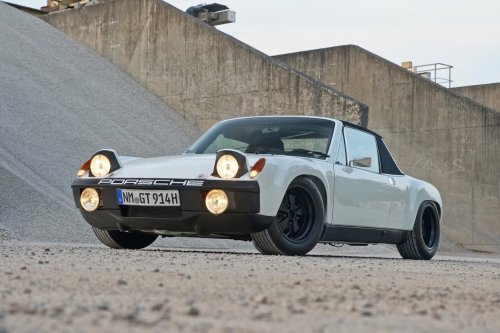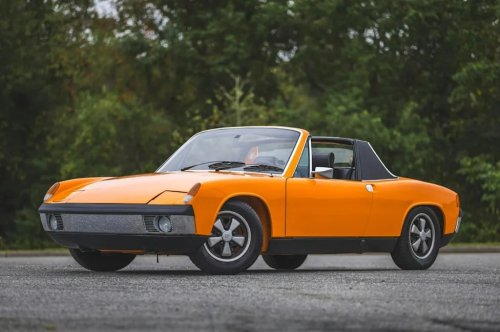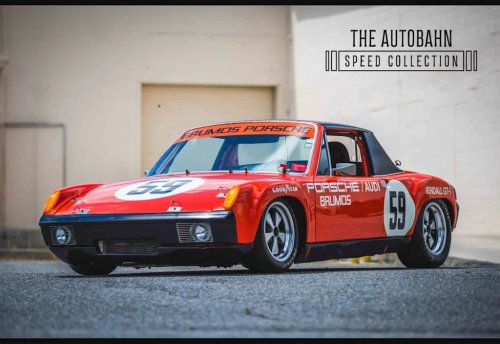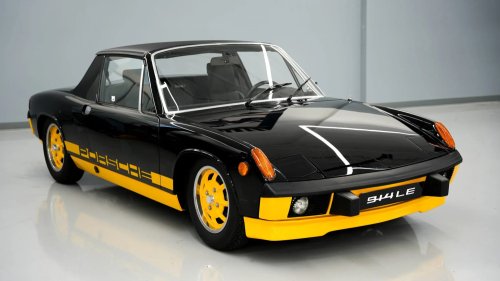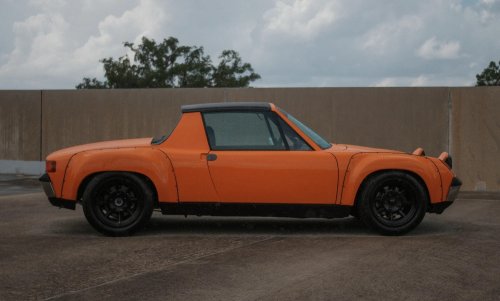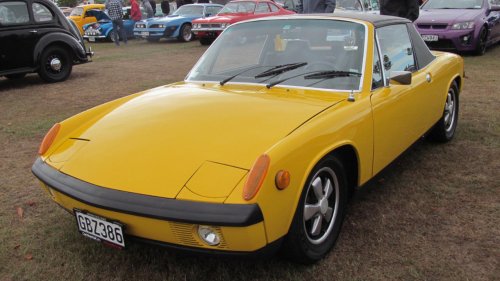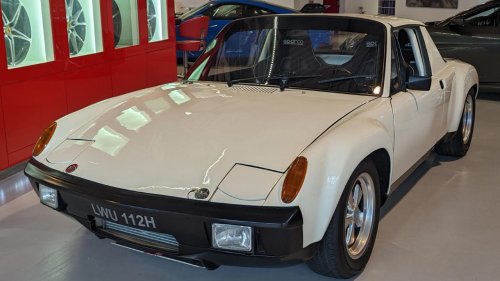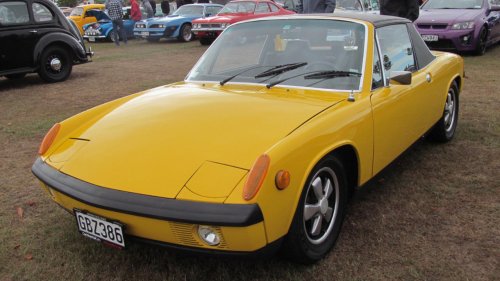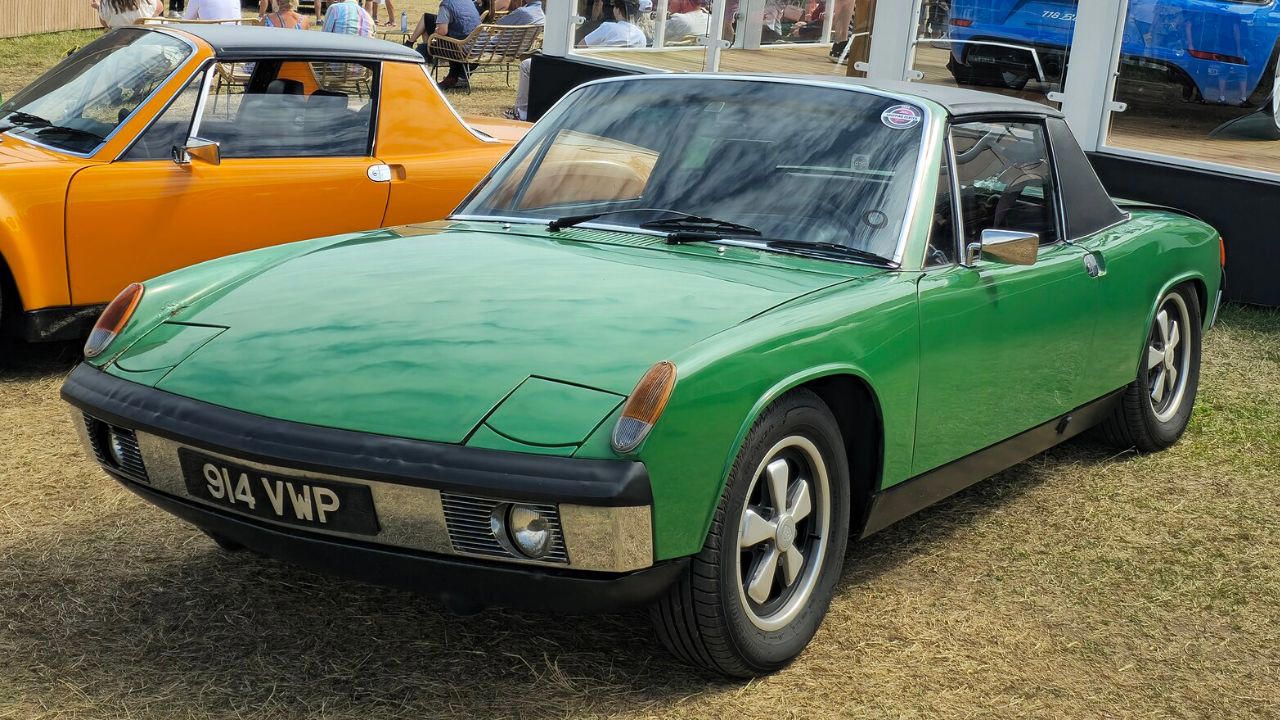



















Even today the 1970 Porsche 914 feels different from anything else of its timeViewed beside its contemporaries, the 1970 Porsche 914 still feels strangely modern. The proportions, the driving position, even the way it reacts to a steering input all suggest a different idea of what a sports car could be at the turn of that decade. Half a century later, that idea has aged not as a curiosity but as a concept that finally caught up with the rest of the industry. A car that never quite fit the script The 914 arrived as one of the most unusual and often misunderstood chapters in the history of Porsche. It did not look like a traditional coupe, it did not carry the familiar rear engine layout, and it shared its project with another company. Contemporary buyers saw a boxy two seater that sat low to the ground, with a removable roof panel and a badge that, on some versions, read both Porsche and Volkswagen. From the outset, the car refused to fit the brand mythology that had already begun to form around the 911. Where that car leaned into a classic fastback silhouette and air cooled rear engine heritage, the 914 placed its engine ahead of the rear axle and wrapped its occupants in a Targa style structure with a flat hood and squared off tail. The result was a shape that looked more like a prototype racer for the road than a traditional grand tourer. That disconnect between expectation and reality is part of why the 1970 Porsche 914 feels so distinct today. The car anticipated a world where mid engine layouts, compact footprints, and accessible performance would become the norm rather than the exception, yet it did so while wearing the badge of a company still best known for a rear engined icon. The mid engine decision that changed everything The single technical choice that most defines the 914 is the decision to place the engine in the middle of the car. At the time, this configuration was typically reserved for competition machines and exotic road cars. Engineers were chasing better weight distribution and more predictable handling, and the 914 applied that same thinking to a relatively attainable sports car. Contemporary analysis of the car highlights how this mid engine layout, inspired by prototype race practice, gave the small Porsche unusually neutral balance. With the engine mass close to the center of the chassis, the car could change direction quickly without the pendulum effect that defined the driving character of rear engined models. That difference is immediately obvious to anyone who steps out of a 911 and into a 914 on the same stretch of road. The mid engine architecture also shaped the cabin. The driver sits low and close to the floor, legs stretched forward, with the bulkhead and engine just behind the seats. That layout increases the sensation of speed at modest velocities, since the driver feels closer to the car’s center of rotation and more directly connected to the chassis. Owners and testers often describe the steering as light and communicative, a trait that flows directly from the weight distribution that the mid engine format enables. Porsche and Volkswagen and a shared ambition Another reason the 914 stands apart from its era is the way it was conceived. Rather than a purely in house project, it emerged as a joint development between Porsche and Volkswagen. Both companies wanted a new entry level sports car, and both saw value in sharing components and production facilities. The arrangement allowed Porsche to offer a more affordable model while Volkswagen gained a halo product that sat above its mainstream sedans. Historical research into the project describes the 914 as the new Porsche entry level model, with The Porsche and Volkswagen teams collaborating on the basic platform. The standard 914 used Volkswagen’s horizontal four cylinder engine, which produced a power output of 80 hp, a figure that modern readers might dismiss until they experience how little mass that engine has to move. Even with the light weight, the car was not about straight line dominance. It was about agility, feedback, and the sense of precision that came from the mid engine chassis. The partnership also had deeper historical roots. Ferdinand Porsche had designed the Volkswagen Beetle, one of the most iconic cars of all time, and from that foundation the two companies had been intertwined for decades. The 914 project simply made that connection visible to customers, sometimes uncomfortably so for brand purists who struggled with a badge that seemed to dilute the exclusivity of a Porsche sports car. Design that borrowed from racers, not boulevard cruisers Visually, the 914 did not try to emulate the long hood, short deck proportions that dominated sports car design in the late 1960s. Instead, it took cues from lightweight competition machines. Designers at Porsche created a compact wedge, with a low nose, crisp fender lines, and a cabin pushed toward the front axle. The removable roof panel and fixed roll hoop created a Targa silhouette that balanced open air driving with structural rigidity. Later commentary from design leaders at Porsche has pointed to clear inspiration from earlier racing models such as the 550, which also used a mid engine layout and compact, purposeful bodywork. The 914’s flat surfaces and unadorned panels were not about ornament but about packaging and visibility. Large glass areas and thin pillars gave drivers a clear view in all directions, reinforcing the sense that the car was a precise instrument rather than a styling exercise. Inside, the cabin continued that theme. Simple gauges, straightforward switchgear, and a focus on ergonomics made the 914 feel more like a tool than a luxury item. The low seating position, combined with the upright windscreen and thin steering wheel rim, created a cockpit that felt intimate and focused. The design did not chase opulence. It chased clarity. From four cylinders to the 914-6 While most 914s carried the Volkswagen derived four cylinder engine, the version that enthusiasts often single out is the 914-6. This model installed a six cylinder engine from the 911 into the same compact chassis, creating a car that some owners still regard as the ultimate 914. Period accounts explain that the world found the 9146 in 1970, with a limited production run that has only increased its appeal among collectors. Video reviews of surviving 1970 Porsche 914-6 cars describe how this is the actual Porsche 6 cylinder experience in the 914 shell, with the flat six transforming the character of the car without erasing its inherent balance. Presenters such as Yuri and Jacob emphasize how the engine note, power delivery, and rev range change the way the car feels on a twisting road, while the mid engine layout keeps the handling tidy and predictable. Special competition oriented variants, including the 914-6 GT, pushed that formula even further. These cars stripped weight, added flared arches to cover wider wheels, and tuned the suspension for track work. A detailed walkaround of a 1970 Porsche 914-6 GT describes it as probably to most people the ultimate 914, a view that reflects how the six cylinder models concentrated the car’s strengths into a more focused package. The same video notes that in 1970 there were about 3350 of these, a tiny number compared with mass market sports cars of the era, which helps explain their current rarity. Even the standard four cylinder versions, however, delivered a distinctive experience. The combination of 80 hp, light weight, and mid engine balance created a car that rewarded momentum driving. Rather than relying on brute force, drivers learned to carry speed through corners, use the brakes sparingly, and trust the chassis to communicate grip levels clearly. How it feels on the road Contemporary test drives of well maintained 914s help explain why the car still feels so different from its peers. One vivid account describes how the exhaust’s rumble heightens with each climbing rev, how the low seating position increases the sensation of speed, and how the engine’s location behind the driver sharpens the sound and vibration that reach the cabin. These impressions capture the way the car turns modest mechanical numbers into a rich sensory experience. Reviewers often focus on the steering. With relatively narrow tires and minimal weight over the front axle, the wheel feels light yet precise. Small inputs yield immediate responses, and the car communicates through gentle movements rather than sudden breakaway. On a winding road, the 914 encourages a rhythm where the driver guides it with fingertips rather than wrestling with it. In that same account, the writer notes that the car still puts a grin on a driver’s face, a reaction that aligns with the idea that the 914 was engineered around engagement rather than outright speed. A modern reader who expects explosive acceleration might be surprised by the modest 0 to 60 figures, but once the car is in its element on a series of bends, the numbers fade in importance. What remains is the feeling of a small, eager machine that seems to pivot around the driver’s hips. Why it felt ahead of its time Several aspects of the 914 now look prescient. The mid engine layout, once considered exotic, has become standard for many performance cars, particularly in the compact sports segment. The idea of a relatively affordable, mid engined driver’s car anticipated models that would not arrive from other manufacturers for decades. Technical analysis of the car underscores that the engine in the middle of the car was a radical choice for a model positioned as an entry level Porsche. At the time, the company’s flagship 911 still relied on a rear engine layout that rewarded skilled drivers but could punish mistakes. By contrast, the 914’s weight distribution made it more forgiving at the limit, a trait that suits the younger drivers Ferry Porsche wanted to attract. The joint development arrangement with Volkswagen also foreshadowed the platform sharing strategies that now dominate the industry. By partnering with Volkswagen to use existing VW engines, Porsche designed a more affordable driver’s car and bridged the gap between mass market and premium segments. That approach allowed both companies to spread development costs while offering a product that felt more sophisticated than its price suggested. Design wise, the 914’s clean surfaces, integrated bumpers, and functional interior anticipated later trends toward minimalism and driver centric layouts. Where some contemporaries piled on chrome and decorative flourishes, the 914 kept ornamentation to a minimum. That restraint helps the car look surprisingly contemporary when parked next to other vehicles from the same period. Misunderstood then, reappraised now Despite its technical merits, the 914 struggled with perception during its original production run. Some Porsche loyalists dismissed it as a Volkswagen with a sports body, while others could not reconcile its angular styling with the more curvaceous 911. The shared branding on certain versions blurred the car’s identity, and the presence of a four cylinder engine in a Porsche badge did not sit well with buyers who equated cylinder count with prestige. More from Fast Lane Only Unboxing the WWII Jeep in a Crate 15 rare Chevys collectors are quietly buying 10 underrated V8s still worth hunting down Police notice this before you even roll window down