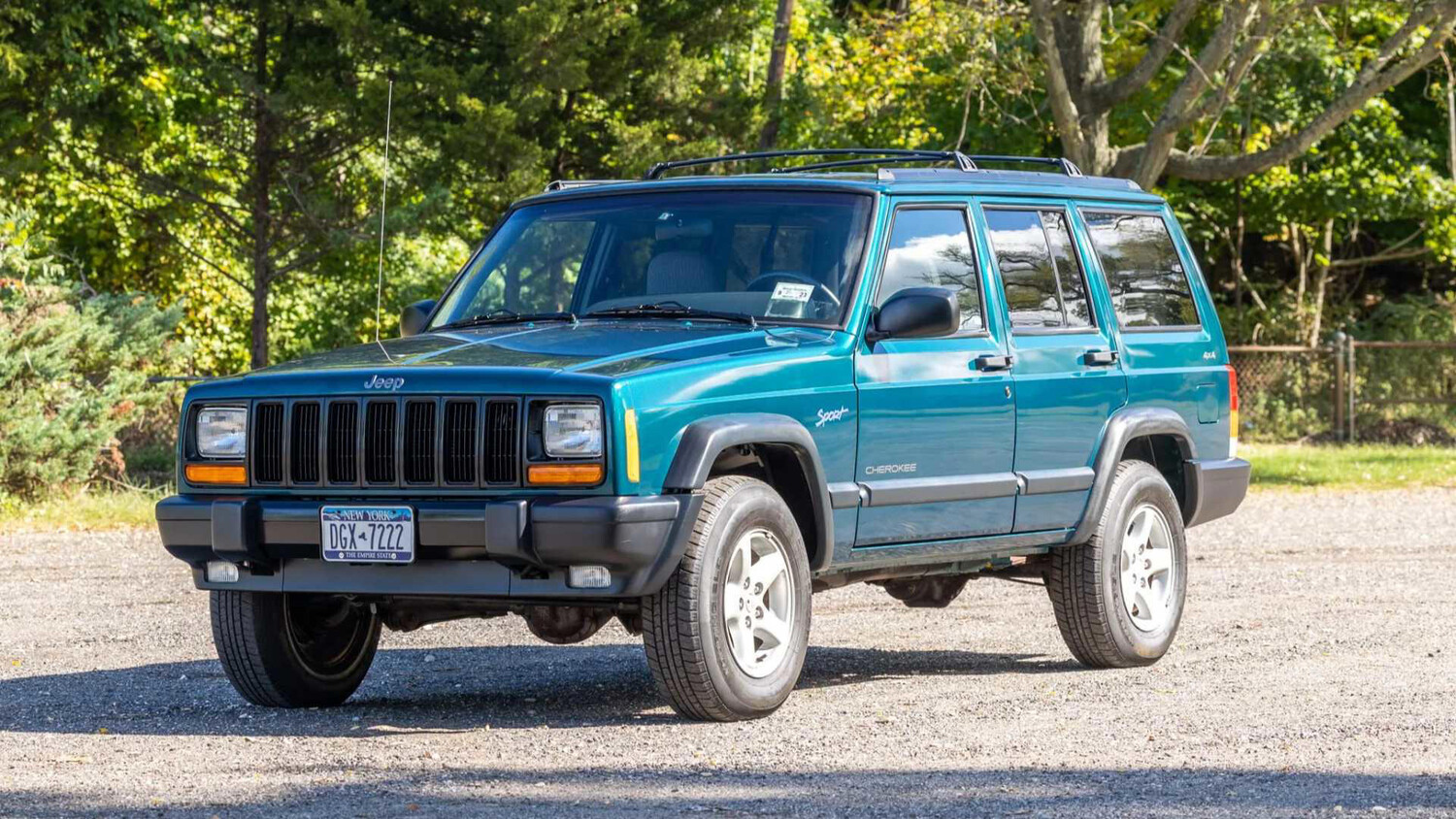
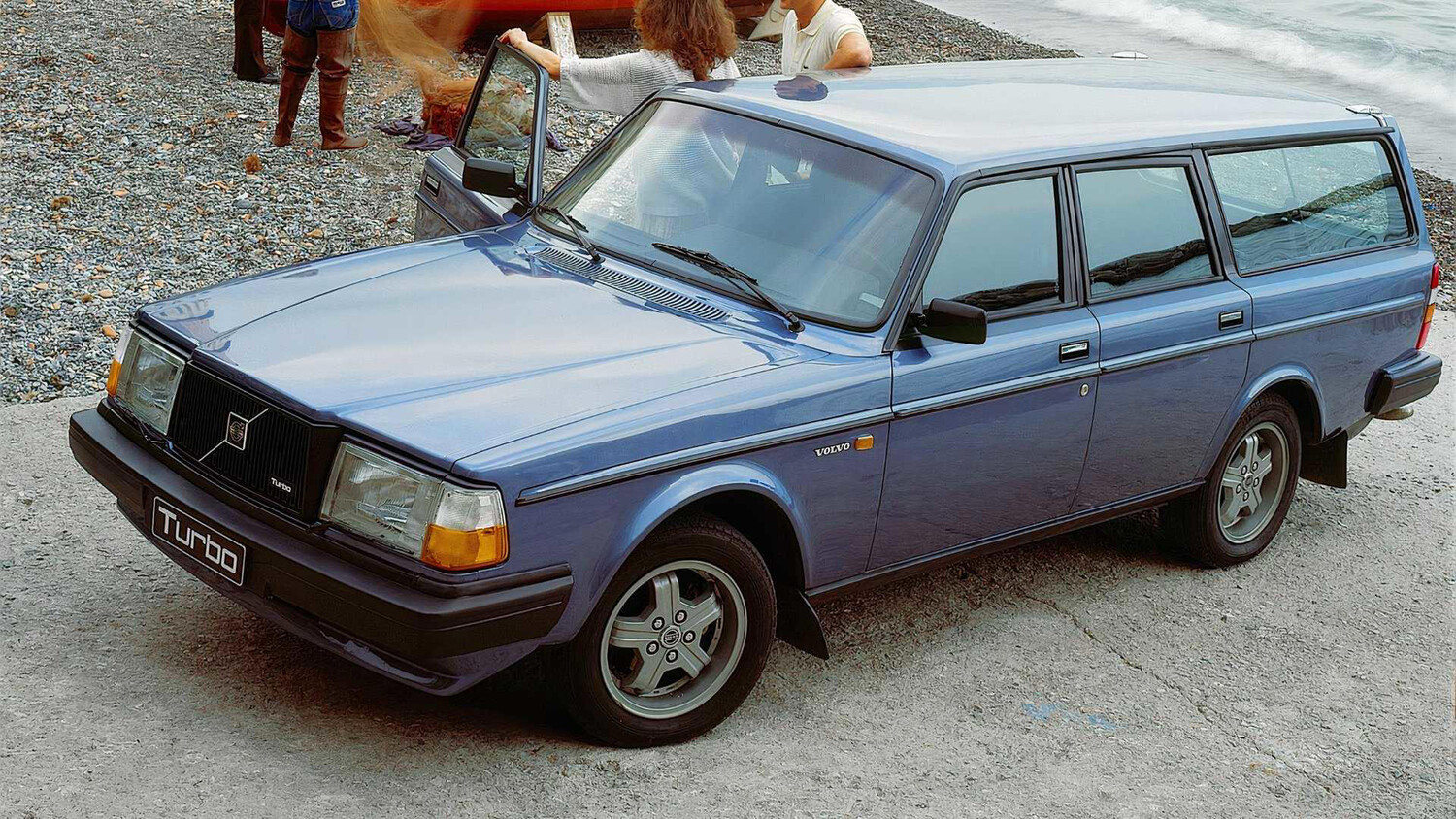
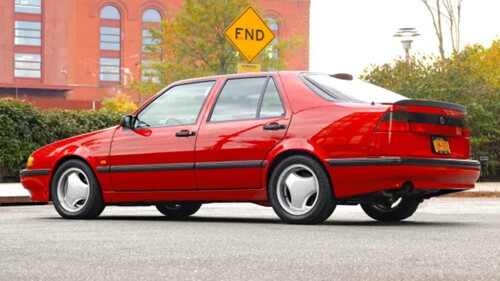
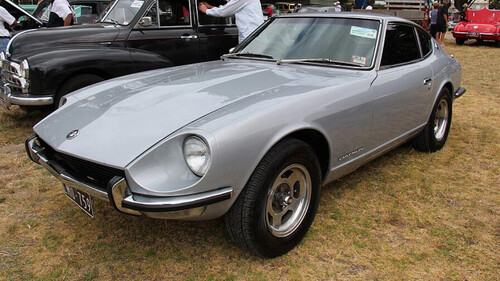
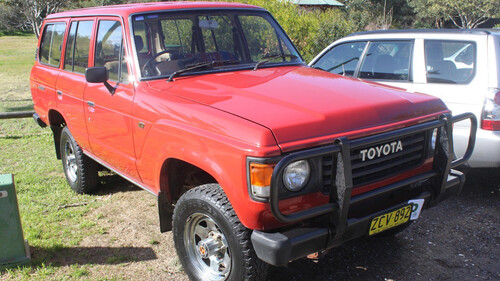
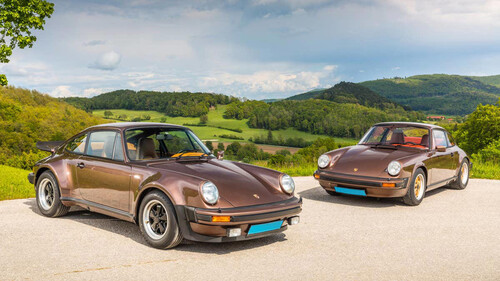
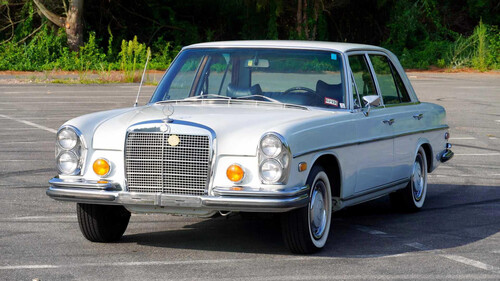
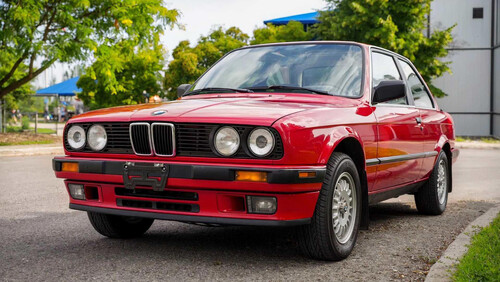
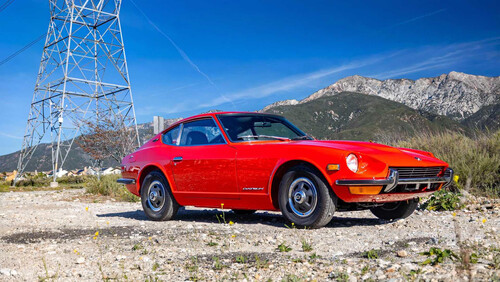
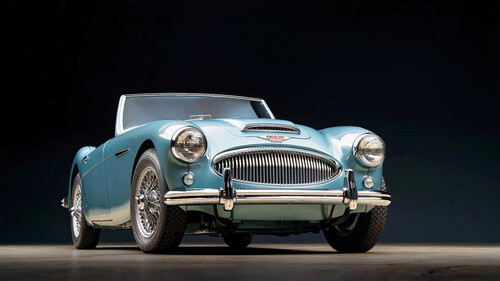
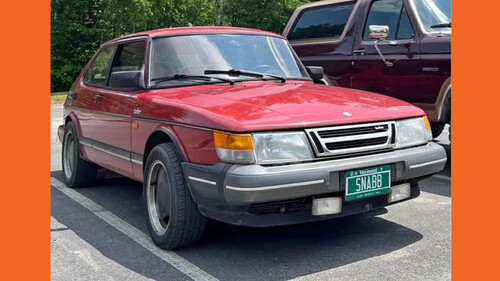
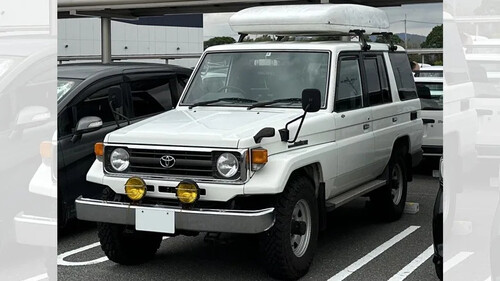
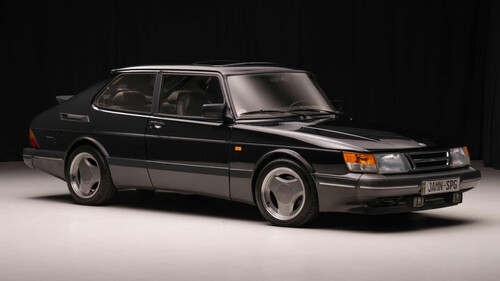
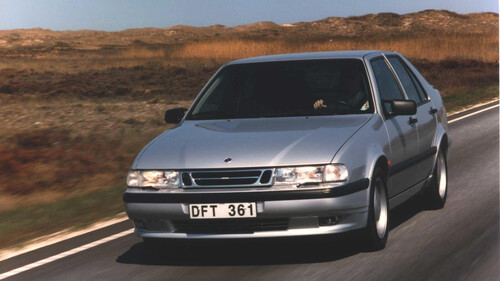
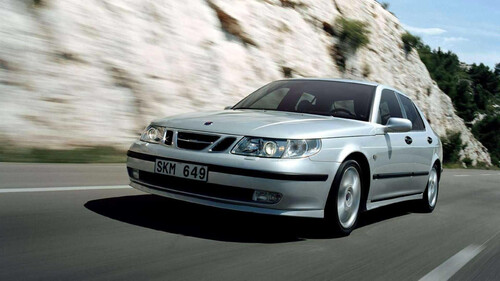
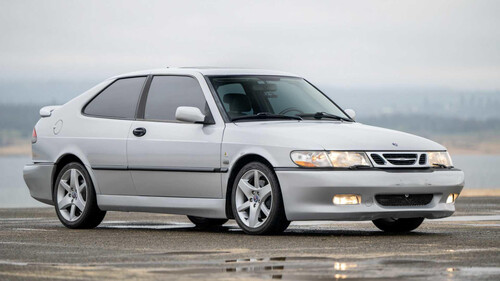
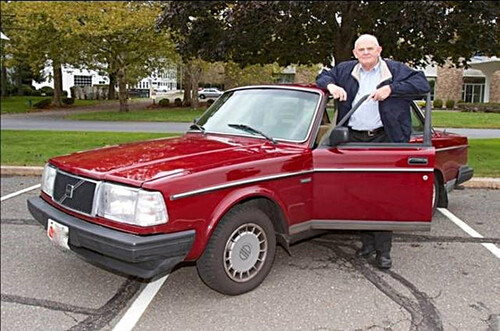
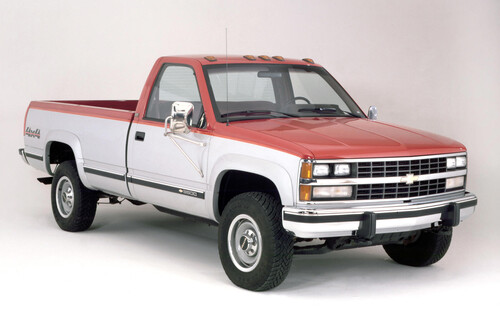
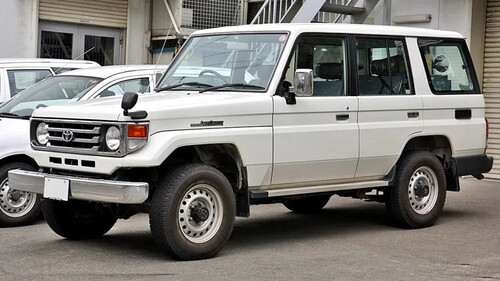
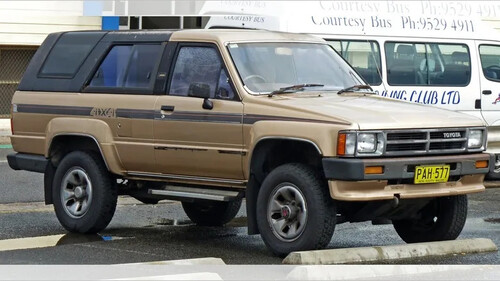
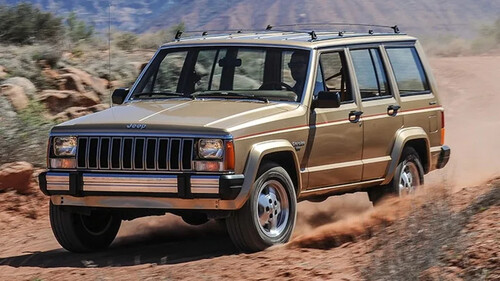
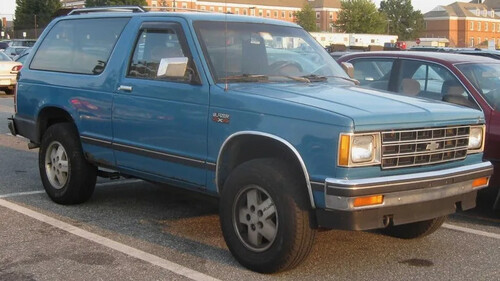
We take computers in our cars for granted these days. From familiar ECUs and traction control systems, to self driving systems and that annoying lane control — it's all in a day's work for the modern car. But there was a time when driving came down to a few mechanical parts and driving skills. If you overcook it in a vintage sports car, you'll need fast reactions and a decent dab of opposite lock to keep your car out of the ditch. There is no safety net here.The bonus of this analog experience is a better connection to the car and road, mechanical simplicity and ease of repair, not to mention that feeling of being a hero every time you arrive unscathed on a rainy day. If it's time to say no to the computer, here are the best pre-tech Classic Cars to seek out. We used Classic.com and Hagerty's Valuation Tools to assess what the cheapest early base models would cost on the used market. Saab 900 - From $1,500 Via: Saab The Saab 900 was a stylish oddball of a car that was introduced for the 1979 model year, with an aircraft-like wraparound screen and early adoption of turbocharging. The car is available as a sedan, coupe, and convertible, and was built up until 1998. You're probably better off looking for a "classic" 900, i.e., the ones built up to the second-generation cobbled together on GM's GM2900 platform. The first cars are packed full of innovation, can reach huge mileage, and are effortlessly cool. Jeep Cherokee XJ 4.0 - From $7,100 Bring a TrailerThe boxy Jeep XJ is so ubiquitous (Jeep has built 2,884,172 units, according to Hemmings) that it's easy to forget it was a gamechanger when launched in 1984. The XJ series Jeep Cherokee, which bowed out in 2001, started off as a decent small off-roader, but by the time the new Power-Tech 4.0-liter inline-six was introduced for 1987, with 174 horsepower and a handy 220 lb-ft of torque, it was making hot hatches and sports cars look slow. The 4.0-liter inline-six has a multiport fuel injection and a high-flow cylinder head for smooth, effortless power. One of the cool things about owning an XJ (or pretty much any other Jeep for that matter) is the extensive forums — such as Cherokeeforum.com and Jeepforum.com — which offer everything from advice to lesser-known history. Volvo 240 - From $7,200 Volvo Go back in time to the '80s or '90s, and tell a room full of people that you think the Volvo 240 is the epitome of cool, and you might get laughed out the door. The boxy Volvo, which came in coupe, sedan, or wagon form, was long seen as dependable, hardy, and very practical, but it's only recently that car fans have recognized the stylish, underplayed sportiness that comes with the 240. So, they aren't exactly a forgotten classic these days, but if you can find one cheap, you'll get both the most reliable Volvo ever built, and an everyday classic that will probably outlive far more modern cars. BMW E30 325i — From $12,000 Bring a Trailer The BMW 325i was introduced for the 1986 model year, powered by the company's 2.5-liter inline six. The M20B25 pumps out 170 horsepower to the rear wheels, linked to a choice of either manual or automatic transmission. These were the days before the coupe and sedan had different looks and names, so the 325i could be optioned as either a two-door coupe, sedan, convertible, or touring/wagon.For anyone who can't find or afford an iconic E30 M3, the 325i was always the next best thing. It's easier to live with, not that much slower (60 mph arrives in 7.4 seconds), and the casual observer probably couldn't tell the difference. The best thing is that the 325i has seemingly endless tuning options too, from ECU chips and big-bore throttle bodies, to bolt-on breathing mods, and suspension or differential upgrades. Or you can just leave it stock and love it. Triumph TR6 — From $14,200 via Bring A TrailerDrop-top British sports cars were as '60s as mini skirts and drinking tumblers of whiskey at lunch meetings. By the time the new Triumph TR6 arrived in 1968, however, it was already feeling a little dated. The TR6 was a bit tight for larger frames, and rode on an antiquated suspension, with separate chassis and body, making trips feel a bit like you were Ace Ventura in a Land Rover. The torquey 2.5-liter straight-six wasn't exactly cutting edge, but it was enough to make the simple TR6 feel quicker than it actually was.Despite the usual clichés about British cars not being reliable, well-looked-after TR6s are easy to maintain and reliable, as long as you keep up with the little jobs. Owners at forum Triumphexp.com say you can squeeze out more power from the six without compromising reliability too. Considering a 1974 TR6 in good condition only costs $14,200, they really are an accessible way into classic motoring, especially considering Italian drop tops from the era might cost two or three times more. Mercedes W123 300TD — From $17,700 Via: Bring A TrailerDiesels might not be the flavor of the month anymore, but there was a time when they were the future. Mercedes-Benz certainly thought so in the '70s, giving the W123 model a 3.0-liter, five-cylinder OM617 diesel engine, that was later turbocharged. The 300TD doesn't stand for turbodiesel, instead T is for Tourismus und Transport (estate/station wagon) and D for diesel. These effortlessly cool load luggers can still be seen in parts of Africa, probably with the odometers grinding to halt somewhere around the million mark, and still going strong. They are easy to maintain, strong as an ox, and likely the most reliable Mercedes-Benz ever made, which is saying something. Toyota Land Cruiser FJ60 — $22,900 Bring A Trailer The BJ series in 1951, the J20, and the FJ40, had all helped to cement the Land Cruiser's reputation as a reliable, go-anywhere slice of Japanese transportation. But it was the FJ60 that took the Cruiser into the world of luxury, positioning it squarely against the Range Rover. While the British SUV has long been followed through the woods and trails by a muttering of unreliability, the Land Cruiser was already seen as bulletproof.The US-market FJ60s have a 135-horsepower 4.2-liter inline-six dubbed the 2F, which is loosely based on the Chevy 235, and is a distant cousin to the unit in a C1 Corvette. Along with a reasonably luxurious interior, the Land Cruiser has legit off-road hardware, including four-wheel drive and a high- and low-range transfer case, with manually locking hubs. Chevrolet K5 Blazer - From $24,700 Bring a Trailer The Chevrolet K5 Blazer is a cool sport-utility truck that was built by GM between 1969 and 1994. The first gen models have a selection of 4.1 to 4.8-liter inline sixes, and 5.0-liter and 5.7-liter V8s. The second-generation Blazer offered an option of a 6.2-liter diesel V8, and it wasn't until the third-generation model that Chevy introduced fuel injection around the mid-'80s. This means that Blazers before this have carbureted V8s, making them simple to maintain and sturdy. Due to the fact that Blazers also share parts and platforms with millions of other Chevy trucks, finding parts is easy too. Datsun 240Z - From $26,600 Bring a TrailerThe S30 Datsun 240Z went on sale for the 1970 model year packing a 2.4-liter L24 inline-6 with twin Hitachi SU-type carburetors. Power was a healthy 151 horsepower, with the unit driving the rear wheels through a four-speed manual. For 1974, the 240Z was replaced by the Datsun 260Z which has a 2.6-liter six. The 240Z was hugely popular, with Classic.com saying that Datsun sold more than 45,000 units through the '71 model year. This means that 240Zs are plentiful, not that expensive ($26,600 will get you a good one, says Hagerty), easy to own, and famously very reliable. As with all so-called JDM cars (OK, so they weren't just for the Japanese market), there are trinkets and tuning parts galore, with the only limits being your bank balance and taste. Porsche 911 G-body - From $49,000 via Bring A TrailerThink 911s, and you will probably think G-bodies. Yes, sure, there are the latest 992s, the 993s of the '90s, and even those very early Ur-Elfer cars, but the model that made the 911 what it is would be the G-Series. These cars ran between 1973 and 1989 and encapsulate the time between the early version and the techier 964s and 993s. These are the 930 Turbos that sat on kid's bedroom walls in the '80s, the drop-top Carreras that traders drove to the stock market, the flatnoses that movie directors drove to set.You can tell a G-body from the chunky bumpers with built-in turn signals and that Porsche script in the rear panel, among other distinguishing factors. Interestingly, it wasn't until the 964 series that 911s got safety systems such as anti-lock brakes and power steering, as well as the introduction of the Tiptronic automatic gearbox and the option of all-wheel-drive. This means that G-Series cars offer a truly analog experience that will keep you on your toes while being ultimately rewarding. G-Series 911s are famously reliable and easy to work on, with ultra high mileages no problem if they are looked after.Sources: Hagerty.com; Classic.com; Hemmings.com