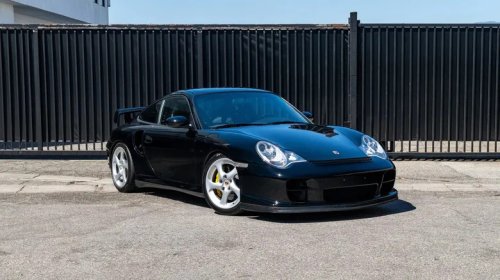
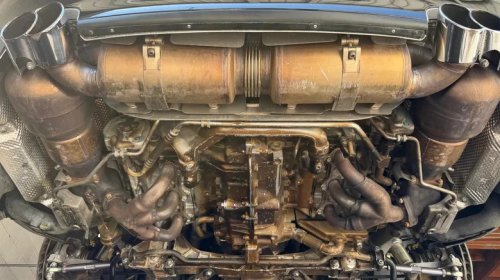
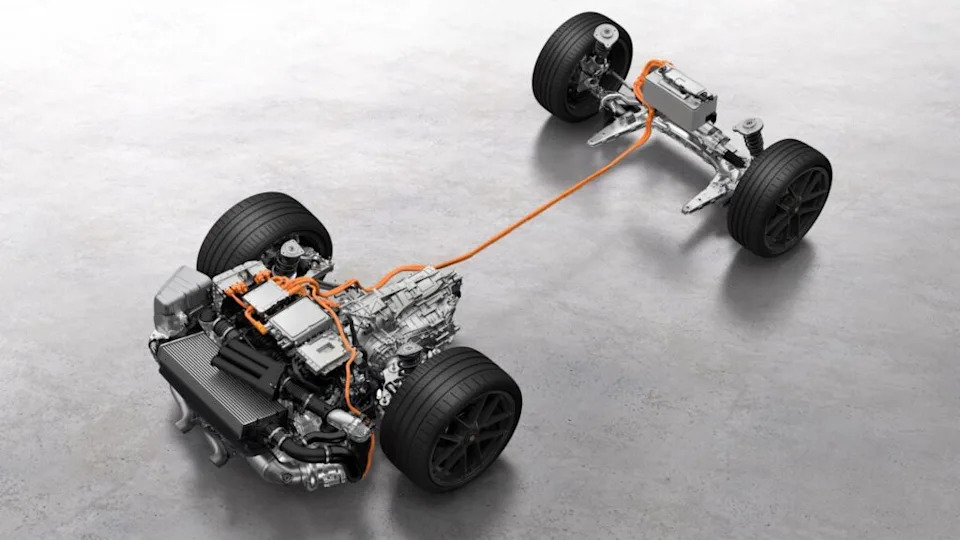
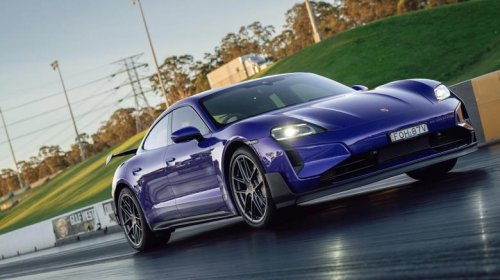
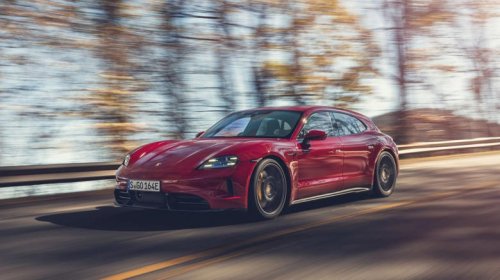
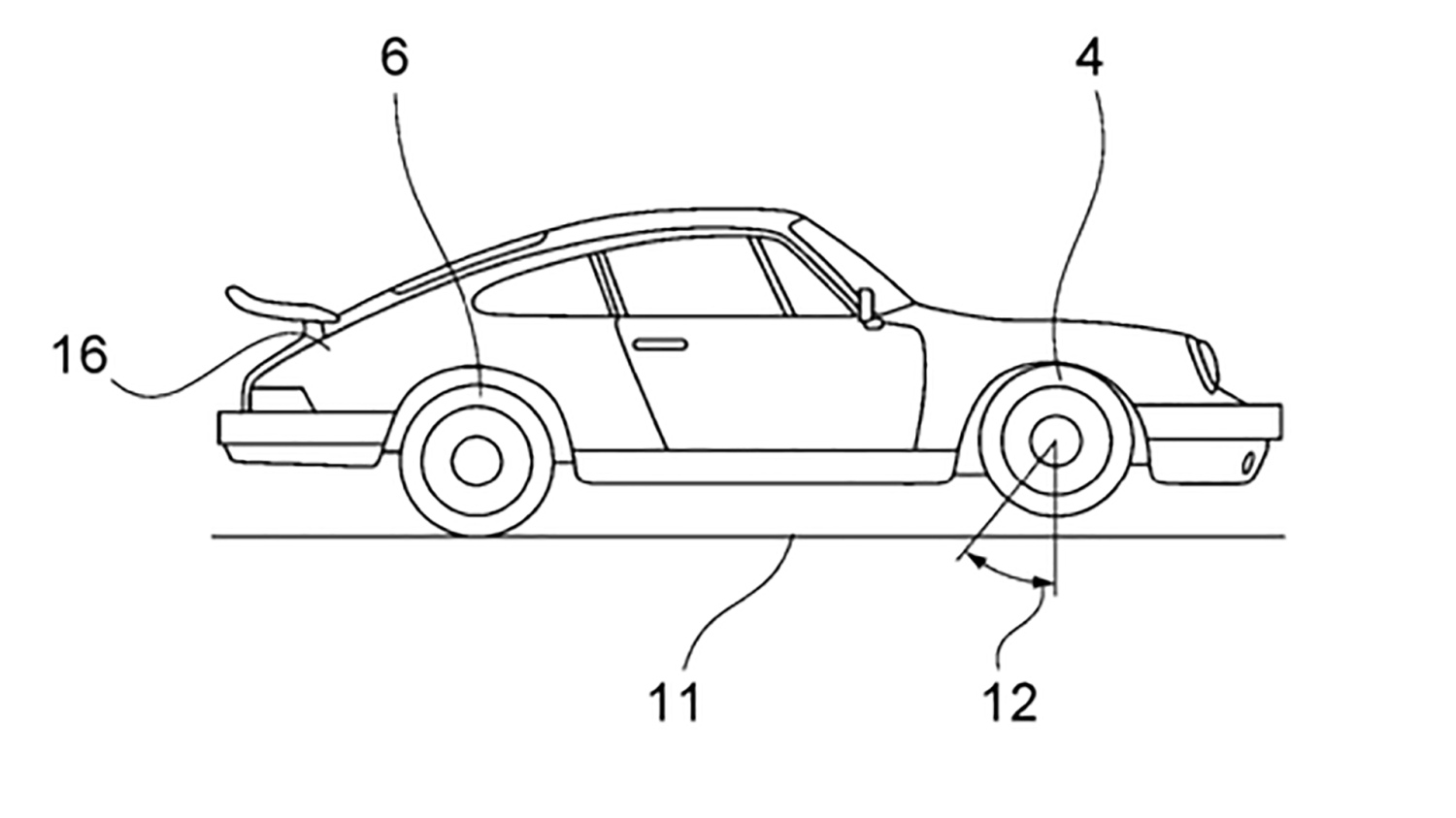
Tired of flat spots? Of getting into a car that's been parked for the winter or sometimes just a few months, then experiencing that thump-thump from the tires for however many miles it takes for them to remember how to be round? Porsche has just solved that problem, and it sounds perfect for collectors. However, it won't work on some of your favorites from the German icon. Let Your Active Suspension Work For You PorscheCarBuzzfound a patent from Porsche called "motor vehicle and a method for operating an actively controllable wheel suspension." It describes a suspension system that steals one of the best parts of a classic Citroën and then adds something completely new.The car would be able to lift its drive wheels one at a time by adjusting the active suspension at that corner. Like the old hydraulic DS, the car would be able to pull one wheel up while adjusting the rest to compensate. It wouldn't have to come far off the ground, the patent says, just enough to reduce the friction between road and tire.Then the vehicle would rotate that tire. Not far, just enough so that a new part of the tire touches the ground. With that complete, it could do the other three tires on the car, one by one. That is, it could rotate the other tires that have something powering them. The system wouldn't be able to turn a tire not connected to a drive axle, because it doesn't add new parts to the car.For an electric vehicle, with highly adjustable motors front and rear, this seems easy to do. But Porsche says it would be able to function on gas-engine cars just fine, also. We imagine it could even do it using the starter motor instead of firing up the engine, but it requires one important feature to be present on the car.It would work through the vehicle's torque vectoring system. The clutches in the differentials as well as the brakes would be used to send the small amount of torque needed to the tire that was in the air. It would spin the tire to a new position, then move on to the next. Time And Temperatures Cause Flat Spots Bring a Trailer Porsche says that tire flat spots can be the result of parking a car for an extended period, but there are other factors that can speed up the flattening. Highway driving with cold pavement temperatures as well as high tire loads are the main ones.To decide when to rotate the tires, Porsche would use temperature and pressure sensors, a weight recording device, and a timer. That data would be used to decide how frequently to give each one a spin, and it would use an angle sensor to spin the tire the right amount.If you're getting your vintage Porsche out of the garage for the spring, this would be a great invention. No flat spots, just check pressures and go for a nice, smooth drive. However, adapting it to an old car would be nearly impossible. And until the 959 arrived in 1986, every Porsche was rear-driven, so you'd still have two flat spots. Better than four, though.It's a neat idea from a company that makes cars that are often used infrequently or for just part of the year. But how many of the cars that would benefit are actually all-wheel drive? Still, it's a cool idea and one we'd love to see in production.Patent filings do not guarantee the use of such technology in future vehicles and are often used exclusively as a means of protecting intellectual property. Such a filing cannot be construed as confirmation of production intent.Source: DPMA



















 +70 others