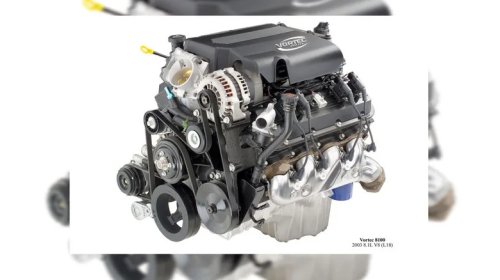
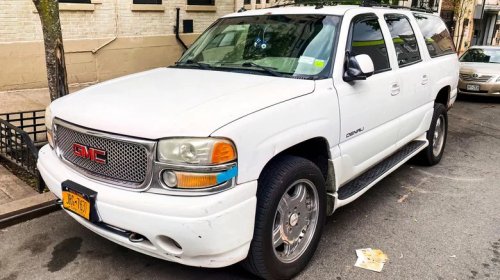
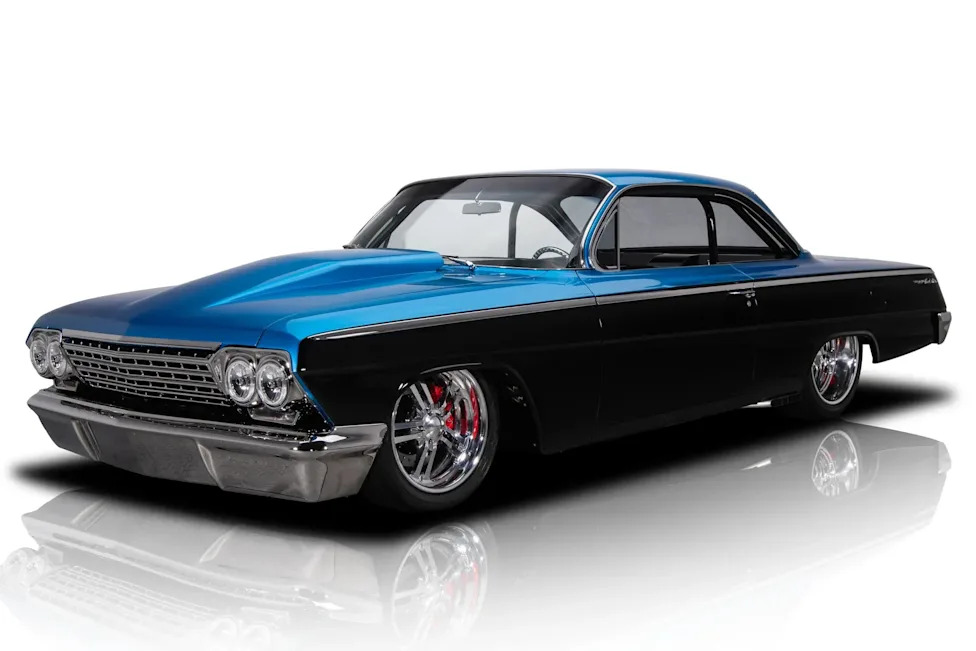
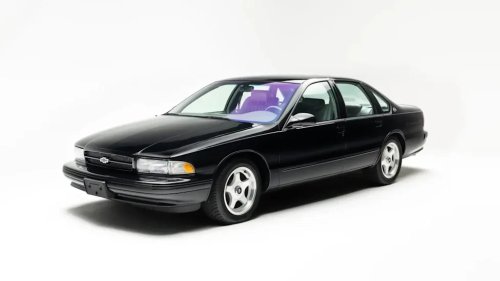
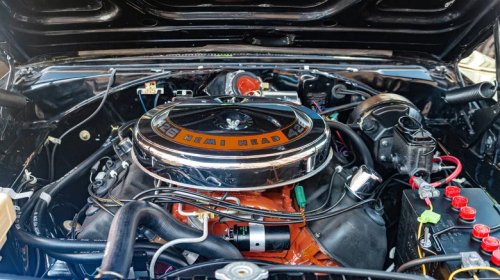
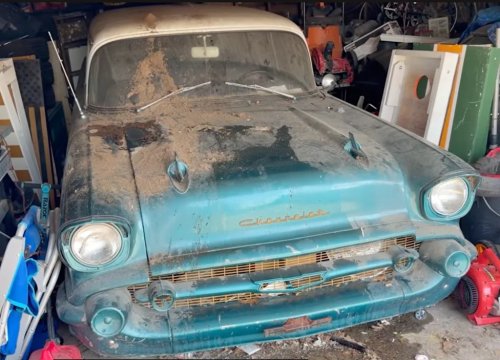
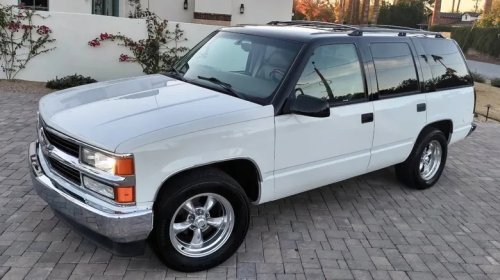
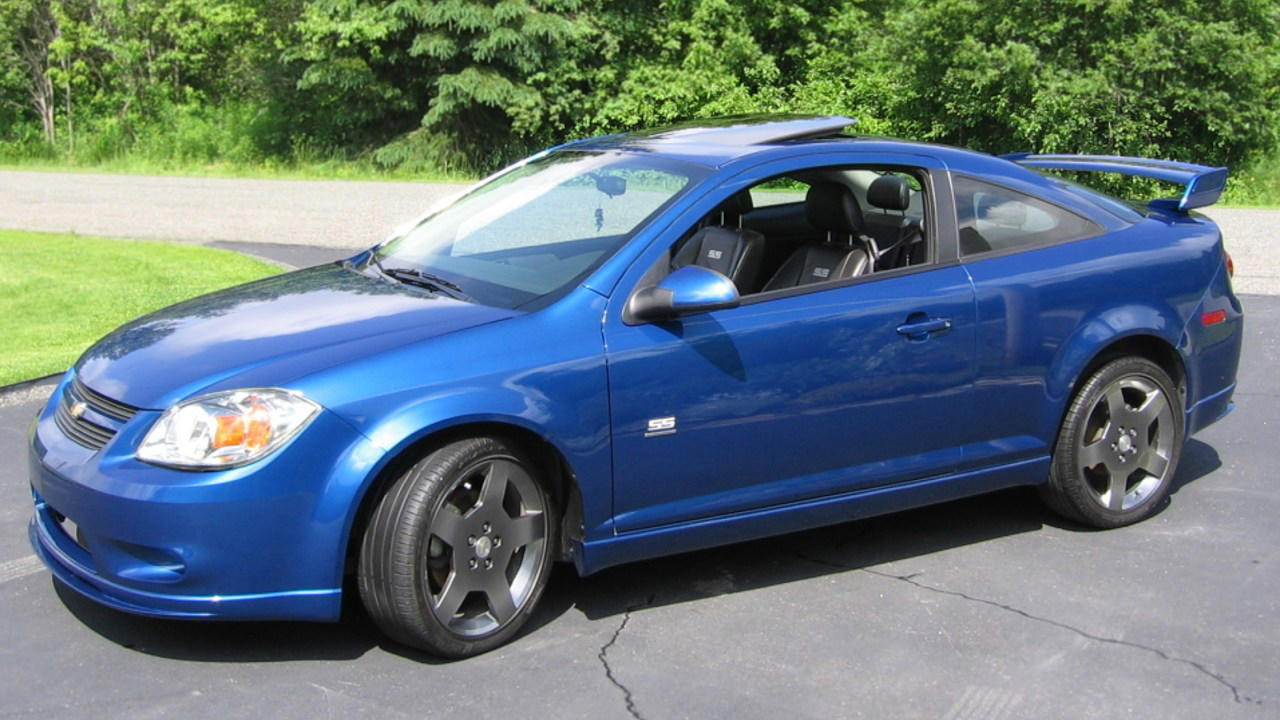
Chevrolet’s back catalog is full of cars that looked ordinary in traffic yet hid serious performance under the sheet metal. Some were overshadowed by headline-grabbing Corvettes and Camaros, others were victims of timing or marketing, but all delivered far more muscle than their reputations suggest. I want to look at a handful of those overlooked Chevys that quietly packed real power, and why they still matter to enthusiasts who care about speed as much as badges. Big-block sleepers: Impala SS and full-size bruisers When people talk about classic Chevrolet performance, the conversation usually jumps straight to Chevelle SS or first-generation Camaro, but the full-size Impala spent years doing heavy lifting for the brand’s horsepower image. In the mid to late 1960s, buyers could order an Impala SS with big-block V8s that turned a family cruiser into a genuine straight-line threat, especially when equipped with engines like the 427 cubic inch V8 that pushed output well into the 300 horsepower range according to period specifications. I see those cars as the original Chevy sleepers, because they blended bench seats and chrome trim with quarter-mile capability that embarrassed smaller, sportier rivals. That formula carried into later generations, even as the muscle era faded and emissions rules tightened. The early 1990s Impala SS revived the idea by dropping a 5.7 liter LT1 V8, rated at 260 horsepower, into a full-size sedan that still shared bones with police cruisers, a combination documented in contemporary road tests. I view that car as a bridge between old-school big-block bravado and modern performance sedans, and it set the stage for Chevrolet to keep experimenting with powerful drivetrains in seemingly conservative packages. Turbocharged outliers: Corvair Monza and Cobalt SS Chevrolet’s willingness to bolt turbochargers onto compact cars long before it was fashionable produced some of its strangest and most intriguing performance machines. The early 1960s Corvair Monza Spyder, for example, used a turbocharged flat-six that delivered 150 horsepower from just 145 cubic inches, a figure that period documentation shows was remarkable for a small-displacement engine of its time. I see that car as an engineering experiment that hinted at how forced induction could give modest platforms real punch, even if the Corvair’s controversial handling reputation overshadowed its powertrain innovation. Decades later, Chevrolet revisited that idea with the Cobalt SS, a compact that most people remember as basic transportation but that enthusiasts know for its supercharged and later turbocharged variants. The Cobalt SS Turbo, introduced after the initial supercharged model, produced 260 horsepower from a 2.0 liter four-cylinder and recorded impressive lap times that some testing showed were competitive with more expensive sport compacts. I consider the Cobalt SS one of the clearest examples of Chevrolet hiding serious performance in a platform that, in base form, was about as anonymous as economy cars get. Image Credit: TiCPU, via Wikimedia Commons, CC BY-SA 3.0 Muscle in a tuxedo: Caprice, Monte Carlo, and other V8 sedans Chevrolet’s big rear-wheel-drive sedans often lived double lives, serving as taxis and police cars by day while quietly offering performance hardware to civilian buyers who knew where to look. The 9C1 police-package Caprice, for instance, shared its V8 powertrains with civilian models and, in certain years, used the same LT1 5.7 liter engine found in the Corvette, a detail confirmed in period fleet guides. When I look at those cars, I see them as stealth performance sedans, with heavy-duty cooling, upgraded suspensions, and strong acceleration wrapped in bodywork that blended into any parking lot. The Monte Carlo followed a similar path, especially in its later front-wheel-drive era, where the SS versions often hid more power than their NASCAR-inspired styling suggested. The early 2000s Monte Carlo SS used a 3.8 liter V6 that, in supercharged form, produced 240 horsepower and delivered brisk straight-line performance that contemporary tests noted was closer to traditional muscle than its coupe profile implied. I think of these cars as “muscle in a tuxedo,” because they offered V8 or forced-induction punch in packages that were marketed more for comfort and style than outright speed. Truck-based torque: TrailBlazer SS and high-output SUVs That approach extended to other truck-based platforms, where Chevrolet quietly offered high-output engines that transformed towing machines into unexpected stoplight performers. Certain Silverado SS models, for instance, used a 6.0 liter V8 rated at 345 horsepower, a figure backed by period road tests that also highlighted their strong acceleration despite full-size truck weight. When I look at these SUVs and pickups, I see them as part of a broader shift in American performance culture, where torque and utility became just as important as low-slung styling, and Chevrolet responded by putting serious power into vehicles that could tow a boat and still feel quick on an on-ramp. Modern under-the-radar performers: SS sedan and high-output compacts In more recent years, Chevrolet has continued to build powerful cars that never quite broke into mainstream performance conversations, even as they delivered numbers that would have been unthinkable for earlier generations. The Chevrolet SS sedan, imported from Australia and sold in limited numbers, paired a 6.2 liter V8 with rear-wheel drive and a manual transmission option, producing 415 horsepower according to official figures. I regard the SS as one of the most capable yet overlooked performance cars in Chevrolet’s modern lineup, a four-door that could run with dedicated sports cars while looking, at a glance, like a rental fleet sedan. Even in the compact segment, Chevrolet has quietly offered more power than its marketing sometimes emphasized. The Cruze, for example, was widely seen as a fuel-economy play, but certain trims used a 1.4 liter turbocharged engine that delivered strong midrange torque and, in some markets, higher-output variants that contemporary reviews noted felt much quicker than the spec sheet suggested. I see these modern under-the-radar performers as a continuation of a long Chevrolet tradition: building cars that meet practical needs first, then slipping in engines and chassis tuning that reward drivers who care enough to look beyond the brochure highlights. More from Fast Lane Only: Unboxing the WWII Jeep in a Crate The Fastest Farm Truck Ever Built 10 Old Trucks That Were Built Like Tanks 12 Classic muscle cars still within reach for budget buyers *Created with AI assistance and editor review.


















 +4 others