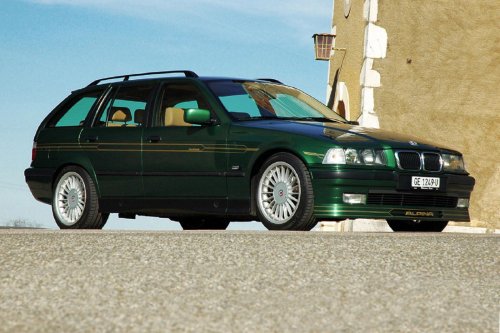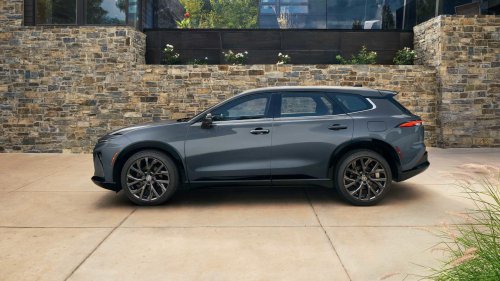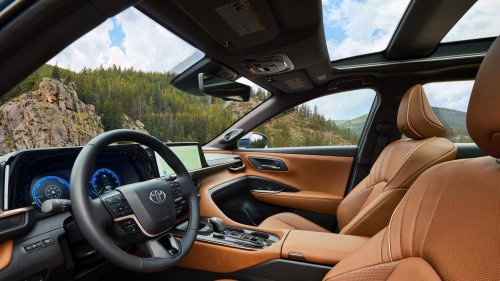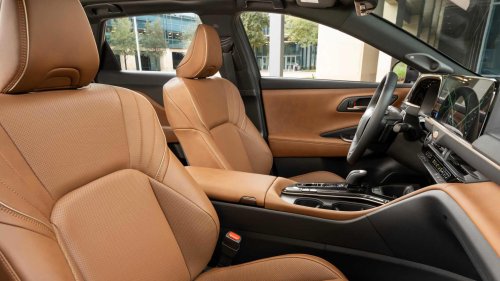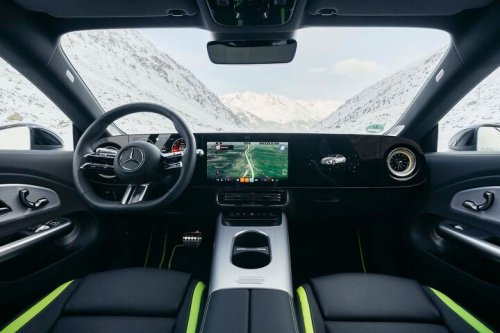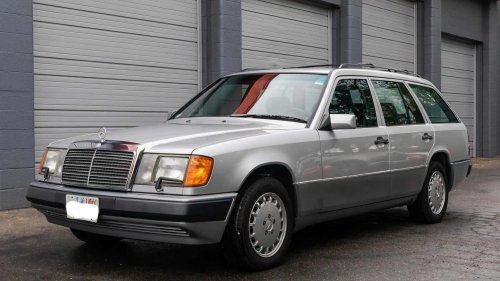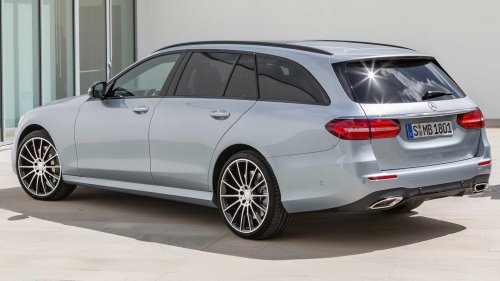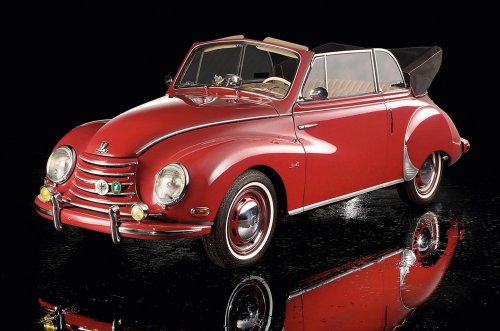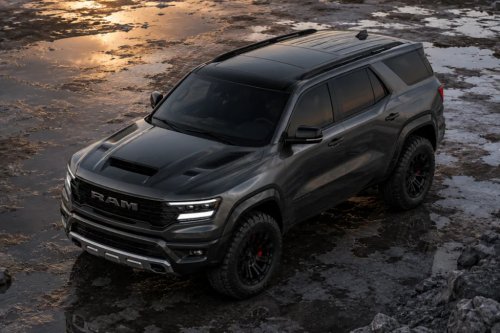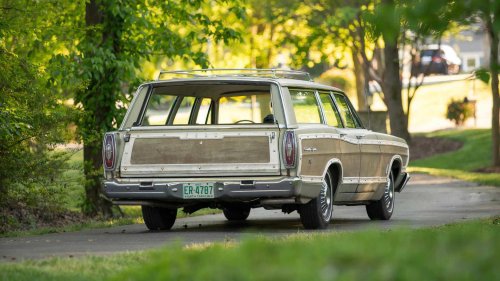
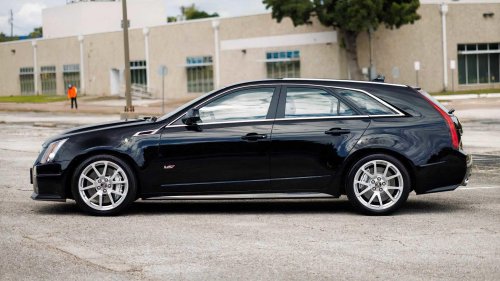
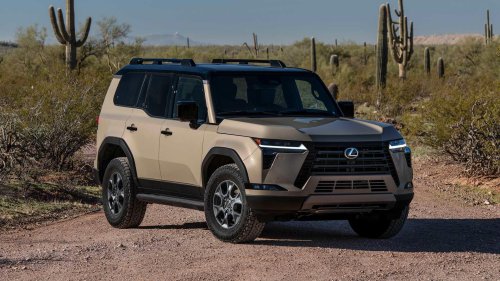
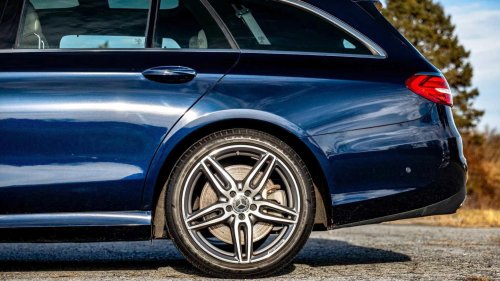
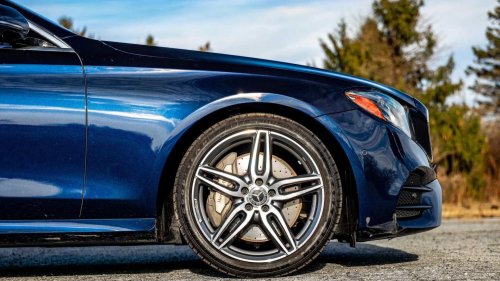
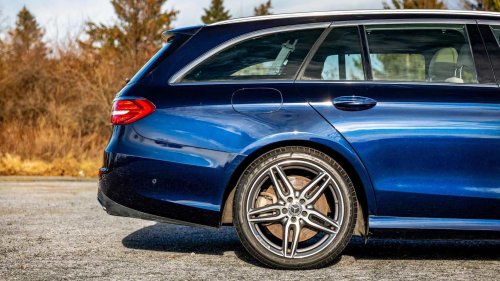
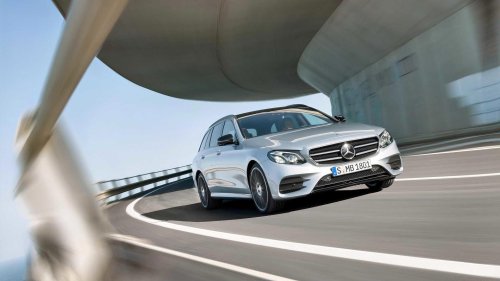
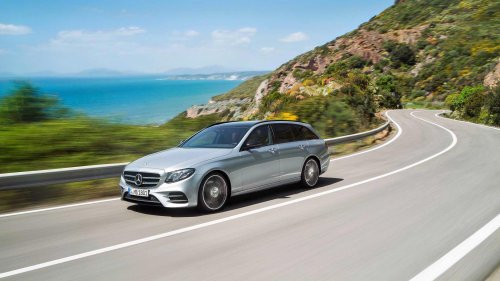
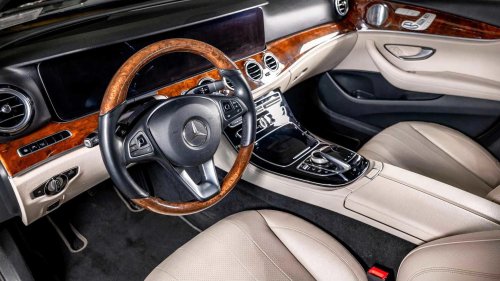
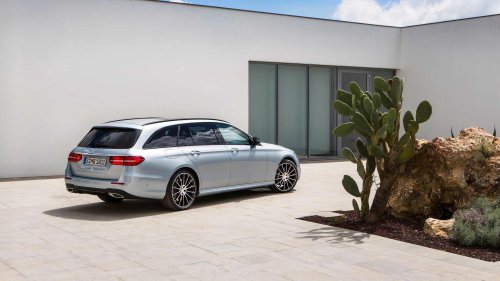
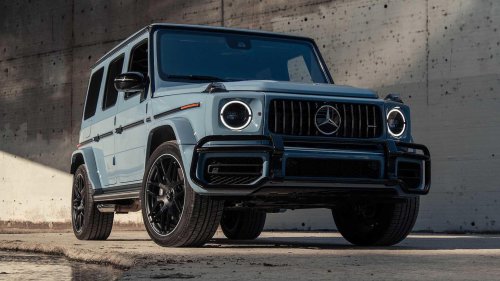
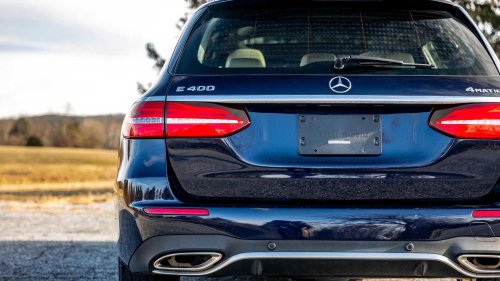
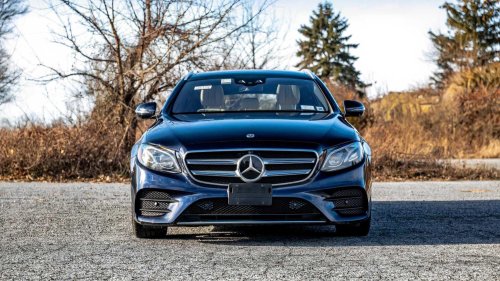
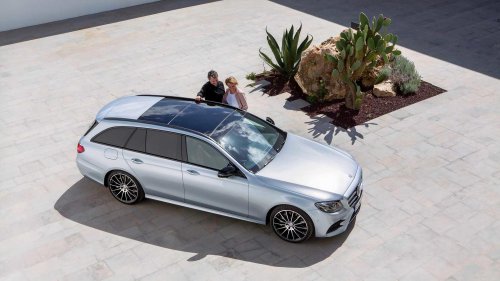



















Luxury wagons once ticked every box. Carry the family, haul the luggage, have fun doing it. That was all the reason German automakers needed to pour everything into the formula. Mercedes-Benz, BMW, Audi, all of them had wagons rolling off the line and ruling the roads. They were selling like hotcakes. The pitch was simple: beat sedans on practicality without giving up a single inch of comfort. The question was never whether they were good. It was whether the market would ever notice. When Wagons Ran The Show Bring A Trailer For a long time, the wagon was the smartest way into a luxury car. Sedan comfort, a proper ride, and considerably more cargo space, all without climbing into something taller and heavier. European buyers treated them as executive cars, not compromise vehicles. The whole category worked because it gave you everything you actually needed without making the car feel like it was built for a different kind of buyer. The Body Style That Had Everything Figured Out Bring a Trailer The wagon earned its reputation by solving a real problem. Families needed space for people and luggage without the bulk of a full-size SUV. Wagon buyers got all of that at lower weight and a lower center of gravity than anything taller. That combination made the drive genuinely better, not just the loading. European luxury buyers voted with their wallets for decades, and the wagon was what they kept coming back to. Not a consolation prize. The smarter buy. For the big luxury brands, a wagon was never a side project. It was a serious product for buyers who knew exactly what they wanted. How The SUV Ate The Whole Market Alive Lexus Then the market shifted, and wagons paid for it. SUVs arrived with a higher seating position, a more commanding road presence, and an image that made them feel better suited to modern life, even when the actual driving advantages over a wagon were marginal at best. American buyers especially loved the idea of sitting high and looking large. There was no single tipping point. Just a slow drift until the wagon stopped being something most buyers even considered. By the 2020s, premium buyers in every market were heading hard toward crossovers, and by 2026, wagon demand had hit rock bottom. The body style that once owned the luxury family car market had become a niche. One Brand Looked At The Trend And Said No Via BaT SUVs swept every carmaker along with them. The bandwagon filled up fast and the market flooded with crossovers at every price point. Most brands chased the trend without looking back. One of them went a different direction entirely. Instead of piling into the SUV arms race, it kept betting on the wagon, doubled down on the engineering, and set out to prove that the format could stand toe-to-toe with any luxury crossover on every metric that actually matters. The Engineering Bet That Changed The Game Via BaT The brand did not keep the wagon alive because it was fashionable. It kept going because there was still a core group of buyers who wanted something lower, quieter, and more efficient than a luxury SUV. The engineering push that followed was serious. Sleeker bodies, air suspension, adaptive lighting, and full digital dashboards arrived as wagon standards while rival brands were busy making their crossovers taller and heavier. The aim was less noise and better efficiency. Those two things matter more to a certain kind of luxury buyer than a raised ride height. The bet was that instinct would stay alive. It was right. Why America Is Where This Story Gets Really Interesting Via BaT Here is where the story gets sharp. The luxury SUV aisle in the United States is one of the most competitive on the planet. Crossovers at every price point, from lifted compact entries to full-size three-row tanks, all competing for the same pool of buyers. And sitting right in the middle of all of that, largely overlooked, is a wagon that beats most of them on every metric that actually matters for daily life. Lower center of gravity. More cargo room per dollar. Better fuel economy. A more involving drive. The case is not subtle. The car was sitting in a showroom near you. Most people just never look that way. Meet The Mercedes-Benz E-Class Wagon Via Mercedes-Benz The car at the center of this story is the Mercedes-Benz E-Class wagon. Available in U.S. showrooms right now, starting at $78,300, built on the E-Class platform with a long-roof wagon body, standard AIRMATIC air suspension, and 375 horsepower ready to go. It makes every rational argument a serious luxury buyer could want. Better cargo space, sharper dynamics, a better price. Most buyers are still walking straight past it. The Wagon That Drives Like It Has Something To Prove Via Mercedes-Benz The E-Class wagon does not position itself as a stripped-down family hauler. It is a driver's car that happens to swallow luggage. Mercedes kept the center of gravity low, the roofline sleek, and the suspension tuned for the kind of long-distance comfort that only reveals itself properly after a few hundred miles of open road. AIRMATIC air suspension is standard, not optional. A 9-speed automatic handles every gear change without drama. The wagon body carries less dead weight than any comparable crossover, and that feeds directly into the handling. Sharp corners stay flat. The ride absorbs imperfections without making a fuss about it. Every engineering decision pointed the same direction: give wagon buyers the quality of a far more expensive car, without the bulk. The Cabin That Makes The Price Tag Look Like A Bargain Via BaT Step inside and the case gets made fast. A high-grade leather interior, real wood trim, and layered ambient lighting give the cabin the atmosphere of something that costs considerably more than the sticker suggests. The available MBUX Superscreen is an AI-linked infotainment setup that learns how the driver operates and adapts over time. The cargo space closes the deal: 33.1 cubic feet behind the second row, 64.6 with the seats folded flat. A hands-free power liftgate makes daily loading easier than anything with a raised rear floor. The 3.0-liter inline-six mild hybrid runs to 60 mph in 4.5 seconds, returns 22 city and 31 highway mpg, and tows up to 4,600 lbs. In a segment where buyers routinely spend $150,000 on something with less cargo space and a worse daily-driver experience, that list of numbers is genuinely hard to argue with. What Americans Are Actually Spending Their Money On VIa Mercedes-Benz The E-Class wagon does not just win on the atmosphere. Air suspension irons out road imperfections without fuss. Body roll is dramatically lower than any tall crossover. The lower seating position delivers a more precise, more confidence-inspiring drive. For American buyers though, the real test is not whether the wagon outdrives a luxury SUV. The real test is value. And that is exactly where the comparison starts to get uncomfortable for the other side. Same Badge, Double The Price, Half The Sense via Mercedes-Benz The direct cross-shop for the E-Class wagon is not the G-Class. It is the BMW X5, the Mercedes GLE, and the Audi Q7, all sitting in roughly the same price range and all promising premium daily transportation. On paper they are the sensible choice. In practice, every one of them gives up something the wagon does not. They sit higher, which means more body roll and a less composed ride. They weigh more, which softens the steering and blunts the response. And their cabins, however well-finished, are packaged around a tall floor and a high roofline that works against the sense of intimacy that actually makes a car feel expensive. The wagon sits lower, feels tighter, and rides quieter. That combination is what luxury actually feels like when you strip the marketing away. The Numbers That Make The SUV Case Fall Apart Via BaT The gap between the E-Class wagon and the G 550 is approximately $75,600. For that money, the wagon buyer gets more cargo room, a lower center of gravity, better fuel economy, and a sharper drive every single day. The G-Class buyer gets a taller ride, a bolder silhouette, and the kind of presence that turns heads at a valet stand. Both are legitimate choices. But the data makes it very hard to argue that the G-Class delivers better value for a buyer whose real priority is space, comfort, and a premium cabin. The wagon makes the sharper rational case. At nearly half the price. Almost nobody took it. The Wagon That Won Every Argument And Lost Anyway Via BaTThe E-Class wagon was never going to challenge SUV sales figures. The market had moved on before Mercedes doubled down on the wagon formula, and no feature, no price advantage, and no engineering refinement was going to swing a buyer who had already decided they wanted a crossover. The wagon made the rational case. The market made an emotional one. That gap is exactly what makes this story worth telling.In 2024, the E-Class wagon was sitting on dealer lots for an average of 458 days before finding a buyer. Not weeks. Nearly a year and a half. In that same year, the G-Class broke its all-time U.S. sales record at over 10,000 units. Mercedes has publicly signaled the challenges of wagon demand amid SUV shifts, as seen in 2026 market data where crossovers and trucks dominate VIO shares (e.g., full-size pickups at 16.4%). It was a statement of fact that every dust-gathering wagon in every showroom had already made. Why The Argument Is Still Worth Having Via Mercedes-Benz Mercedes kept building it anyway. The E-Class wagon is not about volume. It is about answering a question most buyers have stopped asking: what if luxury did not have to ride high? It delivers a premium cabin, 64.6 cubic feet of cargo space, and a more elegant shape than the crossovers it competes against on paper, at a starting price that is nearly half what a G-Class costs. The case is clear. The engineering is there. The price is right. The car is in the showroom. And still, almost nobody buys it. In a segment full of tall, heavy, expensive crossovers, that is either the best-kept secret in the luxury market or the saddest story in it. Probably both.