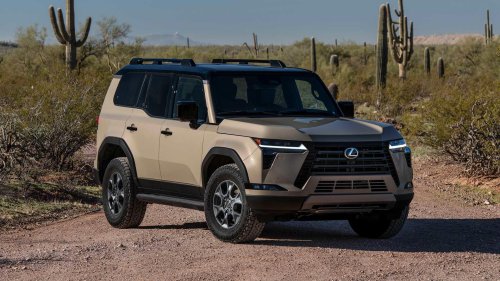
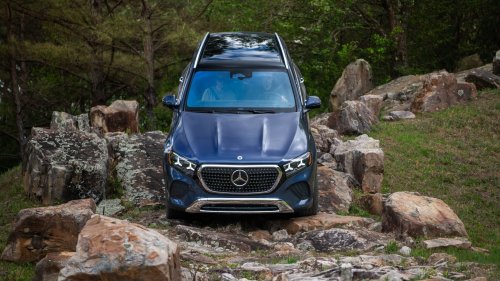
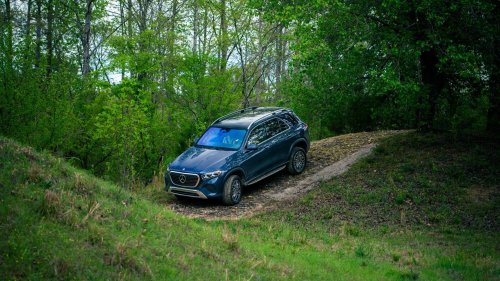
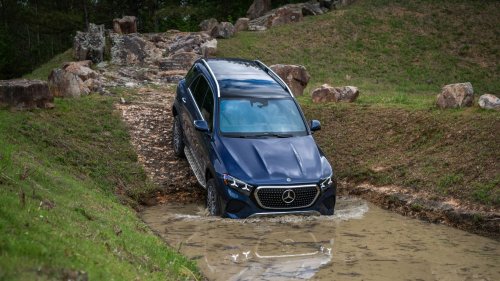
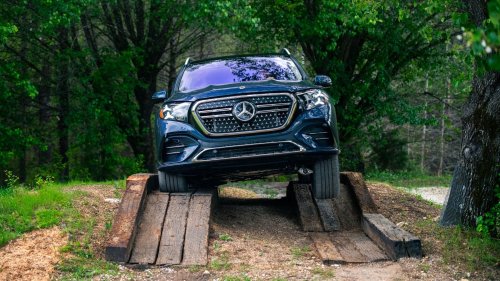
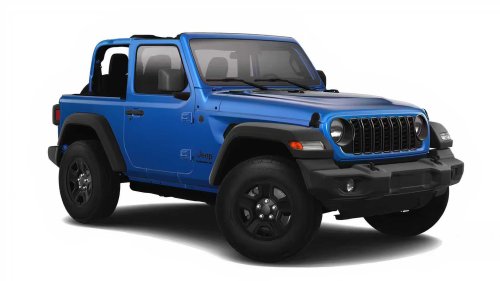
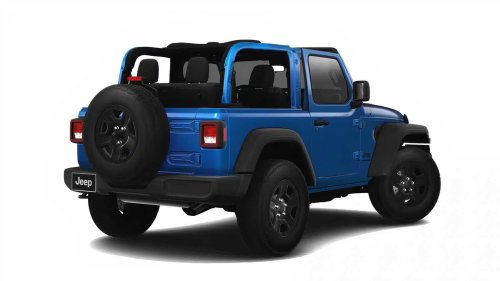
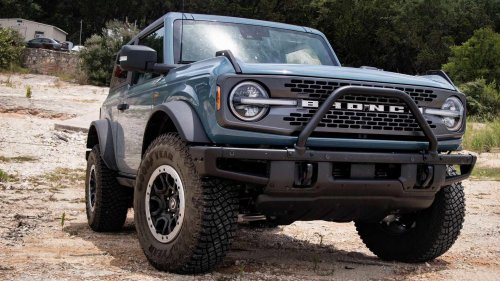
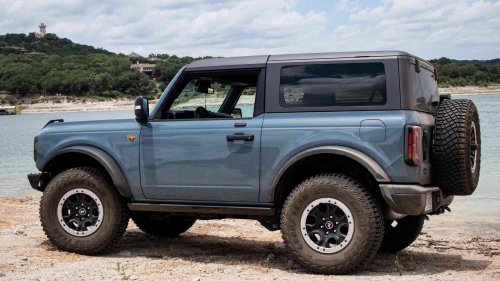
Why some drivers say modern SUVs are losing off-road credibilityModern SUVs promote a lifestyle of adventure, but many drivers argue that the vehicles themselves are drifting from the trails that inspired them. They see taller, softer crossovers replacing boxy 4x4s and argue that off-road credibility is being traded for comfort, style, and fuel efficiency. Their criticism is less nostalgic grumbling than a technical case that the hardware under many new SUVs no longer matches the rugged image on the brochure. Central to this complaint is how utility vehicles are engineered, from the underlying frame to the traction-managing software. Where older models were unapologetically built as trucks with extra seats, many current offerings share more with compact hatchbacks than with pickups. In the eyes of these drivers, the result is a class of vehicles that looks ready for gravel and rock but is often happiest on a school run. From ladder frames to car-based crossovers For decades, the term sport utility vehicle described a body bolted to a separate ladder frame, a layout borrowed directly from pickups. That body on frame construction allowed the chassis to flex over ruts and rocks while the cabin stayed relatively isolated, and it made it easier to mount heavy-duty axles, low range transfer cases, and recovery points. Technical guides describe body-on-frame construction as offering better off-road capability. A dedicated ladder frame handles twisting loads that would overstress a lighter shell, and damaged bodywork is less likely to compromise the core structure keeping suspension and drivetrain aligned. Today, however, most SUVs sold in showrooms are crossovers that use a unibody platform shared with passenger cars. A mainstream buying guide notes that Most such vehicles now ride on car-like chassis that prioritize low weight and on-road refinement over the sheer strength of a separate frame, even when the marketing still leans heavily on rugged imagery. Dealers explain that traditional SUVs are built like pickup trucks, supporting serious off-roading and towing, while crossovers use integrated structures better suited for efficiency and city driving. The unibody debate among off-road enthusiasts Among off-road enthusiasts, the engineering shift has triggered its own internal debate. Some drivers argue that a well-designed unibody can be surprisingly tough, pointing to older Jeep XJ models that have survived decades of trail abuse with only reinforcement at key stress points. In one discussion on unibody versus body on frame, a contributor identified as SarK-9 argued that for stock or moderately modified vehicles, frame rigidity is not an issue at all, and that unibody platforms like the Jeep XJ can perform capably if suspension and tires are matched to the terrain, a view shared in a detailed unibody vs body thread. Others counter that while unibody designs may work for lighter-duty use, they are inherently less forgiving when owners push into serious rock crawling or heavy overlanding loads. They point out that adding armor, winches, and rooftop tents concentrates stress into specific mounting points, which can tear or deform a thinner shell more easily than a ladder frame. For these drivers, unibody SUVs can be fine for dirt roads and mild trails, but the lack of a separate frame becomes a limiting factor once modifications go beyond cosmetic lifts and all-terrain tires. Electronics, AWD, and the limits of soft-road hardware Even when structurally capable, critics argue that many modern SUVs have drivetrains and electronics tuned more for snow-covered highways than rugged trails. AWD systems using clutches and computers are often marketed as four-wheel drive, but technical guides emphasize that AWD is not equivalent to a traditional 4WD system with a transfer case and locking differentials. Off-road instructors warn that many AWD SUVs are built with limited suspension travel and modest cooling, which means traction control systems can overheat on long climbs and leave drivers stuck when they need consistent torque to all four wheels, a problem laid out clearly in guides on why AWD SUVs are at serious off-roading. Owners report that modern crossovers handle occasional trails adequately, particularly when traction control and hill descent systems operate within design limits. In one Comments Section discussion about how capable modern crossovers are off-road, a driver identified as elbekko argued that for the occasional trail, these vehicles can be perfectly adequate, but for more hardcore use the traction control systems tend to overheat and there are not many bolt-ons available to upgrade them into true trail rigs, a perspective shared in a widely read Comments Section thread. That gap between real-world capability and the adventurous image in advertisements feeds the perception that many current SUVs are tuned first as soft-roaders, with genuine off-road performance treated as an afterthought. Marketing, consumer demand, and the meaning of “SUV” Beyond engineering details, long-time drivers argue that the definition of SUV has become blurred. Some observers argue that most modern SUVs are not intended for off-road use. Many FWD or 2WD models are tall hatchbacks suited for gravel roads and mild trails, not rough terrain requiring low-range gearing and underbody protection. Other commentators go further, insisting that Someone will undoubtedly say Jeep when asked about capable SUVs, but then arguing that no Jeep of any model or year should be considered an SUV at all, which shows how contested the label has become in enthusiast circles, a point made bluntly in a separate thread that asks Which SUVs are rugged enough for serious use. More from Fast Lane Only Unboxing the WWII Jeep in a Crate 15 rare Chevys collectors are quietly buying 10 underrated V8s still worth hunting down Police notice this before you even roll window down