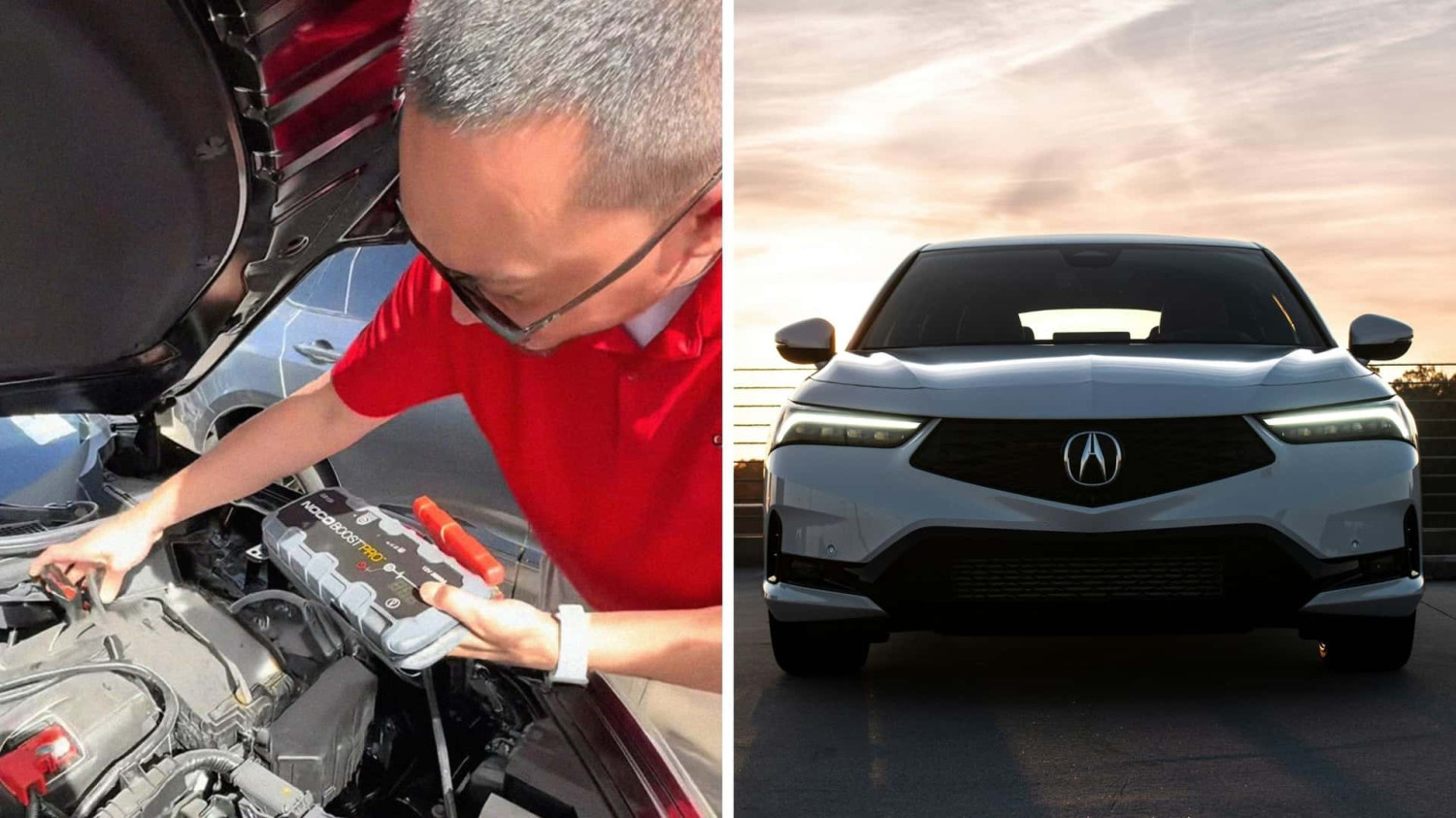
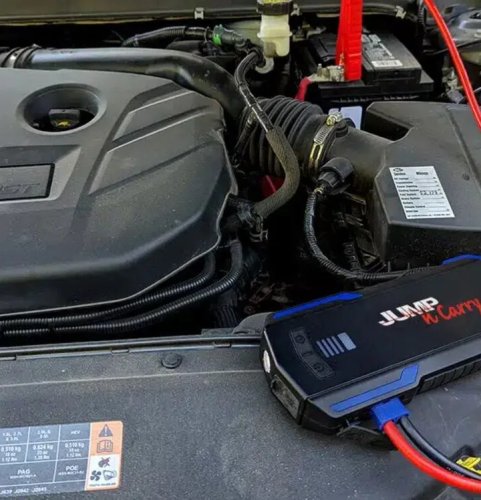
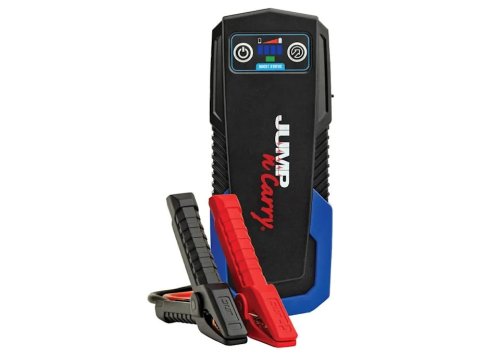
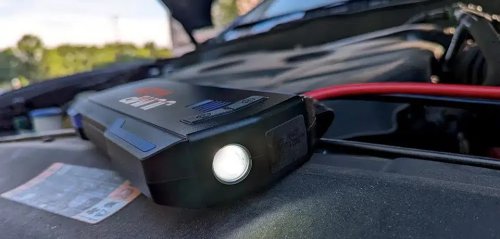
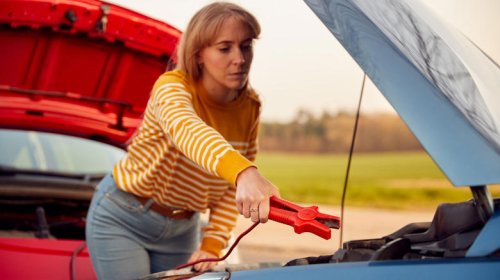
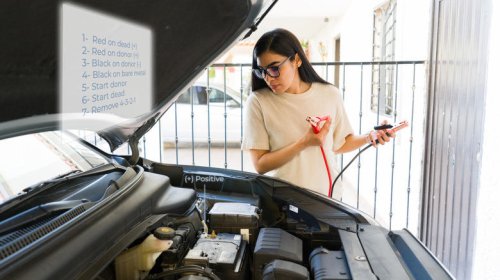
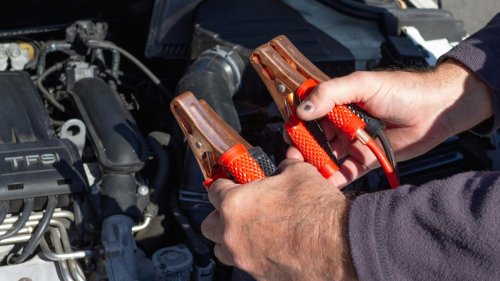
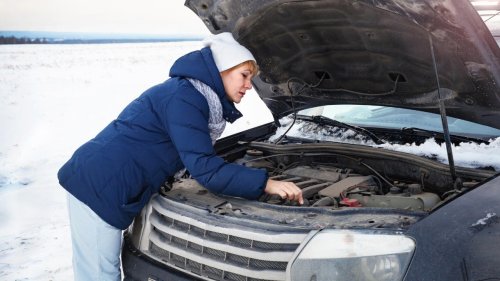
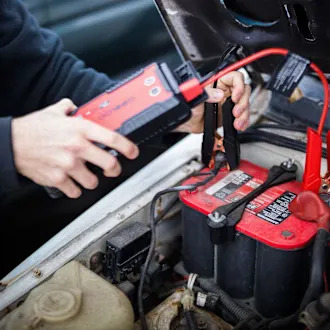
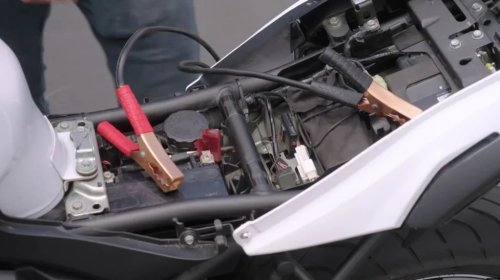
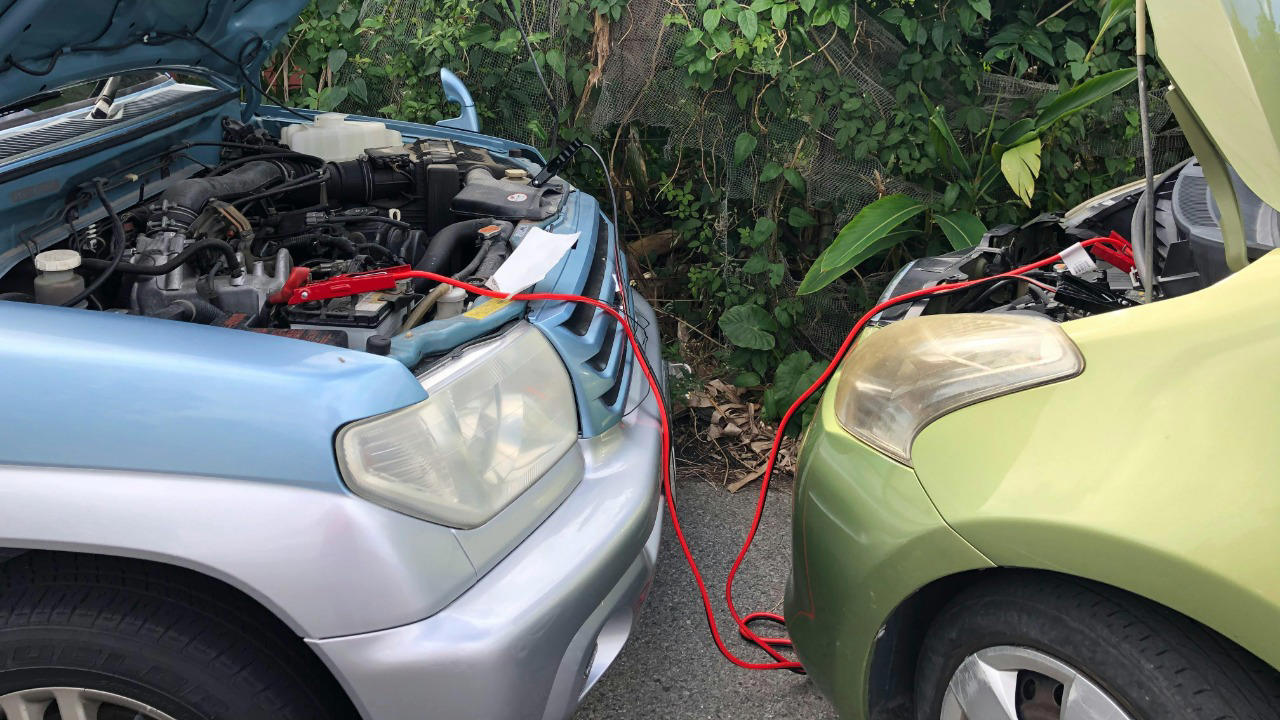
The jump-start mistake mechanics say can destroy modern batteriesIf you’ve ever turned the key (or pushed the button) and got nothing but a sad click, you know the temptation: grab cables, flag down a helpful stranger, and get going. Jump-starting feels simple, almost old-school. But mechanics say there’s one mistake that’s surprisingly common—and it can be brutal on modern batteries and the electronics wrapped around them. The problem isn’t jump-starting itself. It’s jump-starting the “classic” way on cars that aren’t so classic anymore. Today’s vehicles have smarter charging systems, sensitive control modules, and batteries that don’t always behave like the old lead-acid bricks we grew up with. The mistake: “Just hook it up and rev it” Ask a few technicians what they see after a bad jump, and a pattern pops up: people connect the cables, start the donor car, and then rev the engine like they’re trying to summon horsepower. That “rev-and-go” move can spike voltage and current in ways modern battery types and onboard electronics really don’t appreciate. Even if nothing smokes immediately, the damage can be sneaky. A battery might seem fine for a week, then start acting weird—slow cranks, warning lights, or an unexplained dead battery after a short stop. Mechanics often trace it back to a jump that turned into a mini electrical event. Why modern batteries are easier to hurt Lots of newer vehicles use AGM (Absorbent Glass Mat) or EFB (Enhanced Flooded Battery) designs because they handle start-stop systems and higher electrical loads better. They’re tougher in some ways, but they’re also pickier about charging profiles. Hitting them with a sudden surge, or charging them hard right after they’ve been deeply discharged, can accelerate internal damage. Then there’s the car itself. Modern alternators aren’t always “always on” like older ones; they’re computer-controlled and can push higher output depending on demand. Pair that with someone revving the donor car, plus a weak battery acting like a giant electrical sponge, and you’ve got a recipe for stress on both vehicles. What can actually get damaged? First, the battery. A deeply discharged battery can develop sulfation—crystal buildup on the plates—making it harder to recharge properly. A harsh jump followed by heavy charging can worsen the situation, causing overheating, warped plates, or a battery that never really comes back to full strength. Second, electronics. Voltage spikes can upset modules that run everything from power steering to infotainment. The most expensive casualties mechanics mention include blown fuses, damaged alternator diodes, and (in worst cases) control modules that need programming after replacement. Third, the charging system. When a dead battery suddenly starts accepting current, the alternator can be forced to work at maximum output for a long stretch. That heat and strain can shorten alternator life—especially if the “fix” is to immediately drive off and let the alternator “charge it back up” from near-zero. The jump-start approach mechanics like better Good news: you don’t have to treat jump-starting like defusing a bomb. You just need to slow it down and be a little more intentional. The safest play is using a quality jump pack, because it’s designed for controlled output and avoids the two-vehicle tug-of-war. If you’re using another car, connect everything carefully and then pause. Let the donor vehicle idle for a few minutes with the cables connected before trying to start the dead car. That gentle “pre-charge” can reduce the instant shock load that happens when you crank right away. And about that revving: don’t. Keep the donor car at idle. Most of the time, it’s plenty, and it avoids unnecessary voltage swings. A quick, practical checklist (without the stress) Start with the basics: make sure both cars are off, in park (or neutral), and the parking brakes are on. Check the battery area for obvious damage, leaks, or a rotten-egg smell—if you notice that, stop and don’t attempt a jump. Also, verify both vehicles are the same voltage system (almost always 12V in passenger cars). When connecting cables, the key is reducing the chance of sparks near the battery. Connect positive to positive first. Then connect the negative clamp to a solid metal ground point on the dead car (like an engine bracket), not directly to the dead battery’s negative terminal if you can avoid it. Once connected, start the donor car and let it idle a few minutes. Try starting the dead car for a few seconds at a time, with short breaks between attempts. If it doesn’t start after a few tries, forcing it usually isn’t bravery—it’s just heat and wear. The “drive it and it’ll recharge” myth This is the part that surprises people: using the alternator to recharge a very low battery is hard on the alternator, and it often doesn’t fully recharge the battery anyway. Alternators are meant to maintain charge, not act like high-capacity battery chargers. If the battery was deeply drained, a proper charger (especially one with an AGM mode) is the healthier route. If you do get the car running, a longer drive can help, but it’s not guaranteed. A battery that’s been run flat may need hours on a smart charger to recover. And if it’s old, it may never recover fully—no matter how many scenic drives you take. Modern cars add one more twist: battery management systems Many newer vehicles monitor battery health and adjust charging based on temperature, load, and battery condition. Some require a “battery registration” or reset when the battery is replaced, so the car knows what it’s working with. If you jump-start repeatedly or swap battery types without telling the car, you can get weird charging behavior that looks like a mysterious electrical gremlin. This is also why mechanics tend to recommend replacing an AGM with another AGM, not a cheaper flooded battery “that fits.” The car may charge it incorrectly, shortening its life. It’s not snobbery—it’s compatibility. When not to jump-start at all If the battery is visibly swollen, cracked, leaking, or smells strongly of sulfur, don’t jump it. If the car was recently in a collision near the battery area, also skip the cables and get it checked. And if you accidentally connected cables backward, disconnect immediately and inspect fuses—then consider professional help before you keep trying. One more red flag: if the dead car starts but the dash lights flicker wildly, you get a flurry of warning messages, or the engine runs rough, don’t assume it’ll “clear up.” Modern systems can be sensitive to low voltage, and continuing to drive can make a marginal situation worse. Sometimes the smartest move is a tow and a proper diagnostic, even if it feels annoying in the moment. The simple habit that prevents most jump-start drama Mechanics will tell you the easiest win is carrying a decent jump starter and charging it every few months. It’s quicker than waiting for a stranger, safer than cable roulette in the rain, and it avoids stressing another car’s charging system. Plus, it’s one of those tools you feel oddly proud owning—like you’ve leveled up as an adult. Jump-starts aren’t inherently dangerous, but the “hook it up and rev it” habit can be a fast track to a shortened battery life, fried fuses, or a very expensive module. A calmer, slower jump—followed by proper charging—keeps your battery healthier and your car’s electronics happier. And it saves you from that special kind of roadside comedy where the rescue car suddenly needs rescuing, too. More from Fast Lane Only Unboxing the WWII Jeep in a Crate 15 rare Chevys collectors are quietly buying 10 underrated V8s still worth hunting down Police notice this before you even roll window down



















 +65 others