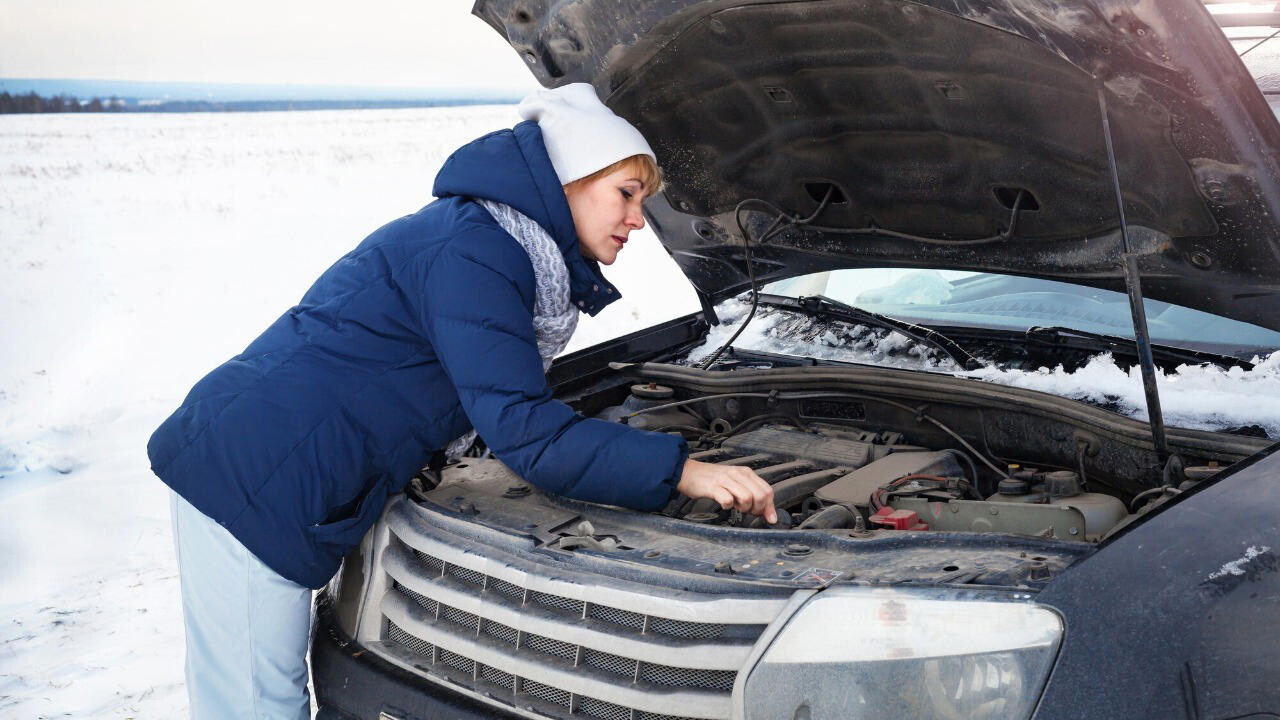
Mechanics say this cold start mistake is quietly damaging enginesYou probably think you’re being kind to your engine on icy mornings, either by hopping in and driving gently right away or by letting it sit and idle while you scrape the windshield. Mechanics say one of those instincts, how you handle the first minute after a cold start, is quietly grinding away at the most expensive parts under your hood. A wrong move during those first few seconds can strip away lubrication, stress metal components, and set you up for breakdowns long after the snow has melted. The cold start mistake that keeps coming up in repair bays is simple: you rev or load a cold engine hard before oil has a chance to circulate, often in the name of saving fuel or time. When temperatures drop, that habit becomes especially punishing, because thick oil, shrunken metal clearances, and moisture all team up against you. The “fuel saving” habit that backfires in cold states In cold states like Michigan and Minnesota, many drivers have been told that the best way to save gas is to start the car and drive off immediately, even if the engine is still ice cold. Mechanics who see the aftermath describe a pattern: you fire up the engine, skip any gentle warm up, and then accelerate briskly onto a main road within a block or two. Reports on cold starts without connect this routine to increased wear on bearings, piston rings, and cylinder walls, especially when winter temperatures sit well below freezing. By doing this, you are effectively asking an engine full of thickened oil to behave as if it were at normal operating temperature. The oil pump needs a few moments to push lubricant into all the tight clearances, and until that film is in place, metal parts rub directly against each other. Jan and other technicians quoted in warnings about this kind of fuel saving trick say repeated cold starts without any gentle warm up quietly destroy engines in cold states, with damage often showing up months later as low compression, oil consumption, or noisy valvetrains. Why a cold engine is so vulnerable in the first minute To understand why that first minute matters, picture what is happening inside the block when you turn the key on a winter morning. The aluminum pistons, steel crankshaft, and various seals and gaskets all contract at different rates when chilled, which means clearances are tighter and friction is higher until everything expands again. Guidance shared in discussions about how to properly explains that these metals move at different rates when heated, so sudden high revs can twist and stress components that are not yet in their designed shape. Cold weather also thickens oil, especially if you use a heavier viscosity than your owner’s manual recommends. Until the oil warms slightly and thins out, it flows more slowly through the galleries that feed the crankshaft and camshafts. Automotive engineers such as Jho Albert, who share advice through platforms like Automotive Engineering World, describe in posts such as Mistake You Make how a cold engine runs richer, washes extra fuel onto cylinder walls, and depends heavily on a stable oil film to protect surfaces until temperatures stabilize. The other big mistake: revving and “hammering” right after start Avoiding the fuel saving myth of driving off aggressively doesn’t mean you’re in the clear. You can still hurt your engine by revving it hard in your driveway. Many drivers like to blip the throttle or “clear it out” after startup, especially with older trucks or performance cars. A detailed breakdown of 8 cold start points out that high revs in the first seconds after ignition dramatically increase pressure on bearings and piston skirts at the exact moment oil pressure is still stabilizing. Independent repair shops that specialize in winter diagnostics describe a similar pattern when they list common cold start. One of the top warnings is “hammering the engine right after startup,” especially with thicker oils that can take a minute or more to reach critical components. When you combine tight clearances, thick oil, and high cylinder pressures from strong acceleration, you create the perfect recipe for microscopic scoring that slowly turns into noisy lifters, bearing knock, or even spun bearings as the miles add up. Idling forever is not the fix either After hearing that high revs are bad, you might be tempted to swing to the other extreme and let your car idle in the driveway for ten or fifteen minutes until the cabin feels toasty. That habit seems gentle, but modern engines with electronic fuel injection and catalytic converters are not designed for long idle warm ups. Technical guidance on cold weather warm explains that extended idling keeps combustion temperatures low, which allows unburned fuel and moisture to slip past piston rings and contaminate the oil with raw gasoline and water vapor. Long idle sessions also waste fuel and increase emissions without doing much to help mechanical parts, because your engine warms up fastest when it is driven gently under light load. Advice aimed at drivers across all fifty states plus the District of Columbia notes that modern vehicles do not need more than a brief idle to stabilize before you roll away, and that prolonged warm ups mostly increase pollution from idling in the. Service departments that compare carbureted engines with current models add that warming up the engine once helped older carburetors balance the air and fuel mixture, but today’s sophisticated car manage that process automatically, so idling for long stretches is mostly a bad habit. The cold start routine that actually protects your engine What you really need is a middle path that respects how your engine is built. That starts before you even turn the key, with oil that is appropriate for your climate and manufacturer specifications. Technical explainers on whether cold weather affects show that multi grade oils like 0W 20 or 5W 30 flow better at low temperatures than heavier blends, which helps them reach critical surfaces faster during a cold start. If your owner’s manual allows a lower winter viscosity, switching to it can be one of the cheapest ways to cut down on startup wear. Once you are ready to start, the ideal routine is simple. Turn the key or push the button, let the engine catch and settle for about thirty seconds while you fasten your seat belt, clear the windows, and check your mirrors, then drive off gently, keeping revs modest for the first few minutes. Organizations that advise drivers in harsh winters echo this pattern when they say drivers should only warm up long enough to clear windows and then drive smoothly, guidance that is repeated in coverage of how AAA Automotive recommends handle extreme cold. If your vehicle has remote start, you can use it for a short warm up, but you still want to avoid long idle periods and hard throttle inputs until the temperature gauge begins to move. More from Fast Lane Only Unboxing the WWII Jeep in a Crate 15 rare Chevys collectors are quietly buying 10 underrated V8s still worth hunting down Police notice this before you even roll window down