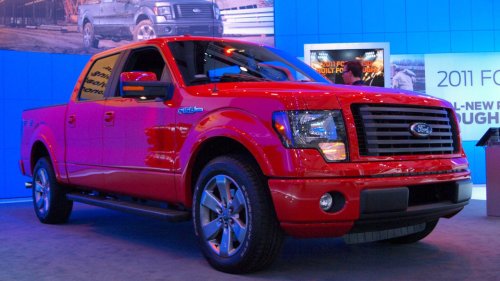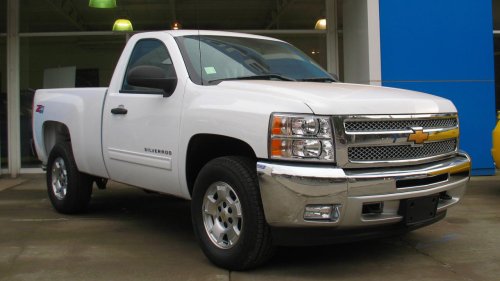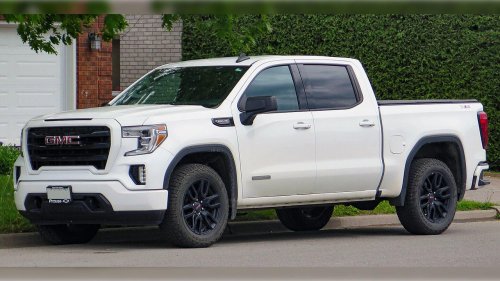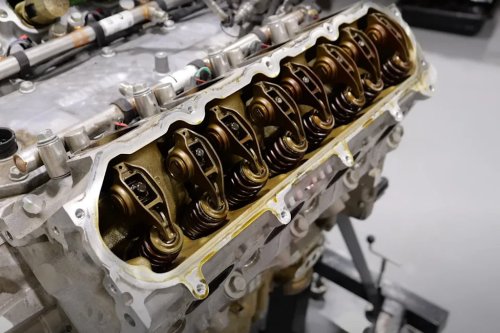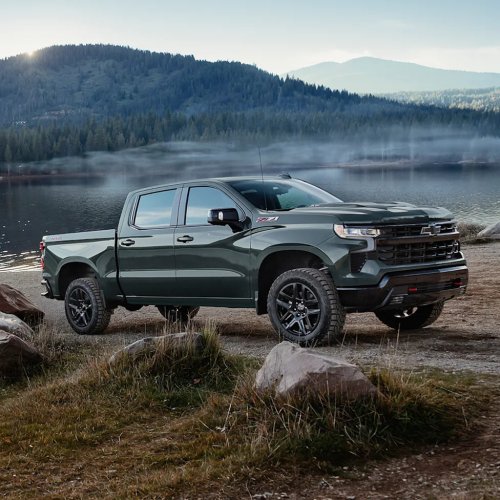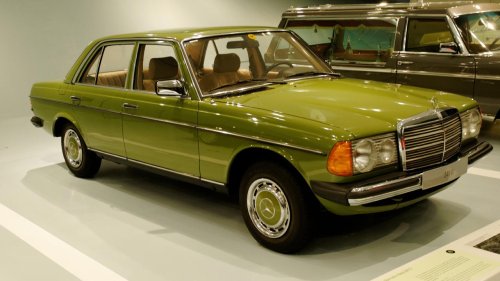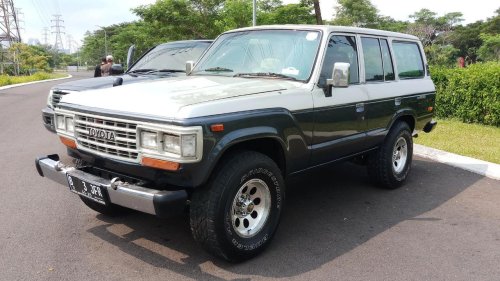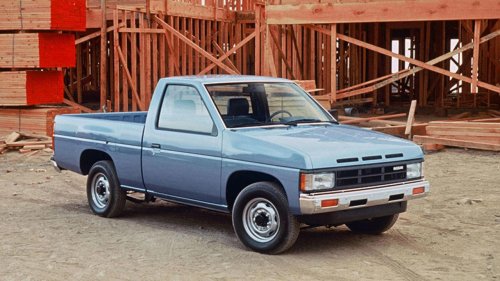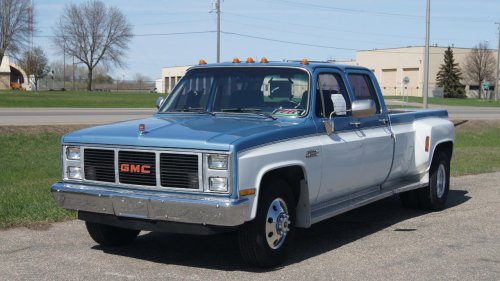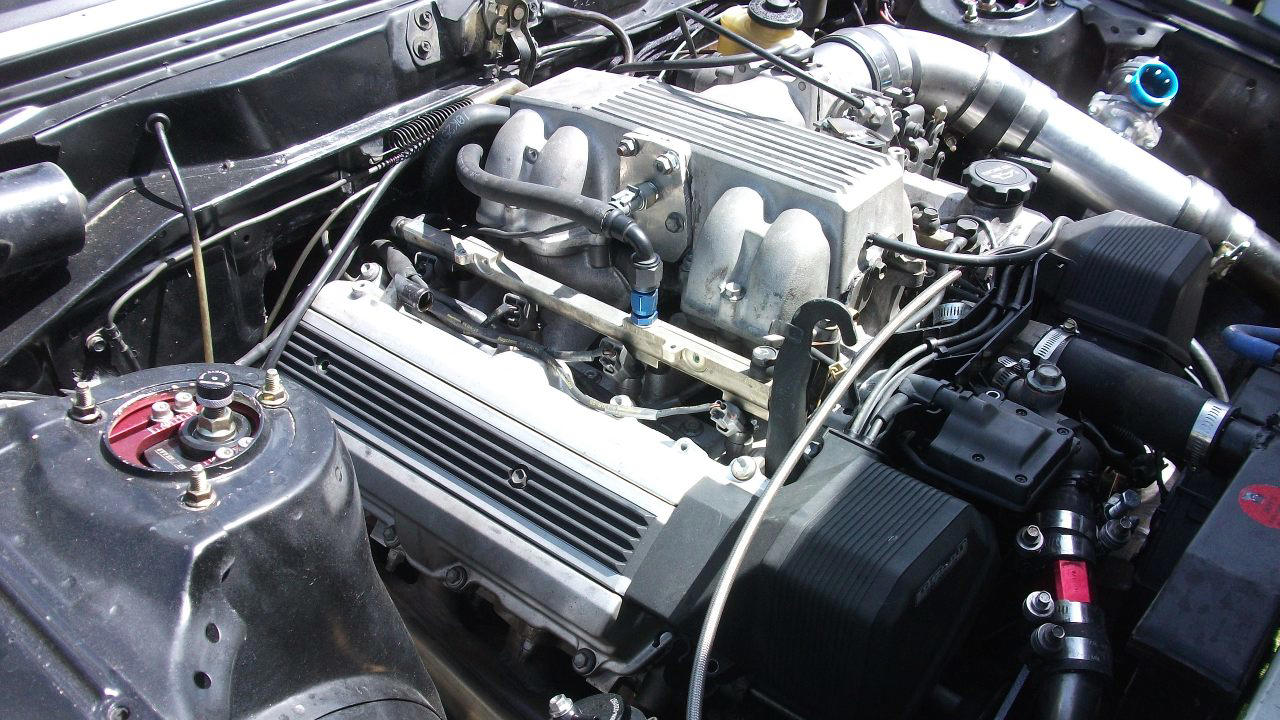



















Some engines earn a reputation not just for power or refinement but for an almost absurd ability to survive neglect, abuse, and high mileage. When mechanics talk about designs that are “nearly unkillable,” they are usually pointing to specific engineering choices that trade flash for durability, and to real-world fleets that have quietly racked up hundreds of thousands of miles. From overbuilt cast-iron blocks to low-stress turbo diesels, a handful of layouts and model families keep surfacing in shop stories and reliability data. I will walk through the core designs that working technicians consistently single out, then connect those anecdotes to documented examples of engines that keep running long after the rest of the vehicle has aged out. Why some engines refuse to die Engines that seem to run forever usually share a few traits: conservative power output for their size, robust materials, and simple ancillary systems that do not depend on fragile electronics. Mechanics often point out that when an engine is designed to operate well below its maximum stress level, it can tolerate poor maintenance and still avoid catastrophic failure. That is why naturally aspirated inline-fours and straight-sixes with modest compression ratios show up again and again in high-mileage stories, even when they lack the headline horsepower of newer turbocharged units. Real-world examples back up that pattern. High-mileage databases and owner reports highlight engines like Toyota’s 1ZZ-FE and 2AZ-FE four-cylinders in Corolla and Camry models that routinely cross 300,000 miles with only routine service, as well as older straight-six units in vehicles such as the Toyota 1FZ-FE used in Land Cruiser models that are still running in harsh conditions after decades of use, according to manufacturer data and long-term owner documentation. Similar longevity appears in commercial fleets that rely on low-specific-output diesels, where engines are deliberately tuned for durability rather than peak output, a strategy reflected in published specifications for long-running models like the Mercedes-Benz OM617 and OM606 inline-fives and sixes in European taxis and light trucks, as summarized in archived technical materials. Cast-iron legends: Toyota, Honda and the old-school inline-four Among mechanics, older Japanese inline-fours with cast-iron blocks and relatively simple valvetrains are often the first engines mentioned when the topic turns to longevity. Designs such as the Toyota 22R and 22RE, used in pickup and 4Runner models, are frequently cited for surviving severe off-road use and neglected oil changes without spinning bearings or cracking heads, thanks to thick cylinder walls and non-interference timing setups that are more forgiving of belt failures. Honda’s D-series and B-series engines from Civic and Integra models built through the 1990s and early 2000s have a similar reputation, combining tight manufacturing tolerances with straightforward port fuel injection that is easier to diagnose and repair than later direct-injection systems. Evidence from long-term ownership reports and auction listings shows these engines still in service with odometer readings well beyond 250,000 miles, often in vehicles that have rusted or worn out around them. Documentation of Toyota’s 22R/22RE production run and its use in global markets, including regions with limited access to high-quality fuel and lubricants, underscores how the design was engineered for durability first, as reflected in Toyota’s historical records. Honda’s own technical literature on the D15 and B18 series highlights conservative compression ratios and robust bottom-end construction, which align with independent teardown analyses that show minimal wear on crank journals and cylinder bores even after high mileage, as reported in enthusiast technical forums that document engine rebuilds with detailed measurements. Unstressed straight-sixes and the million-mile diesel myth Straight-six engines occupy a special place in mechanic lore because their inherent balance reduces vibration and bearing loads, which can translate into longer life when combined with conservative tuning. Classic examples include the Toyota 1FZ-FE and 2F engines in Land Cruiser models, as well as the BMW M50 and M52 families that powered 3 Series and 5 Series sedans through the 1990s. These engines are often described as “overbuilt,” with forged crankshafts, generous oiling passages, and cooling systems designed for sustained high-speed operation, features that help explain why they continue to appear in high-mileage classifieds and off-road builds. On the diesel side, the idea of a “million-mile” engine is not just marketing. Commercial operators have documented Mercedes-Benz OM617 and OM606 engines surpassing 500,000 miles in taxi service, with some units reportedly approaching or exceeding 1,000,000 miles before major overhauls, according to company case studies and fleet maintenance records. Similar durability is reported for the Cummins 6BT 5.9-liter inline-six used in Ram pickups and medium-duty trucks, where teardown inspections after hundreds of thousands of miles show limited wear on cylinder walls and rotating assemblies, as detailed in Cummins technical documentation. These engines achieve that longevity by operating at relatively low specific output, using heavy-duty internals, and relying on mechanical fuel injection systems that are less sensitive to fuel quality than modern high-pressure common-rail setups. Bulletproof V8s: American trucks and Lexus luxury Toyota’s 1UZ-FE When it comes to V8s, mechanics often separate high-strung performance engines from the low-revving workhorses that seem to last forever. In North America, the General Motors small-block family, particularly the 5.3-liter and 6.0-liter variants used in Chevrolet Silverado and GMC Sierra trucks, is frequently cited as a durable design thanks to its simple overhead-valve layout, iron block construction in many applications, and widespread parts availability. Ford’s modular V8s, such as the 4.6-liter and 5.4-liter units used in F-150 and Crown Victoria models, have also built a reputation for surviving severe duty cycles in police and fleet service, provided known issues like timing chain tensioners are addressed proactively. On the luxury side, Toyota’s 1UZ-FE and 3UZ-FE V8s, which powered Lexus LS and GS sedans, are often described by technicians as some of the most durable gasoline engines ever put into a passenger car. These all-aluminum, quad-cam V8s were engineered for smoothness and quiet operation, but they also feature robust bottom ends and conservative tuning that allow them to accumulate very high mileage with minimal internal wear. Long-term ownership reports and export market data show Lexus LS400 and LS430 sedans with original engines still in service at 300,000 miles and beyond, a pattern supported by documented high-mileage case studies and teardown analyses that reveal clean internals and intact crosshatching on cylinder walls. In both the truck and luxury segments, the common thread is a focus on low-stress operation and high-quality materials rather than chasing maximum output per liter. Modern reliability heroes: hybrids and conservative turbos While many of the most celebrated “unkillable” engines come from the 1980s and 1990s, some modern designs are quietly building similar reputations. Toyota’s hybrid powertrains, particularly the 1NZ-FXE and 2ZR-FXE engines used in Prius and other hybrid models, are engineered to run in a narrow, efficient operating range, with the electric motor handling peak load and the gasoline engine avoiding high-stress conditions. Fleet data from taxi services that adopted Prius models early shows these engines routinely surpassing 300,000 miles with original internal components, a trend supported by Toyota’s hybrid durability claims and independent reports from high-mileage owners who have documented only minor issues such as water pump or inverter replacements. Conservative turbocharged engines are also emerging as long-lived designs when they avoid extreme boost pressures and complex multi-turbo layouts. Examples include the Ford 2.0-liter EcoBoost in certain Escape and Fusion models and the Volkswagen 1.8 TSI in later Passat and Golf variants, which, when maintained with proper oil change intervals and updated timing components, have shown the ability to accumulate high mileage without major internal failures, according to service campaign records and owner maintenance logs. Mechanics note that these engines benefit from modern metallurgy and precise engine management, but their longevity still depends heavily on cooling system health and adherence to manufacturer oil specifications, a point reinforced in engineering analyses that link lubricant quality and turbocharger life. What mechanics actually recommend if you want an “unkillable” engine When I talk to technicians about engines that seem to last forever, they rarely focus on a single magic model. Instead, they emphasize patterns: naturally aspirated or lightly boosted designs, generous oil capacity, and timing systems that are either chain-driven or use non-interference layouts that avoid catastrophic damage if a belt fails. They also point to vehicles with strong aftermarket support and easy access to parts, because even the toughest engine can be sidelined if a critical component is unavailable or prohibitively expensive. In practice, that often leads them to recommend older Japanese four-cylinders, straight-six diesels from brands like Mercedes-Benz and Cummins, and proven V8s from Toyota, General Motors, and Ford for buyers who prioritize longevity over cutting-edge technology. Documented high-mileage examples support that advice. Case studies of Toyota Land Cruiser fleets in humanitarian and mining operations, cited in corporate field reports, show vehicles with original engines still operating reliably in extreme climates after years of service. Similarly, records of New York City taxi fleets that ran Ford Crown Victoria sedans with modular V8s, and European taxi services that relied on Mercedes-Benz diesel sedans, demonstrate how these engines can withstand continuous stop-and-go use when maintained on schedule, as reflected in fleet mileage data and manufacturer durability testing summaries. For drivers choosing a used vehicle today, those histories offer a practical roadmap: look for engines with a track record in commercial or fleet service, prioritize simple and well-documented designs, and remember that even the most “unkillable” engine still depends on clean oil and cooling system care to live up to its reputation. More from Fast Lane Only: Unboxing the WWII Jeep in a Crate The Fastest Farm Truck Ever Built 10 Old Trucks That Were Built Like Tanks 12 Classic muscle cars still within reach for budget buyers *Created with AI assistance and editor review.