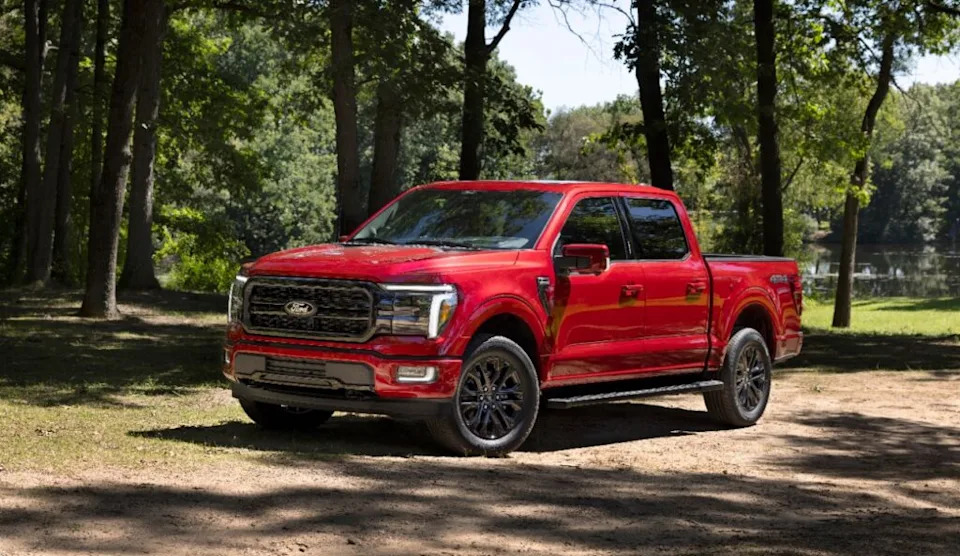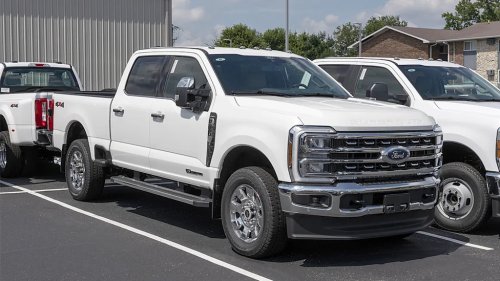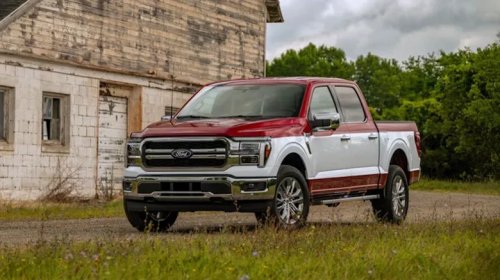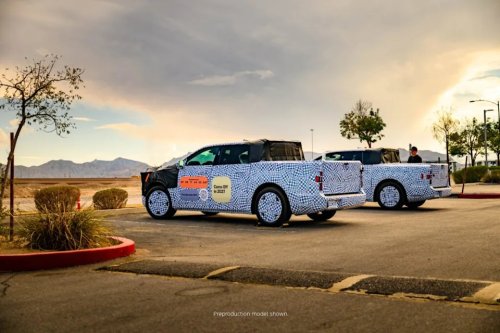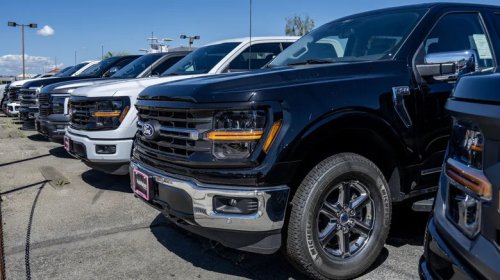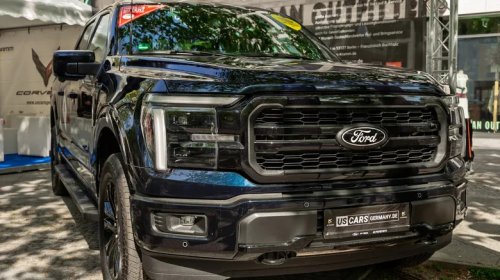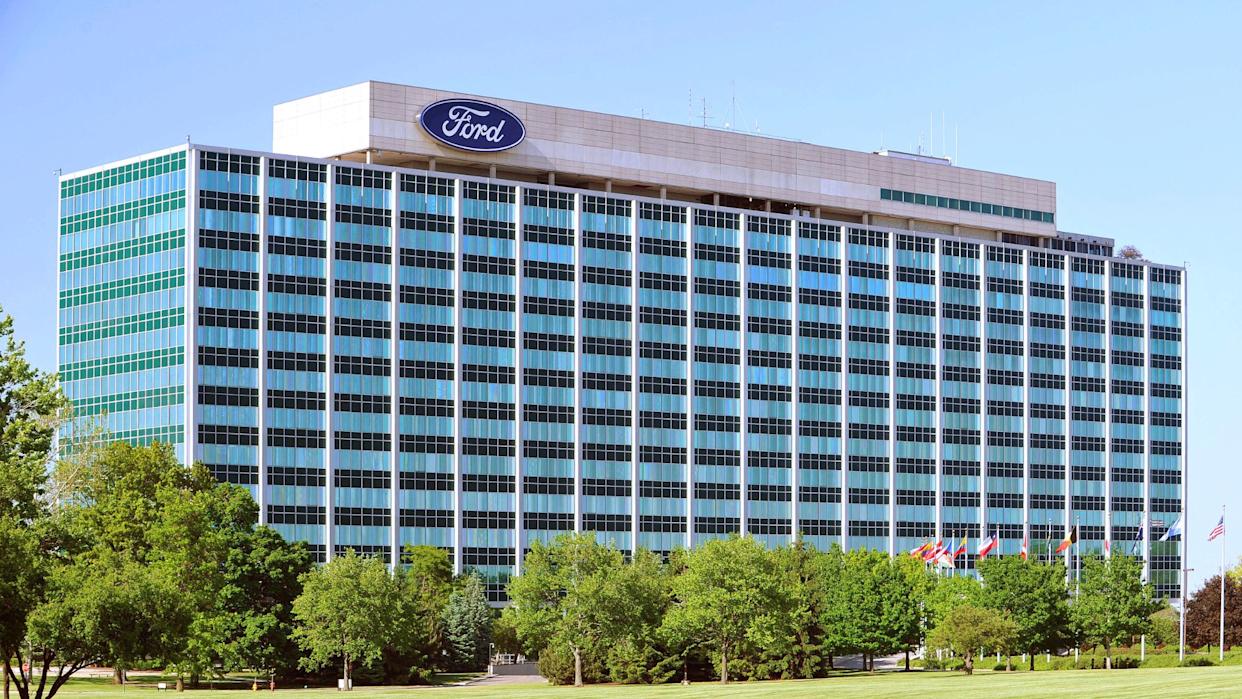



















Ford’s Recall Disaster Keeps Getting Worse as Nearly 10 Million Vehicles Are Already Hit in 2026Ford Motor Company shattered recall records last year, and somehow the situation is already threatening to spiral again in 2026. The automaker issued more recalls in 2025 than any manufacturer in automotive history, blowing past General Motors’ previous record with 153 separate recalls tied to nearly 13 million vehicles. Now, only months into 2026, Ford has already recalled more than 9.8 million vehicles across 34 campaigns, plus another recall involving 2,633 engine block heaters.More Stories Like ThisTeen Shot at Massachusetts Car Meet as Burning Stolen Car Full of Bullet Holes Sends Crowd RunningHellcat Murder Case Takes Dramatic Turn After Suspect Rejects Plea Deal in Deadly AirTag Tracking ConfrontationThat number alone should set off alarms across the industry. And here’s the part that matters: Ford may not match last year’s raw recall count, but the number of vehicles affected could still end up even higher. That’s a brutal position for one of America’s biggest automakers, especially when its most important products are now at the center of the problem.The largest recall so far this year affects 4.4 million trucks, including the F-Series lineup that has long served as Ford’s financial backbone. This is not some niche low-volume model buried deep in the company’s catalog. These are the trucks that dominate job sites, tow trailers across the country, and generate enormous profits for the Blue Oval.AdvertisementAdvertisementThe issue centers on a software problem that could disable the brakes and indicators on a connected trailer. That immediately turns a routine towing situation into a serious safety concern. Drivers depending on trailer braking assistance or functioning trailer lights could suddenly find themselves dealing with a dangerous failure without warning.For truck owners, this hits a nerve fast. Towing already demands extra attention, especially with larger trailers, equipment haulers, or campers attached behind a pickup. If trailer brakes stop functioning properly or indicator lights fail during traffic, the risk of a crash climbs quickly. That’s not a minor inconvenience. It’s the kind of problem that can create real consequences on highways and crowded roads.Related IncidentsClassic Car Buyers Lose Thousands After Scammers Hijack Real Auto Shops in Multi-State Fraud SchemeStellantis’ Stunning Comeback: Hemi V8 Demand Helps Reverse $26 Billion Collapse as Massive Cost Cuts BeginThe Real Story Behind a 1966 Mustang Running Tesla Full Self-Driving and Why It’s Exposing a Major Industry StandoffFord says the issue will be fixed through an over-the-air software update. That detail matters because it shows how modern vehicles are becoming increasingly dependent on software systems for even basic towing functionality. Years ago, trailer lighting and brake systems were largely mechanical or isolated electrical setups. Today, software controls more of the vehicle experience than many drivers probably realize.And that’s where things get complicated.AdvertisementAdvertisementOver-the-air updates sound convenient on paper. Automakers love them because they reduce dealer visits, cut warranty costs, and allow fixes to happen remotely. But when millions of trucks need software corrections tied to core safety functions, it raises uncomfortable questions about how much complexity has been added to modern vehicles in the first place.Ford is hardly alone in chasing software-heavy vehicle architecture, but the company’s recall numbers are becoming impossible to ignore. At some point, volume itself becomes part of the story. When one automaker repeatedly leads the industry in recalls by massive margins, consumers start wondering whether deeper quality control problems exist behind the scenes.That concern becomes even bigger when the affected vehicles are trucks. Ford’s F-Series lineup is not just another product family. These trucks are central to the brand’s identity and profitability. Contractors, ranchers, fleet operators, and everyday truck buyers depend on them daily. Many owners use these vehicles for work, towing, hauling, and long-distance driving where reliability is not optional.This is where the story turns.AdvertisementAdvertisementFord’s recall crisis is no longer just about isolated defects. The scale itself is becoming a reputational problem. Last year’s 153 recalls already created headlines that no automaker wants attached to its name. Surpassing General Motors’ previous record by more than double turned the situation into an industry-wide embarrassment. Now 2026 is already off to another rough start.Even if many recalls involve software fixes rather than catastrophic hardware failures, the constant stream of notices chips away at consumer confidence. Drivers buying a new truck do not want to feel like unpaid beta testers waiting for the next update to solve another problem. That frustration grows when the affected systems involve safety equipment tied directly to towing and braking.The financial stakes are massive too. Recalls cost automakers enormous amounts of money through repairs, warranty claims, dealer reimbursements, administrative costs, and regulatory oversight. Over-the-air updates may reduce some repair expenses, but the broader damage to brand trust is much harder to calculate.You Should Read This NextCalifornia Just Wrote 11,000 Speeding Tickets in One Day, and 200 Drivers Could Lose Their Licenses ImmediatelyEdmunds Lost Nearly $50,000 on a Dodge Charger EV in Under a Year and That’s a Brutal Warning SignFord also faces pressure from investors and dealers who do not want recall headlines dominating public perception year after year. Dealers especially end up absorbing part of the customer frustration when owners flood service departments with concerns about vehicle reliability.AdvertisementAdvertisementMeanwhile, competitors are watching closely. The truck market is fiercely competitive, and loyalty matters more here than in almost any other automotive segment. Buyers who feel burned by repeated recalls may start looking at alternatives the next time they shop for a pickup. That’s a dangerous scenario for a company whose truck lineup plays such an enormous role in overall sales performance.There is also a larger industry issue developing underneath all of this. Vehicles are becoming increasingly software-driven, and automakers are rushing to add more connected systems, digital controls, and remote update capability. The promise is convenience and innovation. The downside is that software bugs can suddenly impact millions of vehicles at once.That reality changes the scale of modern recalls dramatically. A single coding problem can now affect millions of trucks simultaneously instead of a smaller batch tied to a physical parts defect. Ford’s current trailer-brake issue is a perfect example of how software failures can ripple across an enormous vehicle population almost instantly.For drivers and enthusiasts, this situation cuts directly against what many people want from trucks in the first place. Truck buyers tend to value durability, dependability, and straightforward capability. They want vehicles that work every day without drama. When recalls start piling up year after year, especially involving critical functions, it creates a disconnect between that expectation and reality.AdvertisementAdvertisementFord still has time to prevent 2026 from becoming another historic recall year. But with nearly 10 million vehicles already affected only months into the year, the company is once again facing uncomfortable scrutiny. And if the industry’s growing dependence on software keeps producing problems at this scale, drivers may start questioning whether modern vehicles are becoming too complicated for their own good.Continue Reading: The Real Story Behind the $70K Honda S2000 With 835 Miles and Why This Auction Is Shaking the Collector Car MarketJoin our Newsletter, follow our Instagram page, and connect with us on Facebook.