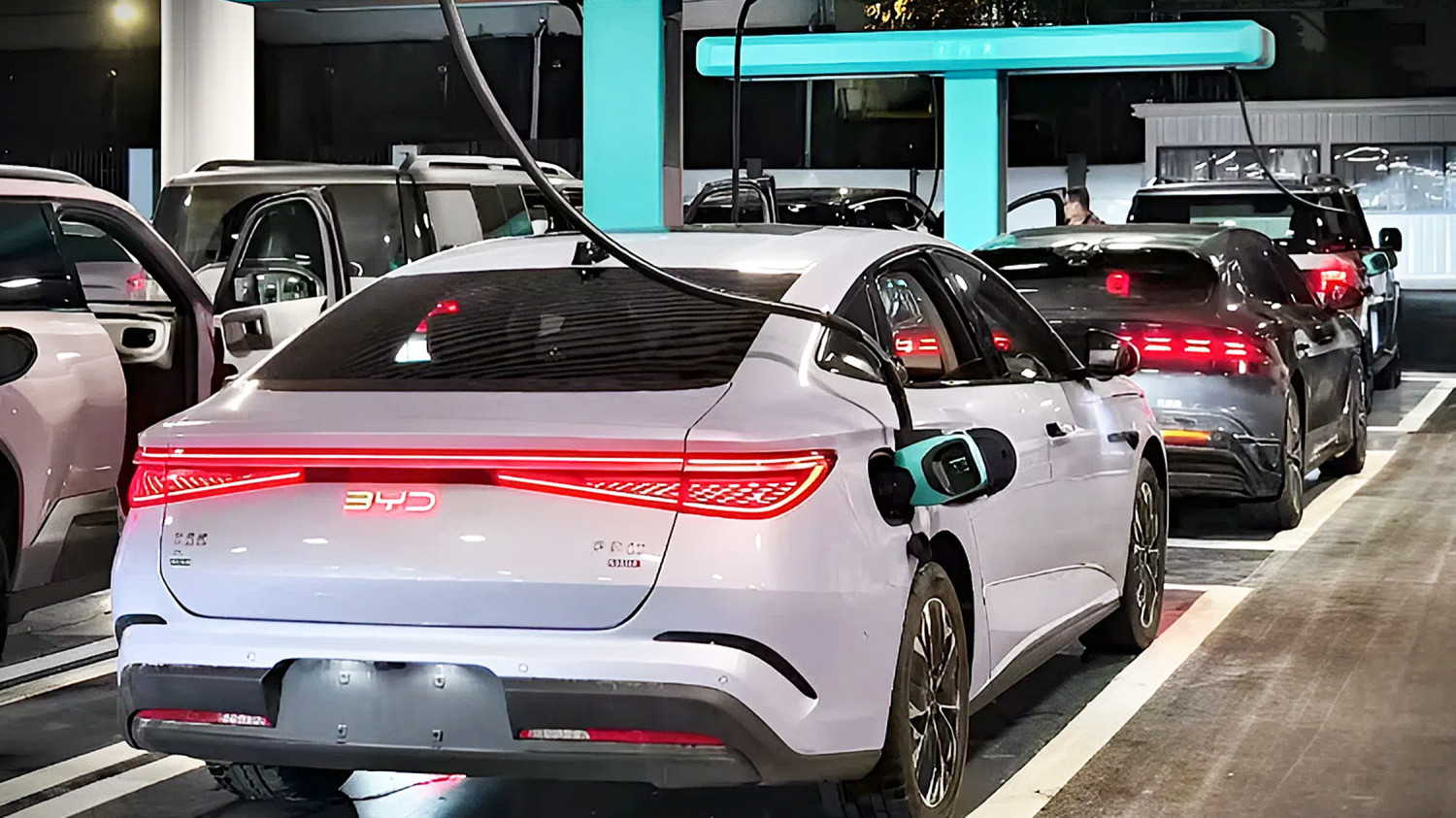
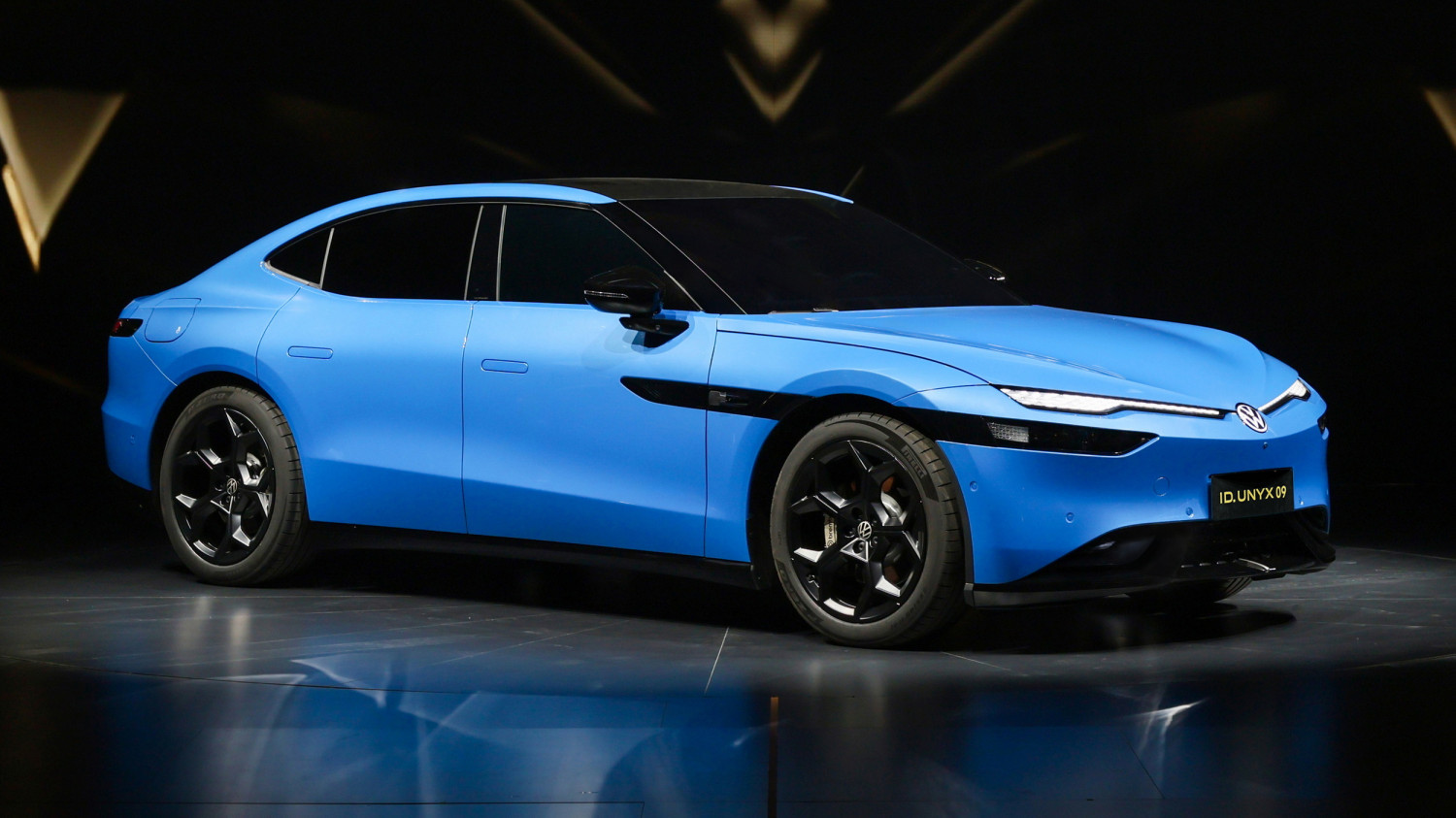
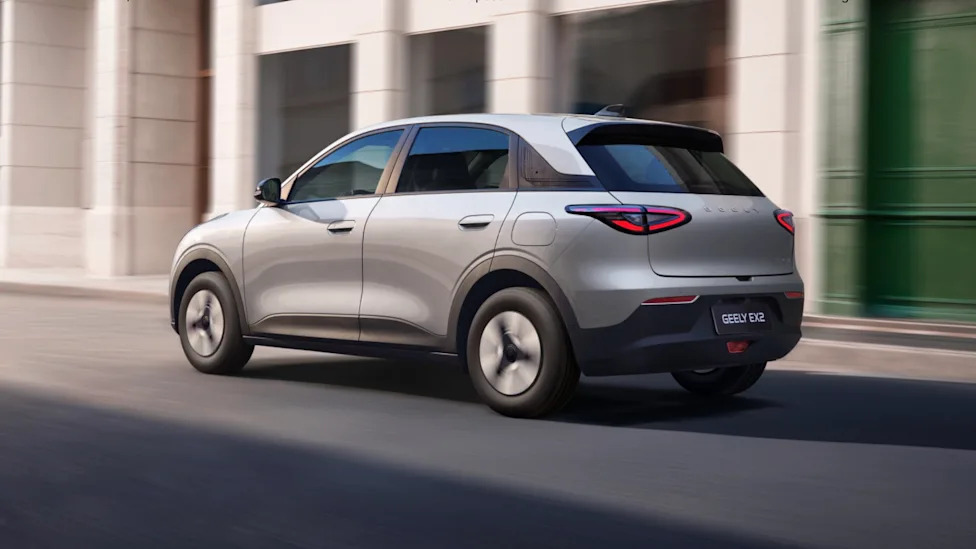
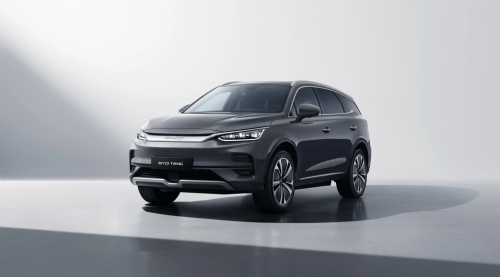
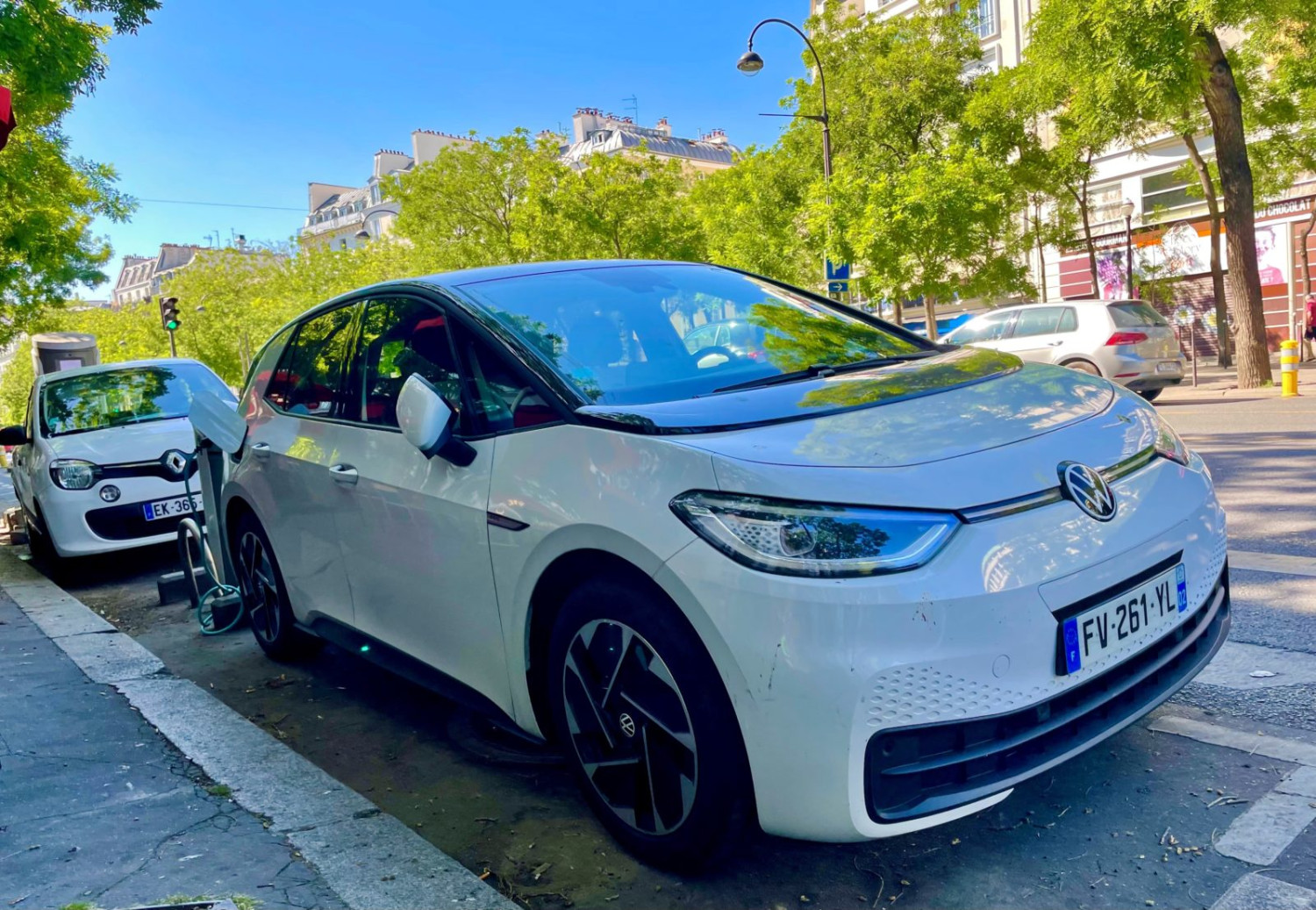
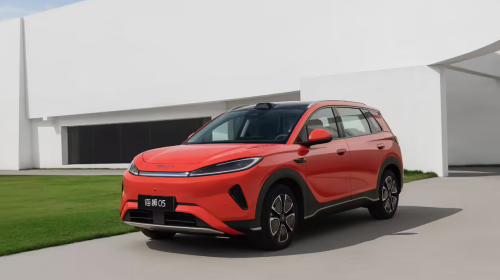
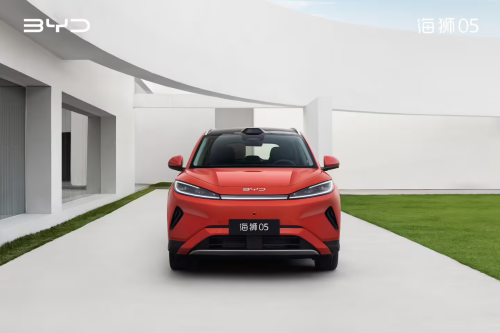
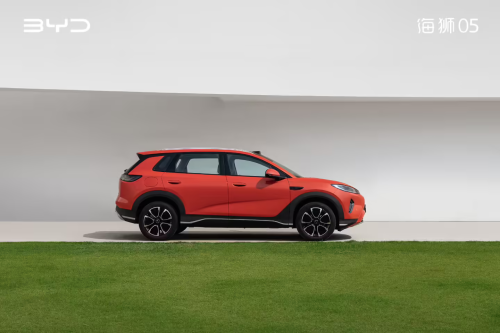
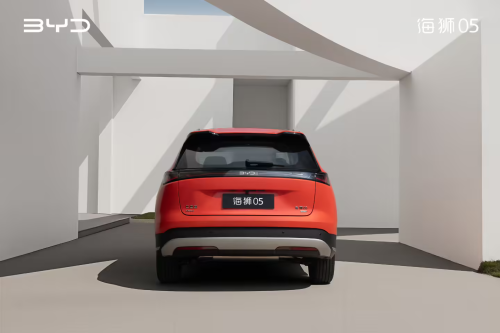
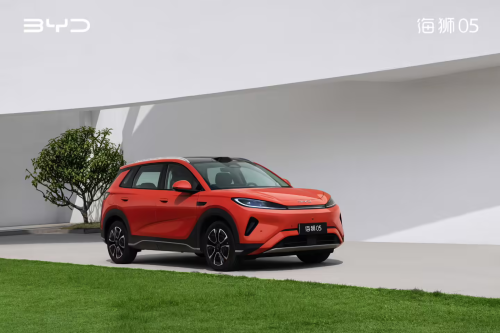
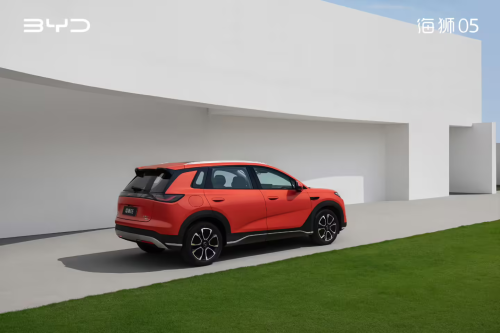
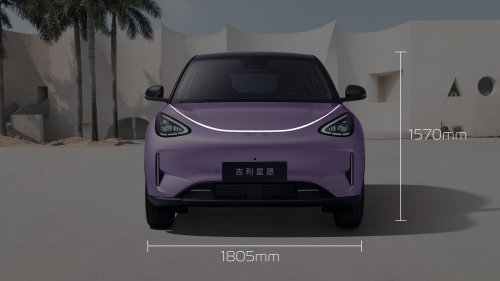
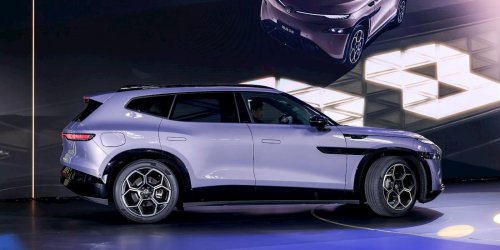
Around 1.2 million EVs were registered across China in Q1 overall. Just 19,200 of those came from VW, Audi, BMW, Mercedes, and Porsche. Some German automakers are partnering locally in China to reduce costs. The meteoric rise of electric vehicles from China has dominated the headlines in recent years, but cracks are starting to show in the local market. Through the first quarter of the year, registrations of new EVs have dropped by nearly 20 percent, leaving some manufacturers facing the prospect of idle capacity. Sales data shows EV registrations fell to 1.2 million units in China in the first quarter, largely due to the expiration of a tax rebate on new purchases. The entry-level segment took the brunt of it, where subsidies had previously covered up to a third of the purchase price. Subsidy Pullback Bites Demand Things look particularly uncomfortable for BYD, with sales down by almost 40 percent. The company responded by pushing exports, shipping more than 300,000 vehicles in the first quarter, over 100,000 more than in Q1 2025. It helps, though not nearly enough. Domestic losses still outweigh overseas gains by a wide margin. Geely, meanwhile, almost doubled exports to 147,300 units. Read: A Chinese Brand Most Americans Can’t Name Wants To Outsell Ford By 2030 As reported by Handelsblatt, a decline in local EV sales may lead BYD to underutilize its production capacity, which has grown significantly in recent years on the expectation that sales would continue to surge. German Brands Fail To Convince Shoppers VW ID. Unyx 09 Of course, it’s not just Chinese brands like BYD that are feeling the pinch. The removal of tax rebates on EVs has also cut into the share held by Volkswagen, Audi, BMW, Mercedes-Benz, and Porsche, now down to just 1.6 percent. That is the lowest on record, with only 19,200 new EVs from these brands registered between January and March, a 55 percent drop year over year. Volkswagen’s EV sales alone fell by more than 72 percent, while BMW dropped nearly 65 percent and Mercedes-Benz slipped by around 14 percent. German brands are now tightening ties with Chinese automakers in an effort to steady the numbers. Audi, for instance, launched its China-only AUDI brand with SAIC last year and is already preparing a third all-electric model. Volkswagen has teamed up with Xpeng and recently unveiled the ID. Aura T6 and ID. Unyx 09 at the Beijing Auto Show. Developing these cars locally has cut costs by at least 40 percent, a figure that explains much of the strategy. Mercedes-Benz and BMW are going about things a little differently. Mercedes will sell its all-electric GLC EQ and the new electric C-Class in China, but has partnered with a local company to produce models exclusively for the country. Similarly, BMW has gone it alone with the new iX3 and i3, both of which will be sold in China in long-wheelbase form. Even so, expectations remain low. Some analysts see little chance of a quick recovery, with Bank of America’s Horst Schneider telling Handelsblatt that a near-term rebound in sales is “almost impossible.”