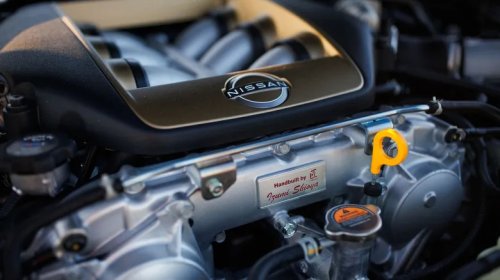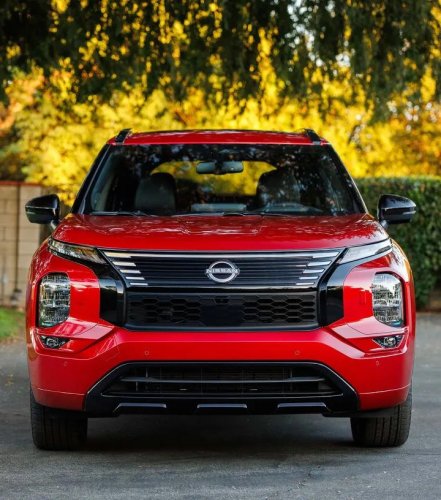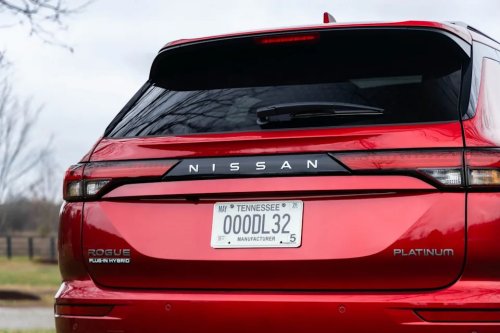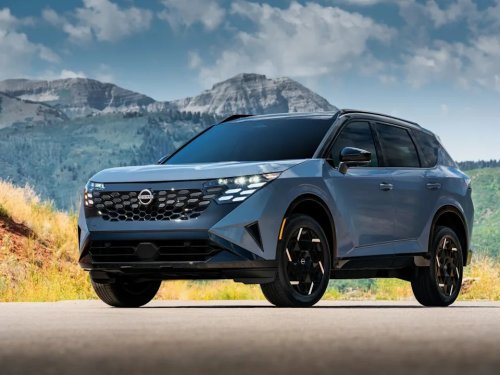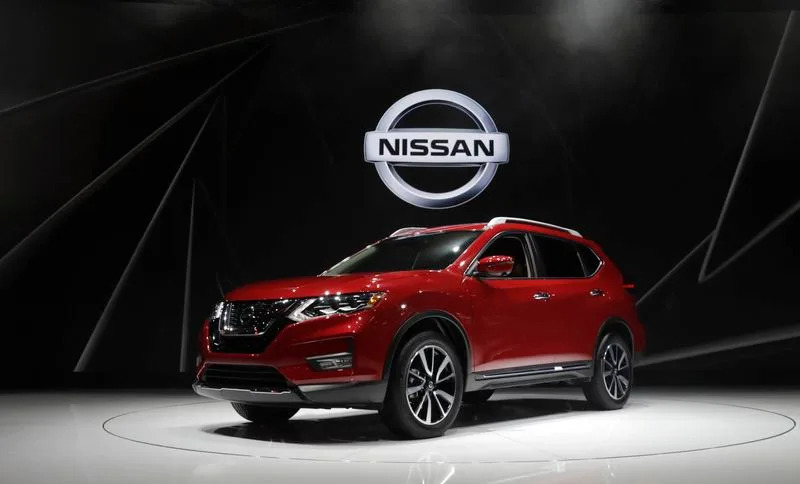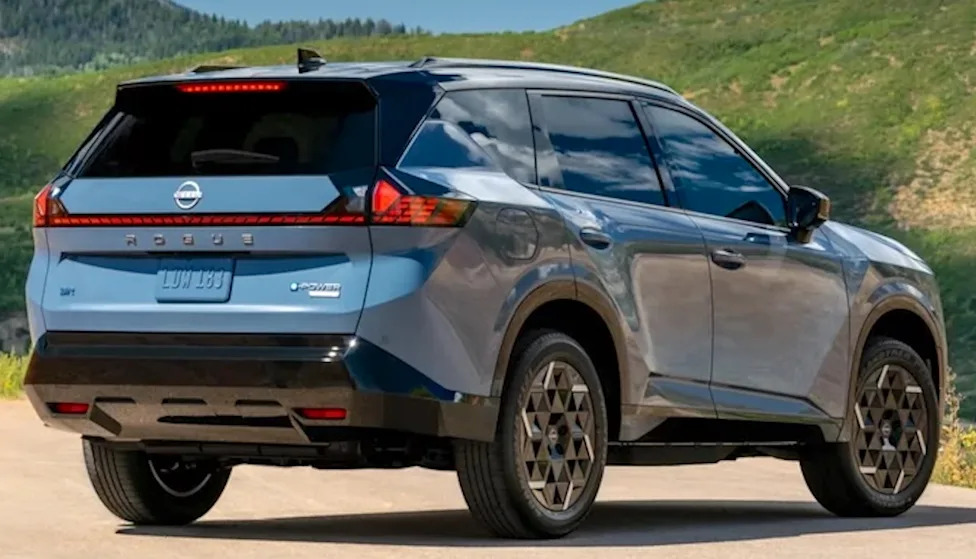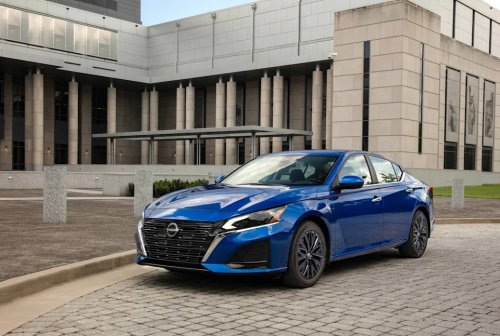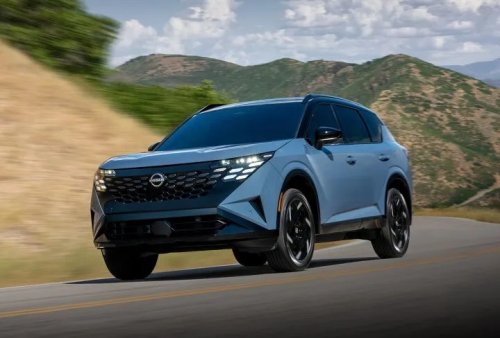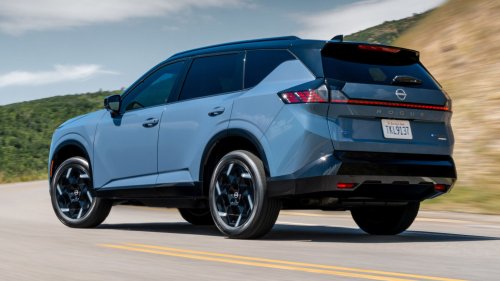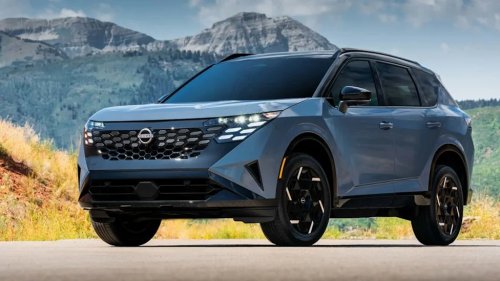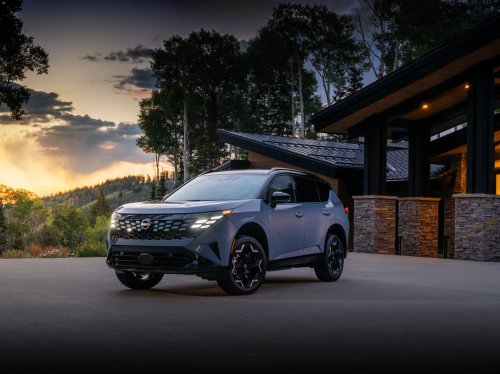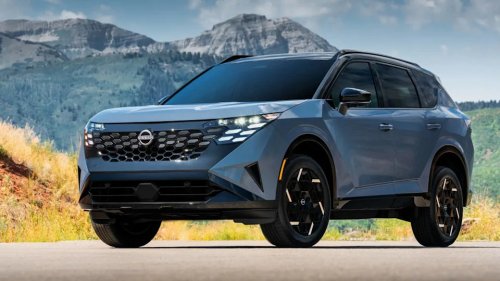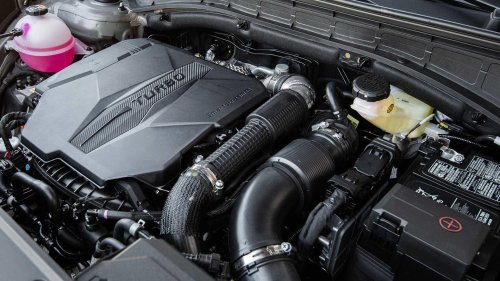
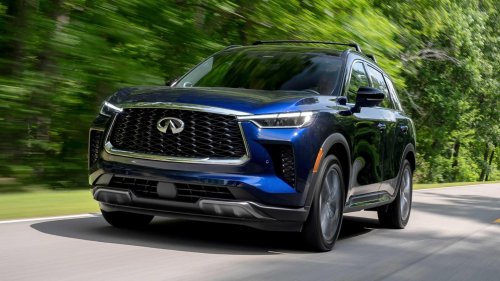
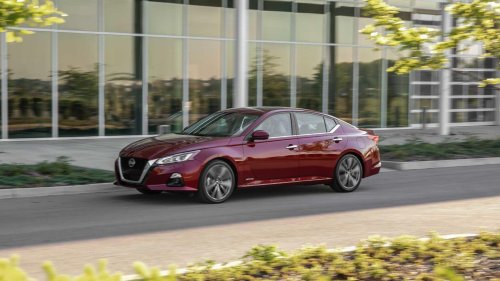
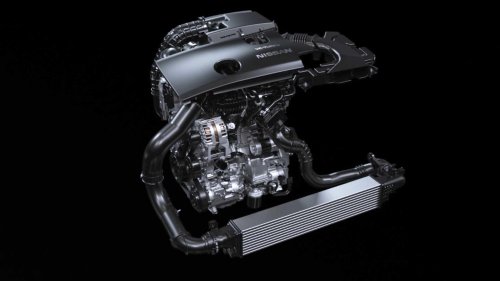
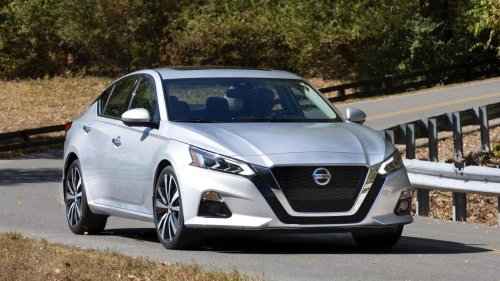
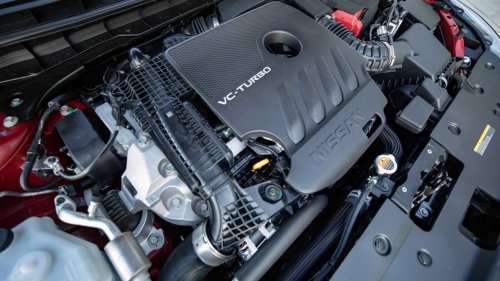
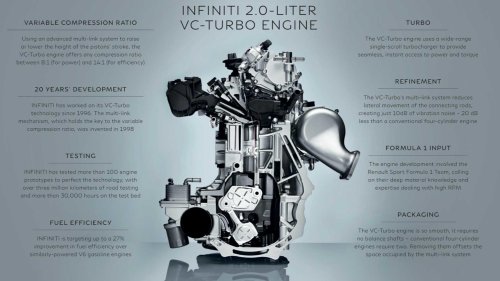
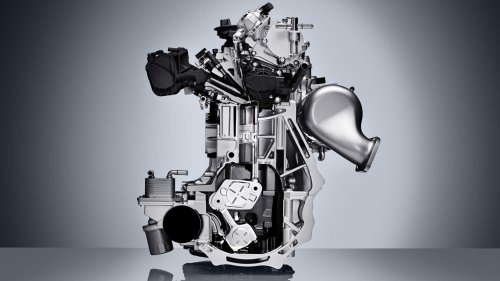
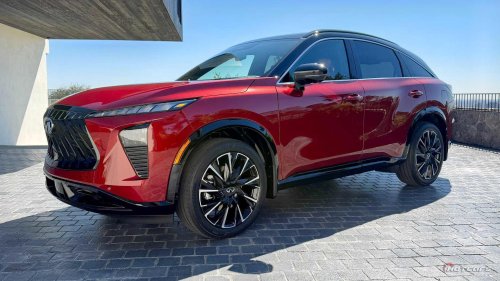



















For more than two decades, Nissan chased an idea most automakers wouldn’t touch. Build one engine that could do everything. Replace the smoothness of a V6, match the efficiency of a small turbo four, and adapt in real time depending on how you drove it. It wasn’t a software solution or a minor tweak to an existing platform; it required rethinking how an engine physically worked.It sounded like the kind of breakthrough the industry had been chasing for years. Something that could bridge the gap between performance and efficiency without forcing buyers to choose one over the other. Nissan committed to it, built it, and put it into production. Fast forward a few years, and that same engine is tied to more than 767,000 recalled vehicles. What started as one of the most ambitious internal-combustion projects of the modern era has become much harder to ignore. Why Automakers Started Chasing Complexity Instead Of Displacement HyundaiBy the early 2000s, the direction was already clear: bigger engines were on the way out. Emissions standards were tightening, fuel economy targets were getting more aggressive, and manufacturers needed to find ways to do more with less. No big deal, right? The solution most brands landed on was downsizing. Smaller engines, boosted harder. Turbocharged four-cylinders quickly became the default answer. They delivered strong peak numbers and helped meet regulatory targets, but they weren’t perfect. Under real-world conditions, they often ran hotter, worked harder, and didn’t always deliver the same smoothness or long-term durability as the engines they replaced.InfinitiThat trade-off created a gap because drivers still wanted performance that felt effortless, not something that relied on boost spikes and constant load. At the same time, manufacturers couldn’t go back to larger displacement without missing efficiency targets. Nissan saw that gap and decided to solve it with engineering instead of compromise. The goal wasn’t to build a better turbo four, it was to build an engine that could behave like multiple engines depending on the situation. The Idea Was So Ambitious It Almost Didn’t Make Sense The core concept behind Nissan’s solution wasn’t new in theory; variable compression had been discussed for decades. The problem was always the same. No one could make it work reliably, scalably, and cost-effectively for mass production. Changing the compression ratio in a running engine sounds simple until you consider what that actually means. Pistons, rods, and crank geometry all have to operate under extreme pressure and heat. Altering that relationship dynamically introduces a level of complexity most designs avoid entirely.NissanInstead of adjusting boost or timing, Nissan needed to physically change how the engine’s internals moved under load. That required a completely different architecture, a total redesign from the ground up.For years, the idea stayed in development, concepts came and went, and prototypes proved the theory could work, but getting it to survive daily use was a different challenge. While other manufacturers refined simpler turbocharged setups or leaned into hybridization, Nissan kept pushing toward a mechanical solution no one else had brought to market. Meet The Engine Nissan Spent 20 Years Building NissanWhen it finally arrived, the VC-Turbo engine was exactly what Nissan had promised. A production engine capable of adjusting its compression ratio on the fly, shifting between roughly 8:1 under load and up to 14:1 during light cruising. It achieved that through a multi-link system that replaced the traditional connecting rod setup. Instead of a fixed motion, the system allowed the piston’s position at top dead center to change depending on driving conditions. Under boost, it lowered compression to prevent knock. Under light load, it raised the compression to improve efficiency.Nissan VC-Turbo Engine Key Specs Nissan positioned the engine as a replacement for larger, naturally aspirated V6s. It showed up in vehicles like the Infiniti QX50 and later expanded across the lineup, including applications like the Nissan Altima. For a moment, it looked like Nissan had actually pulled it off. Strong output, improved efficiency, and a level of engineering complexity set it apart from anything else on the road.Fun Fact: The VC-Turbo didn’t debut in a Nissan, it launched in the Infiniti QX50 first, because Infiniti was positioned as the tech-forward brand where Nissan could take bigger risks with new engineering. The Failures Weren’t Small, And They Weren’t Isolated The problem is what happened next. Over time, issues started to surface. As production expanded and more vehicles hit the road, reports of engine failures began to grow. Bearing issues tied to oil temperature and lubrication breakdown became one of the most serious concerns. In some cases, that led to complete engine failure.At the same time, other components started to show stress. One of the more unexpected failures involved the electronic throttle system which Nissan reported a total of 3,111 warranty claims for. Internal plastic gears could fracture during routine startup diagnostics, leading to sudden loss of power. Individually, these might have been manageable, but together, they created something much bigger.NissanFun Fact: The later 1.5-liter three-cylinder VC-Turbo used in models like the Nissan Rogue pushed the concept even further, combining variable compression with a higher specific output per cylinder and fewer cylinders overall. VC-Turbo Recall Breakdown Eventually, over 767,000 vehicles were affected across multiple recall campaigns. Thousands of warranty claims tied to specific failures. It wasn’t a one-off defect or an isolated production issue. It pointed to deeper challenges with how the system held up under real-world conditions. What was designed to simplify Nissan’s powertrain strategy ended up introducing new layers of risk.Fun Fact: Nissan’s original plan wasn’t just to introduce the VC-Turbo, it was to use it to replace several existing engines worldwide, including both naturally aspirated V6s and traditional turbo fours. What Nissan Built Proves A Bigger Point About Modern Engines InfinitiWhile Nissan invested heavily in mechanical complexity, other manufacturers took a different path. Brands like Toyota and Honda focused on refining simpler architectures. Naturally aspirated engines, or more conventional turbo setups, paired with hybrid systems where needed. They didn’t chase a single engine that could do everything, but built systems that handled specific roles well.Over time, simpler engines tend to have fewer failure points. Fewer moving parts doing unusual things under extreme conditions, and when something goes wrong, it’s easier to diagnose and fix. The VC-Turbo went in the opposite direction. It tried to solve multiple problems with one solution, and in doing so, introduced complexity that made long-term durability harder to guarantee. It doesn’t mean the idea was wrong. It means the margin for error was much smaller. The Legacy Isn’t Just Failure, It’s A Warning InfinitiIt would be easy to write this engine off as a failure and move on, but that misses the bigger picture. The VC-Turbo is one of the most ambitious internal combustion engines ever put into mass production. It solved a problem most manufacturers avoided entirely, and it proved that variable compression could work outside of a lab or concept car.Amanda Cline / HotCarsThe same complexity that made it impressive also made it vulnerable. When every part of an engine is doing something unconventional, small issues don’t stay small for long. As the industry continues shifting toward hybrid and fully electric powertrains, the need for this kind of all-in-one combustion solution is already fading. You can see that shift in real time, even in new products like the new Infiniti QX65, where the engine carries over without a clear next step forward. Infiniti is rumored to be moving to a V6 for the next model year, so we'll see how that pans out. In a way, Nissan solved a problem just as the market was starting to move past it.