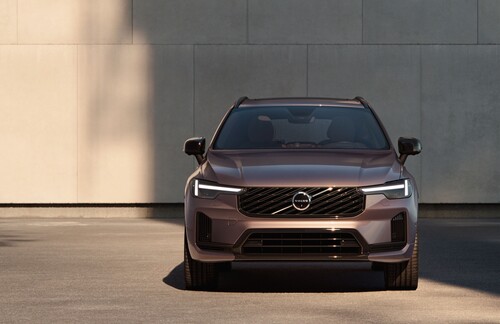
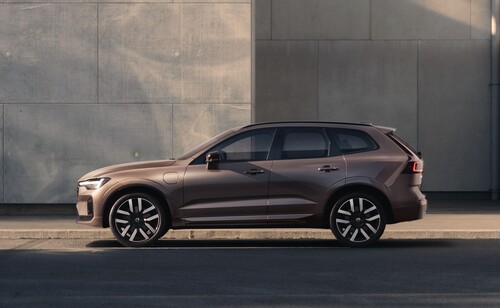
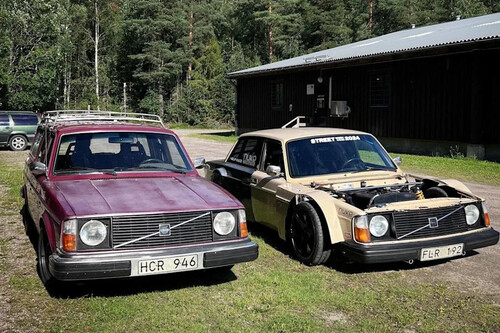
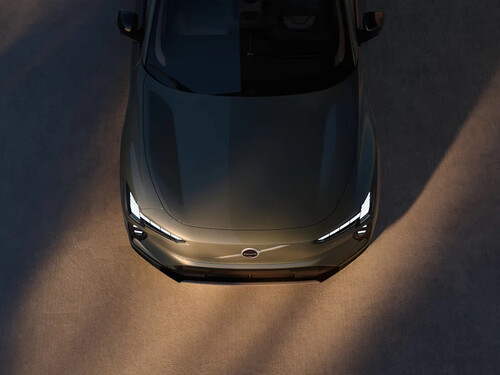
Madeleine Gagnon · 6 months ago@madeleinegagnon24Volvo Reports 177,830 Global Sales in Three Months to End of Jan, Down 7% Liked by+8 othersGeelyVolvo EX60Volvo XC70GeelyvolvoPost commentRelated PostsSunday China Drive | Volvo XC70 PHEV road‑tested in China, global model bound for 70+ markets 36 · Jacob Morgan · 6 months agoRecord Month for EV Sales in Europe! 27 · Evan King · 5 months agoVolvo Hires Ex-Skoda CEO To Lead Massive 13-Model Strategy 14 · Owen Turner · 1 months agoCars are more dangerous for women than menChloé Fortin · 17 days ago10 station wagons that offer better value than modern SUVs 10 · Matthew Johnson · 7 months agoA 1,380 hp Volvo XC hybrid? New Zeekr 8X makes it feel inevitable 81 · Gabriel Carter · 6 months agoVolvo Bets Its 99-Year History on 13 New Cars by 2030 18 · Daniel Walker · 1 months agoCoretura wants trucks to improve after they leave the plantEvan Wilson · 17 days ago2013 Volvo XC70 for sale 12 · Matthew Wright · 7 months ago2027 Mercedes-Benz GLC400 vs. Volvo EX60 Comparison Test: The Better Luxury EV Isn’t the One We ExpectedAudrey Girard · 15 days agoVolvo’s New PHEVs Drives So Far On Electric You Might Not Use The Gas Engine For Months 47 · Oliver Lee · 1 months agoVolvo 240 With Twin-Turbo Lamborghini V10 Runs 5.3-Second Eighth-MileJacob Lavoie · 18 days agoThe long-lasting luxury cars that rarely need repairs 76 · Leo Hall · 9 months agoWomen and Men Face Nearly the Same Injury Risk in Newer VolvosLeo Scott · 16 days agoHow The Company That Makes London's Black Cabs Ended Up Owned By A Chinese Company 49 · Charlotte Gagnon · 1 months agoThese Are The Automotive Destinations Still On Your Bucket ListRyan White · 18 days agoDespite Early EV Promises, Volvo Will Keep Gas Engines For a Lot Longer 91 · Leo Brown · 11 months ago2027 Volvo EX60 P10 AWD Ultra First Test: Refined, Comfortable, and SafeCarter Young · 16 days agoVolvo Cars to Become Exclusive Distributor of Lynk & Co in Europe 90 · Jacob Côté · 1 months agoThis 1975 Volvo 240 Is a Mid-Engine, Twin-Turbo Lambo V8 Underneath. And It’s Still AWDJustin Johnson · 19 days ago




 +8 others