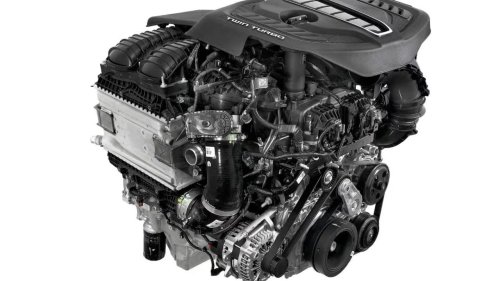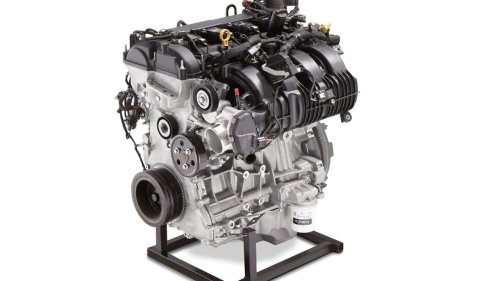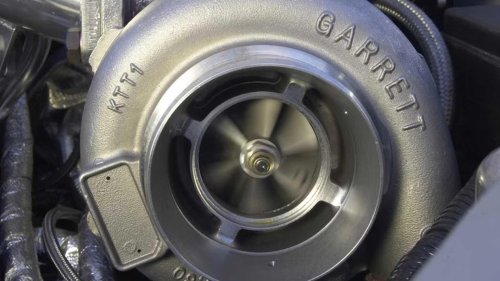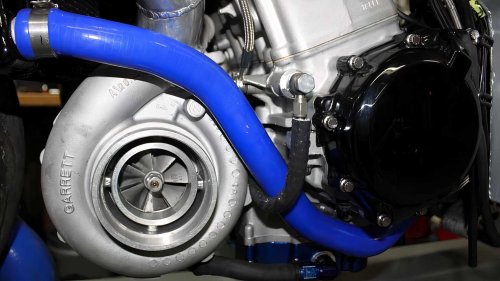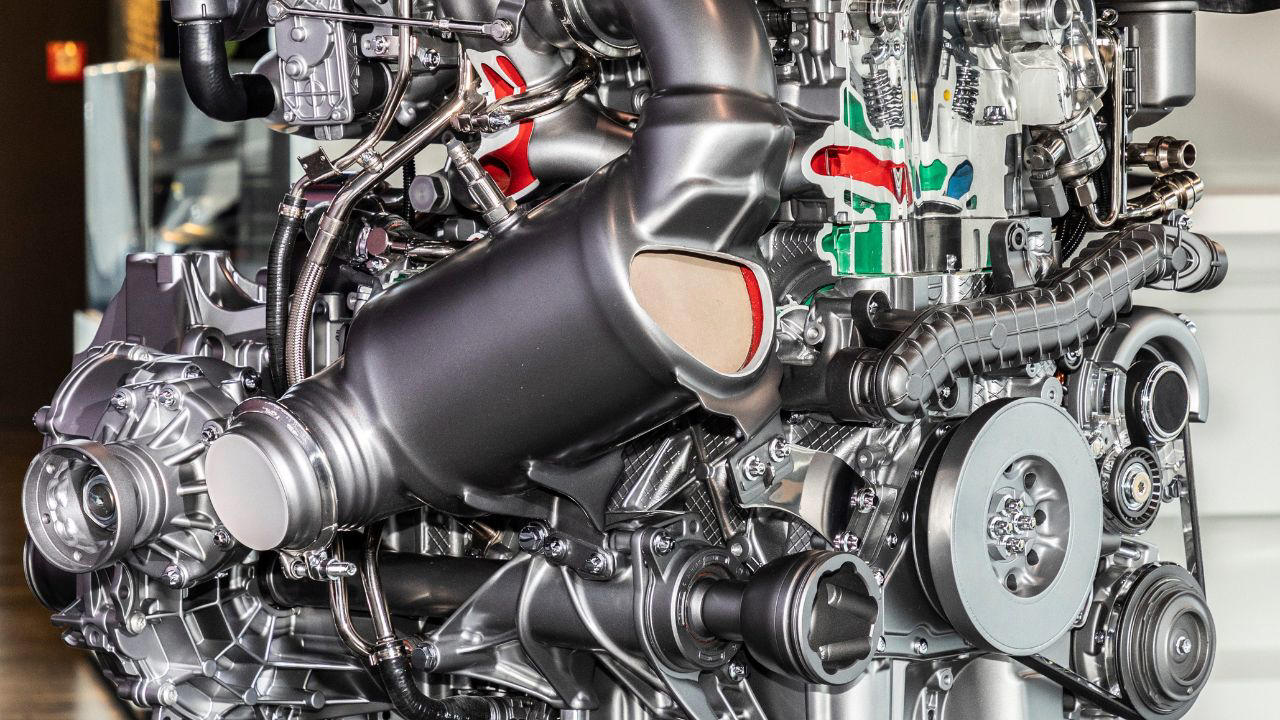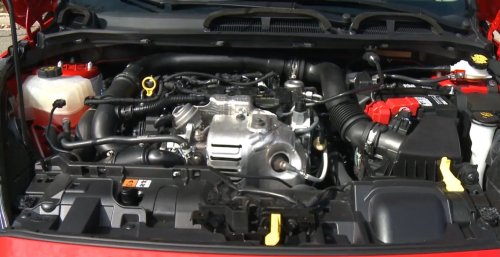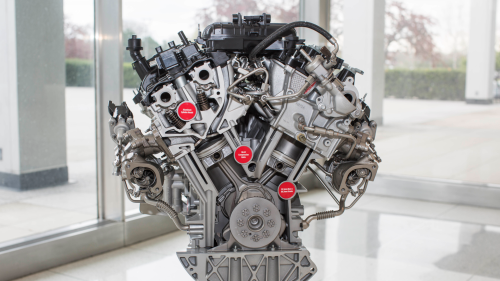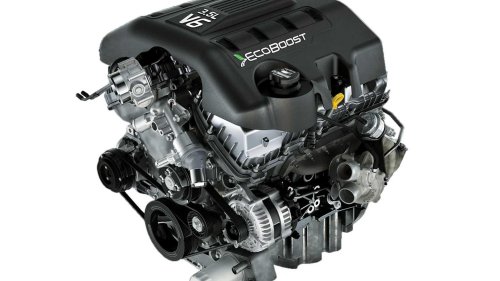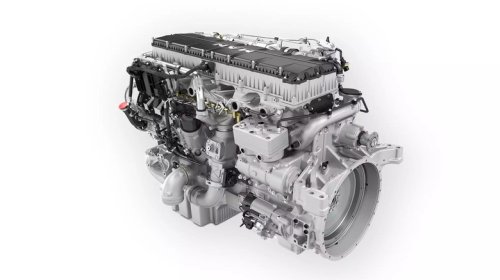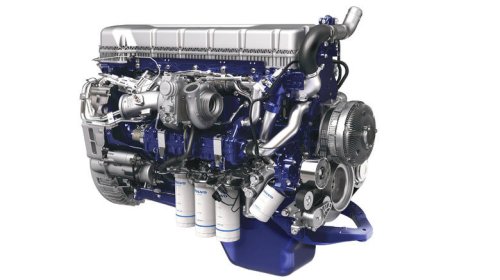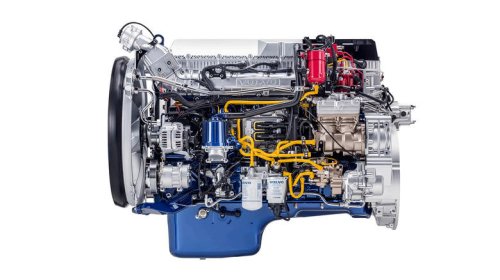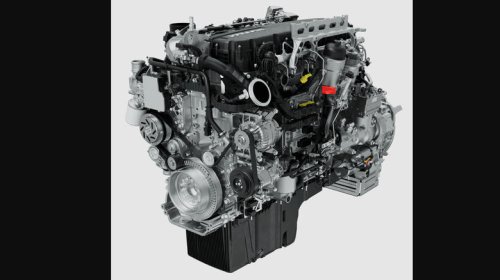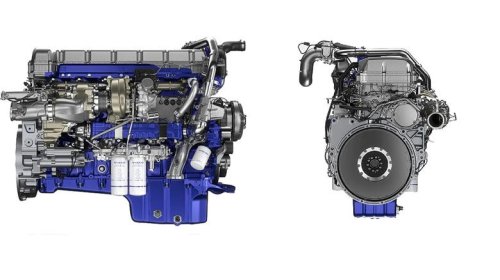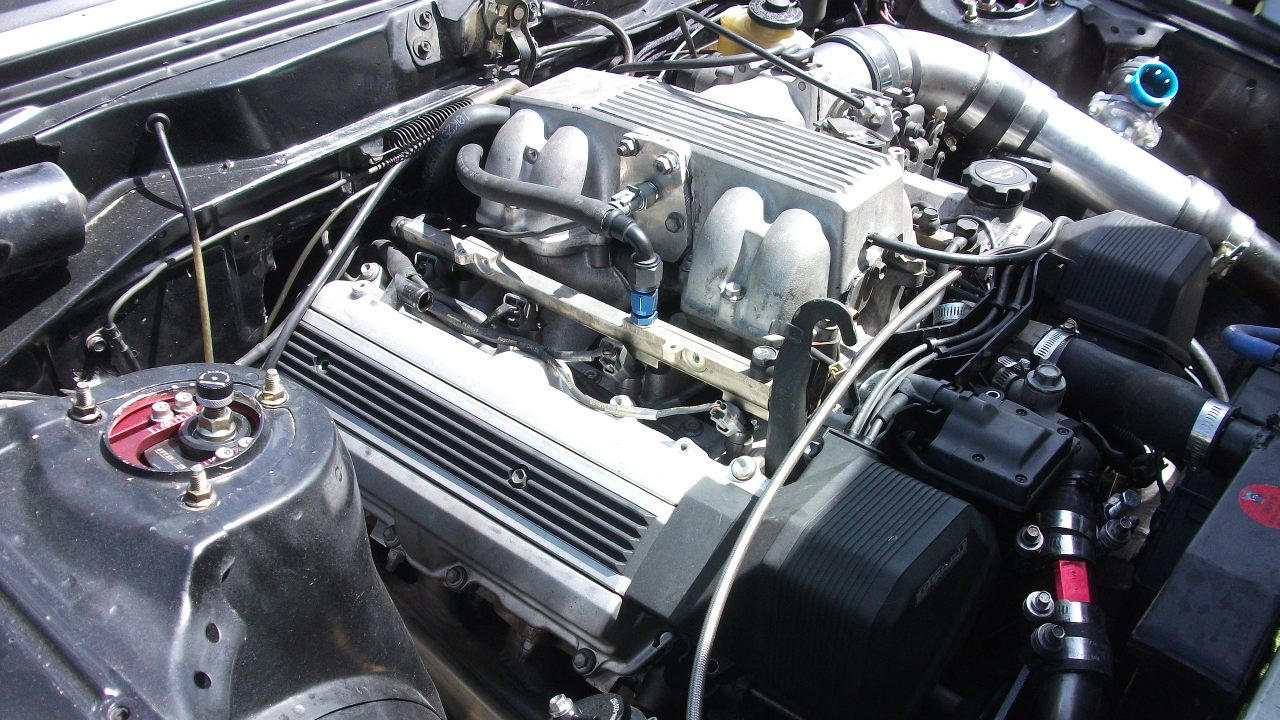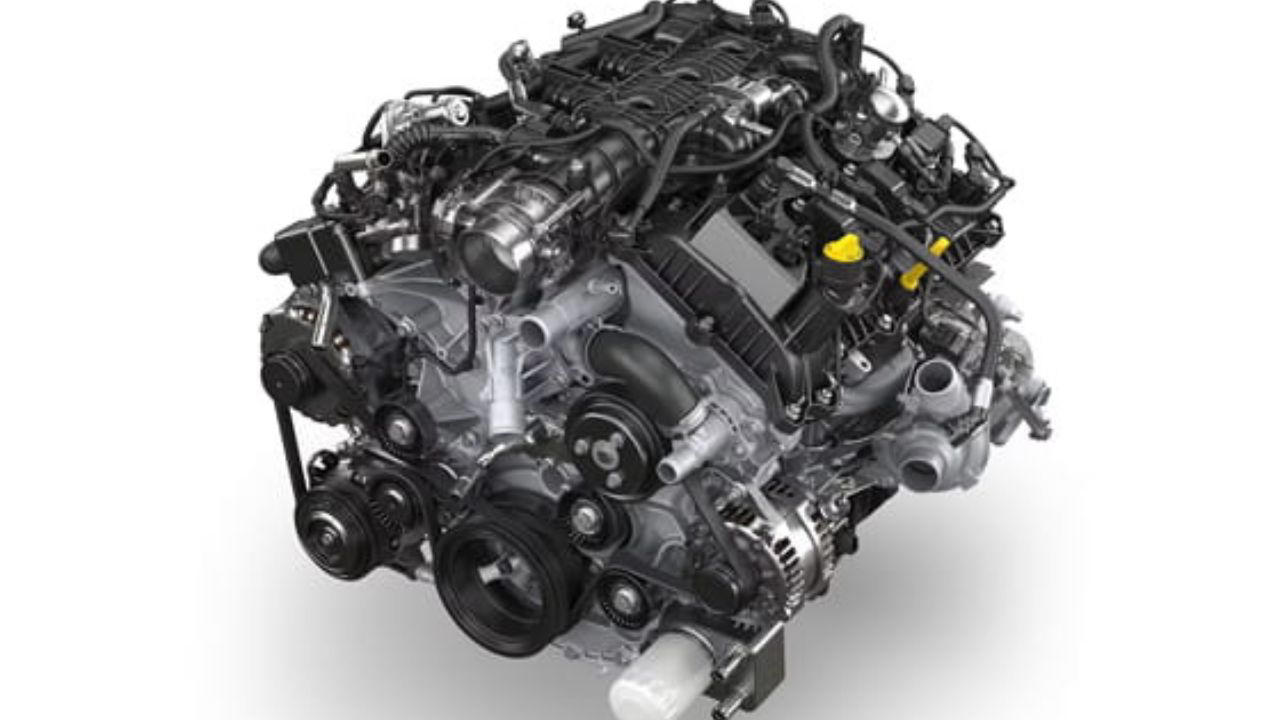



















Mechanics say delaying coolant service is killing modern turbocharged truck enginesModern turbocharged truck engines produce impressive power and towing capability, but mechanics are increasingly warning that neglected coolant maintenance is causing expensive failures. What many drivers still consider a minor service item has become critically important in today’s high-pressure, high-temperature turbocharged powertrains where thermal management directly affects long-term engine survival. Modern turbocharged truck engines operate under extreme heat loads When manufacturers like Ford Motor Company and General Motors developed modern turbocharged truck engines, they focused heavily on increasing power and efficiency through forced induction. Engines such as the Ford EcoBoost V6 engine generate significant heat because turbochargers compress incoming air while operating at extremely high rotational speeds. To control these temperatures, modern cooling systems are far more complex than older naturally aspirated truck engines. Coolant now plays a critical role not only in engine temperature regulation but also in protecting turbochargers, intercoolers, cylinder heads, and emissions systems from excessive heat-related stress during towing and heavy-load operation. Old coolant loses its ability to protect critical components The problem mechanics keep seeing is tied to coolant degradation. Over time, coolant breaks down chemically and loses its corrosion inhibitors, reducing its ability to prevent internal rust, scale buildup, and overheating inside modern engines. In trucks produced by Ford Motor Company and General Motors, degraded coolant can allow deposits to form in narrow cooling passages around turbochargers and cylinder heads. This restricts heat transfer efficiency and increases operating temperatures, especially during towing or extended highway driving under load. Turbochargers depend heavily on stable cooling performance The Ford EcoBoost V6 engine and similar turbocharged truck engines place enormous demands on cooling systems because turbochargers themselves generate intense heat. Many turbo systems rely on coolant circulation to stabilize temperatures after hard driving and reduce thermal stress on bearings and housings. When coolant degradation progresses too far, coolant flow efficiency decreases and hot spots begin forming inside the system. Mechanics report that this can contribute to premature turbo wear, warped cylinder heads, gasket failures, and long-term engine damage that becomes extremely expensive to repair. Corrosion and contamination quietly damage modern cooling systems One of the most dangerous aspects of neglected coolant service is that damage often develops gradually without immediate warning signs. In trucks from General Motors and Ford Motor Company, contaminated coolant can slowly corrode water pumps, radiators, heater cores, and internal engine passages. As coolant degradation worsens, sludge and mineral buildup may reduce cooling efficiency even further. Many drivers do not notice problems until overheating begins occurring under heavy loads, by which point internal damage may already be developing. Heavy towing makes coolant maintenance even more important Truck owners who regularly tow trailers or carry heavy payloads place additional strain on turbocharged engines like the Ford EcoBoost V6 engine. Under these conditions, combustion temperatures rise significantly, forcing the cooling system to work continuously near its upper limits. Manufacturers such as Ford Motor Company design these engines to handle demanding workloads, but only when coolant remains in proper condition. Mechanics emphasize that delayed coolant service becomes especially risky for vehicles used in commercial hauling, long-distance towing, or hot-weather operation. Mechanics say preventive coolant service is far cheaper than engine repairs Replacing coolant at recommended intervals is one of the simplest ways to protect modern turbocharged truck engines from premature failure. Mechanics consistently report that maintaining clean coolant helps preserve turbocharger longevity, stabilize operating temperatures, and prevent corrosion-related damage inside critical engine components. For owners of trucks from General Motors and Ford Motor Company, regular cooling system maintenance is becoming just as important as oil changes. In today’s turbocharged trucks, neglected coolant is no longer a minor issue—it can become the starting point for massive repair bills and shortened engine life. More from Fast Lane Only Unboxing the WWII Jeep in a Crate 15 rare Chevys collectors are quietly buying 10 underrated V8s still worth hunting down Police notice this before you even roll window down