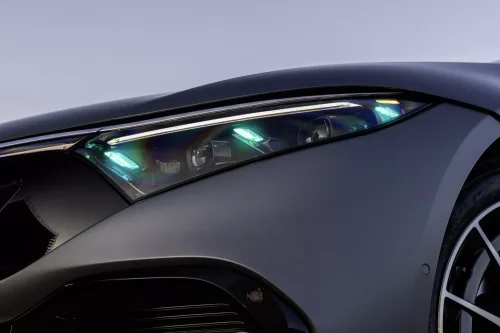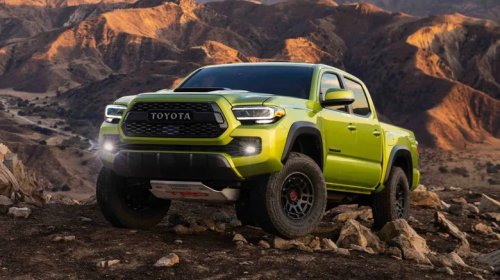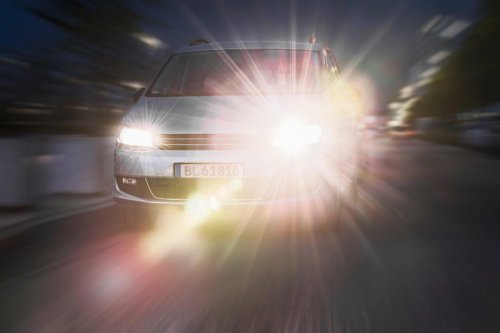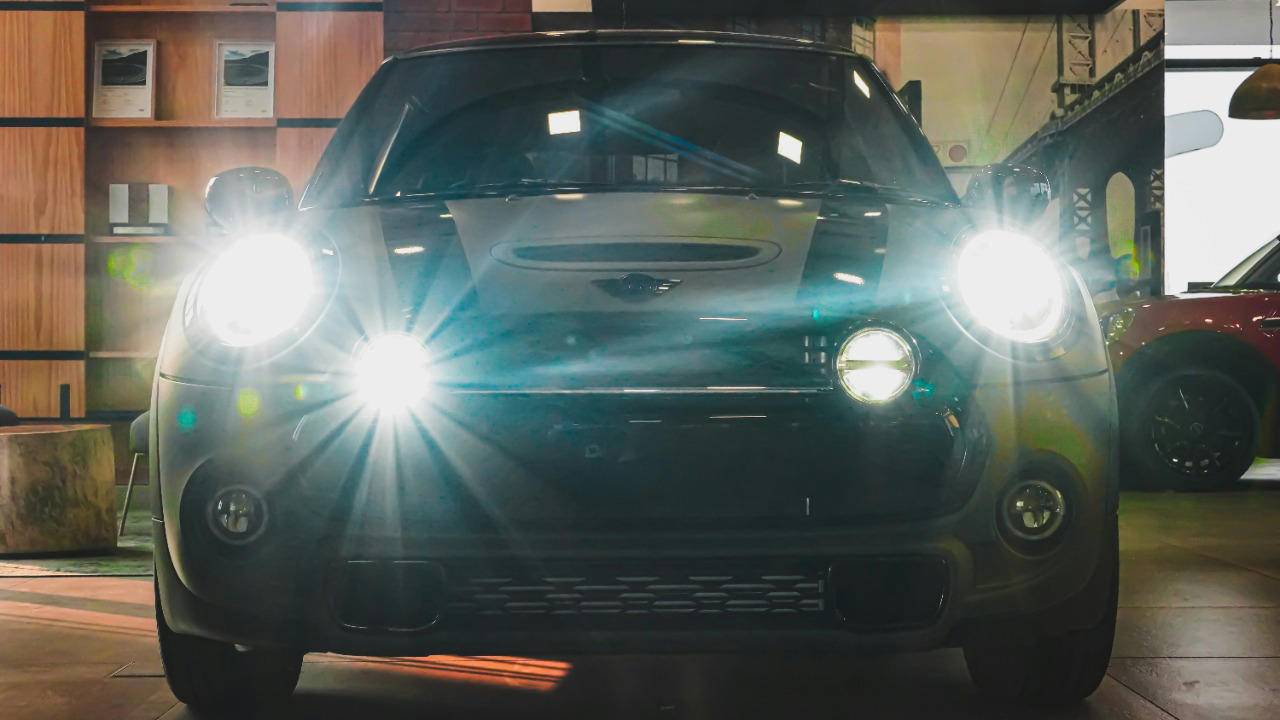



















Drivers say this new headlight trend is getting worseAcross busy motorways, rural A-roads and city streets, drivers are increasingly complaining that modern headlights feel less like a safety upgrade and more like a hazard. What began as a gradual shift to brighter, bluer lamps has become a nightly source of anxiety, with motorists reporting that glare from oncoming traffic is making them slow down, tense up and, in some cases, avoid driving after dark altogether. The new headlight trend may have been designed to illuminate the road, but many road users say it is now blinding them instead. Behind those complaints lies a mix of changing technology, ageing eyes and regulations that have not kept pace. Surveys from motoring organisations and transport researchers show overwhelming majorities who believe headlights are too bright, along with growing concern that glare is eroding confidence and comfort on the road. As policymakers and manufacturers debate technical fixes, drivers are left to navigate a night-time environment that feels harsher, more dazzling and, in their view, steadily worse. Drivers report glare that feels unsafe On paper, headlights are meant to help drivers see and be seen, yet a rising share of motorists now describe them as a direct threat to their sense of safety. Research on headlight glare shows that more than half of drivers who are affected by dazzling lights say the problem is worse this winter than last, reinforcing the sense that the trend is accelerating rather than stabilising. Many describe being temporarily blinded when a high-riding SUV or pickup rounds a bend, forcing them to grip the wheel and hope the moment passes without incident. For older motorists, whose eyes are slower to recover from intense light, that split second of white-out can feel like an eternity. The emotional impact of this nightly strain is increasingly clear. According to social media reporting on a recent survey, four in ten drivers say they feel less safe driving as a result of bright headlights on other vehicles, while others report tiredness, headaches, and lingering eye strain after night journeys. The language drivers use is telling: words like “blinding”, “dazzling” and “harsh” suggest not just mild irritation but a physical assault on the senses. As complaints multiply, the perception that night driving has become more intimidating is hard to dismiss as mere nostalgia for softer halogen beams. Surveys show a near-consensus that lights are too bright What might once have sounded like a niche gripe now appears almost universal. One widely cited UK study found that 96% of drivers think some or most headlights are too bright, a figure that suggests the issue cuts across age, region and vehicle type. Another survey reported that earlier this year a motoring organisation found that 89% of respondents think at least some headlights on cars on the road today are too bright, and that the RAC believes the problem is getting worse. When nearly nine in ten people share the same complaint, it becomes difficult for regulators and manufacturers to argue that existing standards are working well enough. These headline numbers sit alongside deeper findings on how glare is changing driving behaviour. New research highlighted that the problem of headlight dazzle has worsened over the past 12 months, with 57% of respondents saying they feel the issue has intensified and some even avoiding night driving, including trips to see family members, because of it. A separate analysis of glare found that among motorists who still drive at night, nearly a fifth (17%) say bright headlights leave them feeling tired and fatigued, while a significant share say they wish they could stop driving in the dark altogether, according to survey respondents. When discomfort reaches the point that people rearrange their lives to avoid certain journeys, it signals a problem that goes beyond minor annoyance. LED technology, vehicle design, and aging eyes collide Behind the glare, several technical and human factors are converging. Lighting experts point to the rapid move away from older halogen bulbs toward light-emitting diodes, with one analysis noting that the most important factor has been the shift from halogen bulbs to those that use LEDs and that most new cars now use LED technology that emits a much bluer light than halogens. Another technical review explains that drivers are not imagining things, since most new headlights now use LED units that shine at least four times as bright as traditional halogen lamps, and that many people exposed to this intense white light report increased visual discomfort. The result is a beam pattern that may perform well in laboratory tests yet feels punishing when it hits a human retina at night. Vehicle size and setup add another layer. Taller SUVs and pickups place their lamps at a height that can shine directly into the eyes of those in lower cars, particularly on undulating roads where even correctly aimed units can feel aggressive. A Freedom of Information request submitted to the Driver and Vehicle Standards Agency showed that since 2019 an increasing number of vehicles have failed their MOTs due to poor headlight aim. At the same time, ageing populations mean more drivers with cataracts or reduced night vision are sharing the road, which makes them especially vulnerable to bright, blue-rich light that scatters more inside the eye. Together, these trends create a perfect storm in which even legally compliant headlights can feel unmanageable to those on the receiving end. Regulators, manufacturers, and drivers search for answers Regulatory frameworks are now being forced to catch up with the lived experience of motorists. In the United Kingdom, nearly all drivers say headlights are too bright, and transport researchers have argued that headlight regulations need to change in light of LED technology. Another report notes that the government said it will take a closer look at the design of cars and headlamps after concerns about lights dazzling oncoming traffic, with officials acknowledging that existing standards were written for a different generation of lamps. Across the Atlantic, safety analysts have drawn attention to data showing that the Insurance Institute for Highway Safety, which is IIHS, has found that better headlight performance can significantly reduce night-time crashes, a point raised in coverage of how Bright Headlights are getting out of control. More from Fast Lane Only Unboxing the WWII Jeep in a Crate 15 rare Chevys collectors are quietly buying 10 underrated V8s still worth hunting down Police notice this before you even roll window down