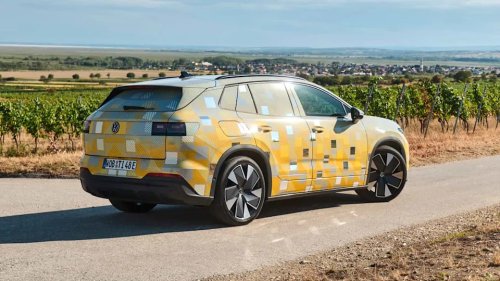
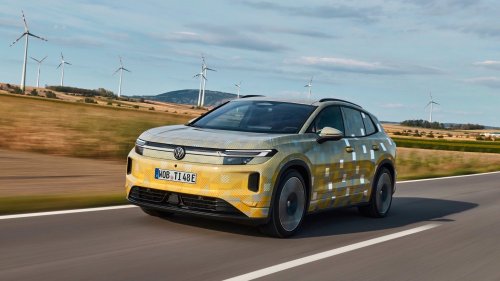
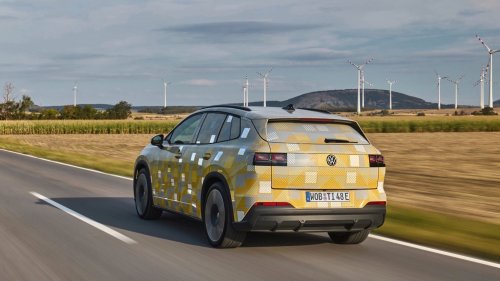
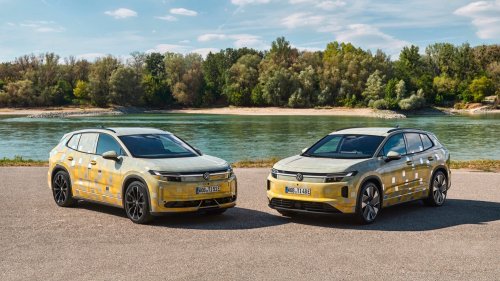
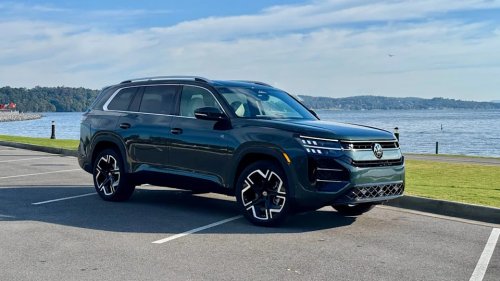
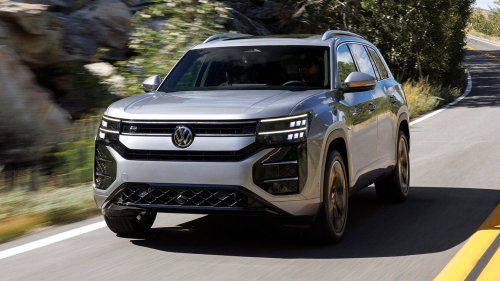
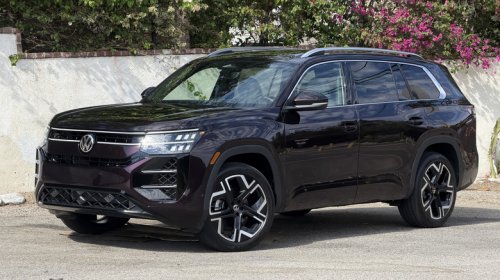
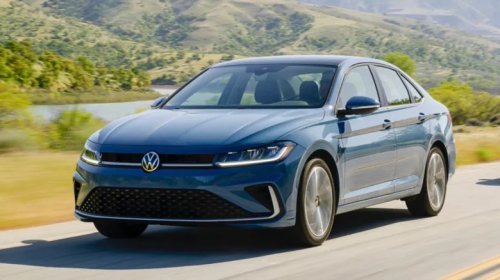
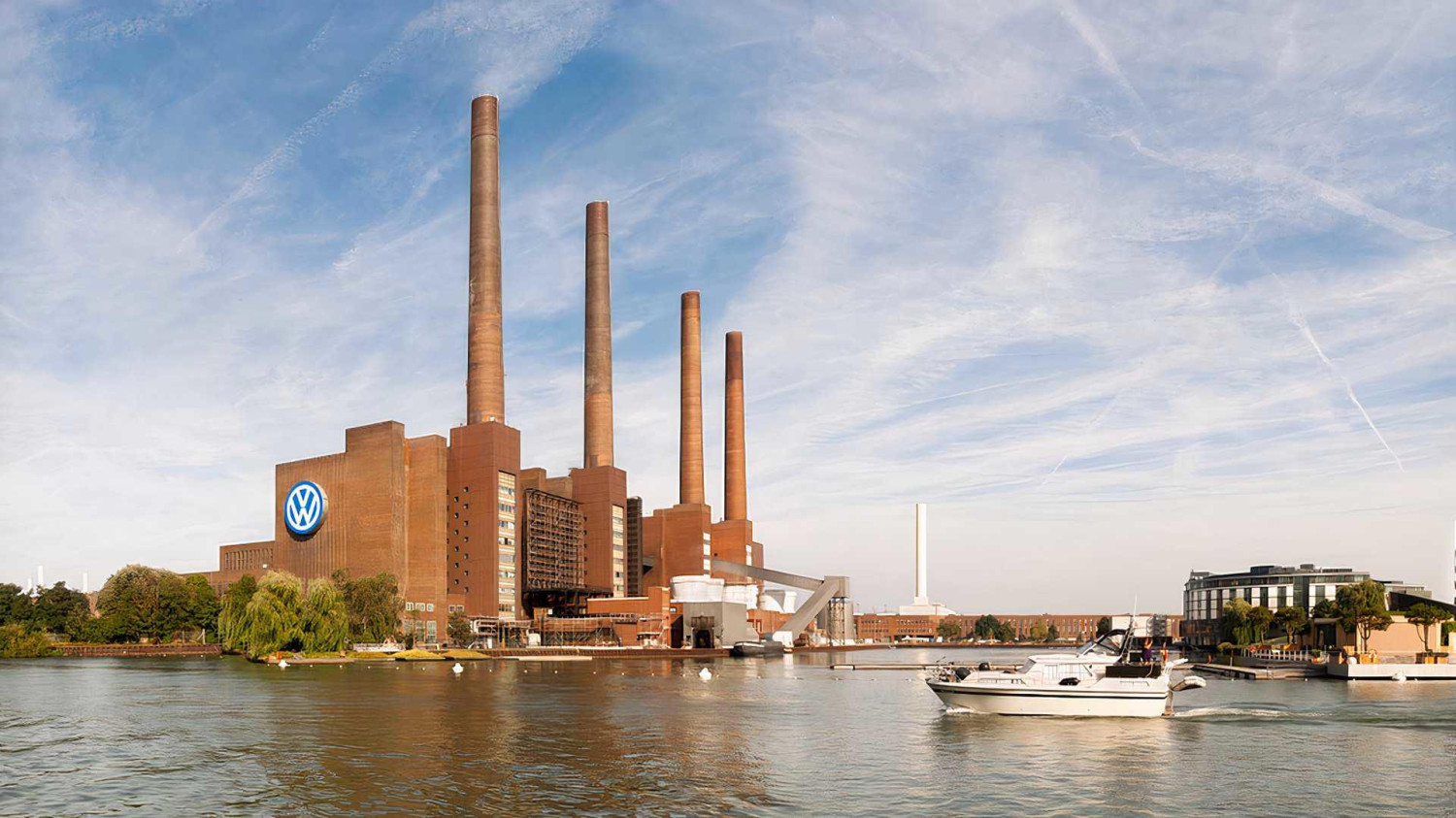
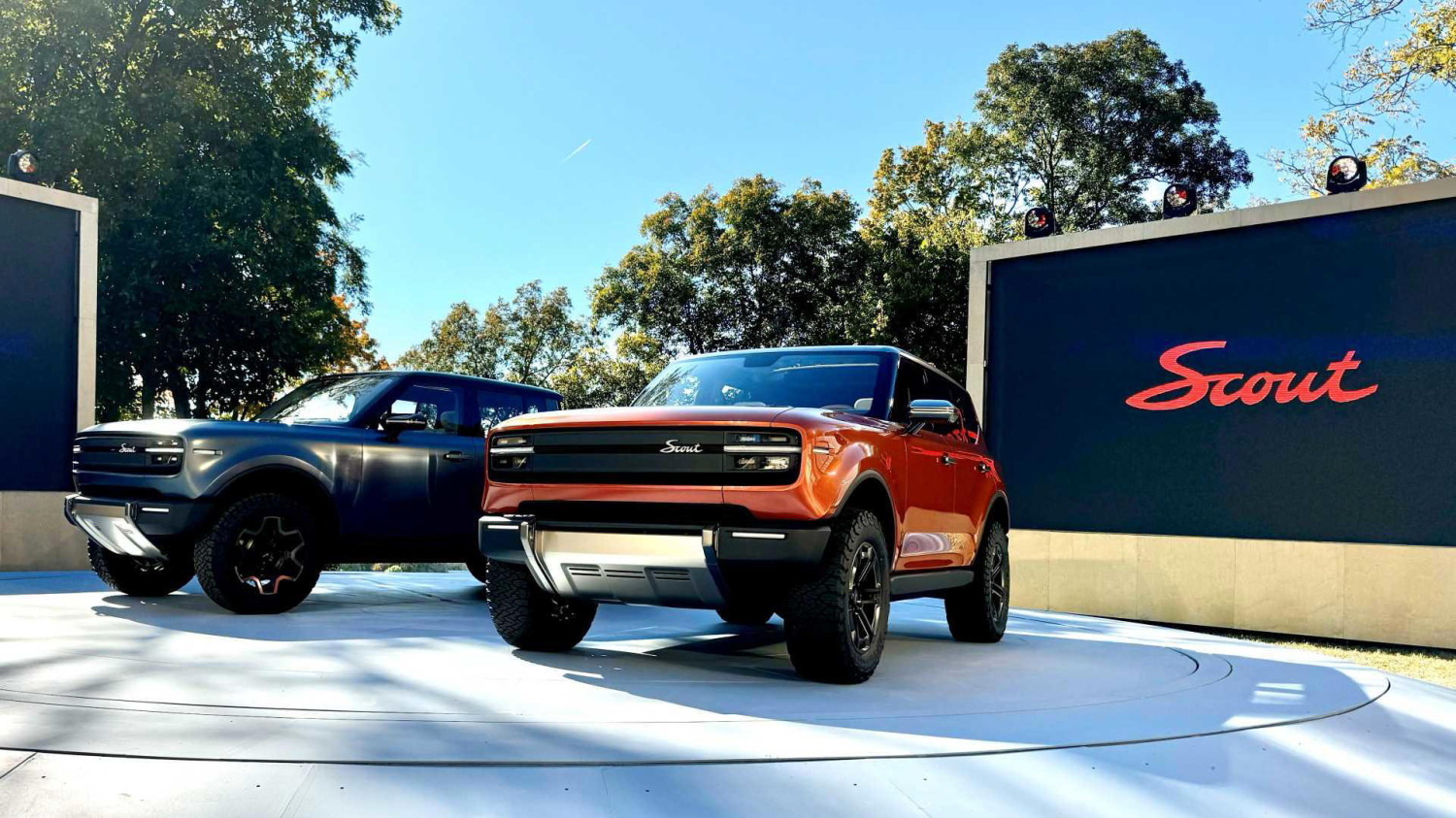
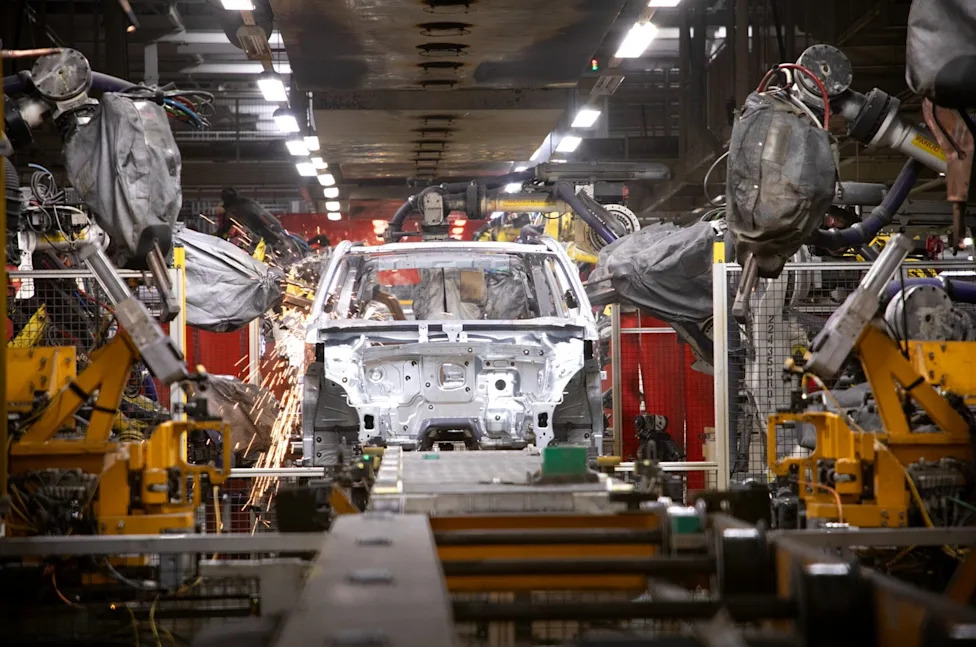
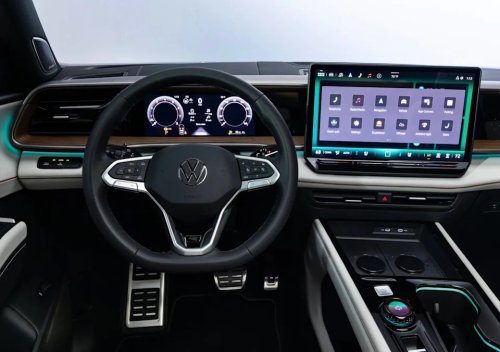
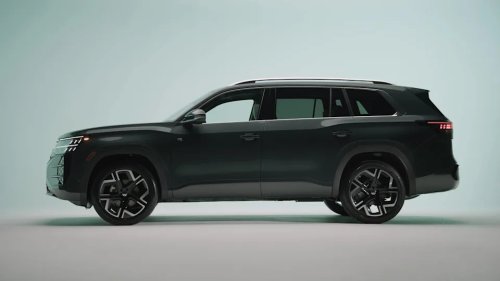
The tough economic conditions of recent years, combined with a shifting regulatory landscape and slower-than-expected EV demand, are weighing on all major automakers, but few as heavily as Volkswagen Group. The company has already taken a series of difficult measures, yet more are on the way, according to its CEO.These are not short-term fixes. Instead, they mark a structural reset, positioning the automaker for significantly lower volumes than it had anticipated as recently as the start of the decade. Europe To Feel Most Of The Pain VolkswagenIn an interview with Manager Magazin published this week, Volkswagen Group CEO Oliver Blume said the automaker plans to cut a further one million vehicles of global production capacity by the end of the decade. The move adds to previously announced reductions and would bring annual capacity down to about nine million vehicles, from roughly 12 million before the COVID-19 pandemic, when the group was delivering close to 11 million units a year.Most of the reductions will affect Europe, particularly plants operated by Audi and the Volkswagen brand in Germany. In a March letter to shareholders, Blume indicated that the group’s headcount in Germany alone would be around 50,000 lower by 2030 than it is today. The announcement came after VW Group reported that net profit nearly halved compared with the previous year.Against this backdrop, it's clear VW Group is increasingly shifting its focus away from chasing volume and towards protecting profitability. The group’s operating margin fell to 2.8% in 2025, reflecting weaker pricing power, particularly in China, as well as persistently high costs tied to its ongoing investments in electrification and software development. Compounding these structural pressures are external headwinds, including US tariffs, as well as the risk of sustained higher energy costs and potential supply disruptions stemming from instability in the Middle East. Focus Turns To US And China Jared Rosenholtx/CarBuzz/ValnetA bright spot for VW Group remains the US, where the company is pushing ahead with a new plant in South Carolina for its recently established Scout brand. Blume has previously suggested the facility could also be used to build vehicles for other VW Group brands, including an oft-rumoured rugged SUV for Audi. The group is also banking on stronger demand for the redesigned 2027 VW Atlas, which will be produced at its Tennessee plant.China remains another key focus for the automaker. Once a major profit engine for foreign automakers, the market has become increasingly challenging amid intensifying competition from domestic manufacturers. However, VW Group used Auto China in Beijing this week to outline an expanded push, announcing plans to launch more than 20 electrified vehicles there in 2026 alone, rising to around 50 models by 2030.Taken together, the measures underline the scale of VW Group’s challenge: a difficult balancing act of cutting capacity and costs while trying to defend market share in an industry undergoing rapid structural change, with no simple or quick path to restoring its former levels of scale and profitability.



















 +4 others



![Volkswagen, Volkswagen ID.4, Volkswagen ID.5, Volkswagen's best-seller is going electric in 2027 to replace the ID.4 and ID.5 [Images]](https://cdn.topcarnews.net/thumb/id/aHR0cHM6Ly9pMC53cC5jb20vZWxlY3Ry-ZWsuY28vd3AtY29udGVudC91cGxvYWRz-L3NpdGVzLzMvMjAyNi8wOS9Wb2xrc3dh-Z2VuLUlELVRpZ3Vhbi1JRC00LmpwZWc_-dz0xNTAwJmFtcDtxdWFsaXR5PTgyJmFt-cDtzdHJpcD1hbGwmYW1wO3NzbD0x/aed2aa2870791850c8e69c5fc3a0ed85.jpeg?t=20261006&post_id=66267)
![Volkswagen, Volkswagen ID.4, Volkswagen ID.5, Volkswagen's best-seller is going electric in 2027 to replace the ID.4 and ID.5 [Images]](https://cdn.topcarnews.net/thumb/id/aHR0cHM6Ly9lbGVjdHJlay5jby93cC1j-b250ZW50L3VwbG9hZHMvc2l0ZXMvMy8y-MDI2LzA5L1ZvbGtzd2FnZW4tSUQtVGln-dWFuLUlELTQtZnJvbnQtcXVhcnRlci5q-cGc_c3RyaXA9aW5mbyZhbXA7dz0xMDI0/97fb00cd3919b8d0dc36440715039e6e.jpg?t=20261006&post_id=66267)
![Volkswagen, Volkswagen ID.4, Volkswagen ID.5, Volkswagen's best-seller is going electric in 2027 to replace the ID.4 and ID.5 [Images]](https://cdn.topcarnews.net/thumb/id/aHR0cHM6Ly9lbGVjdHJlay5jby93cC1j-b250ZW50L3VwbG9hZHMvc2l0ZXMvMy8y-MDI2LzA5L1ZvbGtzd2FnZW4tSUQtVGln-dWFuLUlELTQtc2lkZS5qcGc_c3RyaXA9-aW5mbyZhbXA7dz0xMDI0/ed240b20e8275f3af4b904f46ebb5fb3.jpg?t=20261006&post_id=66267)
![Volkswagen, Volkswagen ID.4, Volkswagen ID.5, Volkswagen's best-seller is going electric in 2027 to replace the ID.4 and ID.5 [Images]](https://cdn.topcarnews.net/thumb/id/aHR0cHM6Ly9lbGVjdHJlay5jby93cC1j-b250ZW50L3VwbG9hZHMvc2l0ZXMvMy8y-MDI2LzA5L1ZvbGtzd2FnZW4tSUQtVGln-dWFuLUlELTQtcmVhci1xdWFydGVyLmpw-Zz9zdHJpcD1pbmZvJmFtcDt3PTEwMjQ/436c7979cf5b947053f7f0bf39ff94bc.jpg?t=20261006&post_id=66267)
![Volkswagen, Volkswagen ID.4, Volkswagen ID.5, Volkswagen's best-seller is going electric in 2027 to replace the ID.4 and ID.5 [Images]](https://cdn.topcarnews.net/thumb/id/aHR0cHM6Ly9lbGVjdHJlay5jby93cC1j-b250ZW50L3VwbG9hZHMvc2l0ZXMvMy8y-MDI2LzA5L1ZvbGtzd2FnZW4tSUQtVGln-dWFuLUlELTQtZnJvbnQuanBnP3N0cmlw-PWluZm8mYW1wO3c9MTAyNA/ec2e4ca027ccbfb42942abe523f3acf7.jpg?t=20261006&post_id=66267)
![Volkswagen, Volkswagen ID.4, Volkswagen ID.5, Volkswagen's best-seller is going electric in 2027 to replace the ID.4 and ID.5 [Images]](https://cdn.topcarnews.net/thumb/id/aHR0cHM6Ly9lbGVjdHJlay5jby93cC1j-b250ZW50L3VwbG9hZHMvc2l0ZXMvMy8y-MDI2LzA5L1ZvbGtzd2FnZW4tSUQtVGln-dWFuLUlELTQtcmVhci5qcGc_c3RyaXA9-aW5mbyZhbXA7dz0xMDI0/668525889dc433b0fd0e166fd5bd8366.jpg?t=20261006&post_id=66267)