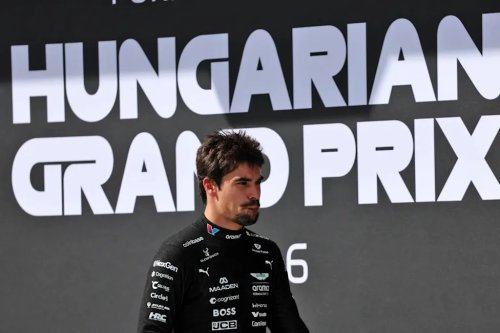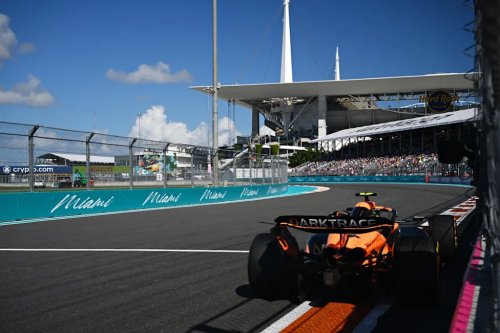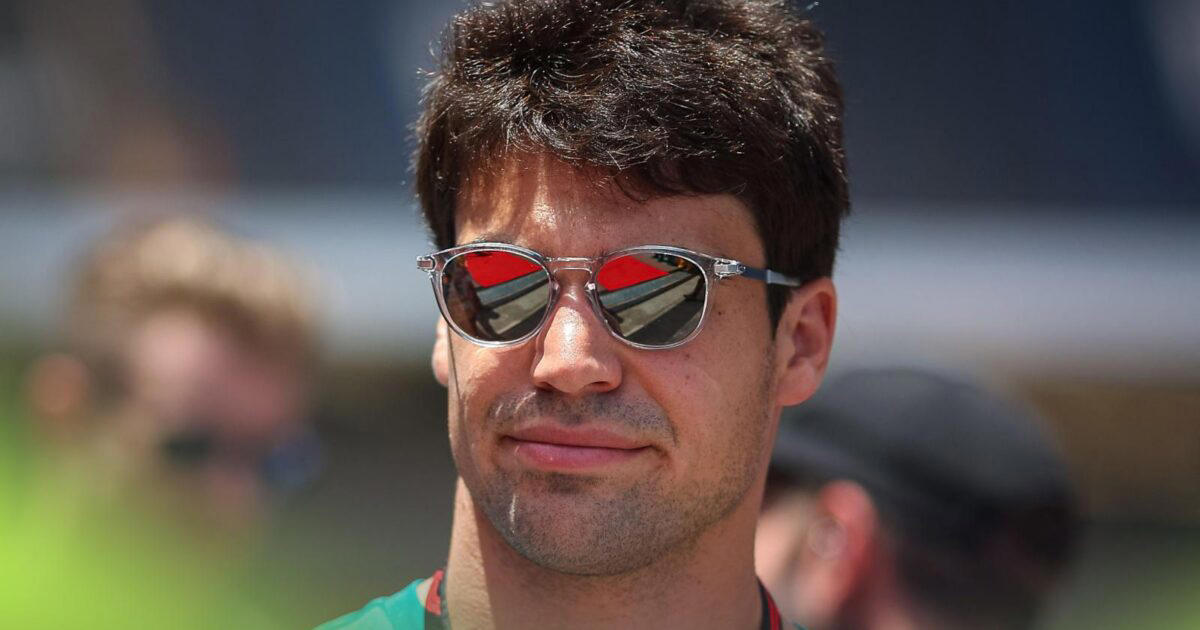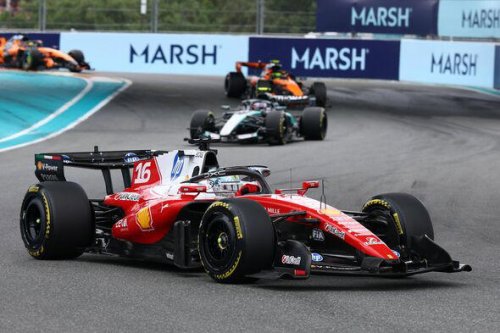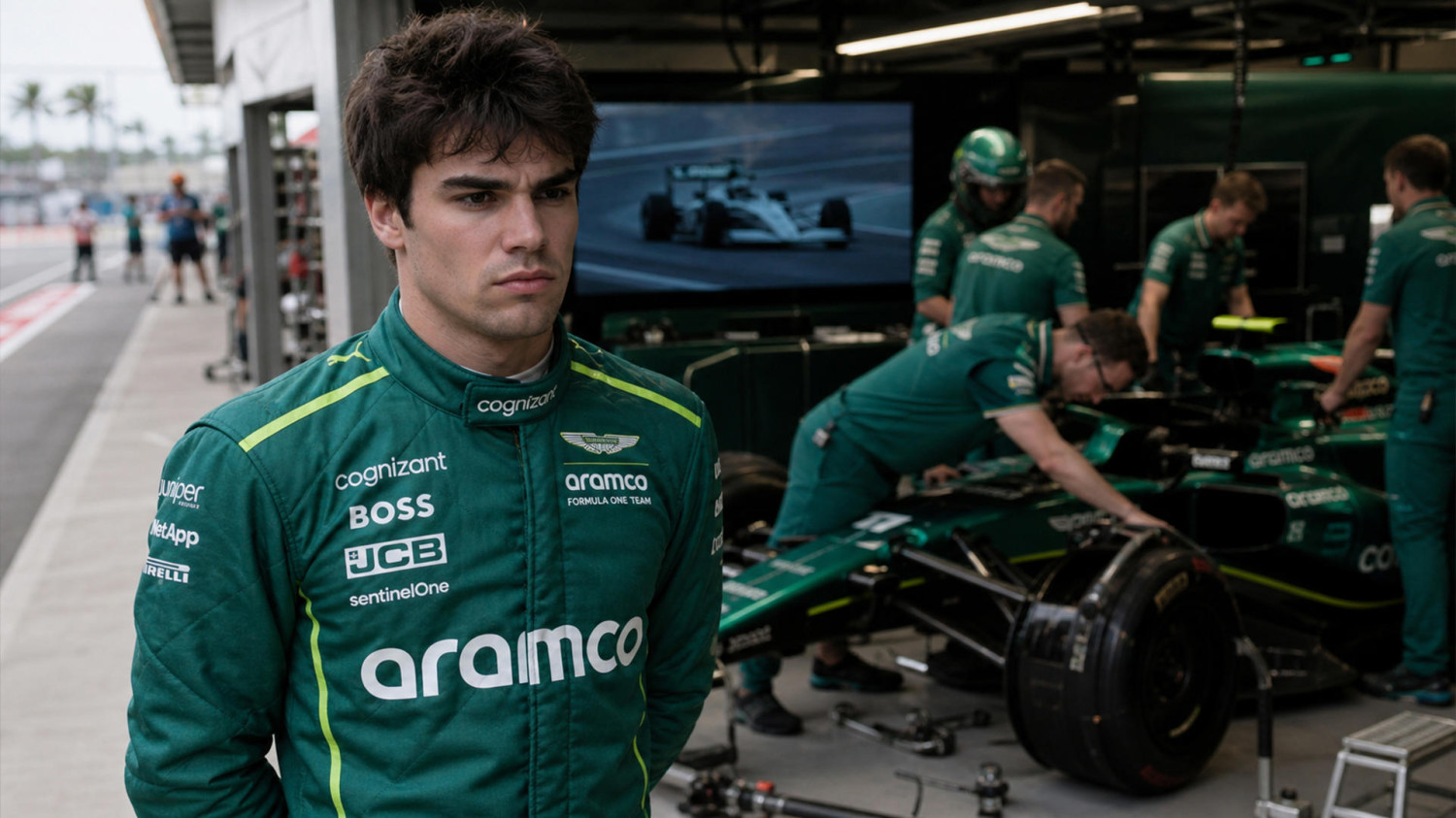



















Lance Stroll Blasts Formula 1 in Long Miami Criticism: “Maybe Other Drivers Aren’t Allowed to Say It”Stroll Said What Many Drivers Usually SoftenFormula 1 arrived in Miami with a familiar topic hanging over the paddock: the state of the cars.Many drivers have questioned aspects of the 2026 regulations, especially the amount of energy management required and the way the cars feel to drive. Most have done so carefully. Max Verstappen called the recent rule adjustments only a small step. Lewis Hamilton has asked for drivers to be more involved in future rule-making. Others have suggested the sport is moving in the right direction but still has work to do.Lance Stroll took a different approach.The Aston Martin driver did not offer a diplomatic answer about progress, compromise, or patience. He argued that Formula 1 is “miles off” where it should be and said current F1 cars are far less enjoyable to drive than simpler machinery. Reuters reported that Stroll said Formula 3 cars are “1,000 times more fun” than the current F1 cars, a striking comparison from a driver who has spent years inside the championship.It was not a throwaway complaint. It was a long critique of what modern Formula 1 has become.The Problem Is Not Just SpeedStroll’s argument was not that Formula 1 cars are slow in a basic sense. Even in a controversial rules era, they remain extremely fast, technically complex machines driven by some of the best racing drivers in the world.His criticism was about feel.During the break before Miami, Stroll drove other cars, including Formula 3 machinery, and came away with a sharper sense of what he believes Formula 1 has lost. The Race reported that he praised the directness of F3 cars, where a driver presses the throttle and gets the response he expects. He also pointed to weight, sound, and agility as key differences, describing the smaller cars as more rewarding because they respond more naturally to driver input.That is the heart of his complaint.Modern F1 has become a discipline of management as much as attack. Drivers must think about energy deployment, battery recharge, lift-and-coast phases, tyre life, brake temperatures, and strategic targets. Those elements have always existed in some form, but Stroll’s frustration is that they now appear to dominate the driving experience too heavily.For him, the car no longer feels like the purest version of Formula 1.The Sound of F1 Still MattersStroll also leaned into a complaint that many long-time fans understand immediately: the sound.He referenced older Formula 1 eras, especially the V8 and V10 periods, as examples of what the sport once felt like. The appeal was not only nostalgia. Those cars sounded more violent, revved more dramatically, and created a sensory experience that made Formula 1 feel distinct before the car had even reached the braking zone.His point was simple: when an older F1 car screamed past, it immediately felt special.The current generation is different. The hybrid era has brought remarkable efficiency and technical sophistication, but the noise and character are not the same. In Stroll’s view, that change is part of a broader loss of identity.That is why his remarks cut deeper than a normal complaint about setup or balance. He was not saying Aston Martin had a bad weekend or that one regulation needed adjusting. He was questioning whether Formula 1 still feels enough like Formula 1.The 2026 Rules Have Put Drivers on EdgeThe timing of Stroll’s comments matters.Formula 1’s 2026 regulations introduced major changes to both the cars and power units. The new rules created a greater emphasis on electrical energy management, which quickly became one of the most debated parts of the season. After driver concerns and safety worries, the FIA agreed to changes designed to reduce extreme speed differences and improve the way energy is used in qualifying and racing.Those changes were welcomed as a start, but not as a cure.The broader driver concern is that the sport created a technical direction without enough practical input from the people inside the cars. Hamilton has called for drivers to have a more formal voice in shaping future rules, while several drivers have suggested that earlier feedback might have prevented some of the current problems.Stroll’s criticism fits into that wider mood, but he expressed it more sharply than most.Where others spoke about process, he spoke about the feeling of the car itself.Aston Martin’s Struggles Add Another LayerStroll’s frustration also arrives during a difficult period for Aston Martin.The team has struggled at the start of the 2026 season, and its Miami Sprint Qualifying brought more problems. Stroll failed to set a time in Sprint Qualifying, while Fernando Alonso also had a difficult session at the back of the field, according to the official Miami Sprint Qualifying classification.That context matters, but it does not fully explain his remarks.A driver in a struggling car is naturally more likely to be frustrated. But Stroll’s criticism went beyond Aston Martin’s pace. He was not only complaining about being uncompetitive. He was saying that even the basic experience of driving modern Formula 1 machinery has moved too far away from what a top-level racing car should feel like.That makes the comments harder to dismiss as simple team frustration.Formula 1’s Popularity Creates a ComplicationOne of Stroll’s most pointed observations was that Formula 1 remains a business.That is the difficult part of the debate. Commercially, the sport has grown enormously in recent years. It has expanded its audience, attracted new fans, increased its global visibility, and become a major entertainment product. From that perspective, it is easy for leadership to argue that Formula 1 is healthy.Stroll’s counterpoint is that popularity does not automatically mean the racing product is as good as it could be.Fans may still watch. Netflix may still draw viewers. Sponsors may still arrive. Grandstands may still be full. But none of that necessarily answers whether the cars are enjoyable to drive, whether racing feels natural, or whether the sport has preserved the qualities that made Formula 1 unique in the first place.That is why his comments matter. They separate Formula 1 as a business from Formula 1 as a driving experience.Why Stroll Still Believes in Aston MartinAfter such a harsh criticism of the sport, the obvious question is whether Stroll still wants to continue.His answer was yes.The reason is Aston Martin. Stroll still believes in the team’s long-term project and its potential, even though the current results are difficult. That is an important distinction. He may dislike the direction of the cars, but he has not abandoned belief in the team he drives for.There is also a human element to that answer. Walking away and later watching Aston Martin become competitive would be difficult for any driver deeply tied to a project. For Stroll, patience remains part of the calculation.But patience does not mean silence.His comments suggest that he is willing to keep driving while still arguing that Formula 1 needs a better direction.The Bigger Question Behind the CriticismStroll’s remarks will not be popular with everyone.Some will see them as too negative. Others will point to Aston Martin’s poor form and argue that a driver in a faster car might not sound the same. Formula 1 leadership may prefer criticism to be constructive, measured, and less public.But his comments raise a real question: what should Formula 1 cars be?Should they be the most technically advanced race cars possible, even if that means more management and less raw driver feel? Should they prioritize efficiency and relevance to road-car technology? Should they return toward lighter, louder, more agile machines? Or should the sport try to balance all of those aims without fully satisfying any of them?That is the tension at the center of modern F1.Stroll’s answer is clear. He wants cars that are lighter, louder, more responsive, and more enjoyable to drive at the limit. He wants less management and more instinct. He wants a Formula 1 car to feel like something unmistakably above everything else.Stroll’s Criticism Is Bigger Than One DriverThe most important part of Stroll’s Miami comments is not the exact wording. It is the fact that they exposed a deeper split inside Formula 1.The sport is thriving as entertainment, but some drivers clearly believe the driving experience has moved in the wrong direction. The cars are advanced, but not necessarily loved. The rules are ambitious, but not always trusted by the people who must race under them.Stroll may have been the bluntest voice in Miami, but he was not speaking into a vacuum.His criticism lands because it connects with a broader unease: that Formula 1 can be commercially successful while still drifting away from the kind of cars drivers dream about racing.That is why the debate will not disappear after one weekend in Miami. Minor rule tweaks may help, but they will not settle the bigger argument.Formula 1 is still the top category in motorsport. Stroll’s point is that it should feel like it every time a driver turns the wheel.