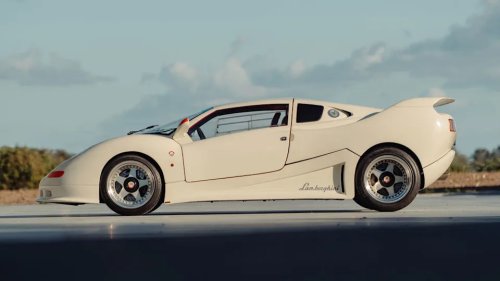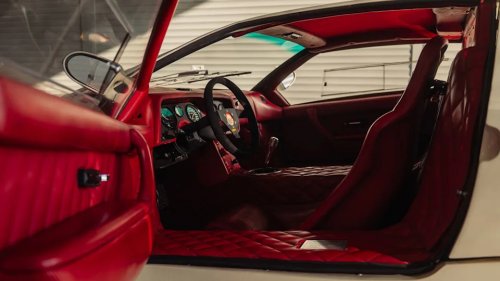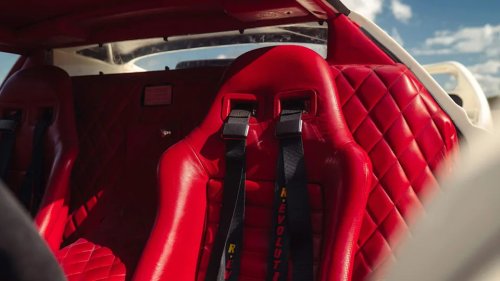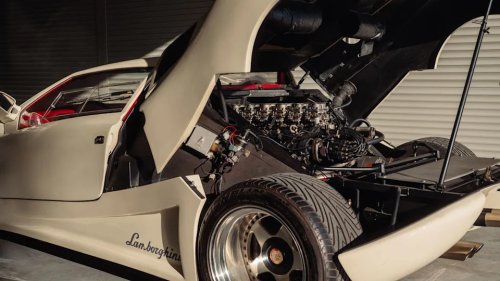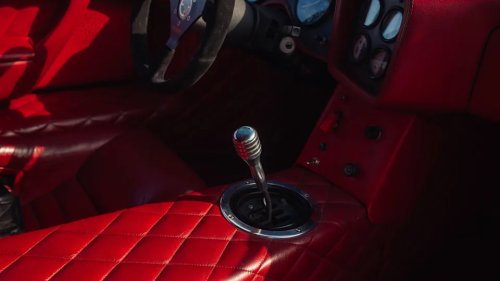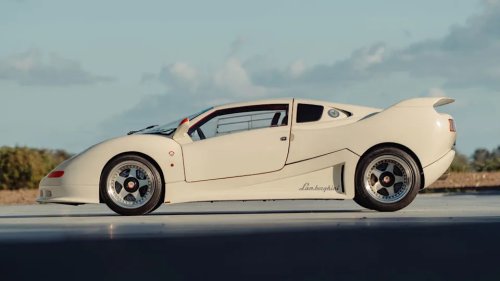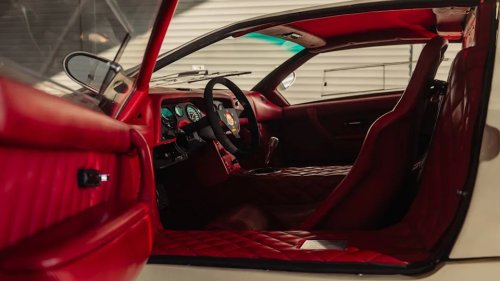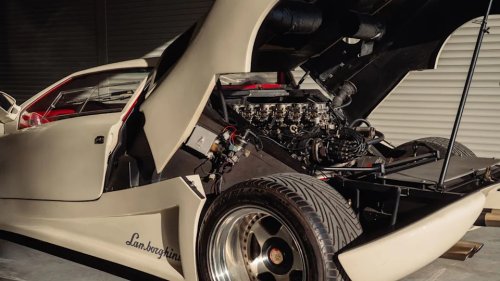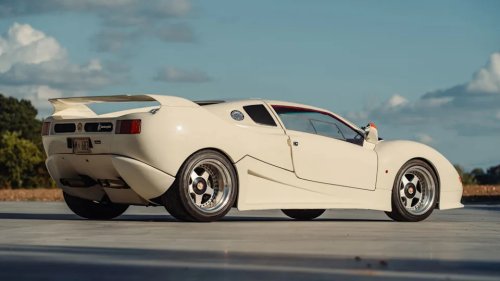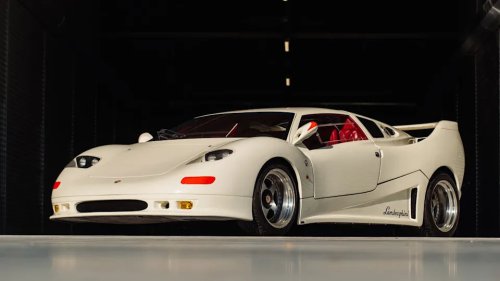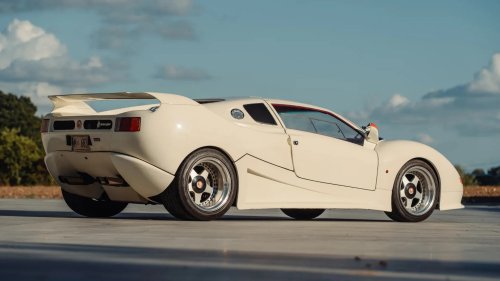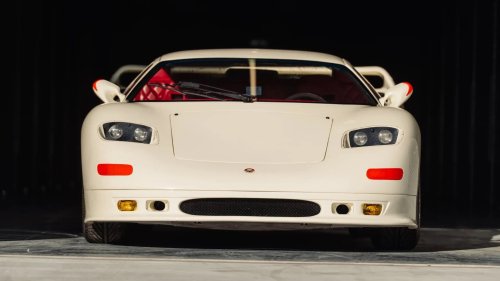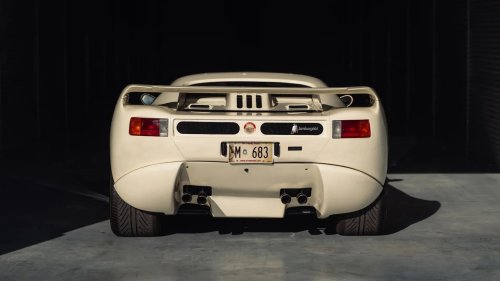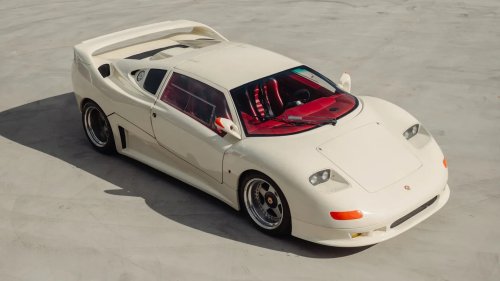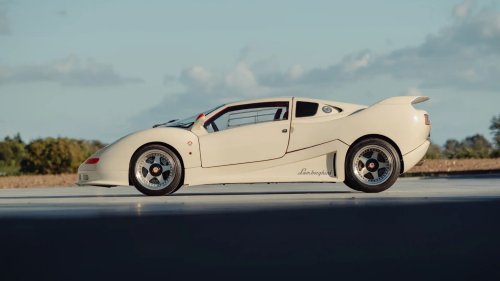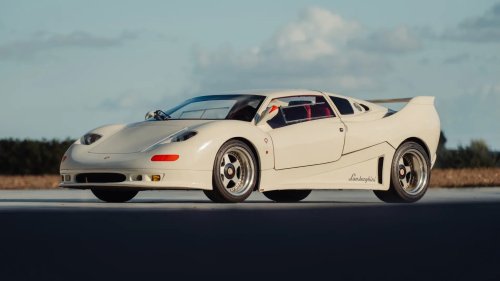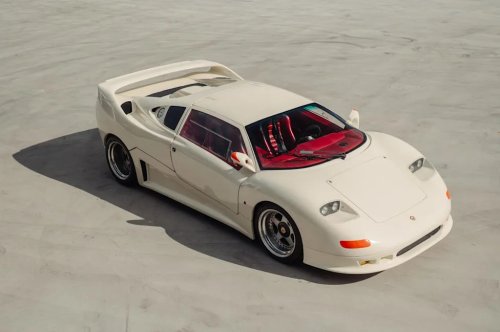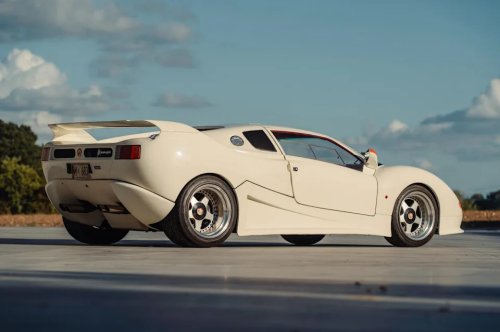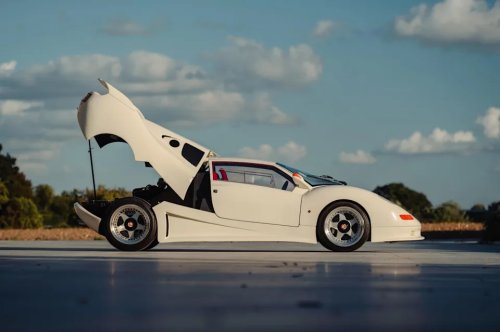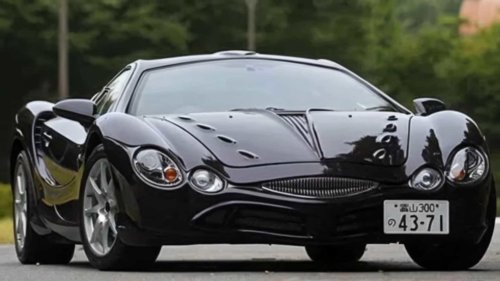
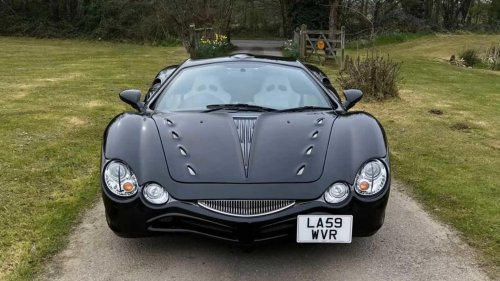
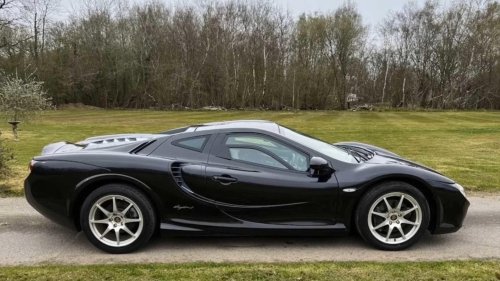
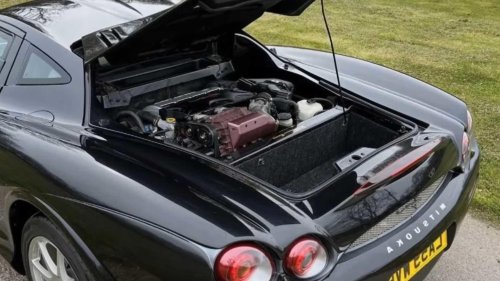
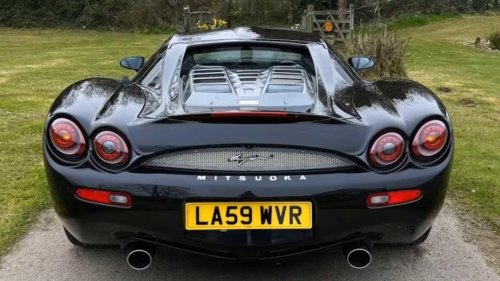
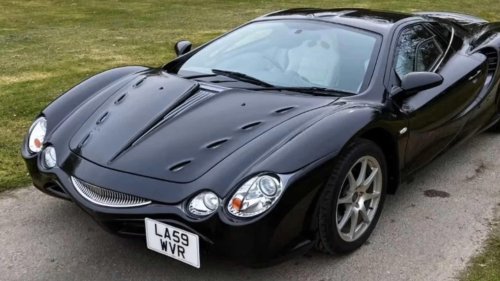
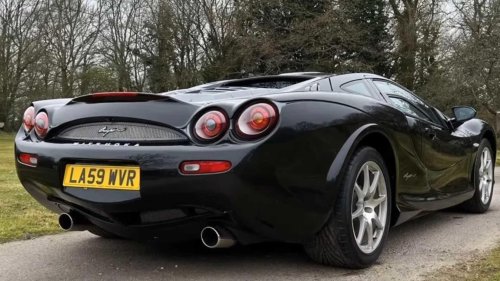

















When people think about Japanese supercars, the list usually feels predictable. The Honda NSX established credibility. The Nissan GT-R became a technological powerhouse. The Lexus LFA proved Japan could build something exotic enough to stand next to Europe’s elite. Those cars were precise, focused, and engineered to compete directly on performance metrics that enthusiasts could measure.The Mitsuoka Orochi followed a completely different path.It did not chase Nürburgring lap records or try to outgun Ferrari in a horsepower contest. Really, it didn't even try to blend into the established hierarchy of what a supercar is supposed to be. Instead, a small boutique manufacturer decided to build something dramatic, mythological, and unmistakably different. Over an eight-year production run from 2006 to 2014, total output remained at roughly 400 units worldwide, making it one of the rarest modern Japanese mid-engine cars ever sold. Mitsuoka Stepped Far Outside Its Comfort Zone With The Orochi Piston Edge / YouTubeBefore the Orochi, Mitsuoka’s reputation centered around retro-styled reinterpretations of mainstream Japanese cars. The company would take familiar donor platforms and reshape them into designs that echoed classic British and American luxury cars. Beneath the distinctive bodywork, the mechanical components were typically sourced from larger manufacturers, which allowed Mitsuoka to maintain reliability while focusing on aesthetics.The Orochi marked a decisive break from that formula. Introduced in production form in 2006 after several concept iterations earlier in the decade, it became Mitsuoka’s first fully original mid-engine sports car rather than a rebodied sedan. The chassis architecture and exterior proportions were designed specifically for this project, representing a far more ambitious undertaking than anything the company had attempted previously.For a small manufacturer with limited production capacity, developing an original mid-engine platform carried significant financial risk. Mitsuoka was stepping into territory typically reserved for established supercar brands with far deeper engineering resources. The fact that the Orochi reached full production at all speaks to how seriously the company approached the project, even if its interpretation of a supercar would ultimately defy conventional expectations.Fun Fact: Mitsuoka reportedly assembled the Orochi largely by hand at its Toyama factory, contributing to the extremely low production volume. The Design Was Meant To Be Mythical Piston Edge / YouTubeThe name “Orochi” comes from Yamata no Orochi, the eight-headed serpent of Japanese mythology, and the styling makes that inspiration hard to miss. The front fascia features sweeping, organic curves and large openings that create an almost animated expression, as if the car is staring back at you. To me, it kind of looks like a fish that dwells on the bottom of the deepest part of the ocean. Rather than relying on sharp, angular aggression, the bodywork flows in exaggerated arcs that give the impression of movement even when the car is parked.Piston Edge / YouTubeFrom the side, the mid-engine layout becomes obvious. The roofline arches dramatically, the rear haunches swell outward, and the proportions reinforce its exotic aspirations. Inside, the cabin continued the theme of spectacle. Leather upholstery, bold color combinations, and a cockpit-focused layout created an environment that felt immersive rather than minimalist. Mitsuoka was not interested in subtlety. The Orochi was meant to command attention, whether admired or criticized. That polarizing design would later become one of its defining traits. In a segment where many performance cars gradually began to resemble one another, the Orochi remained instantly recognizable. It Was Never Built To Win A Horsepower War Under the dramatic exterior sat a Toyota-sourced 3.3-liter V6 producing roughly 230 horsepower, paired exclusively with a five-speed automatic transmission. The engine itself was the 3MZ-FE, a powerplant used in vehicles like the Toyota Camry and Lexus RX, which meant Mitsuoka leaned on proven reliability rather than developing an expensive bespoke drivetrain. This was actually a great move for such a unique looking vehicle as Mitsuoka never positioned the Orochi as a track-focused machine designed to dominate lap charts. The engine choice reflected practicality and reliability rather than an attempt to compete in a power race. Using a proven Toyota powertrain reduced development complexity and ensured predictable long-term durability, an important consideration for a boutique manufacturer.Piston Edge / YouTubeThe mid-engine configuration gave the Orochi legitimate sports car proportions and balance, yet its character leaned more toward grand touring than razor-sharp performance. The goal was to deliver a distinctive driving experience wrapped in dramatic styling, not to intimidate owners with extreme output or uncompromising suspension tuning.In that sense, the Orochi rejected the idea that a supercar must be defined solely by its horsepower number. It prioritized identity over specification, and that decision remains one of the most unusual aspects of its story.Fun Fact: The Orochi’s body panels are FRP (fiber-reinforced plastic) rather than traditional stamped steel, which helped Mitsuoka produce the complex curves without expensive large-scale tooling. Production Numbers Tell The Real Story Piston Edge / YouTubeIf the design made the Orochi memorable, the production numbers made it rare. Between 2006 and 2014, total output is widely estimated at approximately 400 units worldwide. For comparison, many mainstream sports cars can exceed that number in a single month of production.Mitsuoka further divided that already small total into limited variants, each produced in constrained batches. These special editions added unique cosmetic treatments, exclusive paint finishes, or trim upgrades, reinforcing the car’s boutique identity. To better understand just how limited the Orochi was, here is a breakdown of the major production context.Piston Edge / YouTube Production & Variants Overview Precise unit counts for each variant are not always publicly disclosed, but the combined total remained around 400 cars across all versions. That figure alone ensures that the Orochi occupies a rare space in recent Japanese automotive history.Because Mitsuoka operated on a small scale, production was carried out in limited runs rather than continuous mass manufacturing. Buyers were not choosing from unlimited options within a dealership's inventory; ownership required awareness of the brand and a willingness to commit to something far outside the mainstream. Why The Orochi Became A Cult Icon Piston Edge / YouTubeAt launch, the Orochi divided opinion sharply. Critics questioned its modest power output relative to its dramatic styling, while supporters appreciated its refusal to conform. Over time, as production ended and the total number of cars remained permanently capped, perception began to shift.With roughly 400 units produced over eight years, the Orochi stands among the rarest modern mid-engine cars ever built in Japan. That scarcity, combined with its unmistakable design, has gradually elevated it to cult status. More importantly, the Orochi represents a moment when a small manufacturer chose creativity over caution. It did not attempt to replicate European supercar formulas or align itself neatly within established Japanese performance traditions. It embraced mythology, theatrical styling, and boutique production without apology.Fun Fact: Despite its exotic appearance, the Orochi’s automatic transmission and comfortable ride meant it was surprisingly usable as a daily driver, something Mitsuoka intentionally prioritized.In a performance world where so many cars evolve through small updates and start to resemble one another after a few model cycles, the Mitsuoka Orochi still feels completely its own thing. The point of this odd-looking car was never to chase big horsepower numbers or win at the track. The goal was to create something unmistakable, a car that people would immediately recognize and probably argue about the moment it rolled past them. For the small group of owners who managed to buy one during its limited production run, that kind of individuality was the real luxury.Sources: Mitsuoka Motors, Motor1, Top Gear, Autocar, Hagerty, RM Sotheby’s