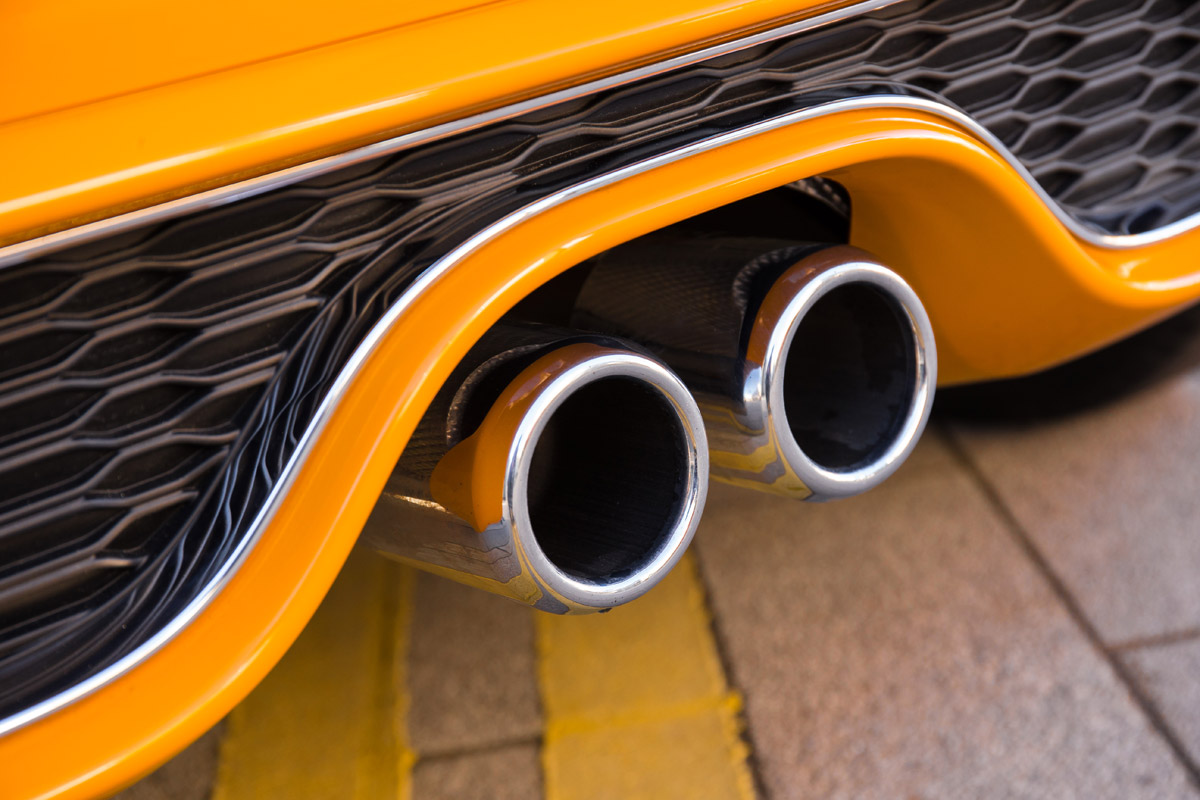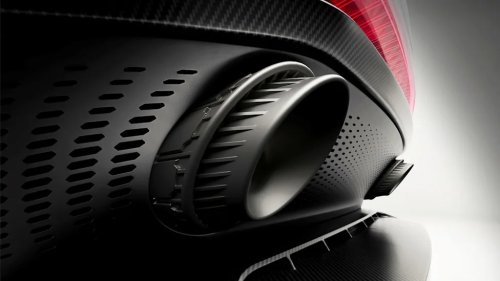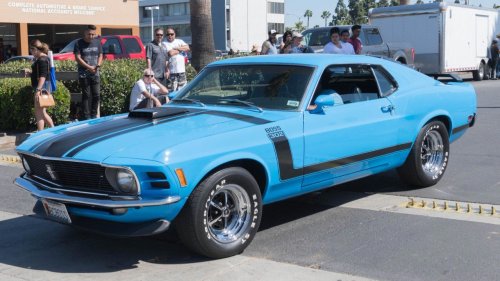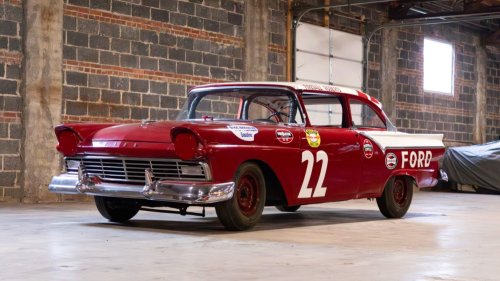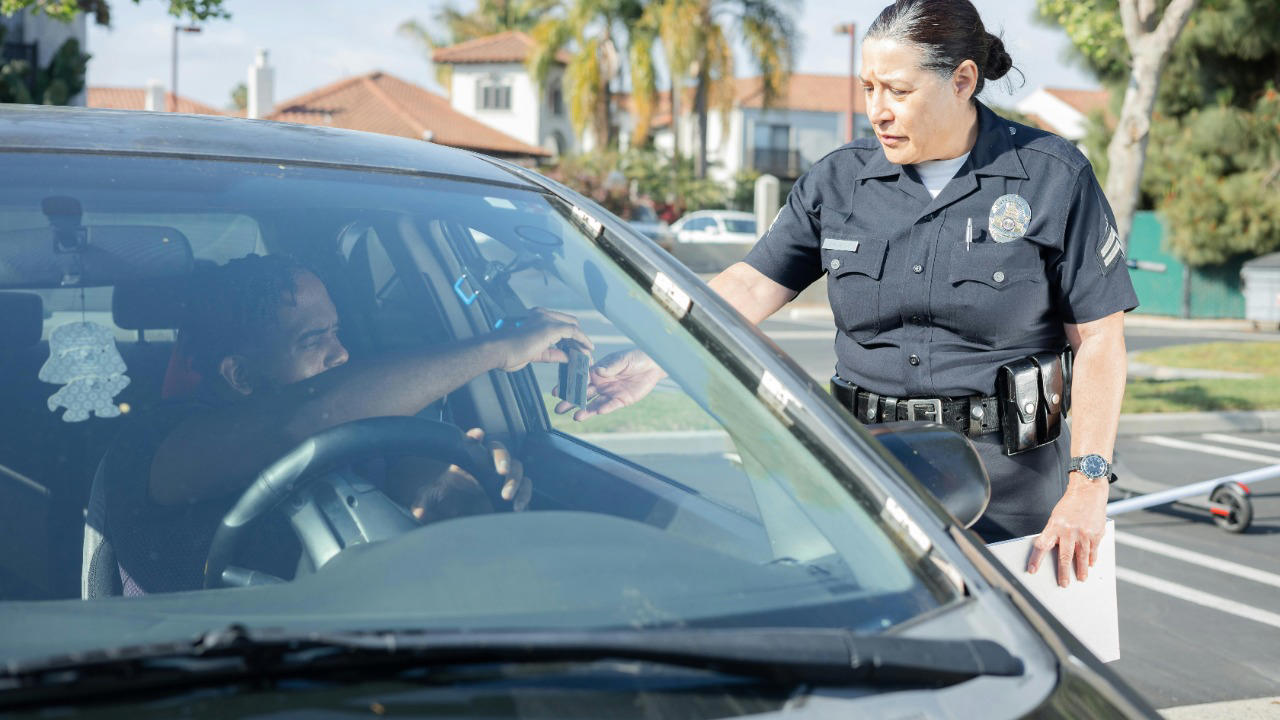



















New state law targets loud exhaust systems and some drivers say stock cars are getting flaggedOn paper, the new state law is pretty simple: cut down on ear-splitting exhaust noise, especially the kind that rattles windows on a quiet street at night. In practice, though, it’s turning into a story about gray areas, roadside judgment calls, and drivers insisting they’re getting pulled over for cars that rolled off the lot exactly as the manufacturer intended. It’s the kind of issue that can turn a normal commute into a mini mystery: Is your car actually “too loud,” or did it just sound loud for a moment? And if you’ve never touched the exhaust system, how do you prove it? What the law actually targets The law focuses on vehicles with exhaust systems that are “modified” to increase noise beyond what’s considered acceptable, along with equipment like cutouts, bypass valves, and missing or altered mufflers. In most states that pass laws like this, the idea is to give police a clearer tool to address repeated complaints about loud cruising corridors and late-night revving. Supporters say it’s about quality of life, not car culture. They point to neighborhoods where people can’t sleep, pedestrians who can’t hear traffic cues, and business districts where loud exhaust is more of a nuisance than a vibe. Why some drivers say they’re getting flagged in stock cars Here’s where things get messy: drivers are reporting stops or warnings even when their cars are stock—meaning original factory exhaust, no aftermarket parts, no “delete” kits, nothing. Some say they were surprised because they bought the vehicle new or certified used and never changed a thing. A big reason this can happen is that “stock” doesn’t always mean “quiet.” Some modern performance trims come from the factory with more aggressive exhaust notes, and certain SUVs and trucks can sound louder under load even with standard equipment. Add in cold starts on a winter morning—when engines often run at higher idle for a bit—and suddenly “factory” can still sound like “modified” to someone standing on the curb. Enforcement often comes down to a quick roadside call A lot of exhaust enforcement isn’t done with a dedicated decibel meter on the spot, even when laws reference noise levels. Many stops start with an officer hearing something that seems unusually loud and using that as a reason to investigate, similar to how a too-dark window tint or a missing plate light might draw attention. That’s part of what’s frustrating drivers. If you’re driving a perfectly legal car and your muffler hasn’t been touched, it can feel like you’re being judged by vibes, not measurements. And when you’re on the receiving end of it, it’s hard not to think, “Okay, what am I supposed to do—make my car less like itself?” What “modified” can mean (and why it’s not always obvious) One wrinkle is that exhaust changes aren’t always flashy. A previous owner might have swapped in an aftermarket muffler that looks close to stock, or removed a resonator, or installed parts that are technically “for off-road use” but common on daily drivers. If you bought used, you might not even know what’s under there unless you’ve had it inspected. There’s also the question of wear and tear. A failing muffler, a rusted pipe, or a cracked exhaust manifold can make a car unexpectedly loud. That isn’t “modification,” but it can still get you pulled over because, to the ear, loud is loud. Fix-it tickets, citations, and the “prove it” problem In many places, loud-exhaust enforcement results in a correctable violation—basically a “fix-it” ticket where you have to repair the issue and show proof. That’s a reasonable system if the car truly has an illegal setup. It’s a lot less satisfying if you’re confident your car is already compliant. Drivers who say their cars are stock often describe a weird homework assignment: they’re told to fix something that isn’t broken, or to prove something that’s hard to prove at the roadside. Dealership service departments can sometimes provide documentation that a vehicle is equipped with factory exhaust components, but even that may not settle a dispute about how loud it sounded in that moment. Why lawmakers say this is happening now Complaints about vehicle noise have been rising in a lot of communities, and not just because of enthusiasts. More people are working from home, more streets have outdoor dining, and more neighborhoods have mixed-use development where “rev it at 11 p.m.” hits differently than it did a decade ago. Lawmakers also point to the growth of “crackle” tunes, pop-and-bang calibrations, and active exhaust setups that can dramatically change sound depending on the drive mode. Even if the law is aimed at clearly illegal modifications, the broader noise landscape has gotten more complicated—and that complexity tends to spill into enforcement. Car enthusiasts worry about a slippery slope Plenty of drivers are on board with cracking down on the truly obnoxious stuff: straight pipes, removed catalytic converters, and the kind of setups that announce themselves two zip codes away. The anxiety kicks in when enforcement feels too broad, or when officers appear to treat “sporty-looking car” as shorthand for “probably modified.” Some owners of sporty trims—think factory performance packages—say they’re now driving around in a kind of low-grade paranoia. They’re babying the throttle, avoiding tunnels, and trying not to trigger attention at stoplights, which is a funny twist on buying a car that’s literally marketed as fun. What drivers can do if they’re worried about getting stopped If you drive a used car, it’s worth having a trusted shop check whether the exhaust is truly factory, especially if you’re not sure about its history. Ask them to note it on the invoice if everything appears stock and intact; paperwork isn’t magic, but it can help if you need to show you’ve been proactive. If your vehicle is new or you’re the original owner, keep service records and consider printing the window sticker or build sheet that lists factory options, including any performance exhaust package. And if your car suddenly seems louder than it used to be, treat that as a maintenance clue—an exhaust leak can sound “modified” even when it’s just “broken.” What police and cities say they’re trying to balance Law enforcement agencies that support the law often frame it as a response to repeat offenders, not everyday commuters. They’ll point to hotspots where cars circle blocks, race from lights, or idle loudly for extended periods. From their perspective, the law gives them leverage to address behavior that’s been hard to curb with existing noise ordinances. At the same time, many departments acknowledge that consistency matters. Some communities are discussing clearer standards, officer training, and, in certain cases, using sound meters or inspection referrals so enforcement doesn’t feel like a coin flip. The big question: will the law get more precise, or just more common? Right now, drivers are watching to see whether the early wave of stops settles into a predictable pattern or stays broad enough that stock vehicles keep getting caught up. If enough people contest citations successfully—or if enough complaints come in from owners with factory equipment—pressure may build for clearer guidance on what counts as illegal noise and how it’s measured. Until then, the new law is doing what new laws often do: changing behavior, starting arguments, and turning ordinary drivers into amateur legal scholars. And somewhere in the middle is the actual goal—quieter nights—trying to coexist with the reality that some cars, even stock ones, were born with a little extra volume. More from Fast Lane Only Unboxing the WWII Jeep in a Crate 15 rare Chevys collectors are quietly buying 10 underrated V8s still worth hunting down Police notice this before you even roll window down The post New state law targets loud exhaust systems and some drivers say stock cars are getting flagged appeared first on FAST LANE ONLY.