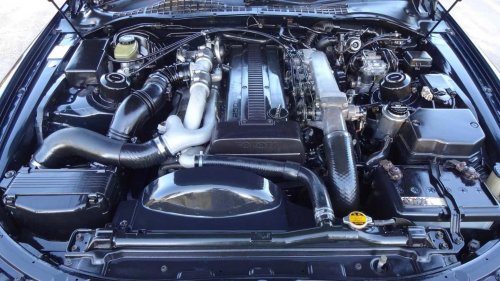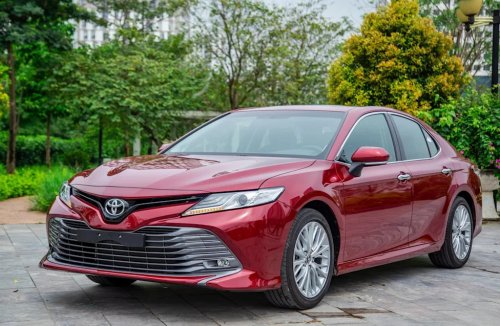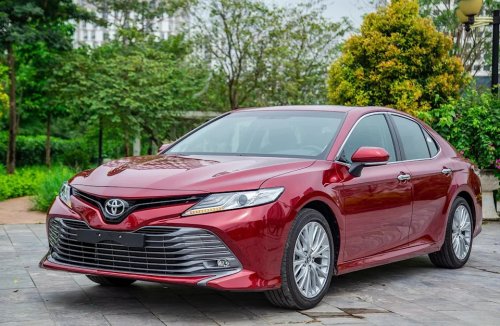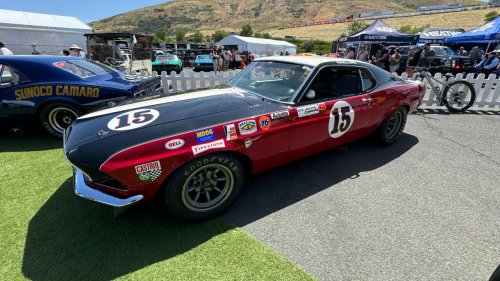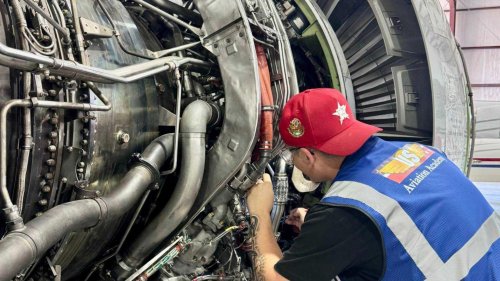
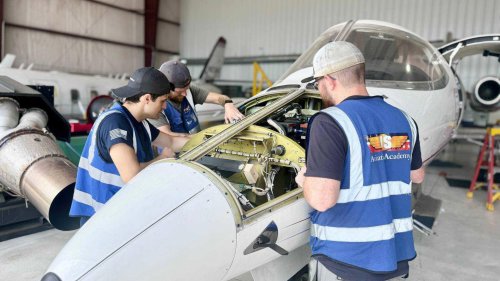
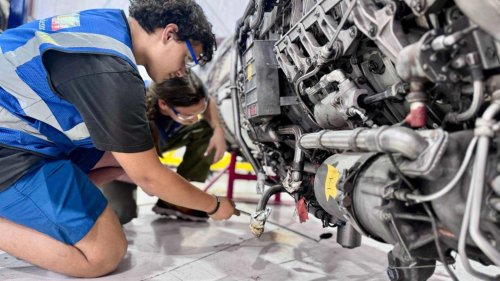
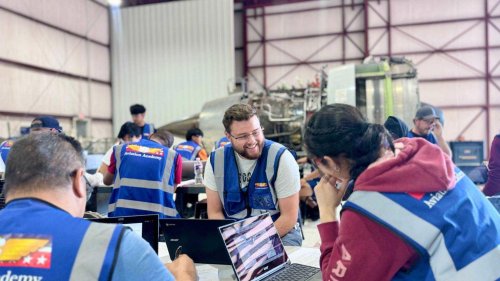



















A lot of auto mechanics entertain the idea of making the move to aviation. For many, it’s a dream to see their skills take flight as they push themselves to higher and higher levels. There’s never been a better time to do it than now, as the aviation industry is in need of skilled laborers.While an increase in pay is an incentive, it doesn’t answer the question of whether or not traditional gearheads are up to the task. The answer is yes, they are. While there are some major differences between cars and airplanes, they have a knowledge base that makes them ideal candidates for training.Don’t believe it? Let's break down some of the systems and procedures and how they compare. The Elephant In the Room: Jets VS Pistons US Aviation Academy The first thing your mind snaps to when someone says that auto mechanics have a great knowledge base for training in aviation is the fact that many airplanes use jets, not piston engines. It's natural to raise an eyebrow because the two are so different. In truth, it'd be ignorant to say that someone who knows their way around a Hemi is automatically an ace jet mechanic.That said, they aren’t as different as you think. Jets are a form of internal combustion engine. Just like with the engine in your car, air and fuel go in to make the magic happen. Only, rather than combustion driving pistons to turn a crankshaft that’s connected to the driveline, thrust is created.There is a big leap when comparing the two, but a lot of the same principles apply, and knowing how a piston-driven engine works makes it easier to understand how jets operate. That’s a big reason why auto mechanics have a major upper hand in the training pool. Planes Don’t Have Frames Like Cars, But… US Aviation Academy Like auto technicians, aviation mechanics must be familiar with the structure of an airplane. And just like how jet engines compare to piston engines, there are some major differences, but a lot of the same ideas apply.Airplane structures are worlds apart from those of a car, and a lot of it has to do with the fact that the body is very much a part of the primary function. Special structures are used for the fuselage, wings, and tail of the plane, with even the skin being a critical component. This is different from a car, where the main function is primarily reliant on the unibody or frame, with sheet metal being mostly cosmetic.Still, the concept of exterior panels being paramount to operation isn’t that hard for auto mechanics to wrap their brain around. While aerodynamics aren’t paramount to a car’s ability to get down the road, it is something most auto-centric gearheads are familiar with. Automakers and racers have harnessed aerodynamics for ages to help cars cut through the air better for performance and economy, even manipulating it to create downforce to improve traction. The same principles apply to planes, only they use forces to create lift rather than force them onto the pavement. That would be very bad.Here again we see how car nuts can have an advantage in the learning process. Also, fun fact, some airplanes do use monocoque designs, similar in concept to what’s featured on many cars today. Mechanics Work Proactively, Not Reactively US Aviation Mechanic One major difference between airplane maintenance and automotive maintenance is the fact that most aviation mechanics spend their time working proactively. If a car breaks down while driving, the risk is inherently low. The motorist can usually pull safely to the side of the road. That’s not the case for airplanes.That’s why aviation mechanics adhere to strict maintenance schedules. Parts and components are inspected, tested, and/or replaced after a set amount of time or based on total distance traveled. Furthermore, it’s also part of regular maintenance to periodically tear the entire plane down and make sure every last component is in sound working order.While the stakes are higher, this isn’t all that different from proper maintenance routines for cars. Most components have a finite service life and are replaced after so many miles have been put on a vehicle. Some of those items, like a timing belt, need to adhere religiously to that process to avoid catastrophic failure.Another overlap is in diagnostics. Like cars, planes use a plethora of sensors that can be used to tap into the many operating systems and get a read on their overall health. The only difference is that the systems are generally monitored before each flight to make sure everything is working flawlessly, while auto mechanics typically only perform diagnostics when something fails or during yearly inspections. Training Is Key US Aviation Academy No. An auto mechanic can’t just strut into a hangar and start out-wrenching everyone in sight. Their experience does make them more trainable than most candidates and preferred for mentorship. The only question is if they’re willing to take the next step and push their skills to a higher level.US Aviation Academy offers FAA-approved curriculum with 8-month day and 15-month night courses at four convenient locations: Dallas, Texas, Austin Texas, Minneapolis, Minnesota, and Atlanta Georgia. Learn more at www.usaviationacademy.com/mechanics