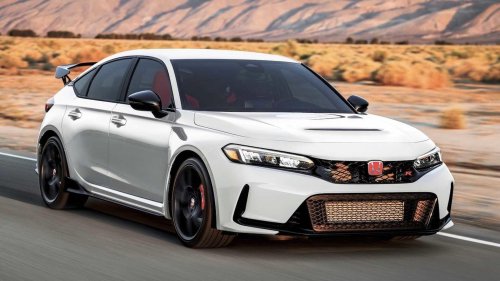
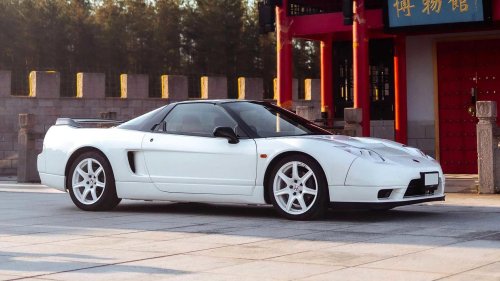
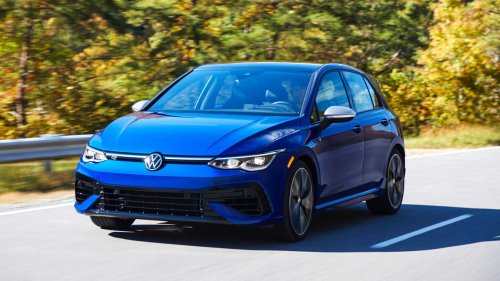
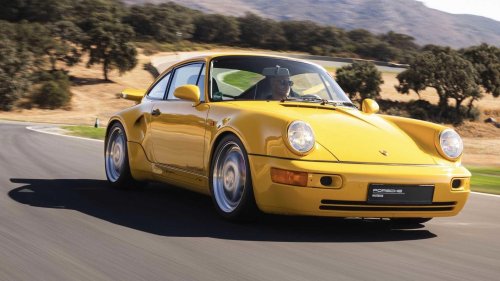
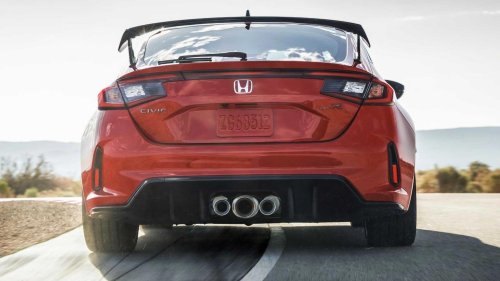
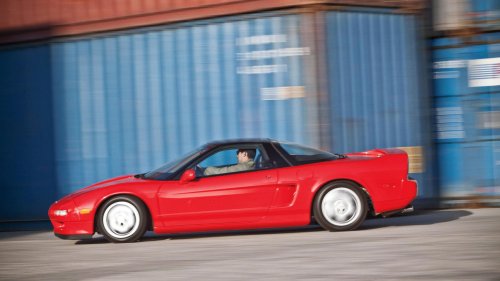
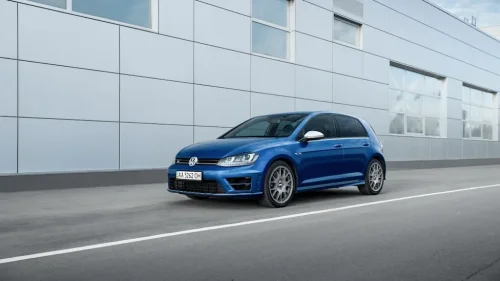
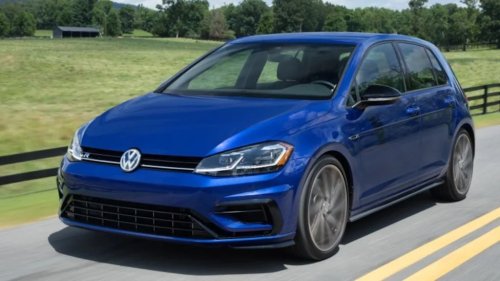
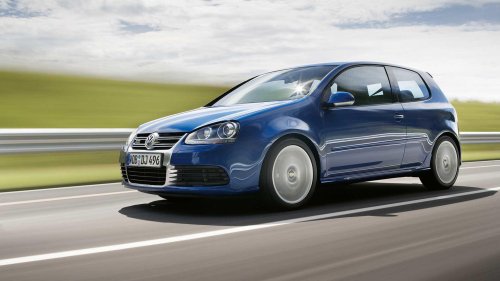
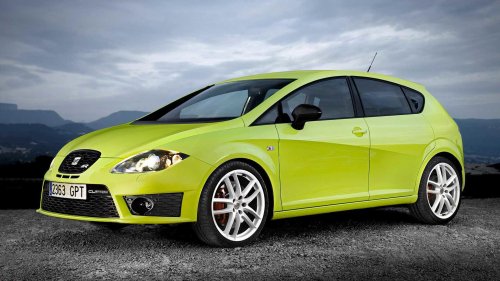
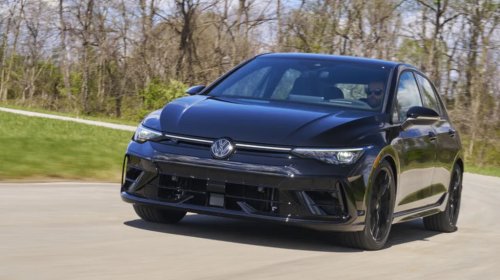
In the 90s, supercars like the Ferrari F355, Honda NSX and Porsche 911 Turbo were the stuff of dreams. Printed posters of these cars adorned the bedroom walls of teenagers around the world. Kids went to the dealerships selling these cars, staring at them through the window, dreaming about one day owning such a machine. These cars represented the essence of a car. Fast, beautiful, exotic, exclusive, expensive... these were the apex machines of their time.Fast-forward 30 years, and you now buy a practical and luxurious hot hatch with seating for five that is as fast, or even faster, than those 90s supercar idols. But which is really faster? Here are three pertinent case studies... with some rather speedy results.In this comparison, the term "quicker" refers to the 60 mph sprint. Back in the 90s, top speed was a big thing, but the top speed of modern cars is often limited, so this is no longer as relevant as it used to be. Three popular 90s supercars that featured on many a teenager's bedroom walls were selected, and we steered clear of mega supercars like the Porsche 959 and Ferrari F40. Honda Civic Type R Vs. Honda NSX Honda Honda shook the supercar establishment in the 90s when it revealed its game-changing NSX supercar. Critics pointed out that the NSX is not a "real" supercar, since it had only 270 hp. What? A 270-hp supercar? The impertinence! But then reports started filtering through from folks who had actually driven the NSX, and the narrative changed.Reports stated that Honda redefined the supercar genre, with its V6 engine located behind the seats, driving the rear wheels, providing the most authentic driving experience, merging human and machine in one complete performance package.Broad Arrow Auctions It is so good that famed designer Gordon Murray used the Honda NSX as his daily and as the inspiration for creating what many still consider the greatest supercar the world has ever seen, the McLaren F1. So suffice to say that it is really, really great. But is it faster than its modern sibling, the 315-hp Civic Type R?The iconic Type R, a hybrid between a sedan and a hatch, is the fastest front-wheel-drive car around the Nürburgring in Germany. It is powered by a turbocharged, two-liter four-cylinder engine, with a six-speed manual gearbox sending the power to the front wheels via a limited slip differential. It is a magnificent thing, offering power, handling and, a bit like the NSX, all the right feels.But talk is cheap. Let's look at the numbers:Numbers don't take into account the sheer driving pleasure the Honda NSX provides, the V6 VTEC engine revving to a glorious 8,000 rpm. But on numbers alone, the Civic Type R takes it. Round one goes to the modern hot hatch. Volkswagen Golf R vs Porsche 911 Turbo Volkswagen The Germans came out swinging in the 90s, creating some of the greatest supercars of the era. Take the Porsche 911 Turbo, for instance. In 1992, the 911 Turbo was the fastest accelerating production car on the planet, reaching 60 mph in just 4.8 seconds. It is powered by a reworked version of Porsche's turbocharged, 3.3-liter flat-six engine, with 320 hp in the bank.In this version, Porsche's engineers managed to reduce turbo lag, and the drive was sent to the rear wheels via a five-speed manual gearbox. It also had coil springs, power steering and anti-lock brakes as standard kit, along with the traditional Turbo "whale tail" rear spoiler. It was not only fast, it was also renowned as a great daily driver, offering all the comfortable amenities.Porsche It was even less prone to try and land up in a ditch next to the road, a tendency of earlier Turbo models that earned it the title of widow maker. In short, the 1992 Porsche 911 Turbo is a true supercar icon, and you'll need around $400,000 to park a pristine example in your driveway.Enter the Volkswagen Golf R, a highly accomplished hot hatch with a trophy case full of awards. The Golf R is powered by a two-liter, turbocharged four-cylinder engine, producing an impressive 328 hp. Well-made, fast and a luxurious and comfortable daily runner, the all-wheel-drive Golf ticks a lot of "great" boxes. And it is far from done, too.But how does it stack up against the iconic 911 Turbo? Here we go:It's a close call, but the legendary Porsche 911 Turbo just pips the Volkswagen Golf R to 60 mph. Amazingly, the fastest accelerating production car in 1992 is just half-a-second faster to 60 mph than a modern and luxurious five-door hatch. Audi RS3 vs Ferrari F355 Audi The Ferrari F355 made its debut in 1994. Powered by a V8 engine that spins to 8,000 rpm, the Ferrari makes all the right noises, bringing a banshee howl to the game. It is fast, too, getting to 60 mph in less than five seconds, and topping out at 179 mph. But like any blue-blooded Ferrari, the F355 is more than just the numbers. It is about the six-speed, gated manual gearbox, the rear-wheel drive, the driving experience, the screaming V8 as the rev counter relentlessly chases down the red line. It is a magnificent supercar, it is.Enter the Audi RS3 Sportback. And like the famous Audi Quattro that rewrote the motorsport rule books, the RS3 is powered by a turbocharged, 2.5-liter five-cylinder engine. The latest generation EA855 engine makes a heady 395 hp, and combined with a seven-speed dual-clutch gearbox and the Quattro all-wheel-drive system, the RS3 Sportback will blast to 60 mph in just 3.8 seconds, and top out at more than 180 mph.Ferrari Compared to the Ferrari, the Audi's cabin represents the lap of luxury, with all the modern amenities, plush leather, spectacular sound system, and refinement that makes the Ferrari seem like an archaic relic from the past. Here are the numbers:Yep, the Audi blows the Ferrari out of the water when it comes to the performance numbers. It makes more horses, way more torque, is almost a second faster from standstill to 60 mph, and it reaches a higher top speed. What on earth is the world coming to? And The Winner Is... Honda How long is a piece of string? That sums up this comparison. Also, how thick is your wallet? Acquiring a 30-year-old Ferrari F355 may seem like a brilliant plan, but keeping it in tip-top shape will require a considerably bigger purse than when you buy a 2025 hot hatch.But essentially, when we specifically talk about the sprint from standstill to 60 mph, the modern cars generally have an edge over their iconic rivals (if you don't count mega supercars like the Porsche 959, Ferrari F40, and so on). This is mostly thanks to advancement in drivetrain technology, with the modern cars better-equipped to put the power down in the most efficient manner, resulting in faster sprint times.RM Sotheby's That said, the same modern hatches – as cool and as fast as they are – can't compete with the classic 1990s supercars in terms of an analog driving experience. In those supercars, you feel every engine revolution reverberating through your body as you chase the horizon, the engine screaming and even making the old-timers on the porch of the retirement village crack a smile, and wave a walking stick in appreciation.Just mind your wallet when you have to service that Porsche 911 Turbo, Ferrari F355 or Honda NSX.