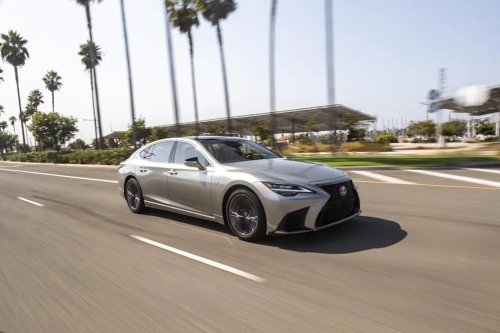
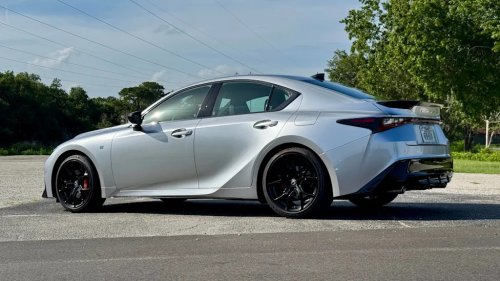
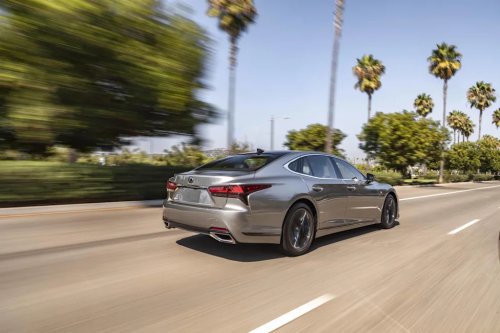
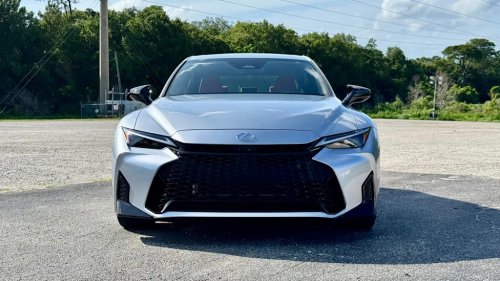
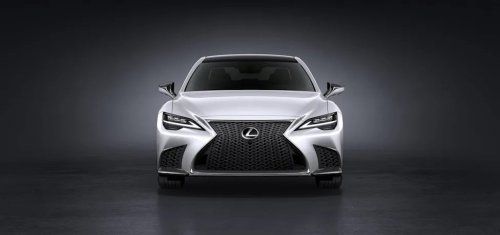
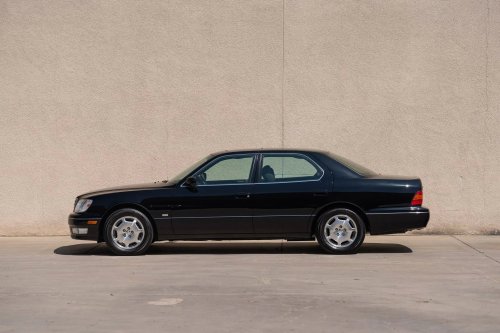
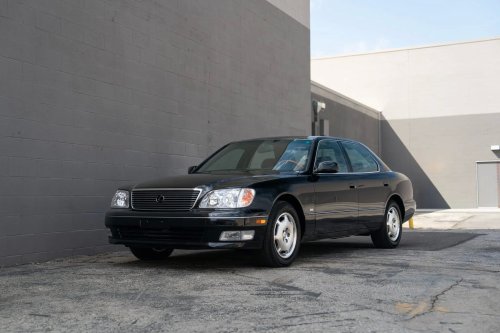
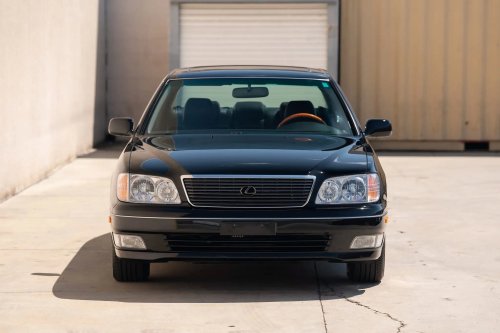
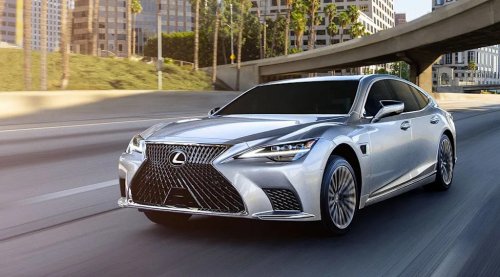
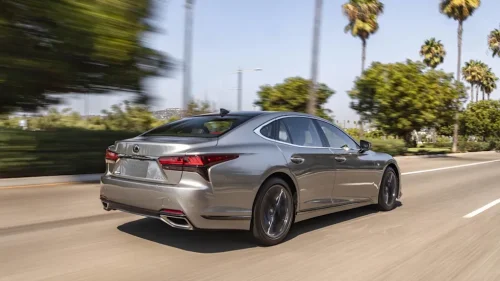
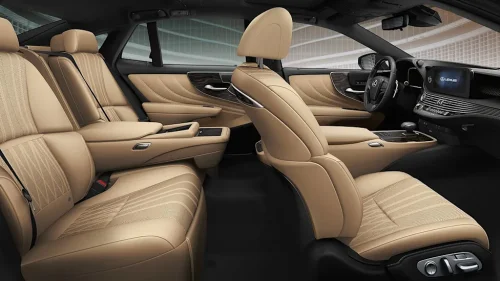
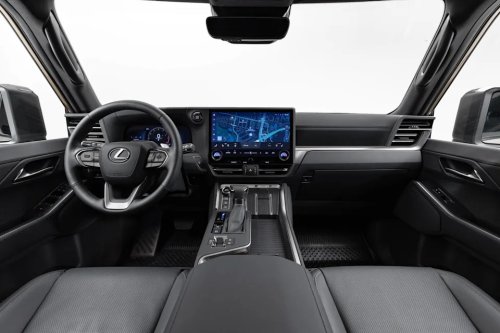
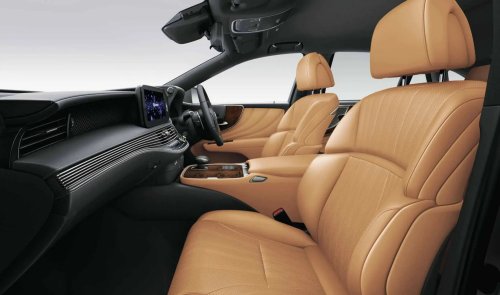
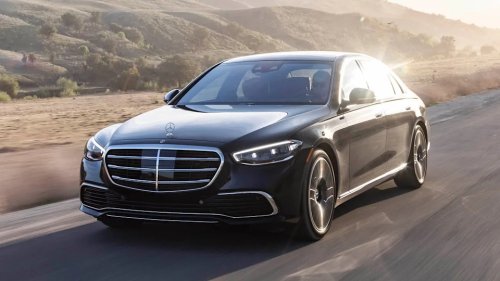
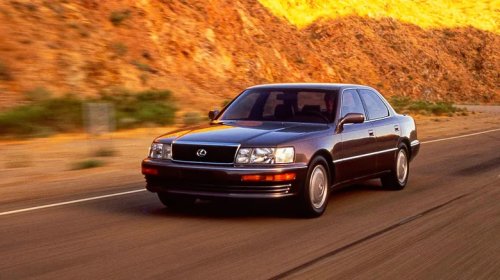
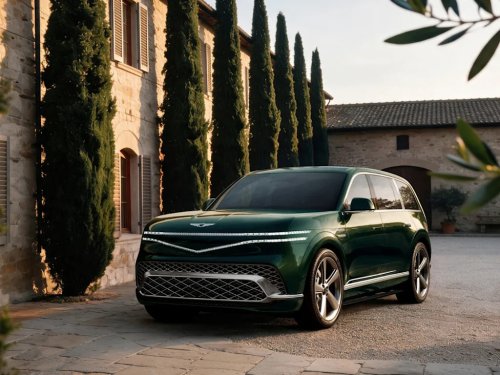
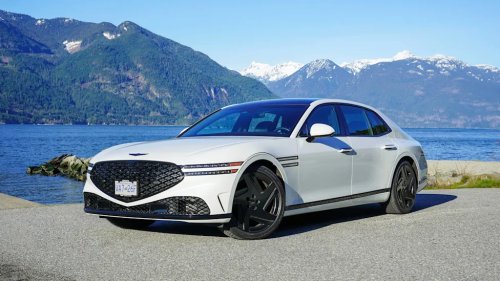
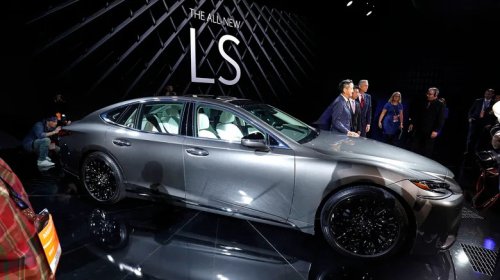
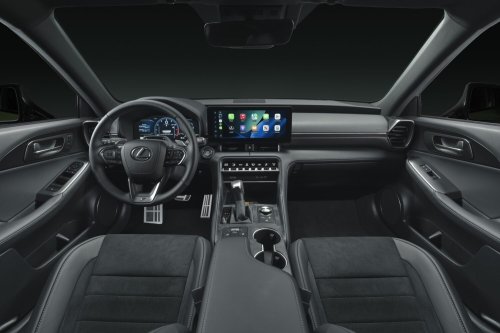
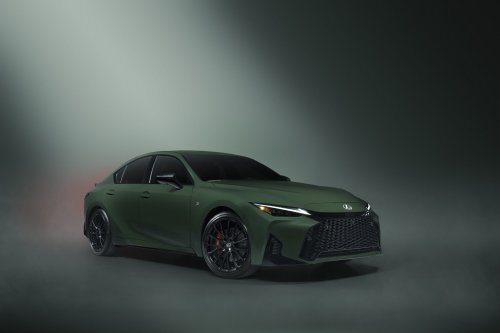
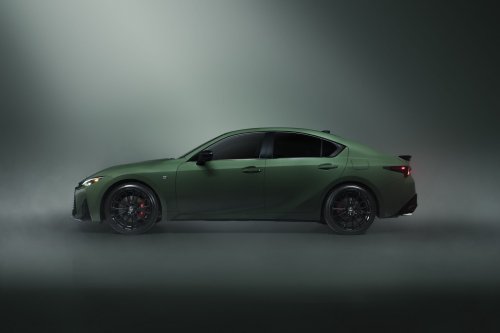
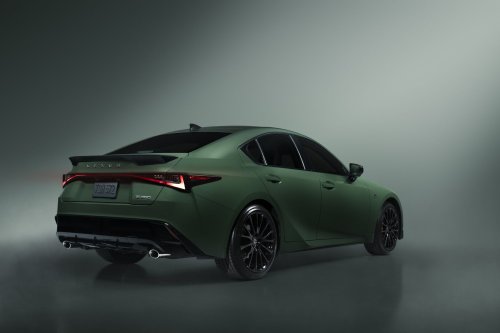
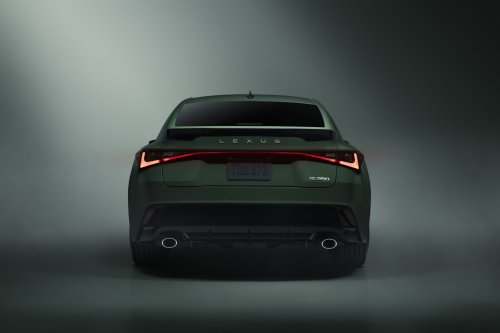
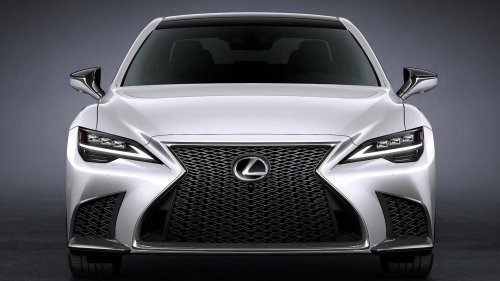
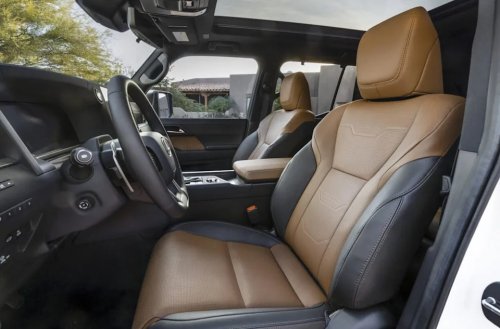
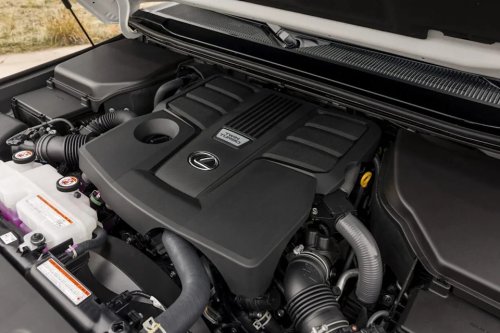
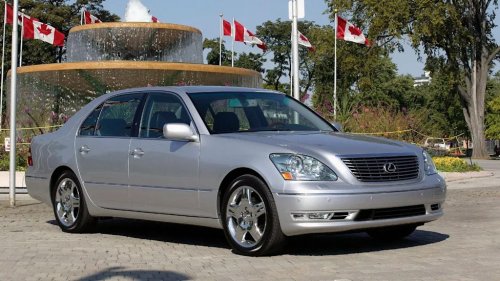
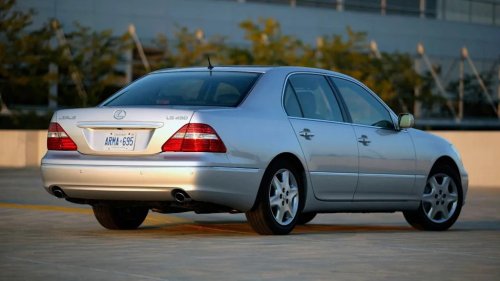
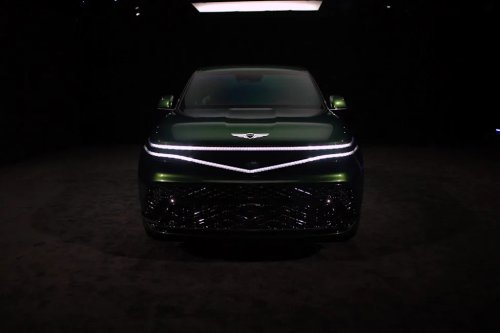
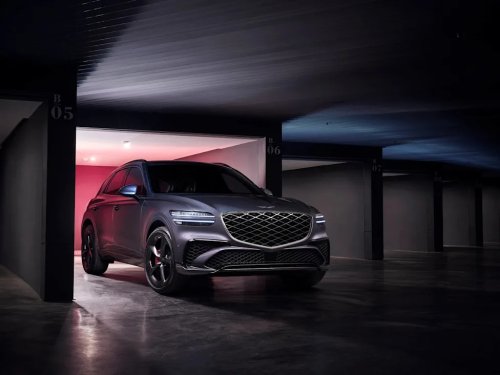
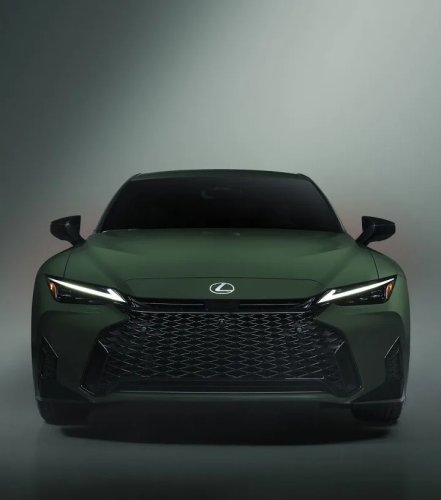
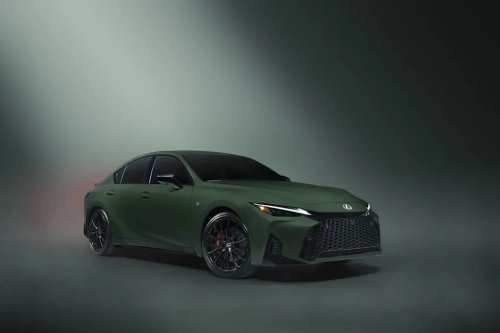
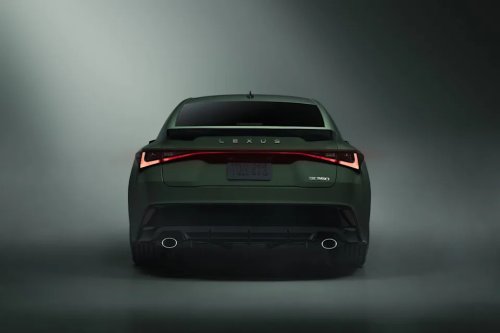
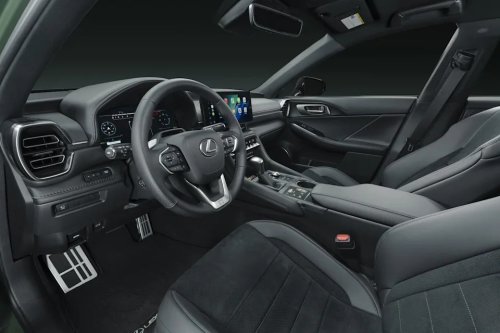
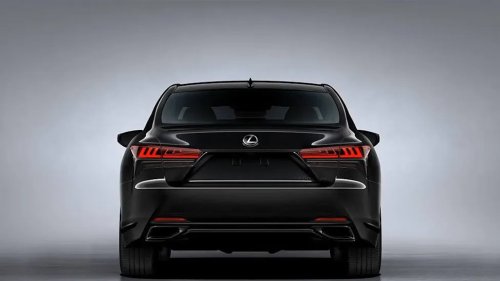
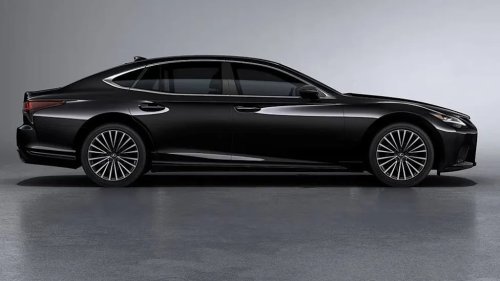
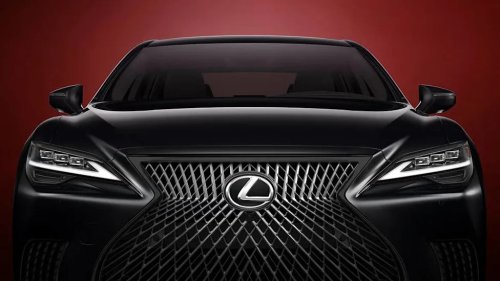
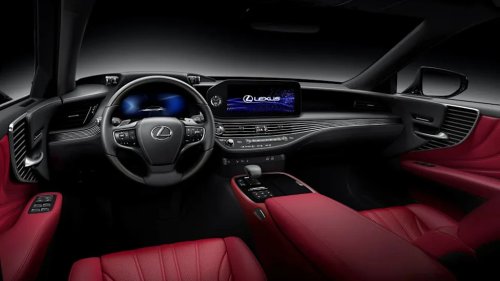
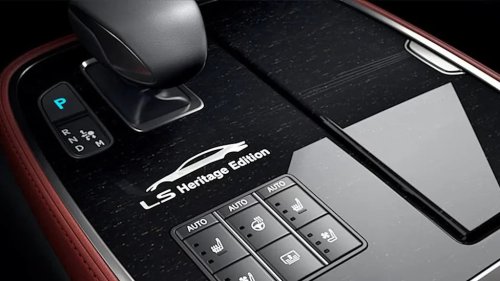
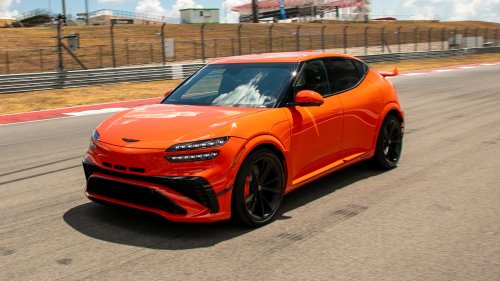
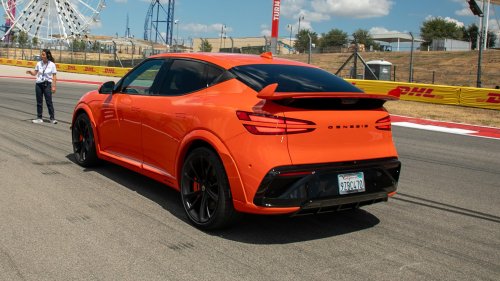
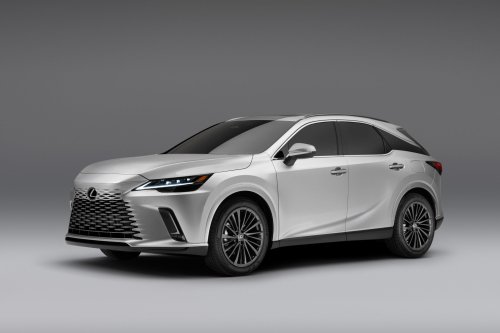
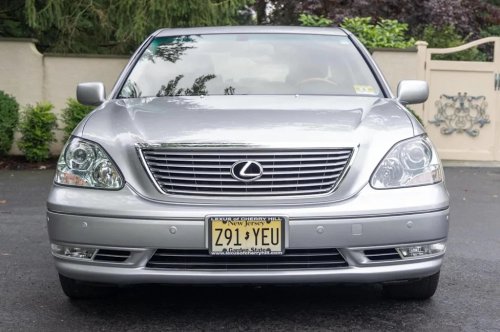
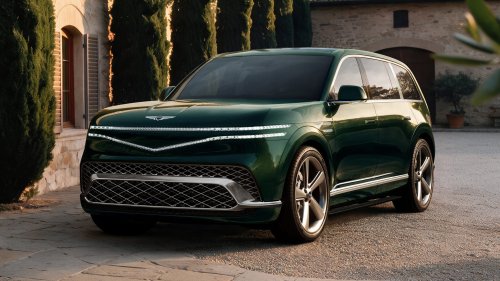
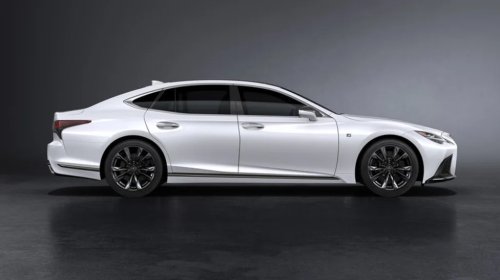
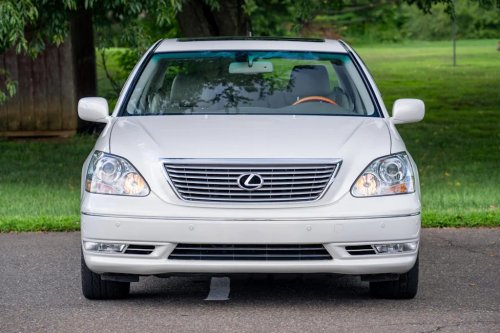
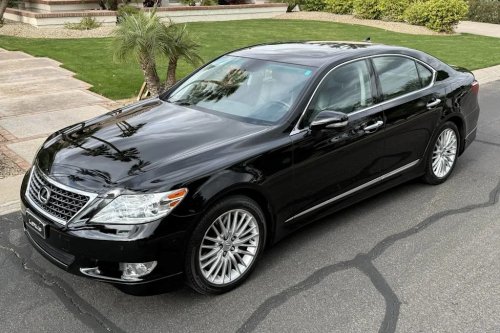
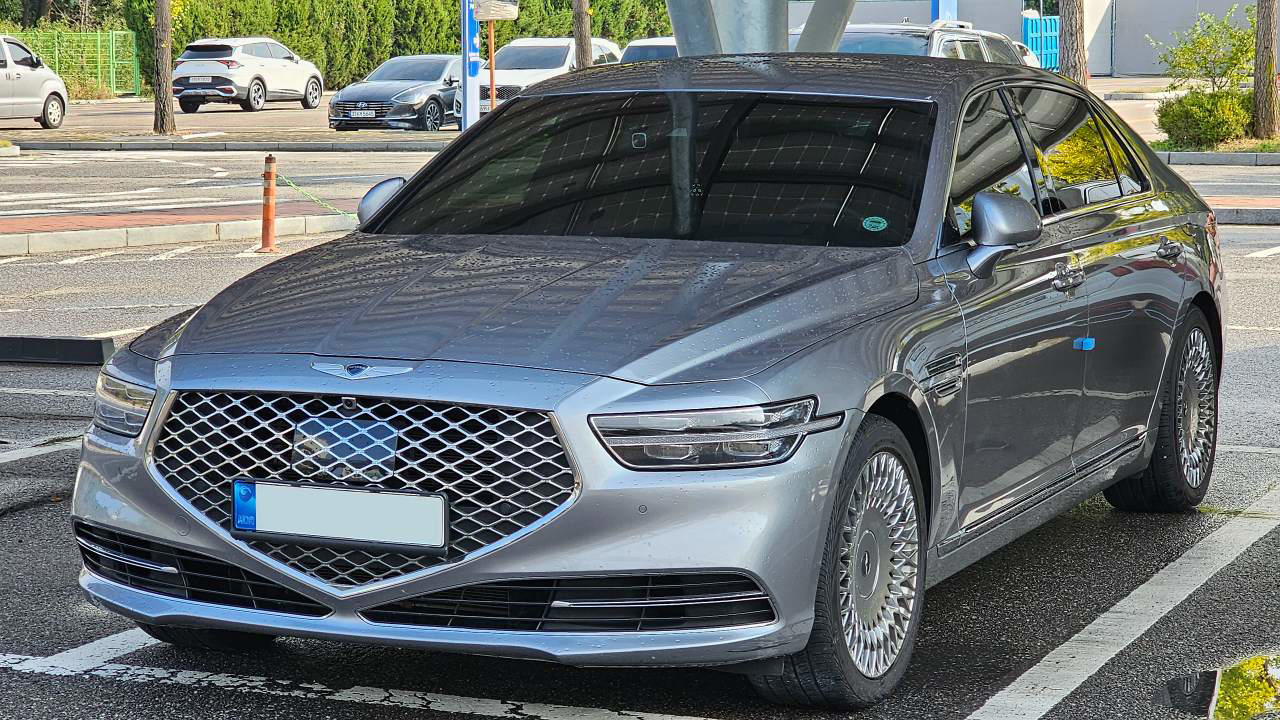
Lexus LS vs Genesis G90 comes down to one decision most buyers don’t expect at $100KAt around 100,000 dollars, flagship luxury sedans stop being rational purchases and start becoming rolling value statements. The Lexus LS and Genesis G90 both promise near S‑Class comfort for less money, yet shoppers who cross-shop them often discover that the real dividing line is not price, power, or even prestige. It is whether they want to be the one driving, or the one being driven. That single decision, driver’s car or chauffeured lounge, quietly shapes everything from seat design to suspension tuning. In the LS and G90, it also determines which brand makes more sense when a buyer is about to wire six figures for a four-door that will probably never see a racetrack. What happened Both Lexus and Genesis have spent the last few years refining their flagships into sharply focused but very different products. The current Lexus LS leans heavily into its heritage as a Japanese take on the German executive sedan template, with a low seating position, a relatively tight cabin for the class, and a chassis tuned to feel composed at speed. Even in its more comfort-oriented trims, the LS still carries the stance of a car designed around the driver’s seat. The Genesis G90, by contrast, has been engineered from the outset as a quasi-limousine. Reviewers who have sampled the latest G90 describe a cabin that prioritizes rear legroom, reclining rear seats, and a ride quality that aims to isolate occupants from the outside world. One detailed assessment of the Genesis G90 likened it to a car that borrows tricks from far more expensive British sedans, particularly in how it pampers passengers rather than encouraging spirited driving. Both cars sit in a similar pricing band when comparably equipped. The LS, especially in higher trims with features like adaptive air suspension and advanced driver assistance suites, easily climbs into six-figure territory with options. The G90, which comes with an extensive list of standard equipment, also lands in that 100,000 dollar neighborhood once a buyer selects the more powerful engine and top luxury packages. In practice, transaction prices often overlap enough that cost alone does not settle the debate. Powertrains highlight the philosophical split. The LS typically pairs a twin-turbocharged V6 with a focus on smooth, quiet thrust rather than headline-grabbing acceleration figures, while its hybrid variant trades some outright power for efficiency and serenity. The G90 offers a turbocharged V6 as well, tuned to deliver strong midrange torque that moves the big sedan with little drama. In both cases, output is more than adequate for highway passing and confident merging, but neither car tries to be a sports sedan in the way a BMW M-badged model might. Inside, the differences sharpen. The Lexus LS cabin is meticulously finished, with intricate stitching, artful trim, and a dashboard that wraps around the driver. Controls are oriented toward the front seats, and while the rear accommodations are comfortable, they feel like an extension of a driver-first layout. The Genesis G90 interior, on the other hand, feels almost symmetrical in its attention to front and rear. Rear passengers often enjoy features such as separate climate zones, extensive seat adjustment, and in some configurations, entertainment controls that make the back row feel like the true VIP space. Why it matters For buyers, the LS versus G90 choice is less about spec-sheet one-upmanship and more about how the car will live day to day. Many shoppers in this segment expect to drive themselves most of the time, even if they occasionally use a car service. For them, the Lexus LS appeals as a car that still communicates with its driver. The steering, seating position, and overall ergonomics create a sense of being in control of a precision tool, even when the car is gliding quietly in traffic. Those who anticipate spending serious time in the rear seat, or who plan to employ a driver, will often find the Genesis G90’s priorities better aligned with their reality. The G90’s ride tuning, particularly in versions fitted with adaptive suspension and noise reduction technologies, favors isolation over feedback. The rear seats can be configured with features that effectively turn the cabin into a rolling lounge, which changes the character of every trip from commute to commute-as-service. This split has broader implications for how each brand positions itself. Lexus built its reputation in North America on bulletproof reliability and understated luxury, and the LS continues that narrative. Owners who plan to keep a car for a decade or more, or who value dealership networks and long-term dependability, often lean toward the LS. The car’s conservative styling and familiar brand cachet also appeal to buyers who want their six-figure sedan to project stability rather than experimentation. Genesis, by contrast, is still writing its story in the flagship space. The G90 functions as a statement that the brand can deliver S‑Class levels of comfort at a lower price, while also offering a fresher design language and a more daring interior aesthetic. The value case is strong, especially when standard equipment is tallied. Features that cost extra on rivals often come bundled on the G90, which helps buyers rationalize choosing a newer badge over a legacy luxury nameplate. Yet the central surprise for many shoppers is that the financial calculus often fades behind the lifestyle question. At 100,000 dollars, the monthly payment difference between an aggressively discounted LS and a well-equipped G90 is rarely life-changing for the target customer. What matters more is whether the car feels like an extension of their workday or an escape from it. The LS tends to suit executives who still enjoy the act of driving, perhaps on early morning commutes or late-night highway runs. The G90 tends to attract those who see the car as a mobile office or relaxation pod, where the experience in the rear seat is at least as important as what happens behind the wheel. There is also a cultural angle. The Lexus LS has decades of presence in corporate fleets, hotel driveways, and high-end suburbs, and it carries a quiet authority that many buyers appreciate. The Genesis G90, while increasingly visible, still has some novelty factor. For some owners, that newness is a feature, not a bug. They like explaining that their sedan brings Bentley-like comfort for a fraction of the cost, and that it reflects a willingness to look beyond the usual German and Japanese suspects. What to watch next The next few years will test how durable these strategies are. Electrification is creeping into every corner of the luxury market, and both brands will need to decide how to translate their flagship identities into hybrid or fully electric formats. If Lexus leans into driver engagement even as it adds batteries and electric motors, it may keep the LS as the choice for those who still want a traditional driving experience with modern efficiency. If Genesis continues to double down on rear-seat comfort, its future flagships could become even more like chauffeured limousines, regardless of what powers them. Consumer behavior will also be telling. If more high-end buyers in North America adopt chauffeur services or ride-hailing for daily commuting, the G90’s passenger-first focus could prove prescient. In markets where owner-driven luxury sedans remain the norm, the LS may hold an edge. Watching where each model sells strongest, and how those customers actually use their cars, will reveal whether the driver versus passenger bet pays off. Pricing dynamics are another factor. Genesis has used aggressive equipment levels and competitive pricing to gain attention, but as the brand matures, it may nudge the G90 further upmarket. Lexus, for its part, may respond with more lavish rear-seat packages or special editions aimed at buyers who might otherwise drift toward chauffeur-focused rivals. The moment the LS starts to feel more like a limousine, or the G90 starts to feel more like a driver’s car, the neat divide between the two could blur. More From Fast Lane Only: Unboxing the WWII Jeep in a Crate 15 rare Chevys collectors are quietly buying 10 underrated V8s still worth hunting down Police notice this before you even roll window down The post Lexus LS vs Genesis G90 comes down to one decision most buyers don’t expect at $100K appeared first on FAST LANE ONLY.



















 +80 others