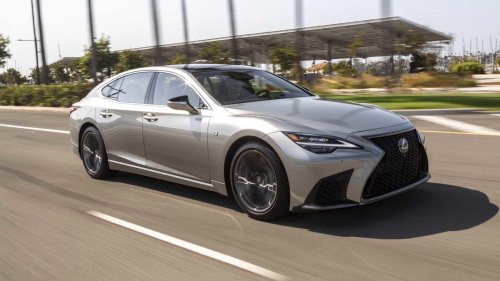
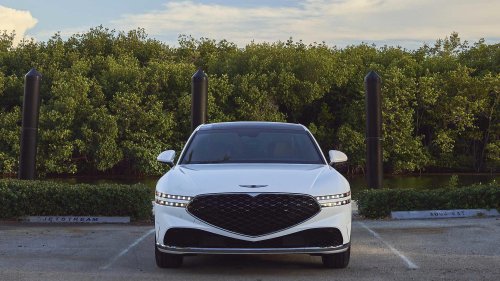
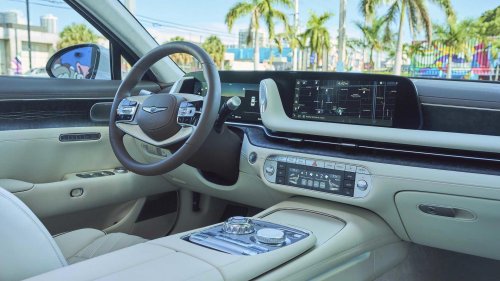
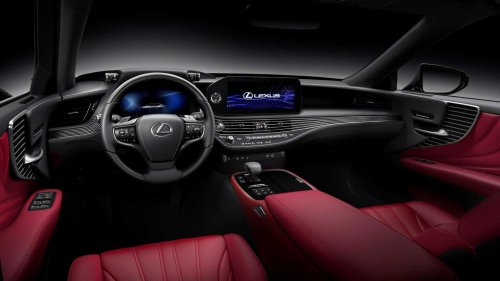
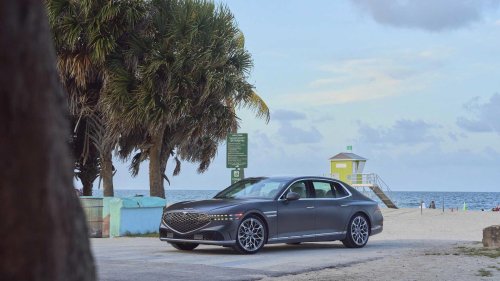
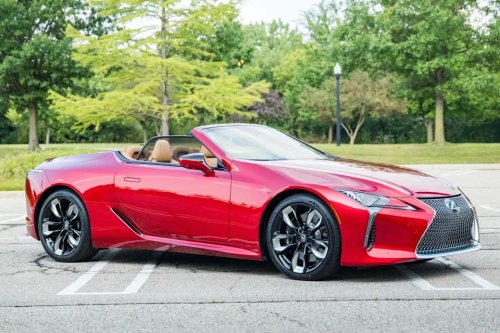
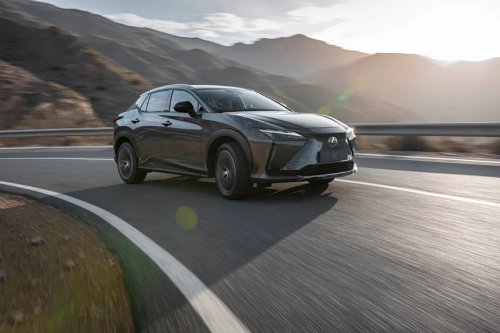
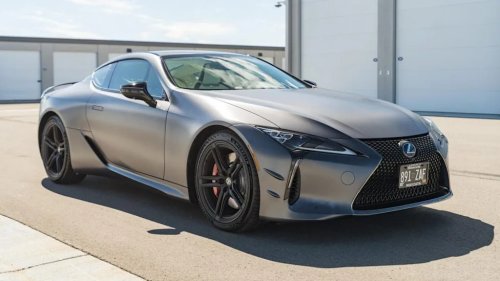
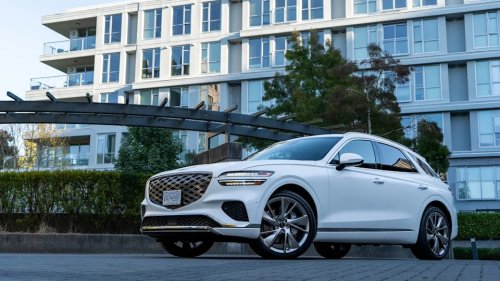
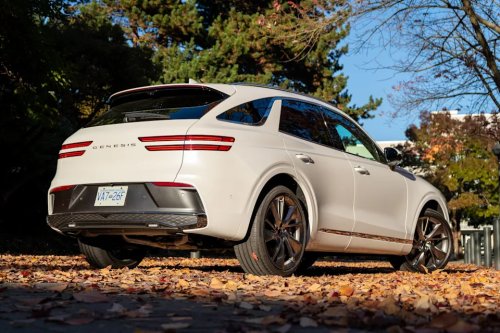
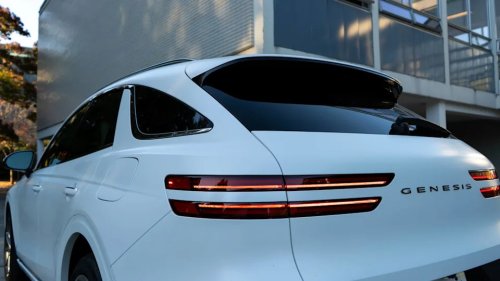
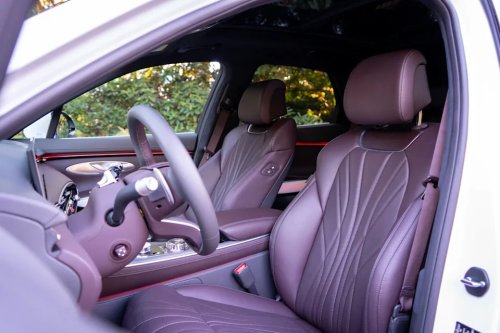
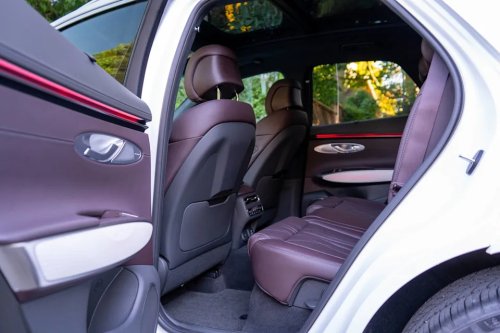
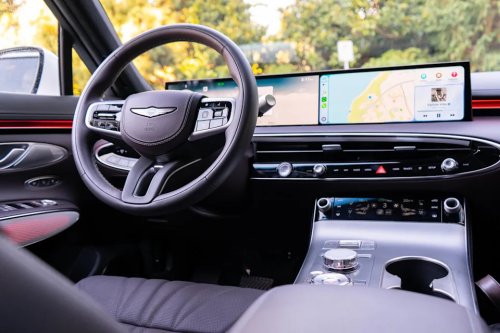
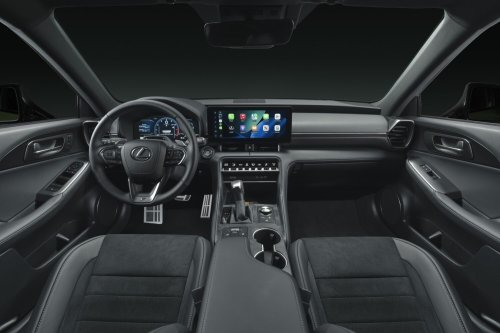
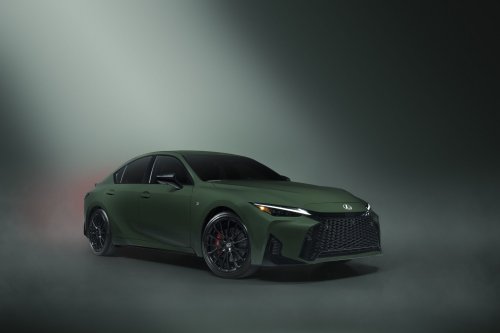
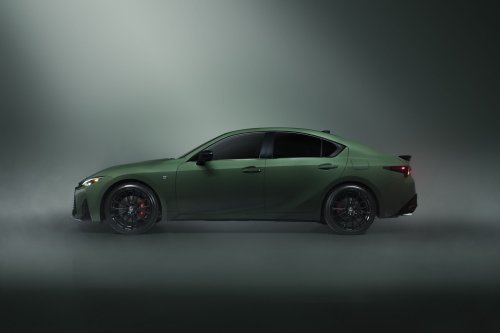
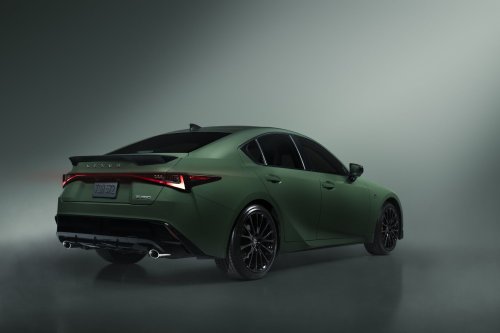
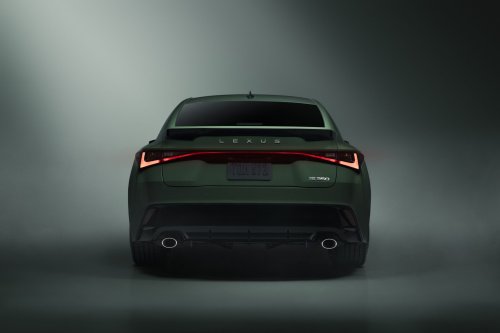
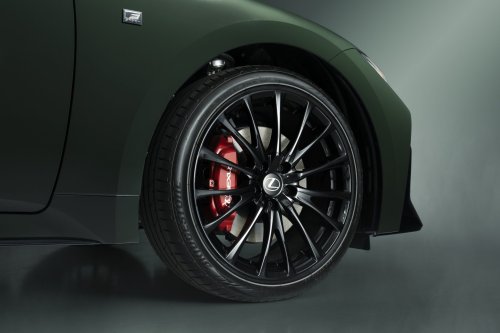
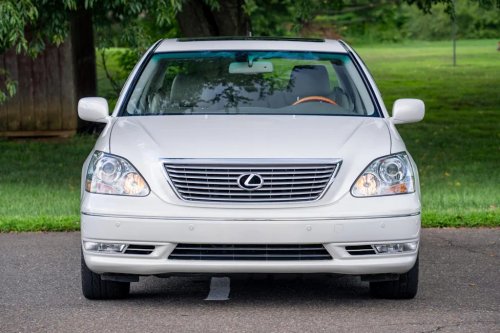
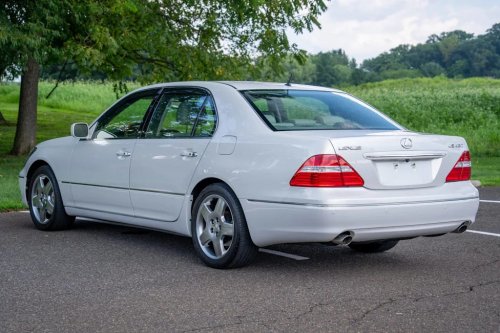
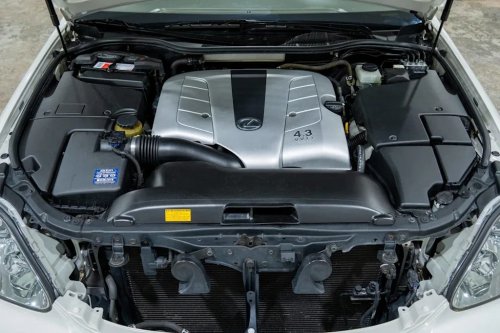
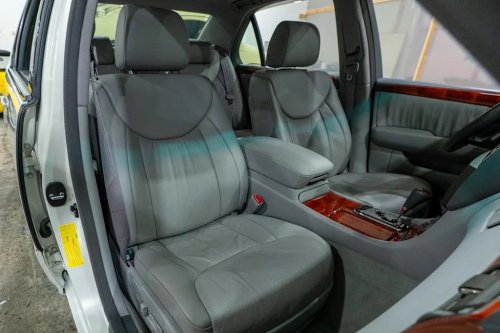
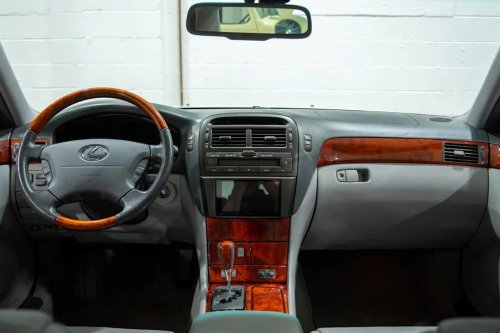
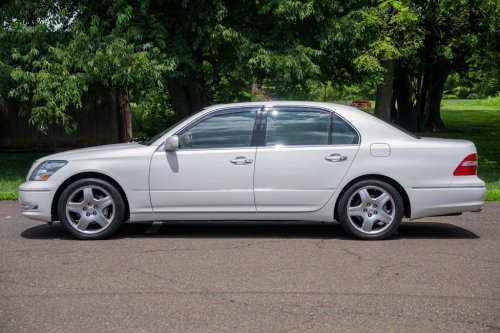
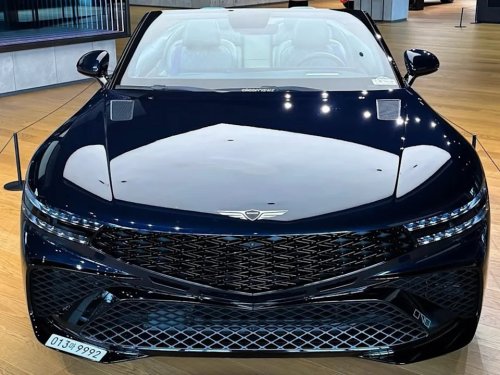
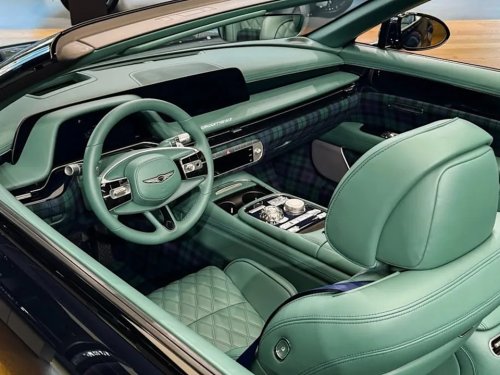
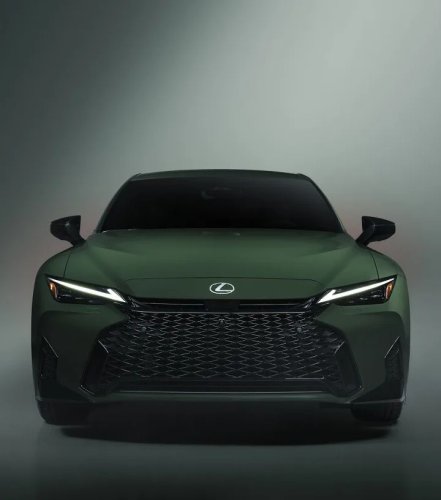
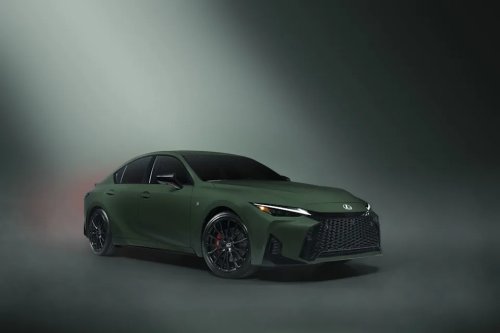
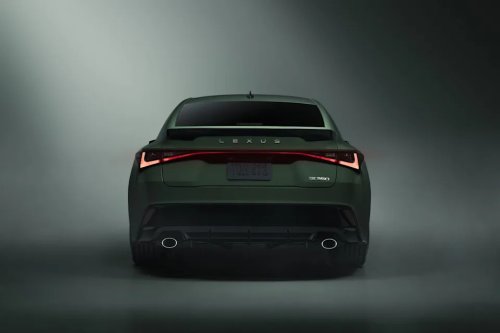
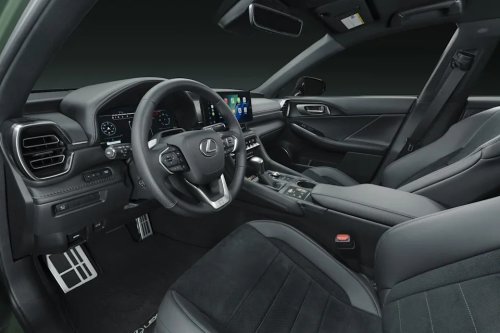
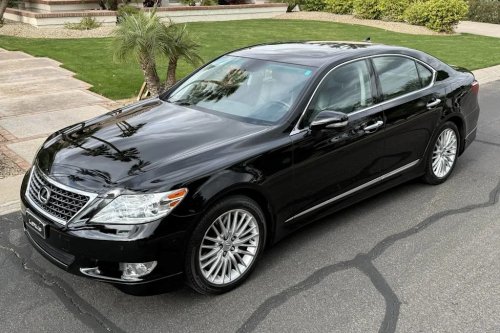
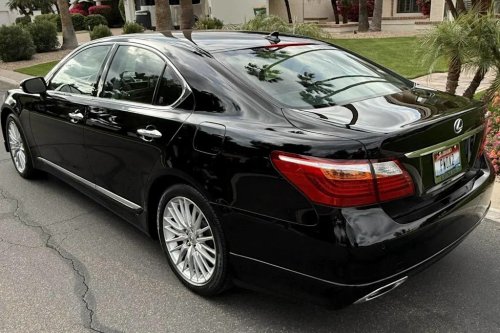
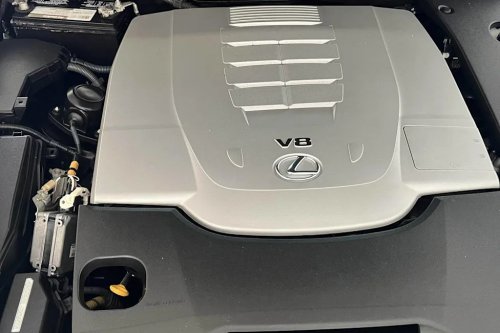
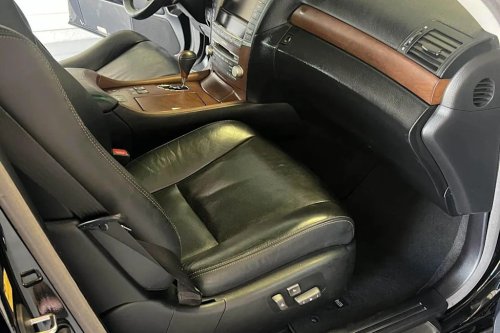
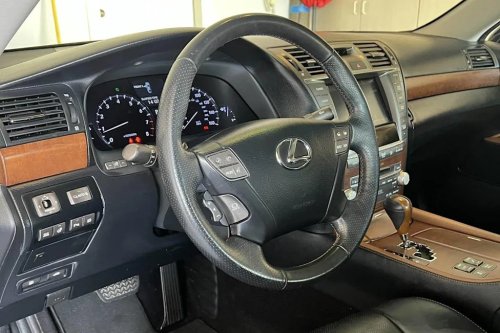
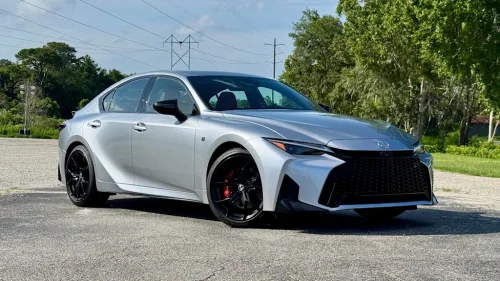
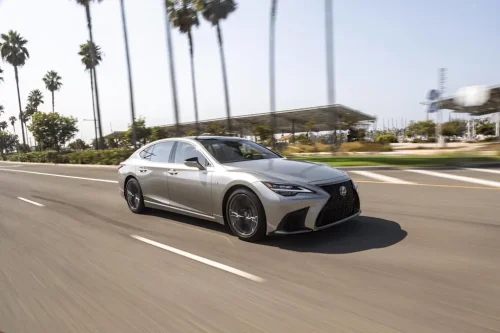
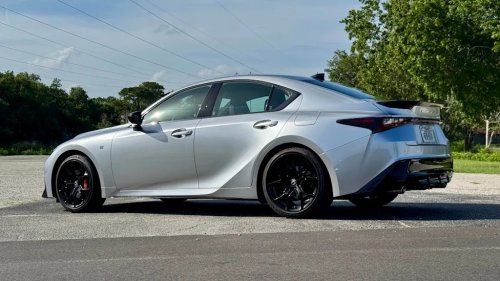
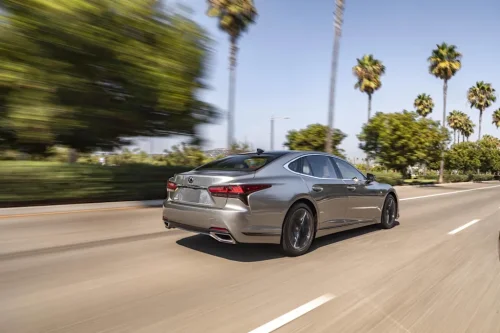
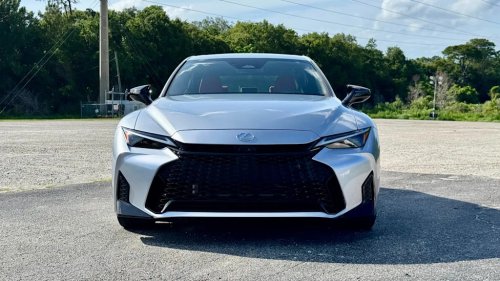
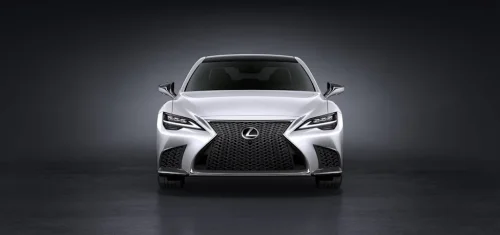
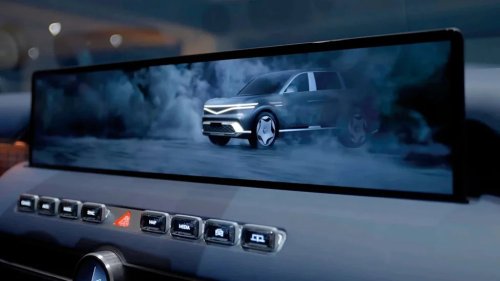
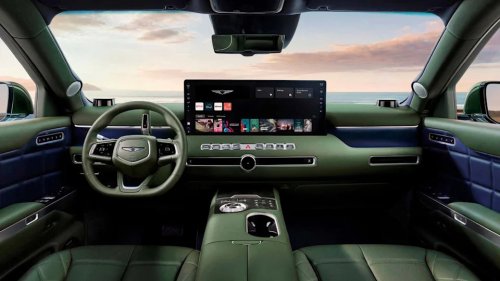
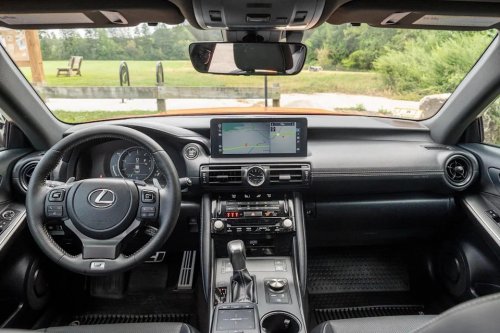
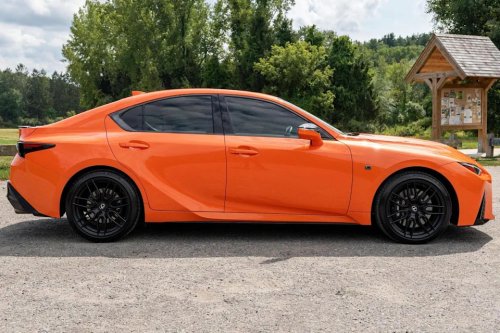
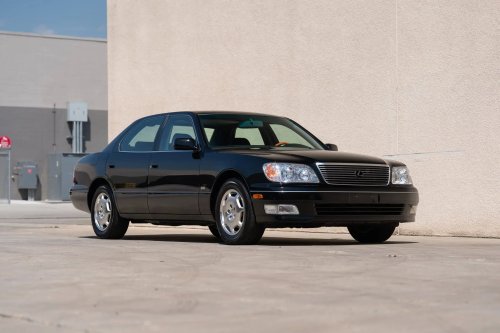
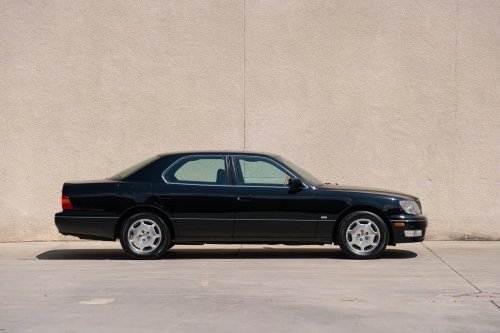
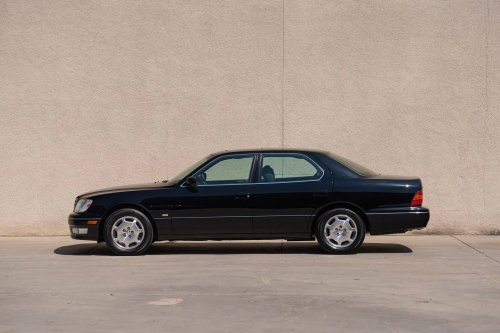
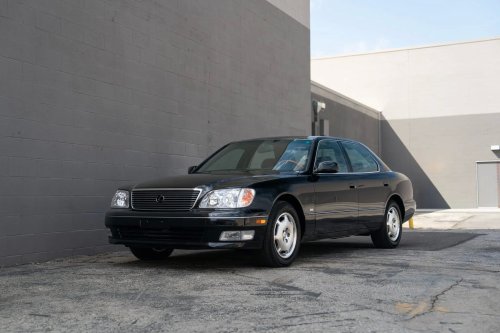
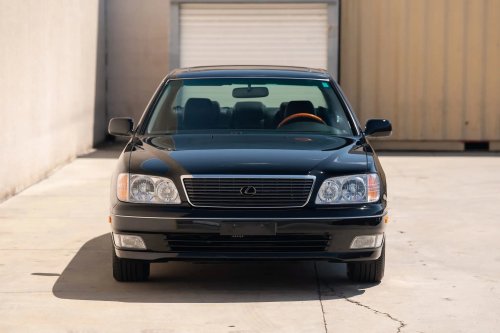
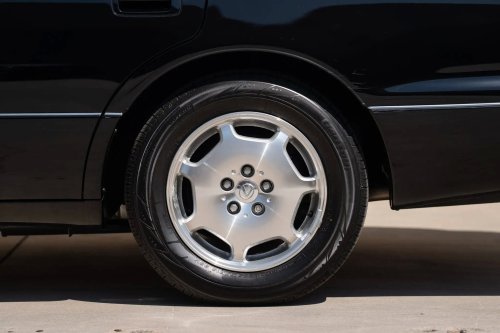
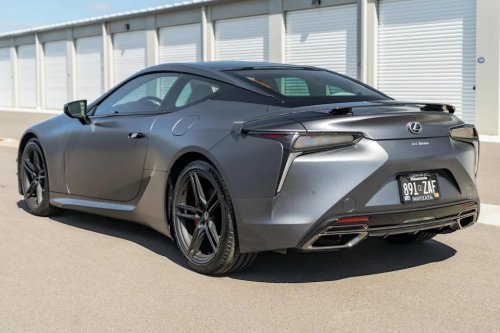
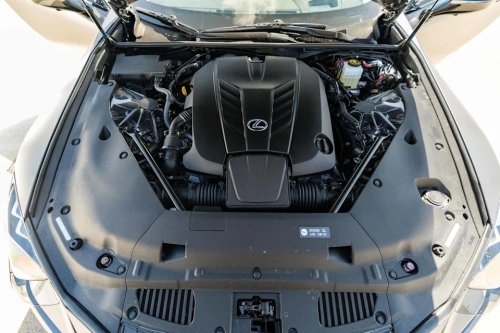
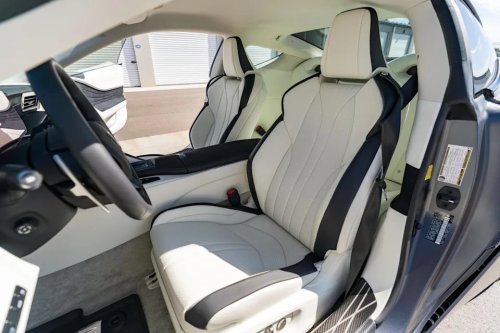
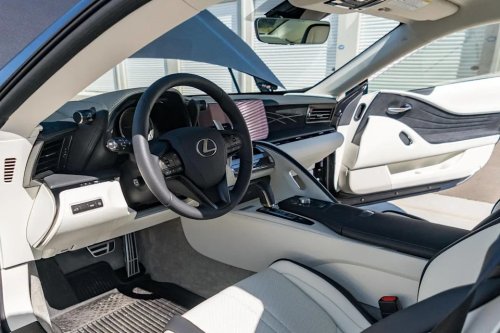
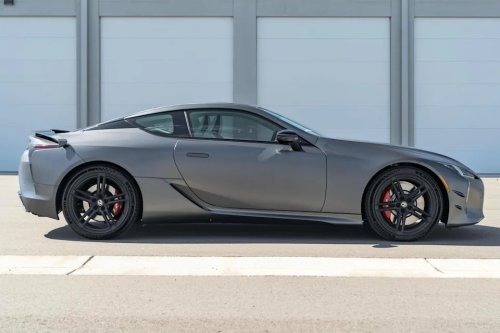
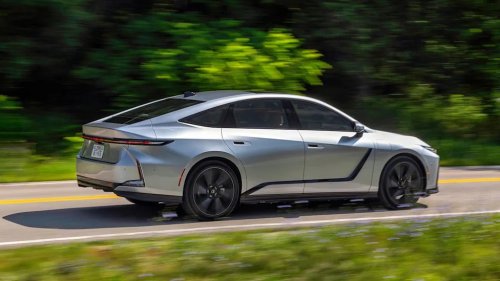
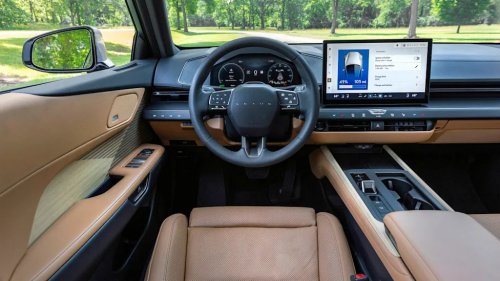
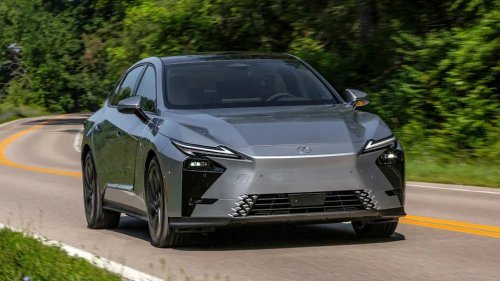
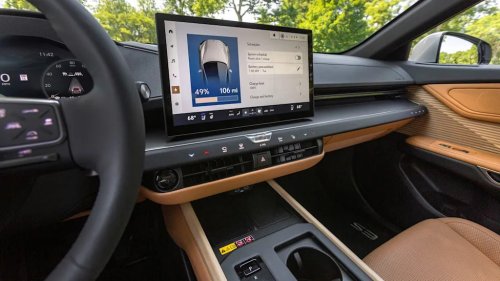
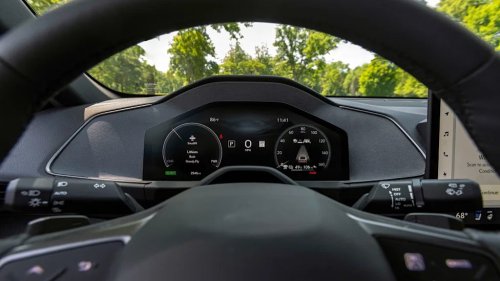
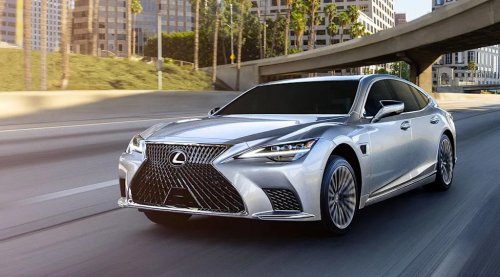
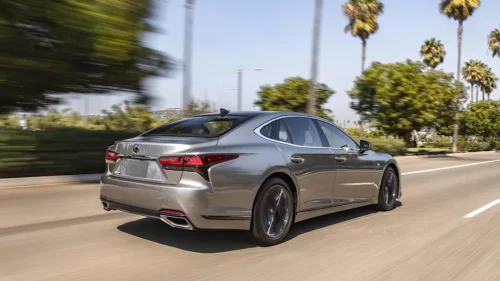
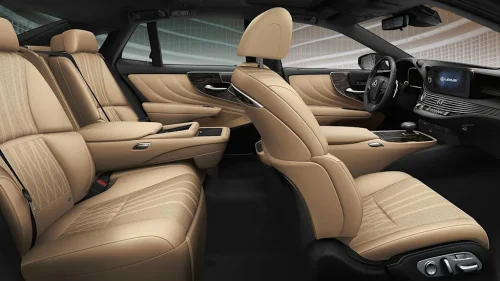
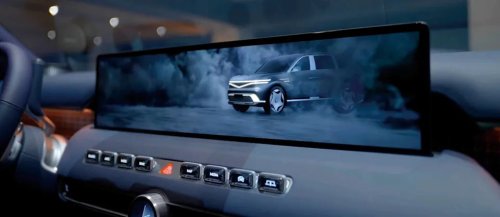
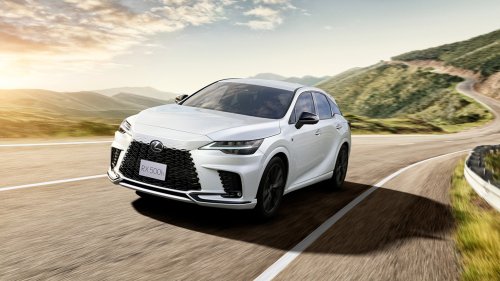
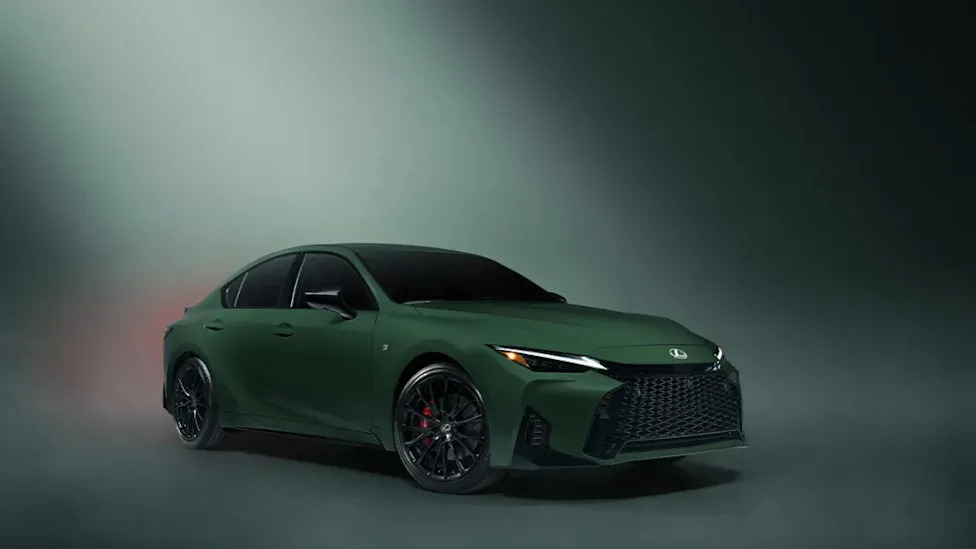
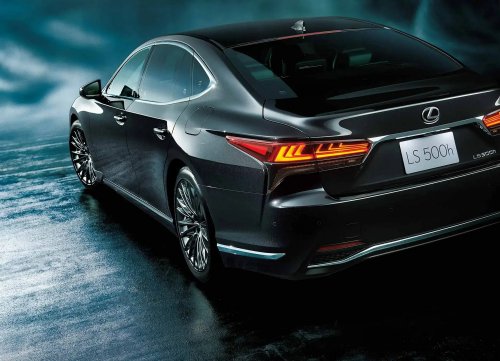
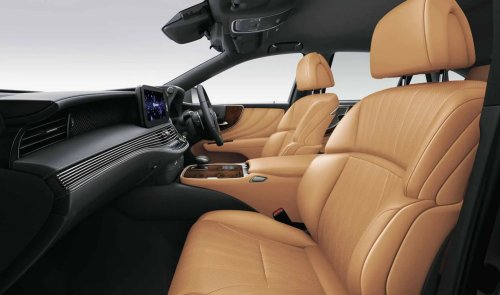
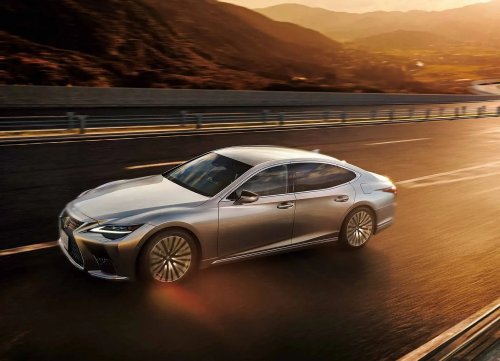
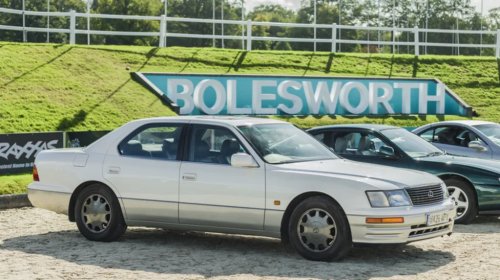
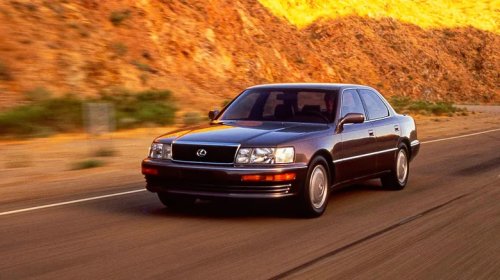
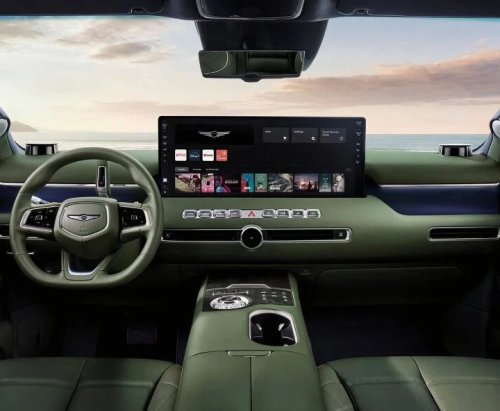
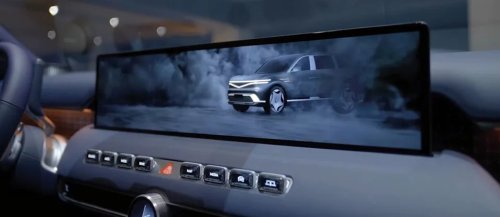
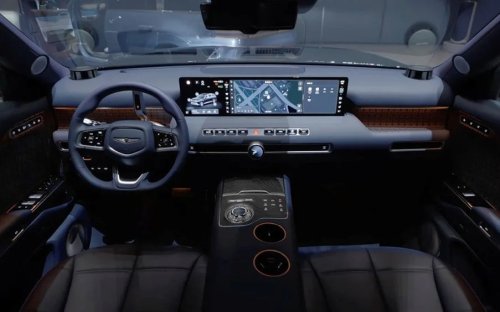
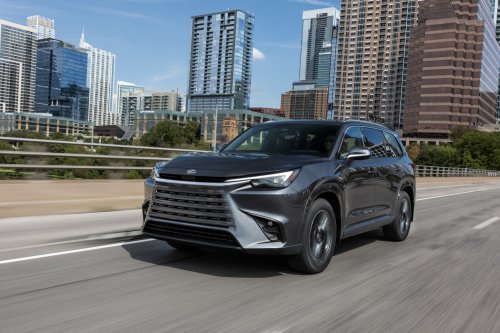
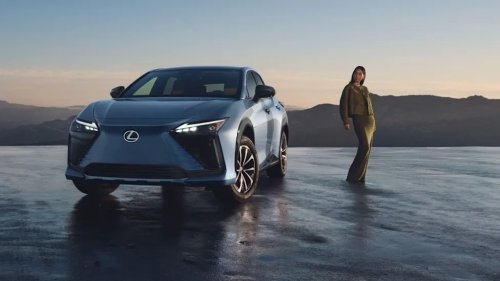
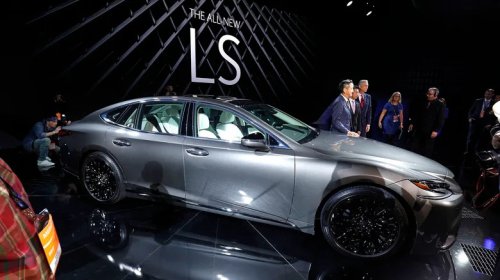
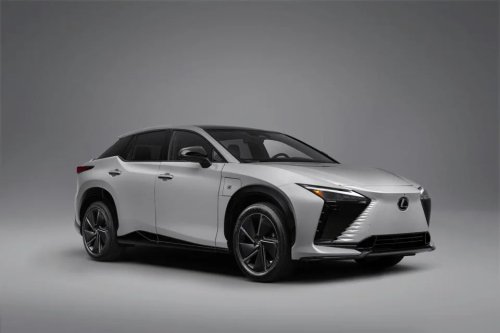
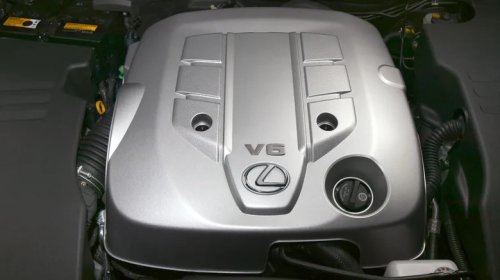
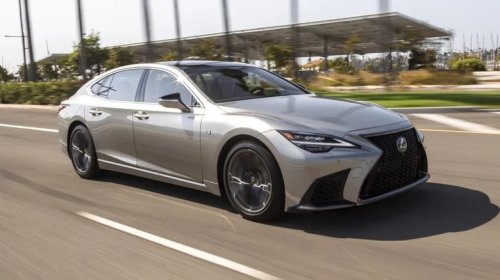
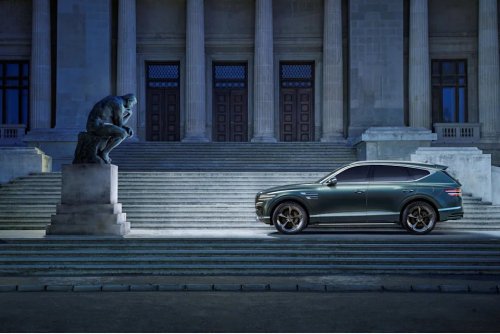
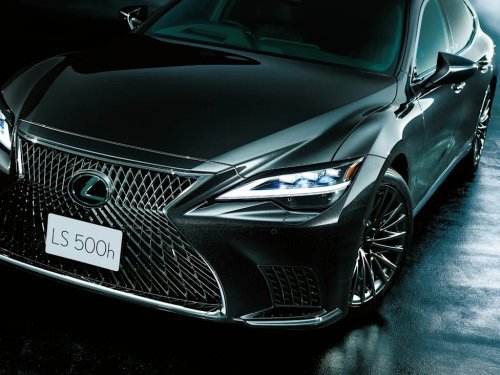
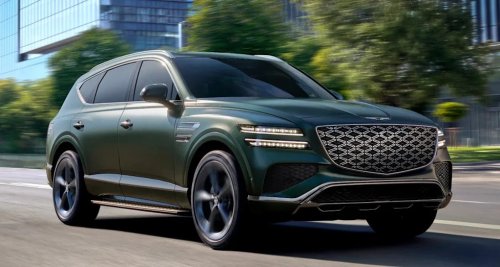
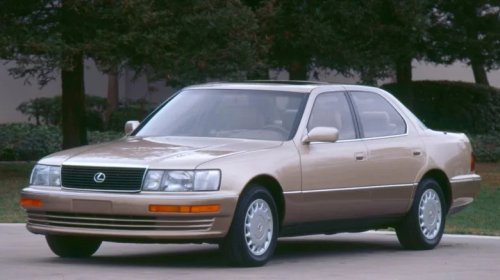
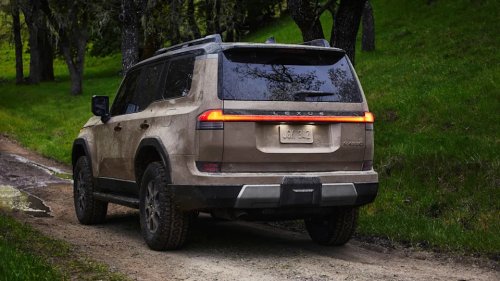
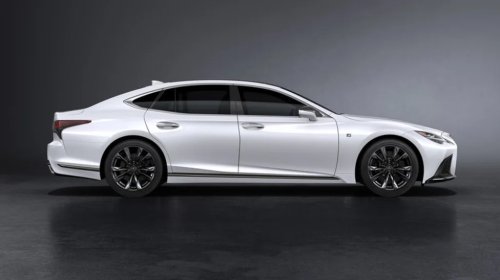
For some Lexus loyalists, the 2026 model year feels like the closing chapter. It would be the final year for Lexus’s flagship luxury sedan, with Lexus offering the 2026 Lexus LS 500 AWD Heritage Edition as a final-year tribute. Lexus will produce only 250 units of this vehicle in the United States at a starting MSRP of $99,280. On the other side of the showroom floor, don't expect the Genesis G90 to be leaving anytime soon.Continuing as the Genesis’s flagship luxury sedan, the 2026 Genesis G90 is positioned as a well-proportioned alternative to traditional German luxury rivals. Many experts rank it as an equal to the Mercedes-Benz S-Class. Compared to the LS 500, the G90 is considered the more comfort-focused option, providing superior rear-seat luxury, while the LS 500 trumps it with better reliability scores, performance, and resale value. These are two completely different cars with one shared mission: to ensure your money buys the most rewarding, comfortable, prestigious sedan experience. Horsepower Showdown: Which Flagship Sedan Packs The Bigger Punch? The 2026 Lexus LS 500 is signing off with a 3.4-liter twin-turbocharged V6 engine, which delivers 416 horsepower and 442 pound-feet of torque. It provides a smooth delivery from idle at 1,600 rpm all the way to 4,800 rpm, making real-world overtaking and merging on the highway feel effortless. The 2026 Genesis G90, on the other hand, is offered with two engine options. The base engine is a twin-turbo 3.5-liter V6, producing 375 horsepower and 391 pound-feet of torque. The second engine offered is a supercharged mild-hybrid version of the same engine, with its 48V E-Supercharger electric system producing 409 horsepower and 405 pound-feet of torque.The G90's E-Supercharger on the second engine option boosts the base engine by 34 horsepower and 14 pound-feet of torque. This makes power delivery more responsive. On paper, the 2026 Lexus LS 500 bests every variant of the G90 in torque, which happens to be the spec that matters most in daily driving. The G90 is only able to produce torque close to what the LS 500 offers through the E-Supercharger addition. Although the G90 hits its peak torque at a lower rpm of 1,300 rpm, it only achieves 405 pound-feet of torque from 1,300 rpm to around 6,500 rpm, compared to the LS 500, which achieves 442 pound-feet of torque at 1,600 rpm and maintains it to 6,600 rpm. 0–60 And Real-World Speed: Which $100K Sedan Gets There Faster? Lexus Although both vehicles are built for maximum comfort, they offer exciting performance. The 2026 Lexus LS 500, offered only in the Heritage Edition, has a 0–60 mph time of 4.6 seconds, which is 0.5 seconds faster than the G90. Its 10-speed automatic transmission helps it achieve a top speed of 136 mph, which is 6 mph faster than the G90 attains with its 8-speed automatic transmission. The Lexus offers two drive modes that sharpen the throttle and adjust the 10-speed transmission to hold gears longer: the Sport S and S+ modes. In the Sport S+ mode, the LS 500's Adaptive Variable Suspension (AVS) gets stiffened, and steering weight is increased for better cornering.On the other hand, the 2026 Genesis G90 is more focused on an extreme luxury feeling. It has just one Sport mode, followed by the most comfort-focused mode, which is the Chauffeur mode. The G90 has no ambition to be a performance vehicle. The acceleration gap between both cars is very evident when you’re behind the wheel. To eliminate turbo lag for smoother acceleration, that's why the G90 has the E-Supercharger trim. The G90 is designed to offer meaningful quality-of-life improvement, and not necessarily to close the 0–60 mph gap entirely.The LS 500's sub-5-second sprint is genuinely quick for a full-size sedan, putting it in the same conversation with vehicles like the Maserati Quattroporte Trofeo, Mercedes-Maybach S 680, and the BMW 750e xDrive. The G90 prioritizes composure and smoothness over urgency, but it still has 0–60 mph times and comfort levels that make it compete with offerings like the Rolls-Royce Phantom and the Audi A8 L 55 TFSI. Ride, Handling, And Chassis: Which Flagship Delivers A More Rewarding Drive? Genesis The Lexus LS 500 is built to cater to those who prefer an athletic, driver-centric experience, while the Genesis G90 is the executive’s choice for an isolated, cloud-like ride. The Genesis is built to rival luxury juggernauts like the Mercedes S-Class in effortless composure, focusing on mechanics that help it glide over imperfections, while the Lexus gives you a more communicative chassis and sharper handling.The G90 is fitted with a Multi-Chamber Air Suspension and a predictive system that helps it scan the road ahead while riding, so it can better absorb road imperfections with high proficiency. In comparison, the air springs of the LS 500 don’t save it from feeling “firmer than expected", with MotorTrend claiming it feels like an "undercurrent of busy jitters." Its calibration leans more towards a more grounded feel instead of pure floatiness. Keeping in line with its focus on a driver-centric drive, the LS 500 has precise steering and optimized chassis tuning, which gives it a dynamic edge and makes its body movements more controlled during spirited driving. On a skidpad, it pulls 0.85 Gs compared to the G90's 0.83 Gs. The Genesis G90 is fitted with All-Wheel Steering, giving it a turning circle of 37.1 feet, meaning it’s more maneuverable in the city compared to the LS 500 with a turning circle of 39.4 feet. Cabin Technology And Luxury Features: Which Interior Feels More Like First Class? Genesis The interior of the Genesis G90 gives both the driver and the passengers a "rolling sanctuary" or "boutique hotel" feel. Its unique sensory features, like a Mood Curator and an in-car fragrance system, help it offer a more modern and extravagant first-class experience than the Lexus LS 500, even with the Lexus Heritage Edition’s masterful Japanese craftsmanship. The Mood Curator of the G90 simultaneously manages ambient lighting, fragrance, music, and massage functions across four modes: Vitality, Delight, Care, and Comfort. The G90 also has EasyClose Doors, allowing passengers to silently close the doors with the press of a button without needing to reach out.Lexus The technology features on both vehicles are comparable. Both vehicles offer Wireless Apple CarPlay and Android Auto connectivity as standard, as well as rear controls, with the Genesis G90 offering a dedicated 8-inch touchscreen against the Lexus LS 500’s 7-inch touchscreen. The LS 500 has an opulent interior with 22-way power rear seats and 4-way power lumbar support, offering a power-extending ottoman for the seat behind the front passenger. The G90's infotainment features dual 12.3-inch panoramic displays compared to the LS's single 12.3-inch high-definition touchscreen display. The G90 uses a fingerprint recognition system for authentication, while the LS uses a digital key. Price, Warranty, And The Final Verdict: Which Flagship Is The Smarter Investment? Genesis Genesis covers the G90 with a five-year/60,000-mile basic warranty and a 10-year/100,000-mile powertrain warranty, including three years and 36,000 miles of complimentary maintenance. This is much better than the four-year/50,000-mile basic warranty and 6-year/70,000-mile powertrain warranty offered on the Lexus. The LS offers only the first two scheduled maintenance services as complimentary, which amounts to 6 months or 1 year. The warranty package offered on the G90 makes every rival in the segment look underprepared.On KBB, Lexus LS owners give it a 4.5 out of 5 rating, with its reliability rating at a near-perfect 4.9 out of 5 and 89% recommending it. On the other hand, Car and Driver awarded the Genesis G90 a 9/10 rating for its refined performance and luxurious appointments. Other verdicts of the Genesis G90 also say it is the stronger rational buy, the lower-risk, higher-value proposition for most shoppers, because of its better warranty, complimentary maintenance, more available trims, and ongoing dealer support.Sources: Lexus, KBB, Car and Driver, Edmunds