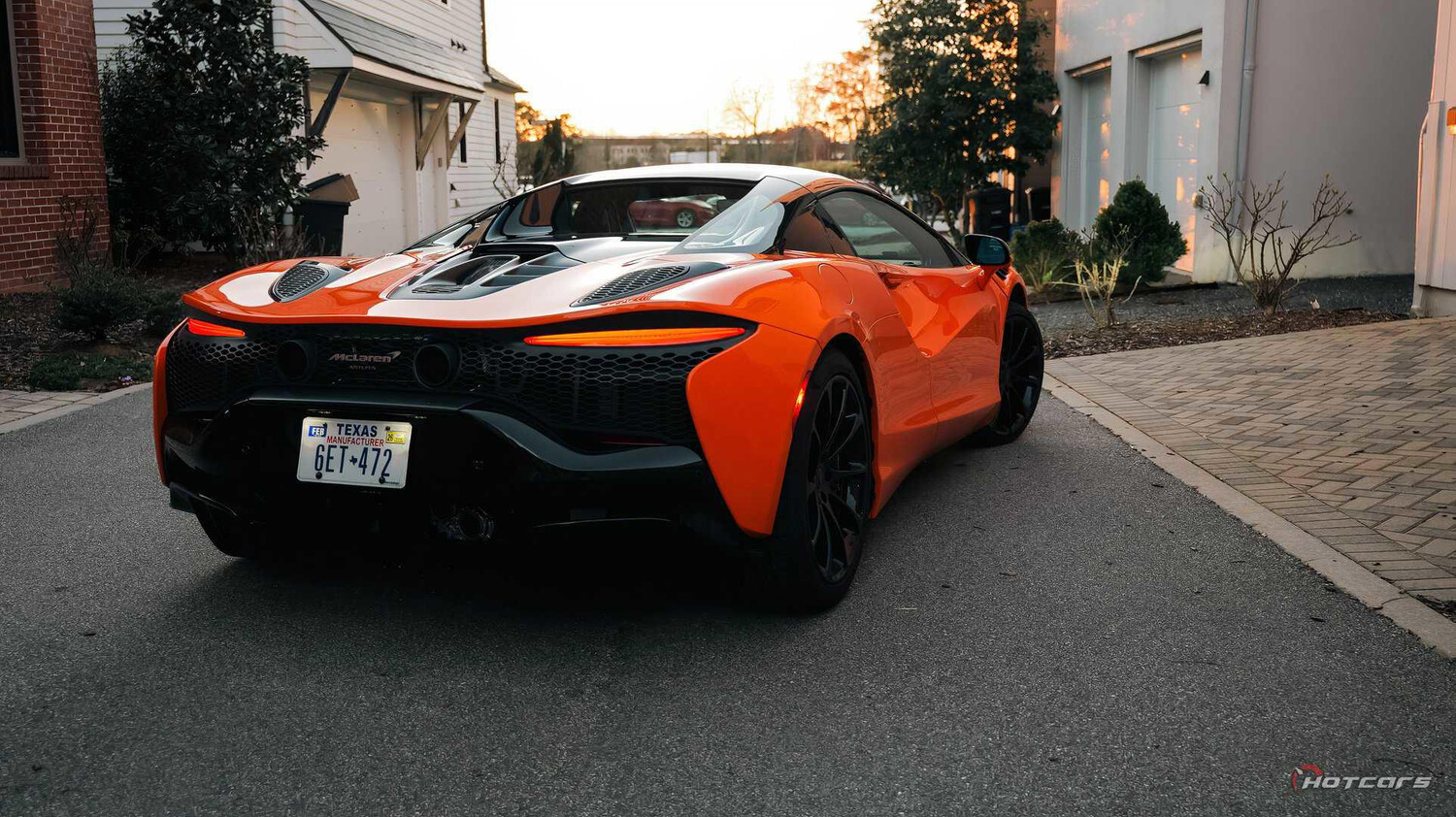
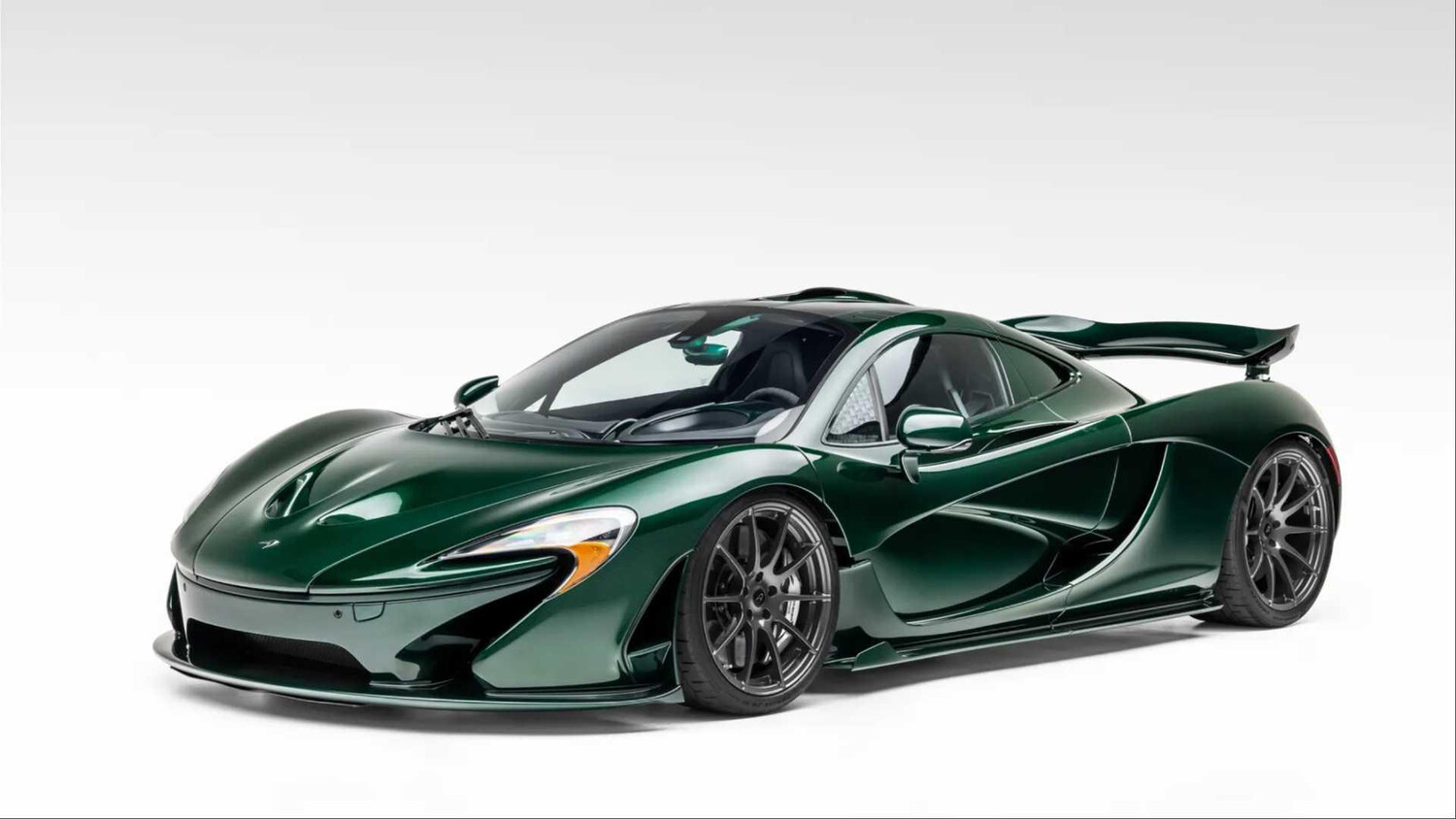
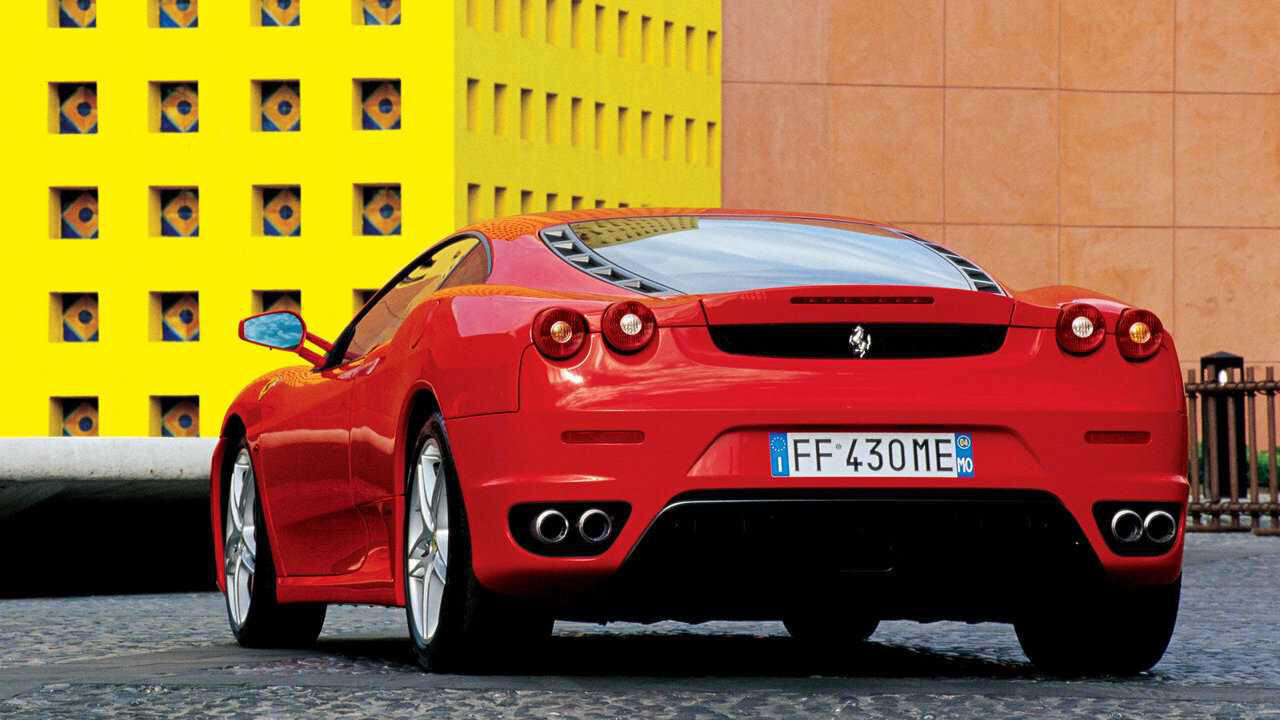
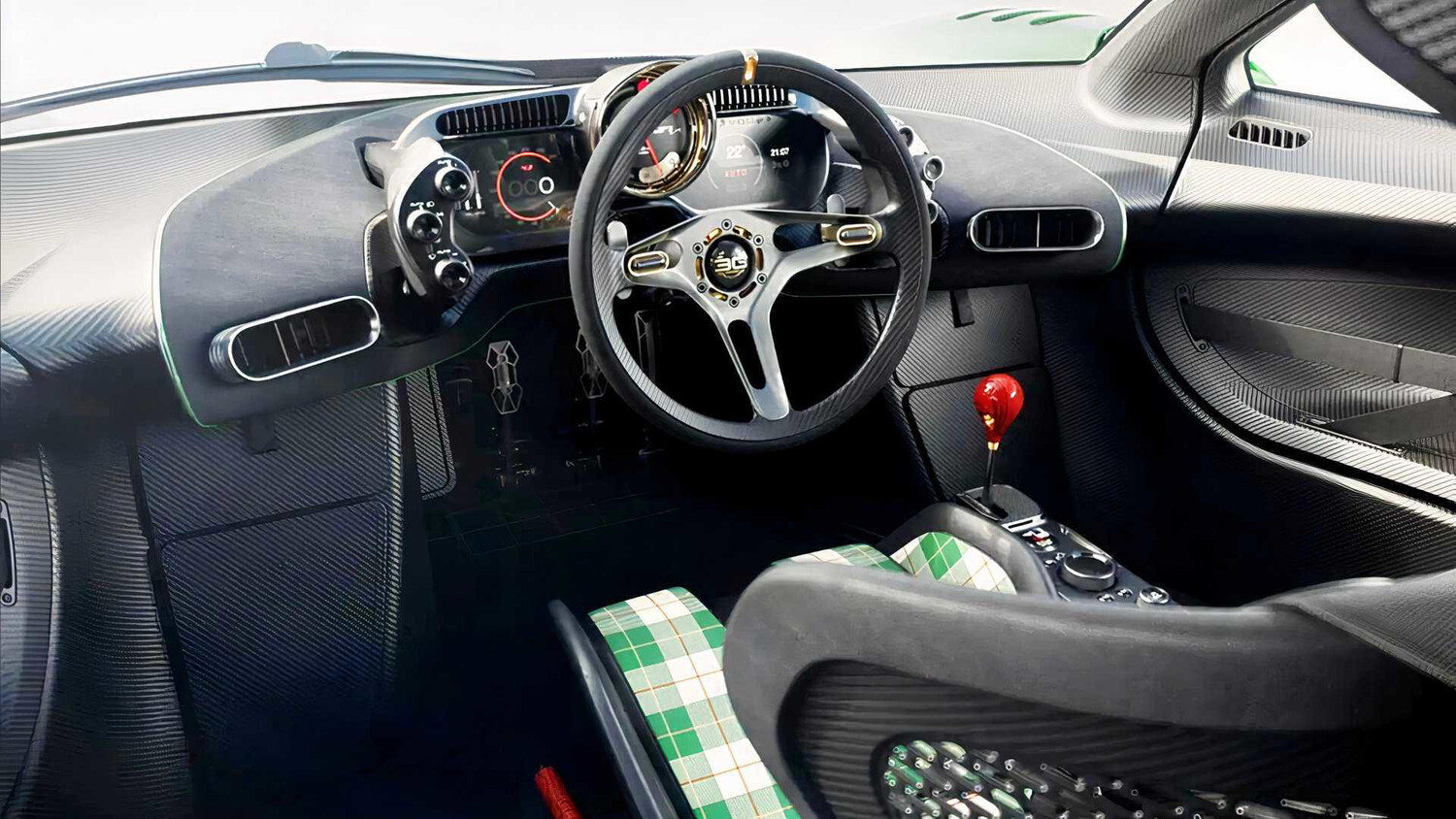
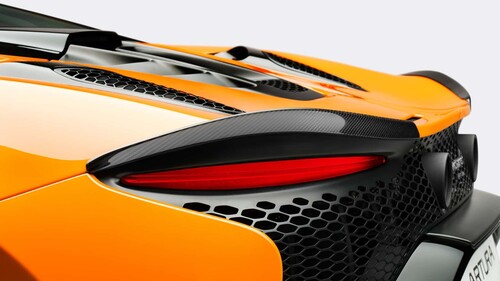
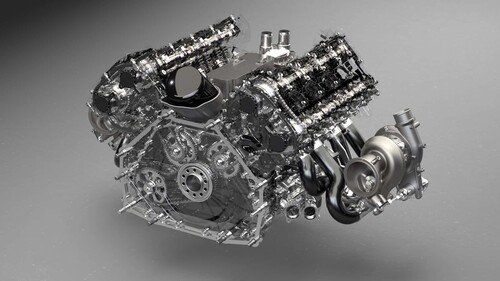
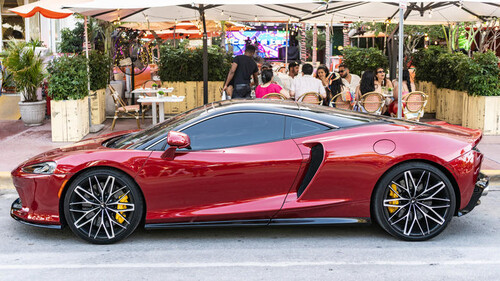
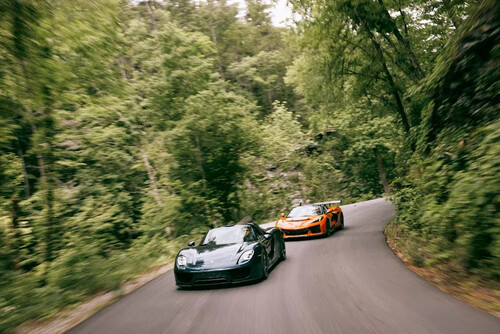
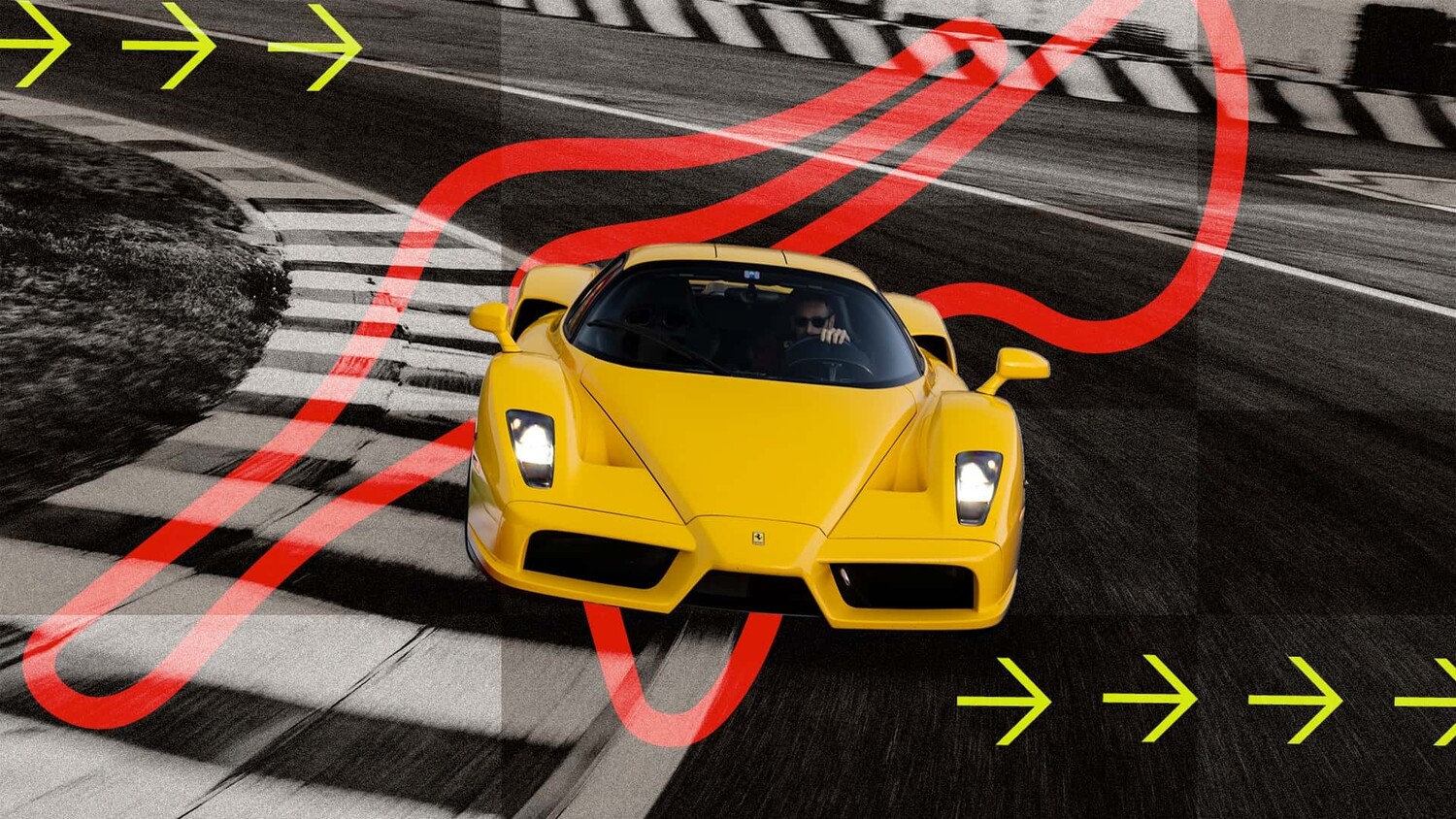
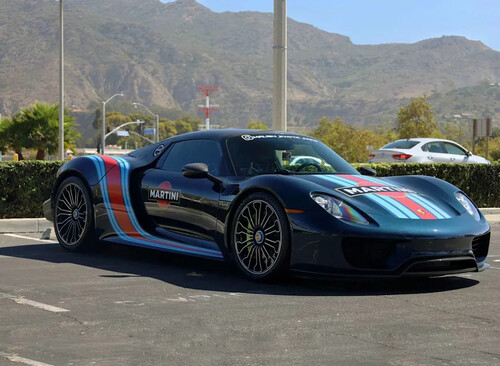
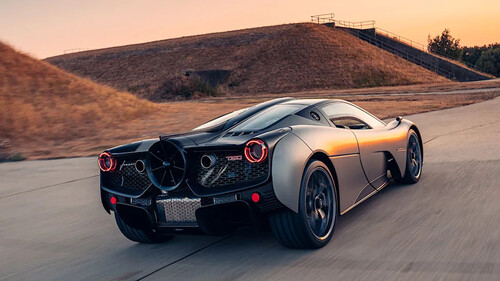
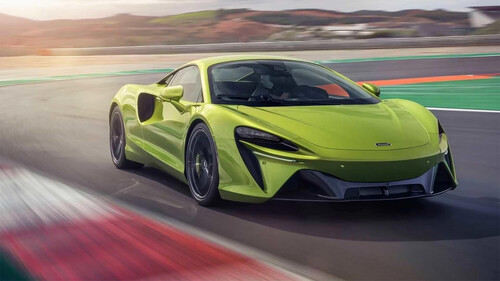
The McLaren Artura was the brand's first mainstream hybrid supercars, being the first model to incorporate the technology since the P1 hypercar. Positioned as McLaren's entry-level supercar, replacing the 570S and featuring a hybrid V6 engine, the Artura promised to be a glimpse into the brand's future, marking an era of hybridized performance.Many supercar makers followed this trend, with hybrid powertrains offering a good compromise between meeting strict emission standards and delivering enhanced performance. It seems like an ideal solution: save the environment while going quickly, though this could possibly be a drawback. Arturas Are Bricking In Owners Source: Bradley Hasemeyer/ Hot Cars / ValnetA Reddit post reported that his McLaren Artura was having issues charging the hybrid battery system that powered the car's onboard 12-volt battery. This system controlled everything from opening the doors to the brake, and without power, the car was essentially left stranded after only 1,700 miles. Seven months later, the same Reddit user reported the same issue, once again leaving his McLaren bricked up in the garage.Other users on the McLaren forums also reported the same issue, with their Arturas being left bricked and inoperable after a few months of taking delivery, hardly the $300,000 supercar ownership experience that you'd expect. The predecessor of the Artura, the 570S, didn't have this problem, with owners reporting that their overall experience was reliable.The Artura had already faced certain problems during development, leading to McLaren being forced to sell a significant portion of its heritage collection, totaling $123 million, back in 2022, putting the small-volume independent supercar maker in a dire financial situation. But the battery issues pale in comparison to what McLaren discovered next. Why McLaren Had A Massive Recall Car and DriverAside from this problem, McLaren issued a recall for the Artura in late 2022, with the root of the problem being cold-formed nuts on the high-pressure fuel pipe that could disconnect. If this happened, fuel could potentially leak onto the engine bay’s hot components and potentially cause a fire.The switch from machined nuts to cold-formed nuts was due to a supply shortage, resulting in McLaren making the switch. Despite the fact that the cold-formed nuts had been validated by the OEM and the supplier of the nuts, McLaren still had to recall 164 vehicles made between October 8, 2021, and November 14, 2022. While this may not sound like much, for small independent brands such as McLaren, 164 units represent significant dollar volume.Regardless, all of these issues certainly sour the ownership experience of a premium supercar, as having to send a car to the shop every few months sounds far from luxurious. This has resulted in Artura prices plummeting on the second-hand market, with many being sold at bargain prices, despite being only a few years old. These recalls raised a deeper question about hybrid supercar technology itself: Are these hybrid supercars actually worth all of the investment? Do Second-Hand Supercar Buyers Prefer Analog? CarwowMcLaren’s first hybrid supercar, the P1, doesn’t fare much better with owners repeatedly reporting hybrid battery failure. This can prove to be a very expensive repair, costing upwards of $50,000. Despite only 375 units being produced, the P1 hasn’t appreciated in value in the same way that some people would expect. According to Classic.com, the two most recent US sales of the P1 were just $1.75 and $1.87 million.The P1’s rivals from the time have fared a little better with prices for the Porsche 918 ranging around $3 million, while LaFerrari prices range upwards of $5 million. Unlike the P1, these two models can be compared to their more mechanical counterparts, the Porsche Carrera GT and Ferrari Enzo.Silver Arrow Cars/Bring a TrailerBoth these models hold more value on the second-hand market, with Carrera GT prices starting around $3 million, while Enzo prices have skyrocketed, with the three most recent sales in the US being $9 million, $11 million, and $15 million, respectively. The values of the Enzo make sense as only under 500 units exist, in comparison to the LaFerrari’s 700 units. The Porsche Carrera GT, on the other hand, had a run of 1,270 units, making it actually more common than the Porsche 918, with a production run of 918 units. Increasing Values Via: NetcarshowThese are only some examples of more mechanical supercars rising in value, and the very high prices of these early 2000s models are partially spurred by their fame, but also mark an endpoint in automotive history when performance cars ditched naturally aspirated engines and manual transmissions in favor of smaller turbocharged engines and dual-clutch automatics.While these technological innovations do make the cars quicker, enthusiasts agree that these changes have made supercars far less engaging, something that's ultimately more valuable, as there are very few occasions when a supercar is pushed to its limit.This has led the last batch of analog supercars to skyrocket in value, combining the classic enthusiast experience with relatively modern reliability and convenience.One of the best-known examples of this trend is the Ferrari F430, the last mid-engined manual transmission Ferrari ever offered. Values for these manual F430s have significantly increased compared to examples equipped with the F1-inspired flappy pedal transmissions. These models have recently sold for between $125,000 and $150,000. Meanwhile, its three-pedal counterparts can sell for anywhere from $200,000 to upwards of $400,000, sometimes three times as much as an automatic F430. This makes these manual F430s even more expensive than new McLaren Arturas, which are far faster and are still under warranty, proving enthusiasts value experience.The same trend holds true for other second-hand performance models, with the very last manual models of popular enthusiast cars remaining far more desirable than newer counterparts. This can be seen with all forms of enthusiast models, ranging from supercars, muscle cars, and German performance cars. The Industry Responds RM Sotheby'sSurprisingly, the demand for manual transmissions hasn’t resulted in the major supercar makers, Ferrari, Lamborghini, and McLaren bringing the more traditional manual transmission type back. Porsche remains the only major supercar maker that still features a manual transmission with the ever-popular 911.This has opened an opportunity for other automakers to step in and bring back some of the classic driving experiences that so many enthusiasts now desperately seek. Aston Martin notably continues to offer a manual transmission in the Vantage, as well as the Valour and Valiant super-gt cars from just a few years ago.Via: Gordon Murray Automotive McLaren hasn't offered a manual supercar since the brand's first road car, the record-breaking McLaren F1 from the 1990s. This led the car’s original designer, Gordon Murray, to bring the McLaren F1’s original design into the 21st century with the Gordon Murray T50, a lightweight, naturally aspirated manual V12 supercar.Pagani has followed suit in this trend, with its new Utopia offering a traditional manual transmission after the Huayra had featured an automated dual-clutch for the best part of a decade. This small, yet impactful revival of traditional performance cars brings a little ray of light, as hopefully the praise of these new models will catch the attention of larger OEMs, and manual transmission, naturally aspirated performance cars will make their return to the spotlight.Sources: Classic.com, Reddit, Mclarenlife, Carscoops, Pistonheads, Collectingcars