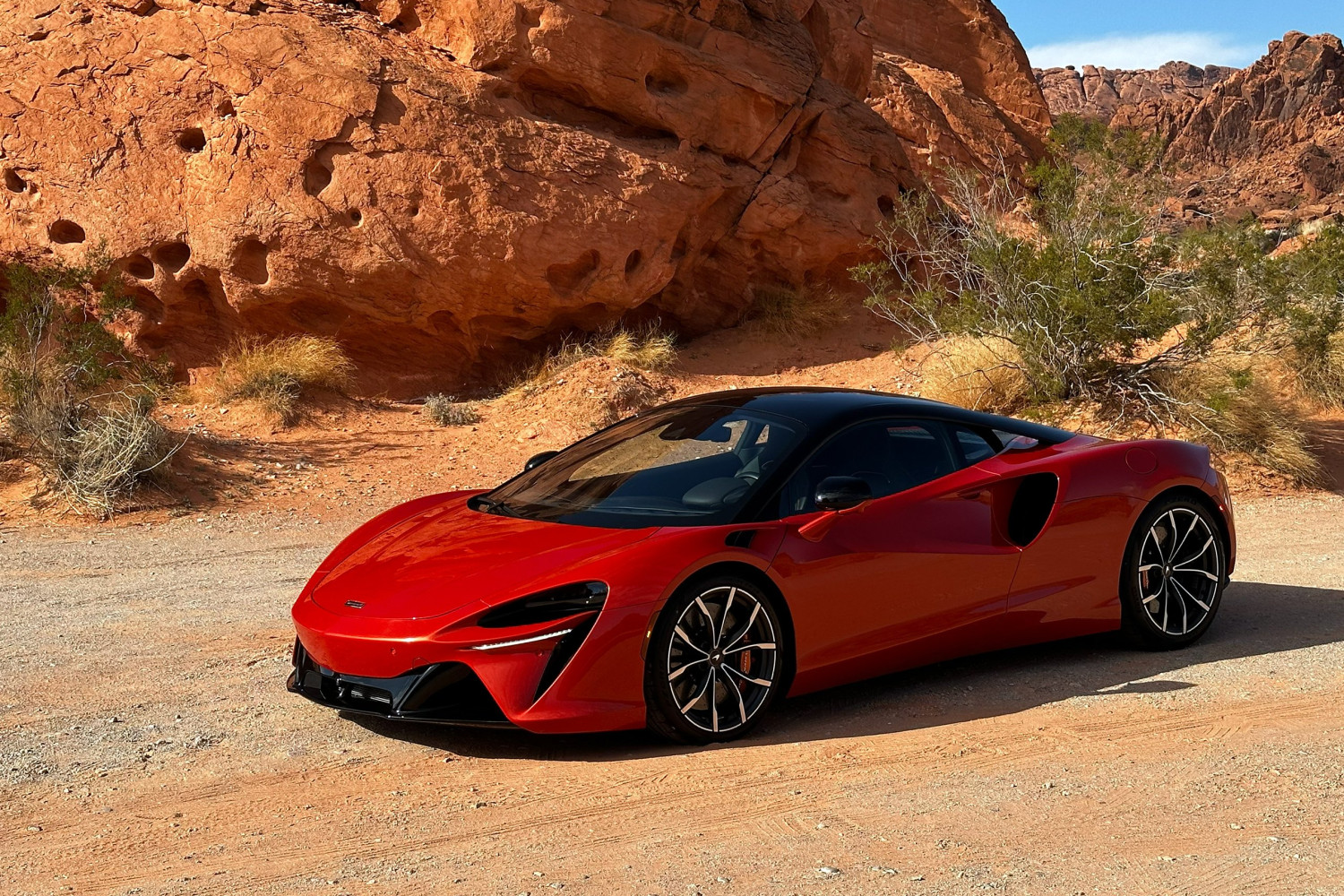
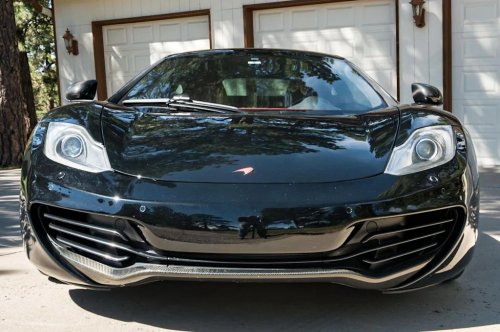
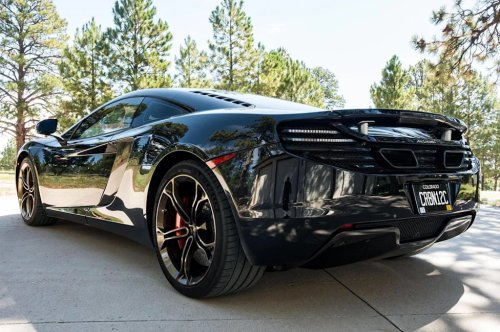
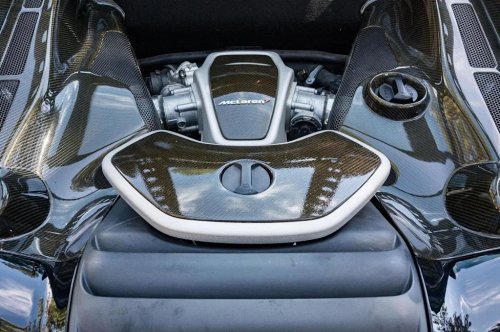
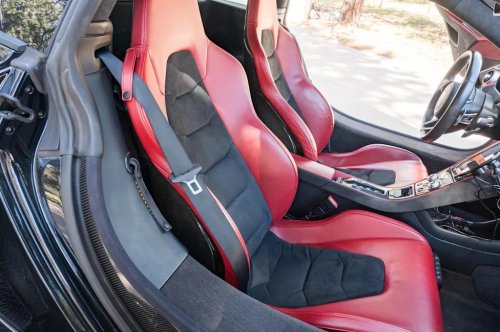
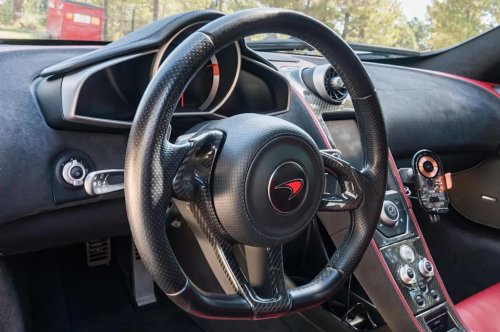
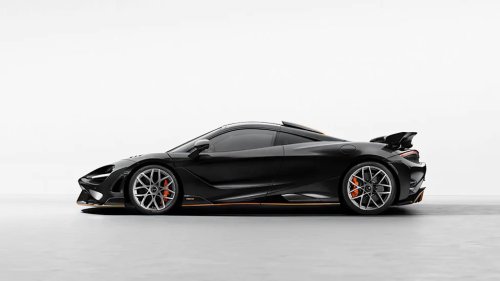
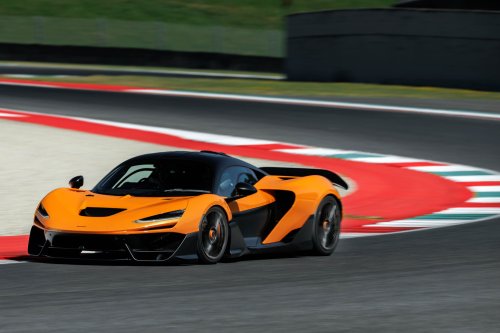
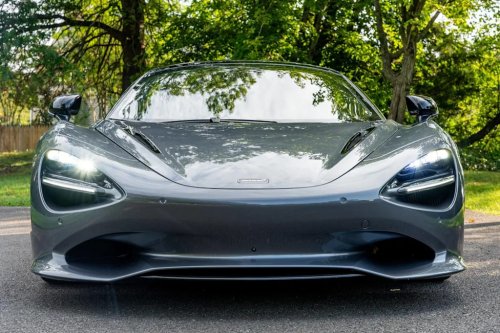
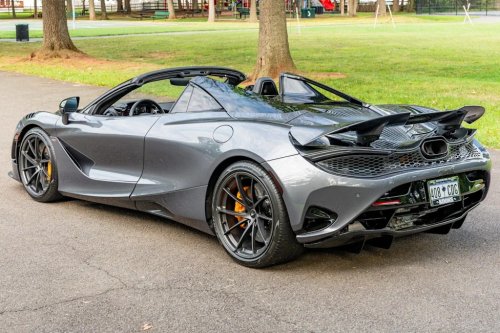
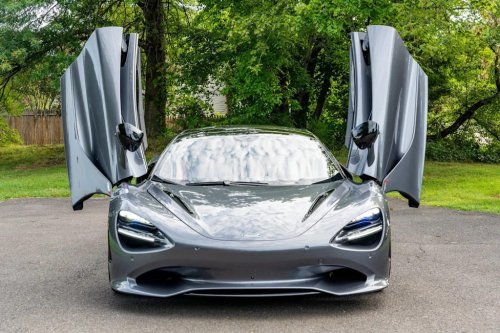
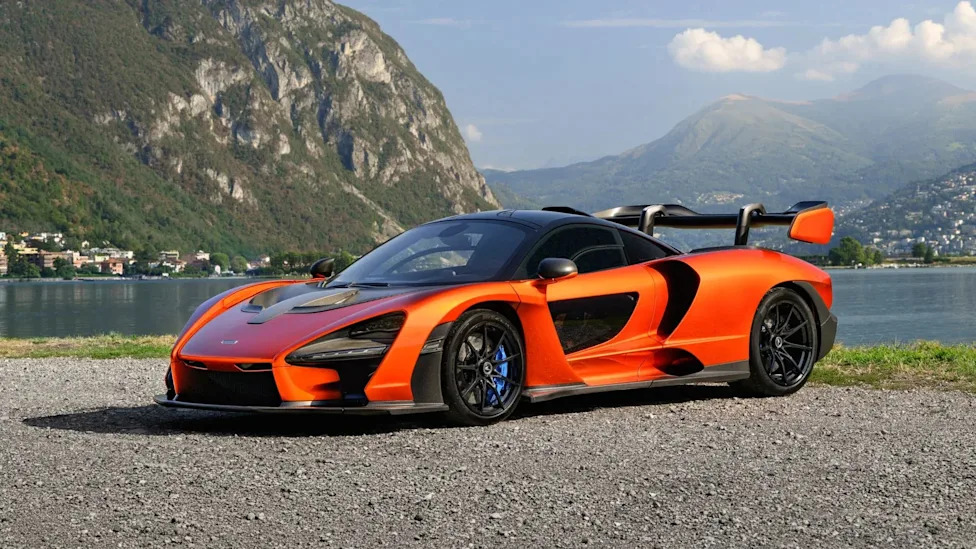
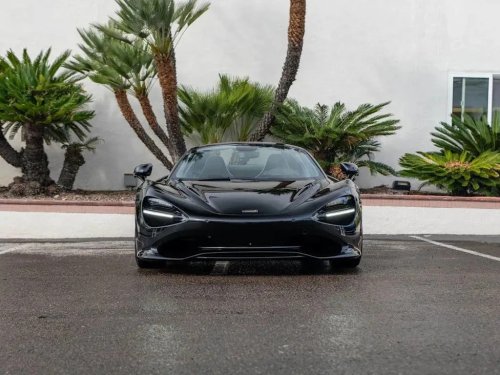
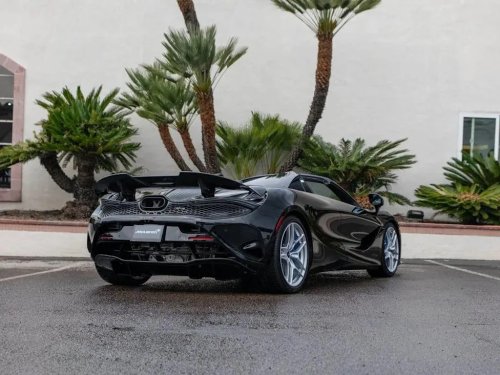
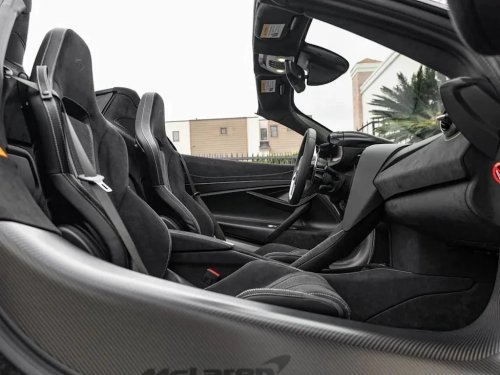
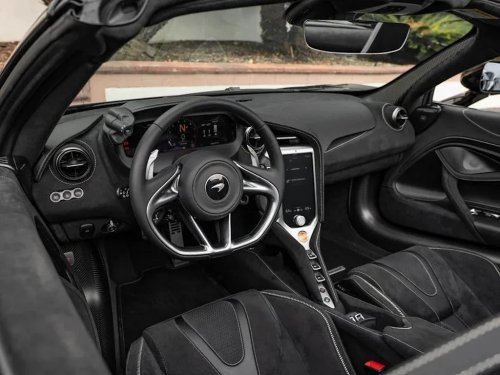
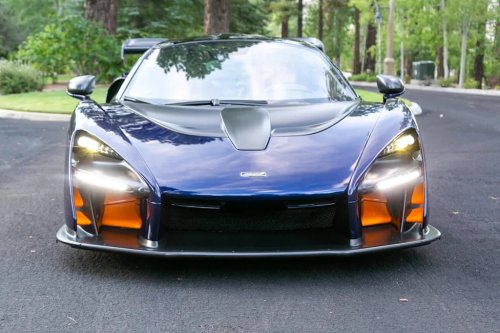
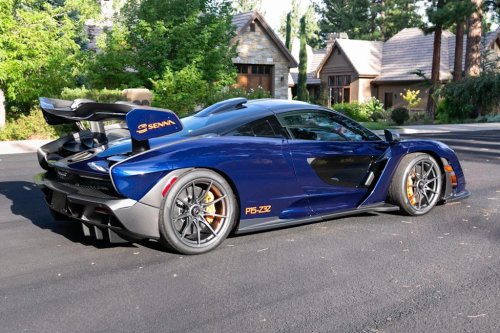
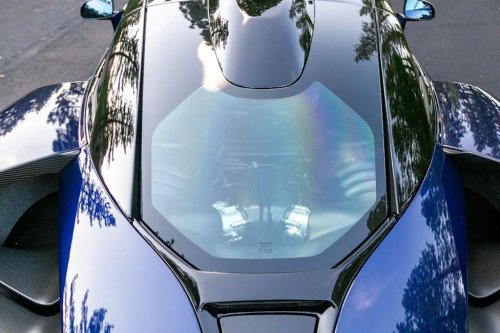
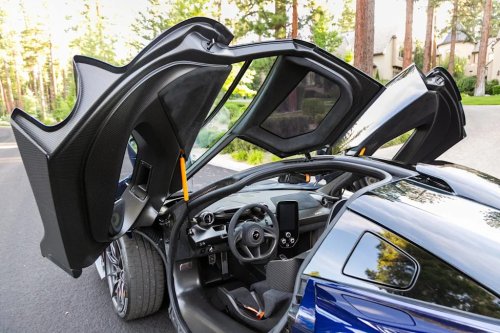
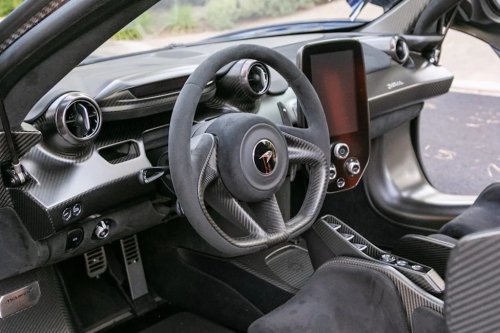
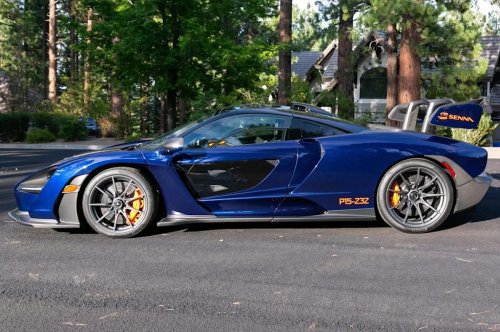
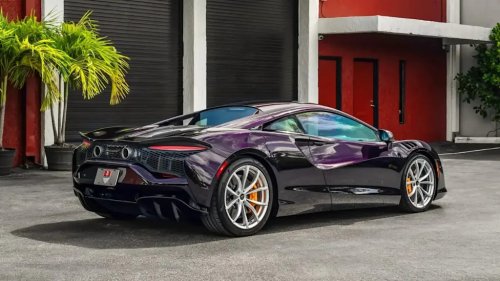
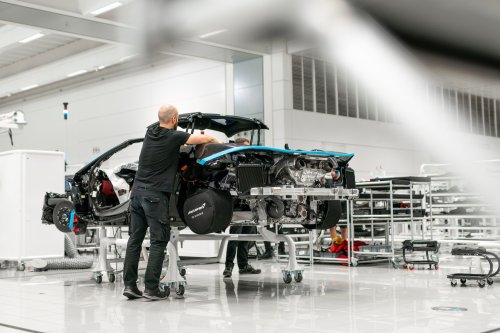
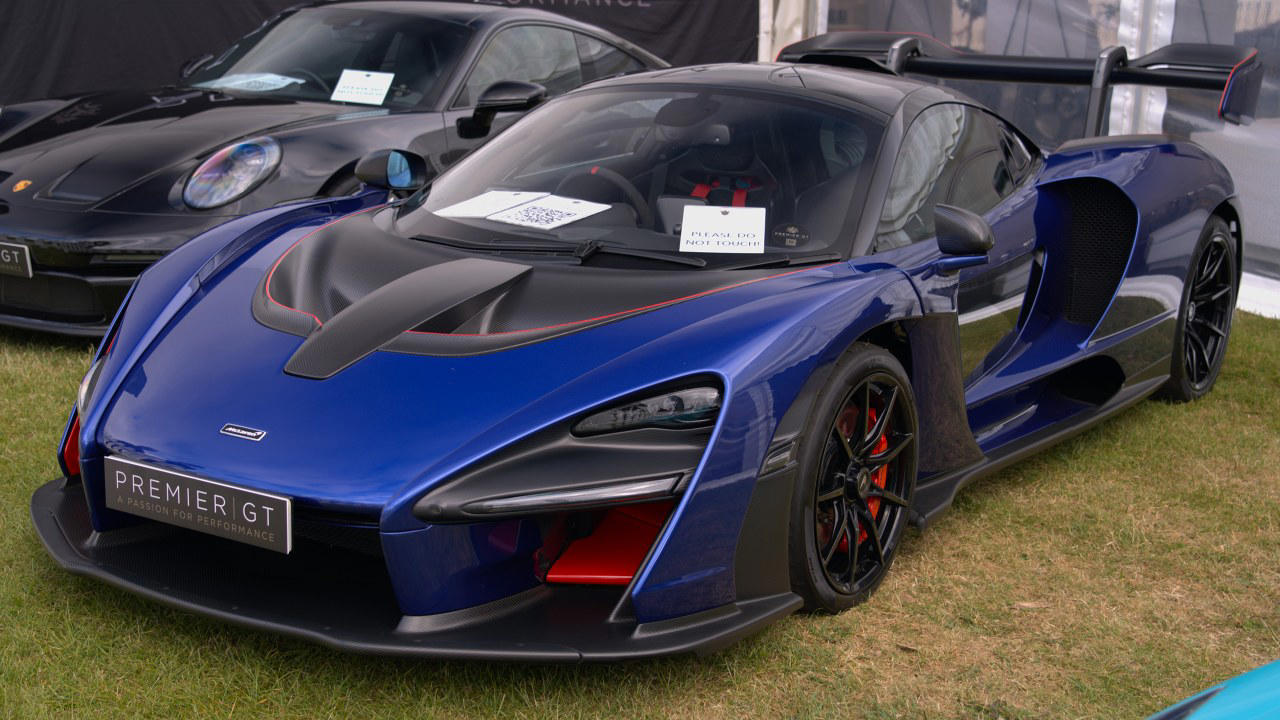
The 2018 McLaren Senna was not styled to be beautiful in the traditional supercar sense. It was shaped so that air itself became a weapon, turning every surface, vent, and wing into a tool for crushing the car into the tarmac at speed. The result was a road‑legal machine that treated downforce as its primary performance metric, with power and top speed almost secondary to the grip it could generate in a corner. Designing a body that serves the air The Senna’s bodywork looks almost unfinished, with exposed structures, abrupt cutouts, and towering aero devices, because McLaren prioritized airflow over aesthetics. Every panel is there to guide air to a specific job, from cooling the powertrain to feeding the rear wing and diffuser, and the car ends up looking closer to a prototype racer than a polished grand tourer. Reporting on the car’s development notes that every surface, vent, and curve was created for performance, which is why the Senna appears more like a purpose-built track tool than a conventional supercar. That functional approach is most obvious in the huge rear wing, aggressive front splitters, and bodywork riddled with vents that together generate immense downforce and stability. A detailed technical guide explains that this combination of elements allows for mind‑bending cornering speeds, ferocious braking power, and unrelenting acceleration, all because the tires are pressed harder into the asphalt as speed rises. Another analysis describes the Senna as brutal, Beautiful, and Purposeful, emphasizing that it was Unveiled with a singular mission to be the most track‑focused McLaren, with the aero package literally pinning the car to the tarmac at speed. Active aerodynamics as a dynamic weapon Static wings and splitters can only be optimized for one scenario, so McLaren turned to active aerodynamics to make the Senna’s bodywork adapt in real time. The car’s so‑called Aero Bl system constantly adjusts the angle of attack of the rear wing and other elements, trimming drag on straights and then snapping into high‑downforce configurations for braking zones and corners. A track test of the car highlights these active aero features as among its most noteworthy technical achievements, noting how the system clears the airflow to do its work with minimal interference from unnecessary styling. That active philosophy extends to the way the rear wing is packaged within road‑car regulations. A detailed drive report points out that the giant, towering wing is globally homologated and carefully positioned so it does not protrude beyond the car’s legal envelope, yet it still dominates the airflow behind the cockpit. The result is a device that behaves like a race‑car wing in function while remaining road legal, allowing the Senna to carry enormous speed through corners without sacrificing its registration plates. Chassis, suspension, and the art of using downforce Image Credit: MrWalkr, via Wikimedia Commons, CC BY-SA 4.0 Downforce is only useful if the chassis can exploit it, so McLaren engineered the Senna’s underpinnings to work hand in hand with its aero package. The car uses a double‑wishbone suspension system called RaceActive Chassis Control II, a development of McLaren’s earlier hydraulic setup that allows each corner of the car to be controlled with extreme precision. Technical briefings describe how this system can stiffen the car in roll while keeping it compliant in heave, which means the body stays flat and stable under high lateral loads while still following the track surface closely enough to maintain tire contact. Inside McLaren, specialists like Steve Payne, a senior engineer for active suspension systems within McLaren Automotive, have explained how the company’s active chassis technology is tuned specifically for the Senna’s aerodynamic loads. As speed rises and the wings pile on more vertical force, the suspension responds by managing ride height and attitude so the aero surfaces stay in their optimal window. That coordination between air and chassis is what lets the Senna feel like a true track weapon, with the car remaining composed even when the driver leans hard on its downforce in fast, loaded corners. Powertrain and performance shaped by grip Although the Senna’s headline numbers are dramatic, its powertrain is best understood as a supporting actor to the aero and chassis. The car is powered by a twin‑turbo V8 that delivers 789 horsepower and 590 pound‑feet of torque, figures that are cited in back‑to‑back testing with the closely related 720S. In that comparison, The Senna is described as the more technical machine, a real track weapon that demands respect but rewards commitment, because its performance envelope is defined as much by grip and braking as by straight‑line speed. McLaren’s own performance targets for the Senna underline that philosophy. Official figures released ahead of the Geneva International Motor Show emphasized that the car would match or exceed the company’s previous track benchmarks, with particular focus on lap times and braking distances rather than just top speed. A comprehensive research hub on the model notes that the huge rear wing, aggressive splitters, and vented bodywork work together to produce immense downforce, which in turn allows the car to brake later, corner harder, and accelerate earlier out of bends than a more conventional supercar with similar power. From road car to GTR: escalating the downforce arms race The standard Senna already pushed the limits of what a road‑legal car could do with aerodynamics, but McLaren quickly moved to show how far the concept could go without registration plates. The track‑only GTR variant took the same basic silhouette and exaggerated it, with even more extreme wings, dive planes, and diffuser elements that were freed from the constraints of public‑road regulations. Reporting on the GTR notes that, as if the road‑going Senna was not already extreme enough, McLaren engineered the new version to generate a ton of additional downforce, further improving cornering, braking stability, and overall track performance. That escalation highlights how central aero had become to McLaren’s thinking by the time the Senna family arrived. A review of the original car describes how McLaren painstakingly stripped away anything that did not serve performance, even suggesting that ordering leather trim and soft‑closing doors misses the point of a machine built to whip a track. Another detailed Senna Review characterizes the car as the lightest, fastest, and most engaging McLaren yet, although it acknowledges that the styling is divisive precisely because it is so unapologetically shaped by airflow. Together, the road car and the GTR show how the Senna project weaponized downforce, turning air into the defining ingredient of McLaren’s most uncompromising track‑focused creation. More from Fast Lane Only: 10 underrated V8s still worth hunting down Police notice this before you even roll window down



















 +65 others